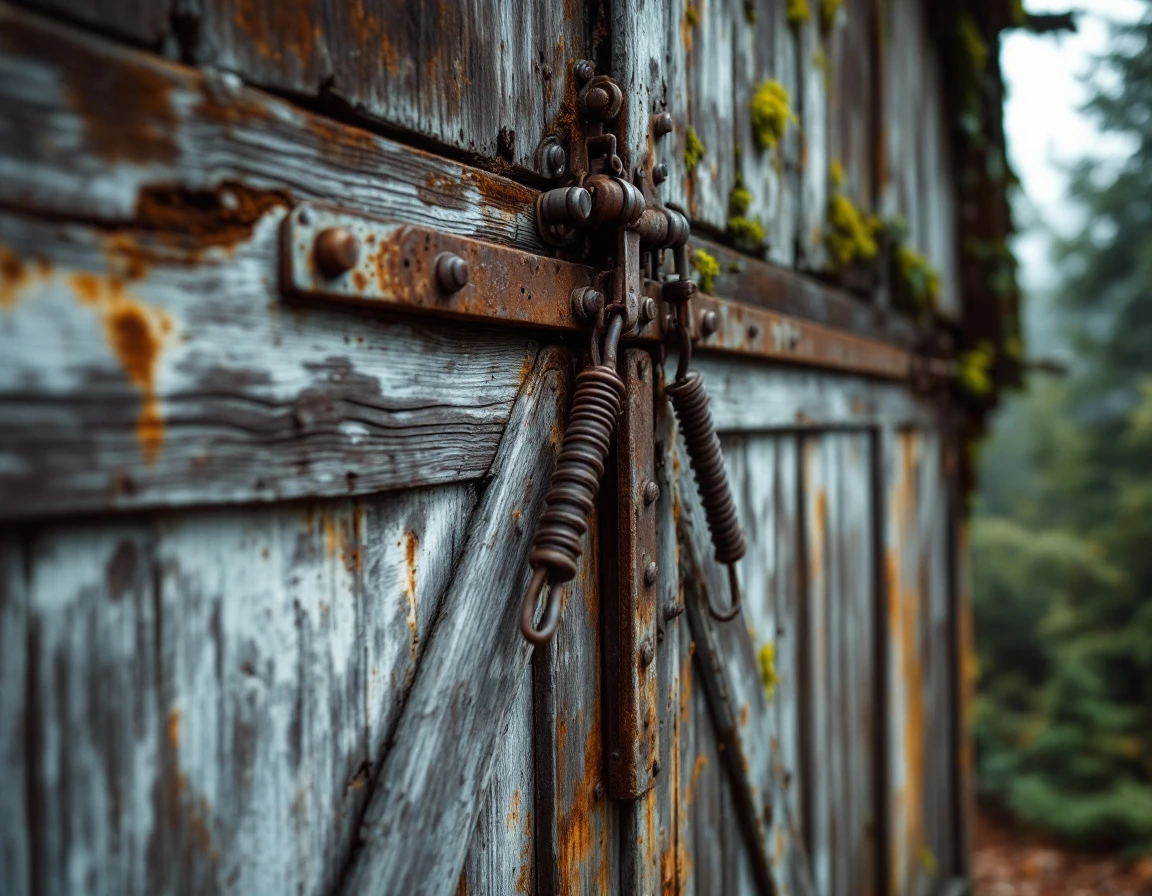
Long-Bell Lumber Era Garage Vulnerability
If your Longview garage features a detached wood-frame structure with a single-car bay and vintage hardware that looks original to the 1920s–1940s, you own a piece of the city’s planned-community heritage. Long-Bell Lumber Company built these garages alongside worker housing, using lumber milled right here in Longview. Effective vintage garage maintenance Longview homeowners practice today starts with understanding how the craftsmanship in these structures remains solid, but they face a persistent challenge: moisture.
Longview receives 40–50 inches of rainfall annually—more precipitation than Seattle. That constant dampness creates predictable structural threats in wood-frame garages. Rust attacks vintage hinges, rollers, and track brackets that haven’t been replaced since installation. Wood rot develops in sill plates, corner posts, and door jambs where water pools or splashes back from concrete floors. Garage door springs corrode from the inside out, weakening gradually until they snap without warning.
Does your garage door have strap hinges mounted with exposed screws? Can you see wood shingles or lap siding on the exterior walls? These visual markers confirm you’re working with Long-Bell era construction. Targeted moisture management—not just routine maintenance—extends these garages’ lifespan by 10–15 years in our Pacific Northwest climate.
June Pre-Summer Moisture Prevention for Vintage Garage Maintenance Longview
June offers Longview homeowners a narrow window to complete three essential moisture-prevention tasks before summer humidity peaks and before the fall rainy season returns. Completing these tasks now prevents the deterioration patterns common in Long-Bell Lumber era detached garages—and helps you avoid costly September-October emergency repairs.
- Task 1: Inspect and seal vulnerable entry points. Walk around your garage with a bright flashlight and examine door bottom gaskets, roof vent seals, and foundation perimeter gaps. Look for cracked rubber, gaps where light penetrates, or weatherstripping that’s lost its flexibility. Press your finger against door gaskets—if they don’t spring back, they’ve degraded. Replace worn gaskets and apply flexible exterior-grade caulk to foundation cracks before summer humidity creates interior condensation that accelerates wood rot.
- Task 2: Check vintage hardware for early rust signs. Examine hinges, latches, and overhead door springs for orange-brown rust spots or white corrosion powder. Wipe hardware with a dry cloth—active corrosion leaves residue on the fabric. Apply a thin coating of rust-inhibiting spray to any hardware showing early oxidation. This protective barrier prevents corrosion from progressing during humid summer months.
- Task 3: Clear gutters and downspouts completely. Remove all debris from gutters and flush downspouts with a garden hose. Verify that downspouts direct water at least four feet from your garage foundation. Standing water against foundation walls wicks into sills and framing, creating the wood rot patterns that plague garages built in the 1920s-1940s. These three June tasks create a moisture barrier that extends your garage lifespan through multiple rainy seasons.
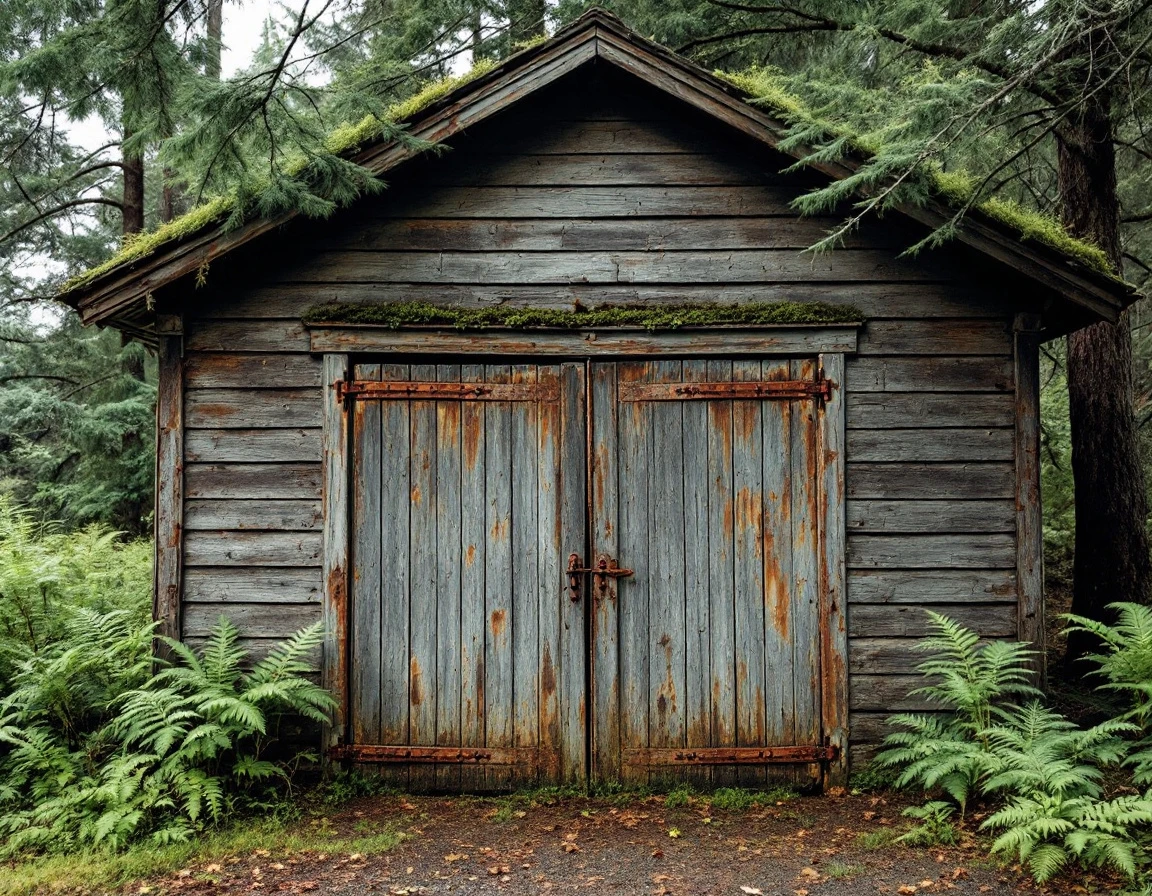
Rust Identification and Prevention Strategy
Before you panic about rust spots on your vintage hardware, learn to distinguish between cosmetic surface rust and structural corrosion. Surface rust appears as shallow orange or brown discoloration that wipes away partially with a rag. The metal beneath remains firm and flexible. Structural corrosion creates deep pitting, flaking layers, or brittle metal that cracks under pressure. Perform this simple test: press a flathead screwdriver gently into the rusty area. If it sinks in easily or the metal crumbles, you’re looking at structural damage that threatens springs and frame integrity.
For surface rust on period hardware, preservation beats replacement. A garage that stays dry inside prevents the humid environment where rust forms, making moisture management the most effective rust prevention strategy.
Clean the affected area with fine steel wool, then apply period-appropriate finishes that match your Long-Bell era garage. Linseed oil works beautifully on vintage hinges and handles, creating a protective barrier that slows oxidation. For painted hardware, use period enamels in colors authentic to the 1920s-1930s. These finishes breathe with the metal rather than trapping moisture underneath.
Replace worn gaskets around door frames and windows before Longview’s wet season begins. Reapply sealant to gaps where water penetrates. When do you replace rather than repair? If corrosion has compromised a hinge’s structural integrity, or if springs show pitting deep enough to weaken coils, professional replacement preserves safety without sacrificing character.
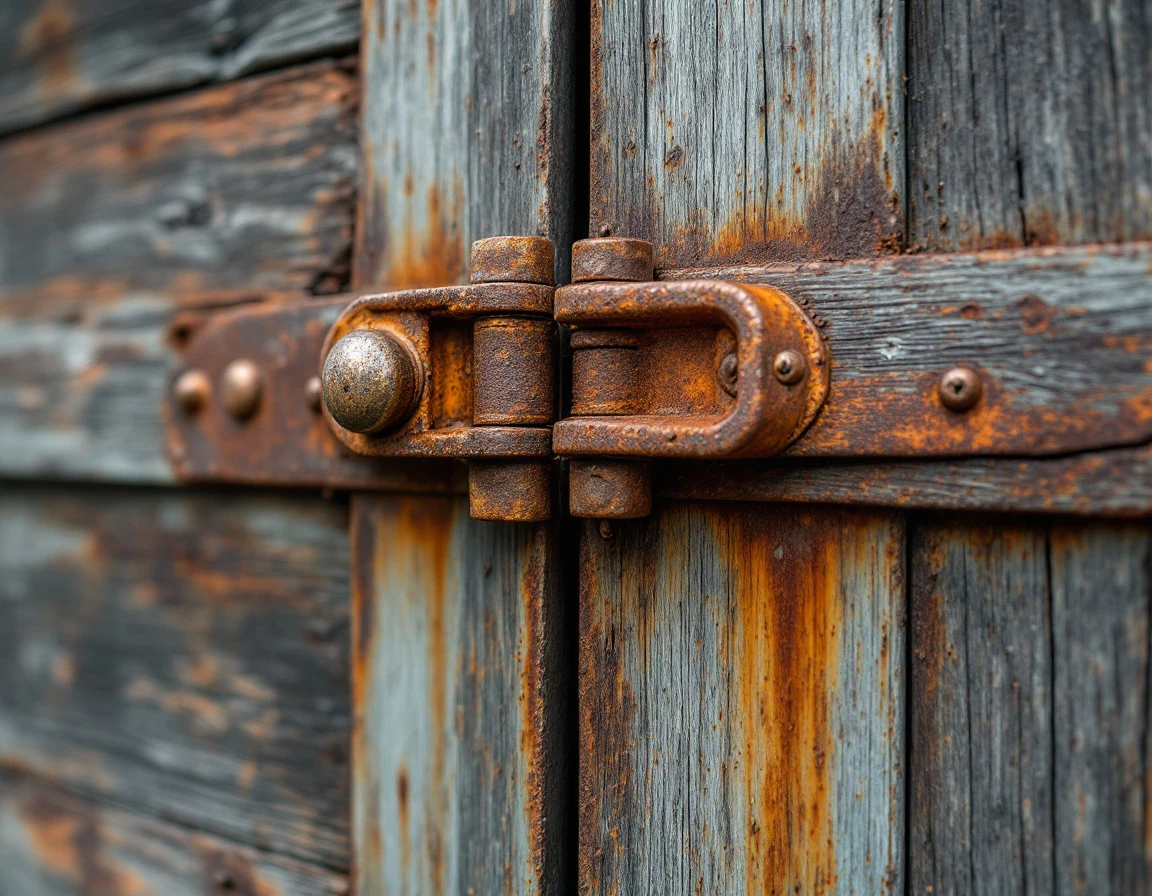
Wood Frame Moisture Damage Assessment
Long-Bell Lumber era frames remain vulnerable where Longview’s 40–50 inches of annual rain infiltrates wood grain at joints and threshold contact points. Water trapped in these vulnerable areas accelerates fungal growth, creating the soft spots and darkening discoloration that signal active wood rot. Longview wood frame garage moisture damage progresses silently until structural failure becomes inevitable.
Perform a tactile inspection by pressing a flat-head screwdriver into suspected areas—frame corners, door thresholds, and any visibly darkened sections. Healthy wood resists pressure; rotted wood feels spongy and allows the screwdriver to penetrate easily. Watch for color changes: darkening wood indicates moisture retention and fungal activity already underway.
Catching these early symptoms prevents the structural damage that requires complete frame replacement. Moisture control measures applied now stop rot progression before it compromises the entire frame structure.
Professional moisture control guidance means your preservation efforts address the root causes of deterioration.
Hardware Restoration vs. Replacement
Period-appropriate vintage hardware garage restoration on Long-Bell era structures—strap hinges, barrel bolts, spring latches—preserves both historic character and the structural fit that early carpenters calibrated to specific door weights and framing dimensions. Cosmetic rust and minor surface corrosion respond well to wire brushing followed by period-correct finishes like linseed oil or shellac-based primers that match original treatments.
When do you need professional help instead of DIY cleaning? Broken spring mechanisms, severely compromised hinge barrels that affect door alignment, or cracks in cast-iron components signal structural failure requiring specialist consultation. Salvage yards near the Columbia River industrial corridor sometimes carry vintage-matching parts. But modern galvanized replacements engineered to original specifications offer reliable alternatives when authenticity isn’t paramount. If hardware failure creates safety hazards—doors that fall unexpectedly or won’t secure properly—contact professionals who understand both structural integrity and historic preservation standards.
September Re-Check and Fall Preparation
If June marks the first critical intervention point in your annual garage maintenance calendar, September completes the moisture-prevention cycle. Summer humidity in the Longview-Kelso area — though milder than winter’s deluge — stresses the gaskets, seals, and protective coatings you applied three months earlier. A thorough September inspection catches degradation before the region’s 40–50 inches of winter rainfall arrives.
- Start with visual seal inspection around door frames, windows, and any penetrations you weatherproofed in June. Look for cracks, peeling, or gaps where water can enter. Summer temperature fluctuations cause caulk and weatherstripping to expand and contract, sometimes breaking the protective barrier you established earlier.
- Next, touch up hardware with rust-preventive coatings. Check hinges, track brackets, and vintage hardware for early corrosion spots that appeared during humid summer months. Apply period-appropriate finishes like boiled linseed oil or modern equivalents before wet weather intensifies.
- Finally, assess interior moisture conditions. Walk into your detached garage and check for musty odors or condensation on walls — both signal trapped moisture that will worsen through fall and winter. Test door operation to confirm smooth movement; binding or sticking often indicates wood swelling from moisture absorption.
These two seasonal check-ins — June before humidity peaks, September before winter rains — represent the core effort to extend your Long-Bell era garage lifespan by a decade or more. Each inspection takes less than two hours but prevents the structural damage that forces premature replacement.
When to Call a Historic Garage Specialist
Some moisture and rust challenges exceed DIY solutions. If you notice structural rust affecting springs, frame fasteners, or door hinges that compromises alignment or safety, professional evaluation becomes necessary rather than optional. These aren’t cosmetic issues—they’re mechanical failures that require expert diagnosis.
When wood rot spreads from isolated spots across your garage frame, or when moisture damage reaches the foundation or interior walls, you’ve moved past preventive maintenance into structural repair territory. A brief inspection typically costs less than continuing deterioration, while full structural assessments provide detailed roadmaps for preservation.
Period-appropriate repair decisions often require specialists who understand Long-Bell Lumber construction methods and can source matching materials. Historic preservation experts familiar with 1920s planned-city architecture can distinguish between authentic restoration and cosmetic fixes that compromise structural integrity.
Professional intervention preserves your garage’s lifespan and historic character far better than neglect or incorrect repairs. Contact Garage Harmony today to connect with specialists who understand Longview’s industrial heritage and can protect your investment for another generation.