Why November Winterization Matters in Portland
Portland’s first hard freeze can arrive suddenly, catching unprepared garages vulnerable to freeze-related damage and costly system failures that proper November winterization prevents.
Portland’s freeze season typically begins
In the Portland area, freezing temperatures typically arrive in mid-November, when nighttime lows drop below 32°F. This marks the beginning of a season that can last through early March, bringing multiple freeze cycles that stress garage systems and materials.
Garages that haven’t been winterized face real risks during these cold snaps. Garage door openers strain against cold-stiffened lubricants. Metal components contract and warp, weatherstripping becomes brittle and cracks, and any exposed pipes can freeze and burst. Stored paints, chemicals, and equipment may also be damaged by repeated freeze-thaw cycles, leading to costly replacements.
Early November is the critical window
Early November offers a narrow but essential window before the first hard freeze typically arrives in the Portland area. Once temperatures plunge and ice forms, many winterization tasks become difficult or impossible to complete safely. This two-to-three-week period gives you time to inspect, repair, and protect your garage systems while conditions remain manageable.
Preventive winterization costs far less than emergency repair bills in December or January. A few hours spent weatherproofing and checking mechanical systems now can help you avoid expensive service calls during the coldest weeks of winter when technicians are booked solid and parts may be harder to source.
Quick Tasks: Under 30 Minutes
Before you tackle deeper winterization projects, start with these fast-win tasks that form your essential baseline defense against freeze damage. Each takes less than 10 minutes and requires minimal tools—but together, they catch the most common winter failure points.
- Clear your garage door tracks. Run your finger along the inside of both tracks to feel for debris, hardened grease, or old lubricant buildup. You’ll see if the track is clean when your finger comes away without sticky residue. Use a dry cloth to wipe away gunk, then test the door’s movement—it should glide smoothly without catching.
- Test your garage door’s safety systems. Pull the manual release cord and lift the door halfway. Does it stay put, or does it slam down or shoot up? A balanced door holds its position. Next, test the auto-reverse by placing a 2×4 flat under the closing door—it should reverse immediately on contact. Finally, wave your hand between the photo-eye sensors near the floor. The door should stop and reverse instantly.
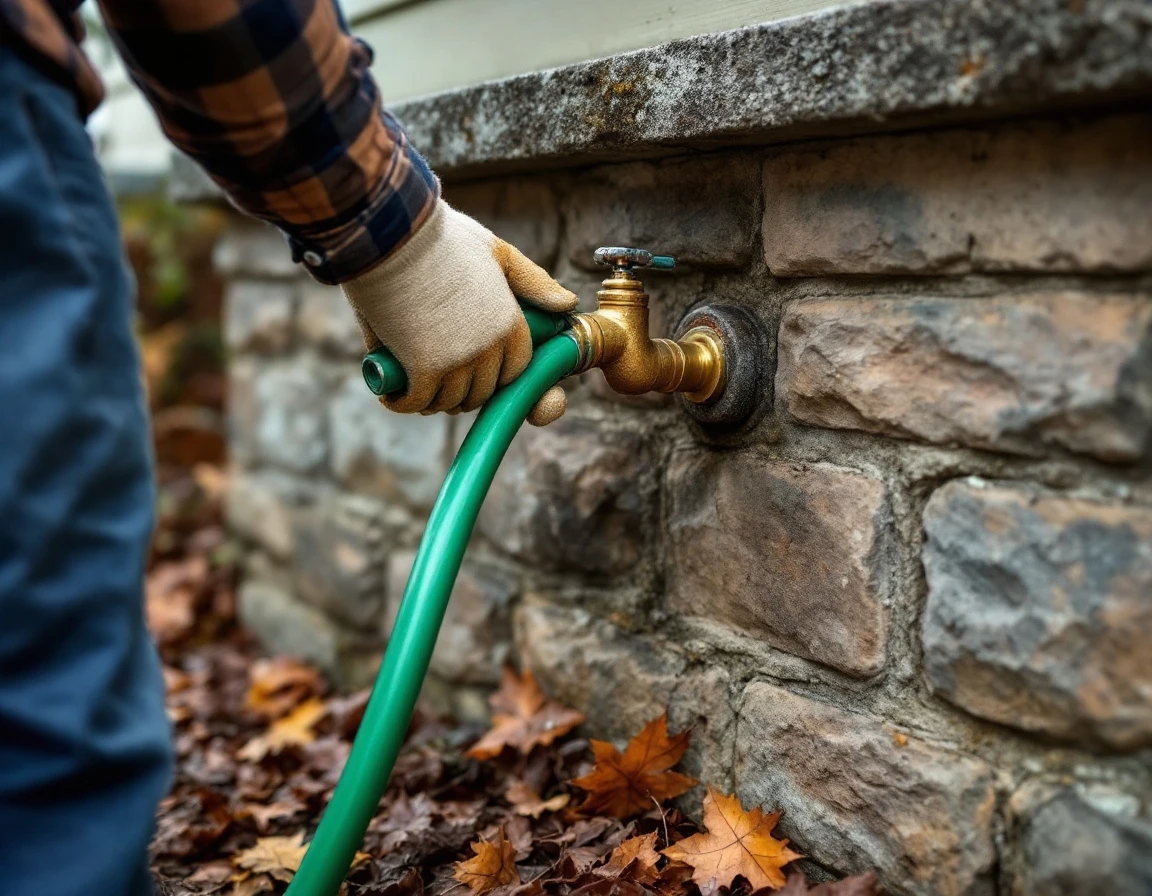
- Disconnect outdoor water sources. Walk outside and disconnect any hoses connected to garage spigots. Look inside for exposed pipes along exterior walls—feel them for coldness. If pipes run through uninsulated areas, you’ve identified a freeze risk that needs attention.
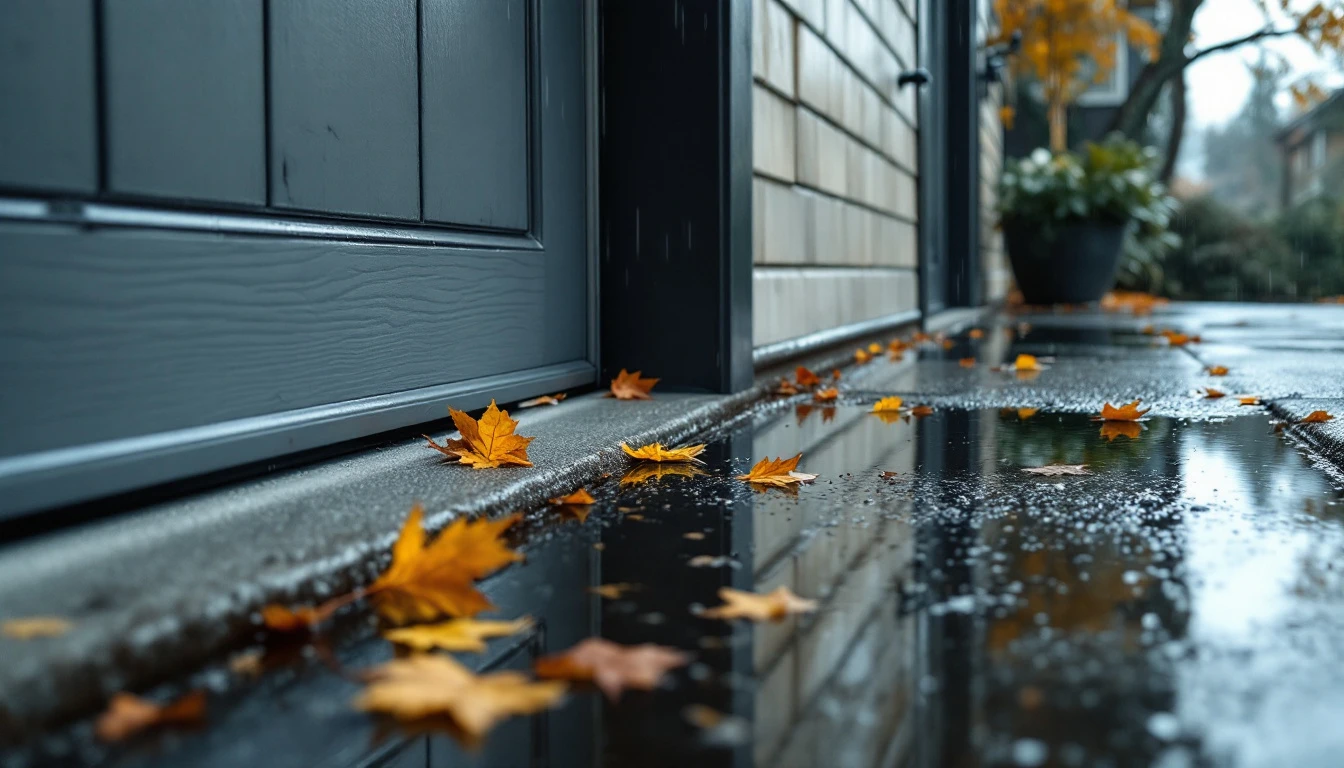
- Inspect weather seals and door panels. Close your garage door and walk the perimeter, looking for daylight gaps or worn rubber seals. Run your hand along the bottom seal—it should be flexible, not cracked or brittle. Check door panel joints for separation or visible cracks that let cold air penetrate.
Medium Tasks: 30 Minutes to 2 Hours
Once you’ve handled the quick wins, it’s time to tackle weatherproofing and mechanical prep—tasks that take a bit more focus but deliver serious protection when temperatures drop. Cold weather makes materials contract, which causes seals to crack and gaps to widen. Lubricants thicken in freezing conditions, putting extra strain on moving parts. These medium-length tasks address both problems before the first freeze hits.
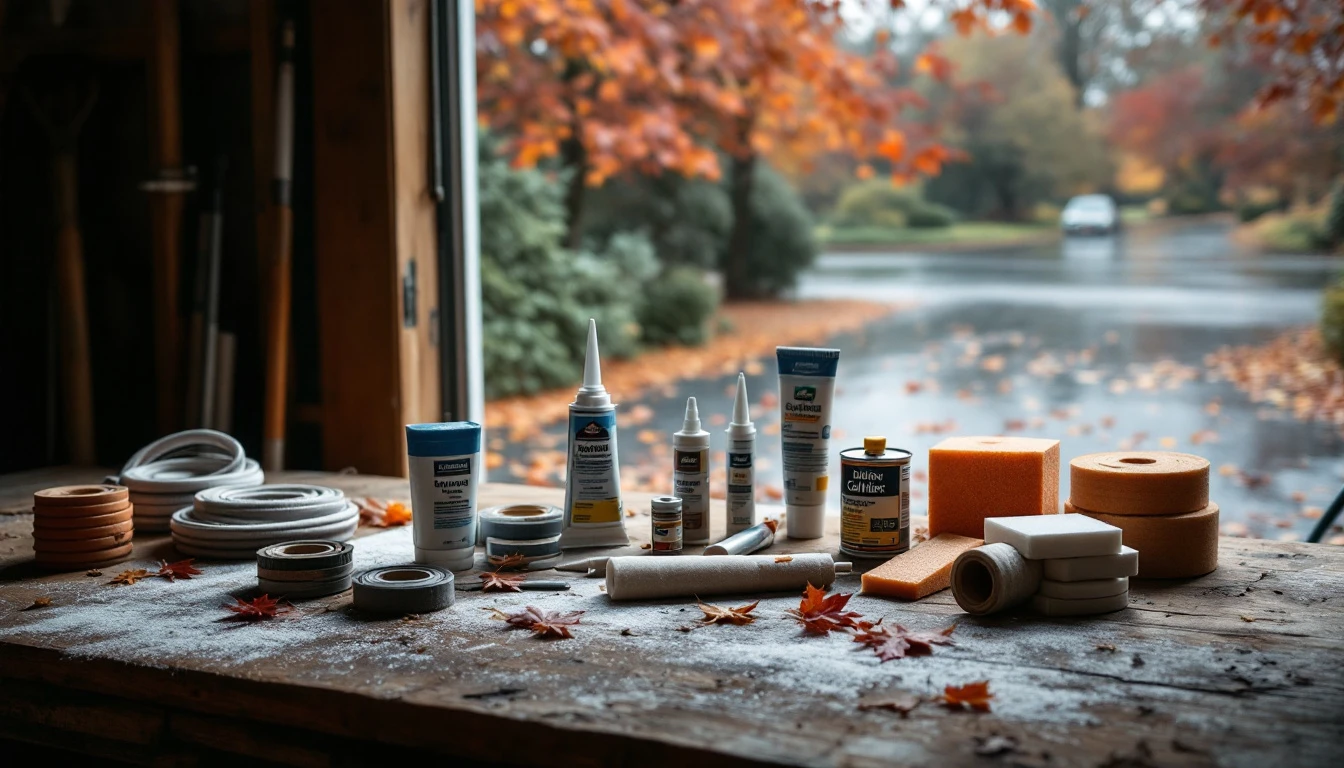
- Apply weatherstripping around door edges and bottom seals. Replace any cracked or compressed rubber with adhesive-backed foam or vinyl strips designed for garage doors. Fresh seals close thermal gaps that let cold air flow into your garage, protecting stored items and reducing heat loss if your garage connects to living spaces.
- Lubricate all moving components with cold-weather-safe products. Use silicone-based or lithium-based spray lubricants—never WD-40, which attracts dust and gums up in cold. Hit hinges, rollers, springs, tracks, and opener chain or belt mechanisms. If something feels stuck or won’t move smoothly after gentle effort, stop immediately and call a professional. Forcing frozen or damaged parts can cause expensive breakage.
- Caulk gaps around the door frame, panel joints, and service openings. Silicone caulk works better than acrylic for exterior applications because it stays flexible in freezing temperatures. Run a bead along the top and side trim where the frame meets siding, and seal any holes where cables or wires enter.
- Test your opener’s backup systems. Pull the manual release handle to confirm it disengages smoothly. If your opener has battery backup, verify the charge indicator shows green. A power outage during an ice storm shouldn’t trap you inside your garage.
Professional Tasks: Call a Specialist
Some winterization jobs fall into the “don’t even think about DIY” category. When cold temperatures arrive, certain garage door systems become safety-critical, and attempting repairs yourself can lead to serious injury or expensive damage. Knowing when to call a professional protects both you and your garage.
Spring inspection and tension adjustment tops the list of jobs that require professional expertise. Garage door springs store tremendous force, and worn springs become even more dangerous as cold weather reduces their flexibility. If you hear grinding noises when the door opens, notice the door feels noticeably heavier, or see visible gaps or stretching in the spring coils, call a specialist immediately. A spring failure during winter can leave your garage door inoperable—or worse, cause injury.
Opener motor and belt inspection should also go to a trained technician. Cold weather stresses aging motors and belts that might limp through summer but fail when temperatures drop. Professional diagnostics catch these problems before they strand you with a frozen, non-functioning garage door in January.
Do you see water pooling inside your garage near the door? That’s a red flag for drain line problems that need immediate professional attention. Ice formation from backing water can damage door components and create freeze-thaw cycles that worsen structural issues.
Finally, insulation installation or upgrades work best when handled by experts who understand proper R-values and vapor barriers for the Pacific Northwest climate. In the Portland metro area, Garage Harmony offers full winterization inspections and repairs….” Contact us today to schedule your professional service before the first hard freeze arrives.
Printable Winterization Checklist
Ready to tackle your garage winterization with confidence? Download and print this organized checklist to track your progress through November. Marking off completed tasks creates accountability and provides a maintenance record that can support insurance claims or boost resale value when you sell your home.
- Quick Tasks (Under 30 Minutes): Check garage door track alignment, test auto-reverse safety sensors, winterize outdoor faucets, inspect weatherstripping. Tools needed: flashlight, screwdriver, cleaning cloth. Space for completion date: ___________
- Medium Tasks (30 Minutes–2 Hours): Apply lubricant to moving parts, seal gaps with weatherstripping, install draft guards, clean and lubricate door hinges. Materials needed: silicone spray, weatherstripping tape, draft guards. Completion date: ___________
- Professional Tasks: Spring tension inspection, opener motor evaluation, drain line repairs, insulation installation. Contractor contact: ___________ Scheduled date: ___________
Post this checklist in your garage and aim to complete all items before November 15, when Portland’s first freeze typically arrives. Add notes for any issues requiring follow-up, and remember—these steps repeat annually to maintain freeze protection year after year.

Your Winter Ready Garage Starts Now
You now have everything you need to protect your Portland garage before the first hard freeze arrives. Early November winterization prevents expensive freeze-season emergencies—and with a clear timeline, you can tackle this without stress.
Complete quick tasks this week while the weather cooperates. Finish medium tasks by November 10 to stay ahead of temperature drops. Schedule professional tasks by November 15 so contractors can address concerns before demand spikes. This realistic schedule gives you breathing room without cutting things too close to the freeze window.
Bookmark the printable checklist for future years and refer to it throughout the season if new issues arise. Make annual winterization a standard November routine—your garage will thank you for it. Contact a Portland-area specialist if you encounter any uncertainty or damage during your inspections.
Want expert confirmation before the freeze arrives? Reach out to us today for a professional garage inspection. You’re now equipped to protect your garage and avoid costly winter repairs.