1920s Longview Garages & Moisture Risk
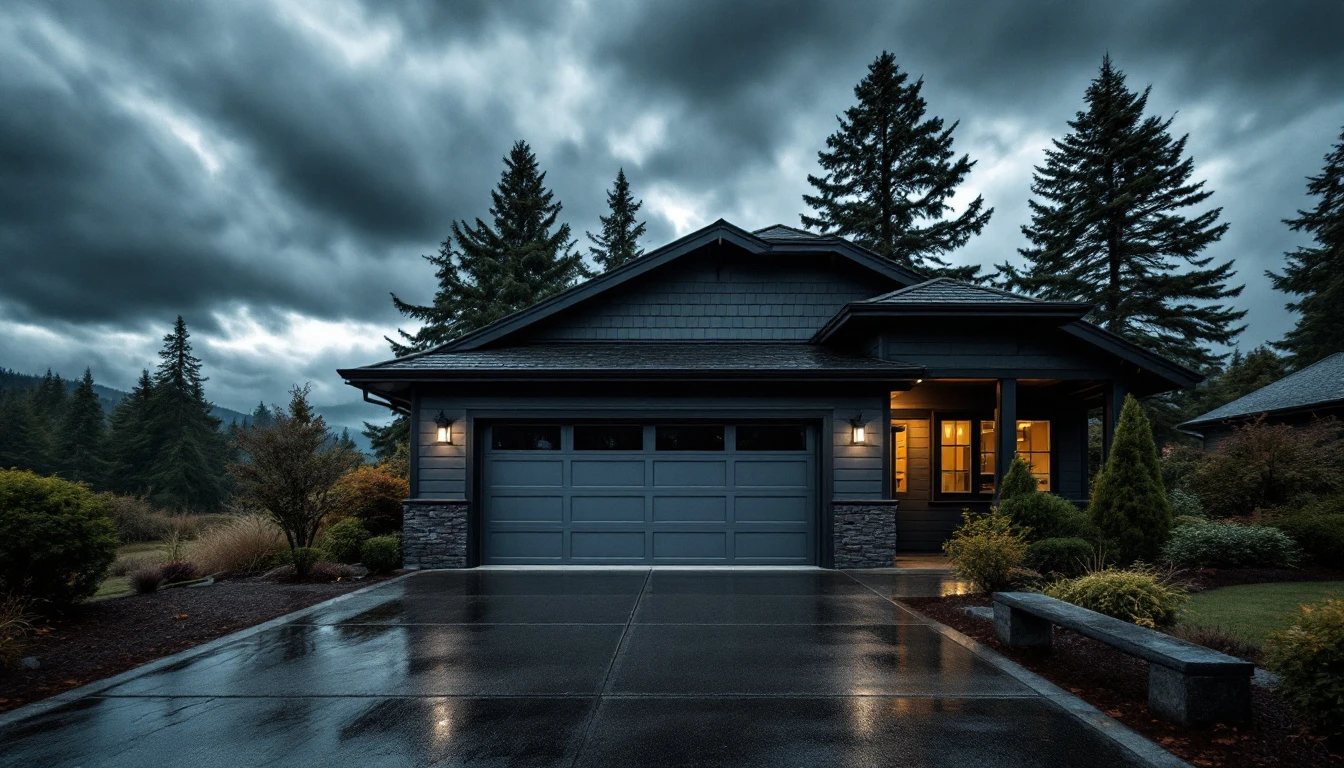
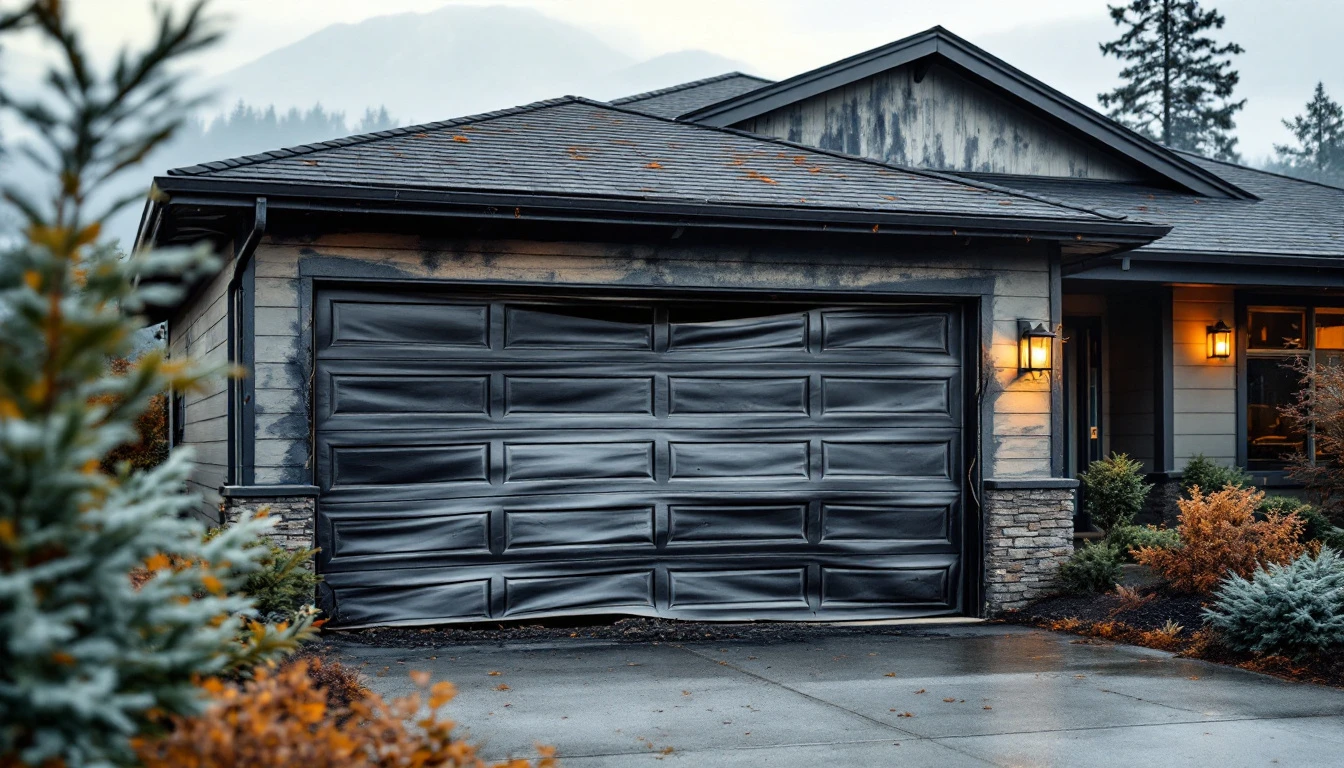
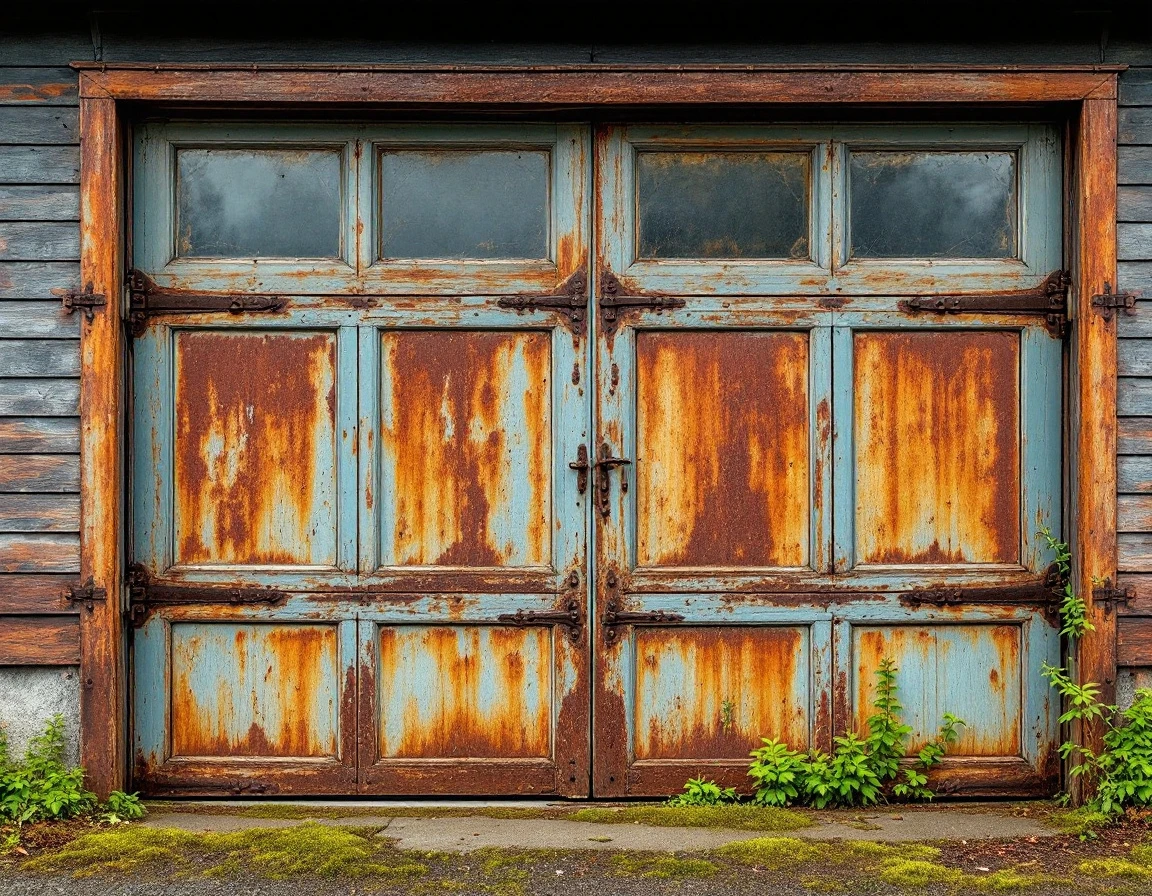
When the Long-Bell Lumber Company designed Longview in the 1920s, they built a planned city with distinctive detached garages that still stand in neighborhoods like Columbia Heights and the Highlands. These vintage structures feature original metal hardware—springs, tracks, hinges, and rollers—that face a unique challenge in the Pacific Northwest climate. Vintage garage door rust protection in Longview requires understanding how the region’s moisture conditions accelerate corrosion on uncoated steel components.
Longview receives 40 to 50 inches of rainfall annually, creating a persistently humid environment that accelerates corrosion on metal components. Unlike modern galvanized or powder-coated hardware, the original steel parts in 1920s garages lack protective coatings. Add in persistent fog from the nearby Columbia and Cowlitz Rivers, and you have ideal conditions for rust formation.
The moisture problem intensifies as summer progresses. While June offers relatively drier conditions, July brings peak humidity that speeds up oxidation on exposed metal surfaces. Rust doesn’t just cause unsightly orange stains—it weakens springs, binds tracks, and eventually causes complete hardware failure.
This creates a critical window for homeowners.
Taking preventive action in early summer, before July’s humid heat arrives, gives you the best chance to protect vintage garage door rust protection in your home.
The right moisture-control strategies can preserve original hardware that’s survived nearly a century, preventing expensive replacements down the road.
Vulnerable Metal Components Identification
Not all metal parts on your 1920s garage door face equal rust risk. The most vulnerable components include:
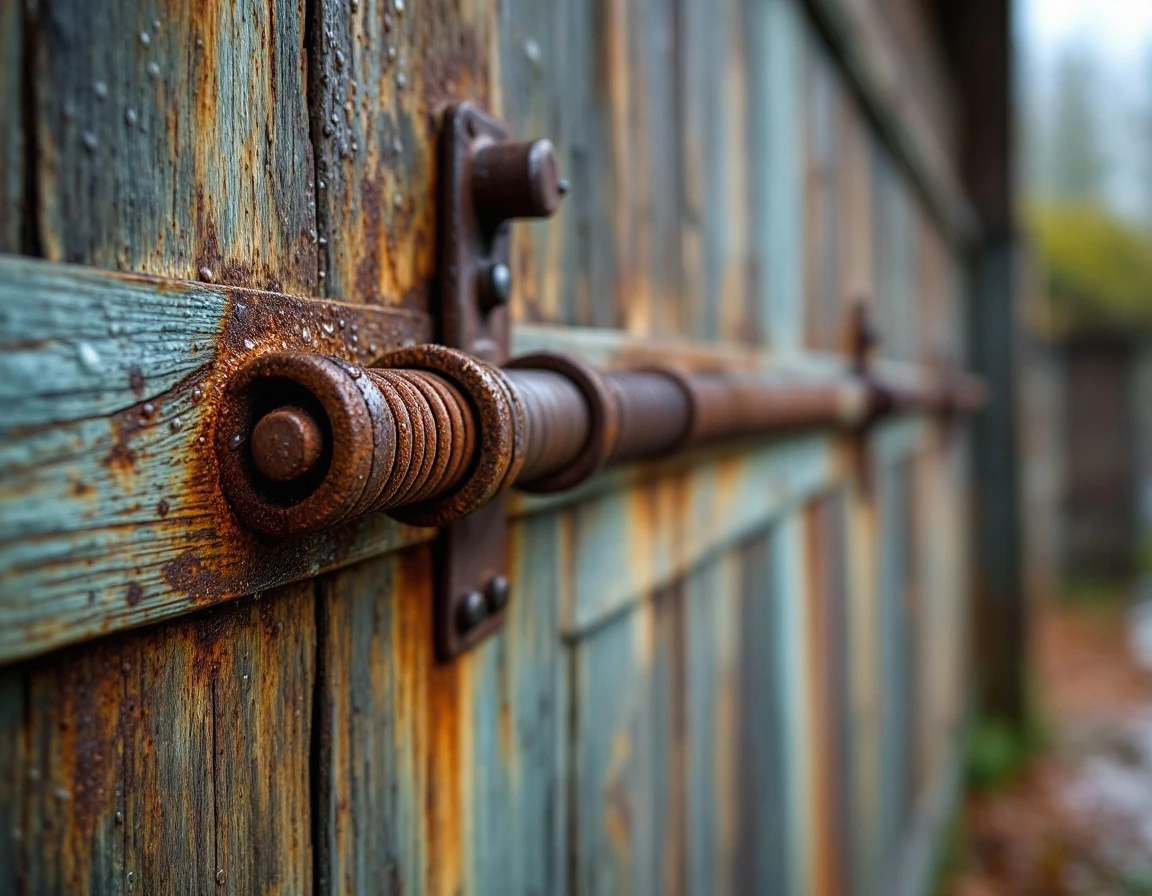
- Torsion springs — those thick, horizontal coils mounted above the door — corrode first because they remain under constant tension while exposed to humidity. When these fail, you’re looking at replacement costs between $200-400, making them the costliest repair on vintage doors.
- Extension springs hang vertically along door tracks and face similar vulnerability. Both spring types lose their original galvanized coating after decades of compression and expansion cycles, leaving bare metal exposed to Longview’s moisture-heavy air.
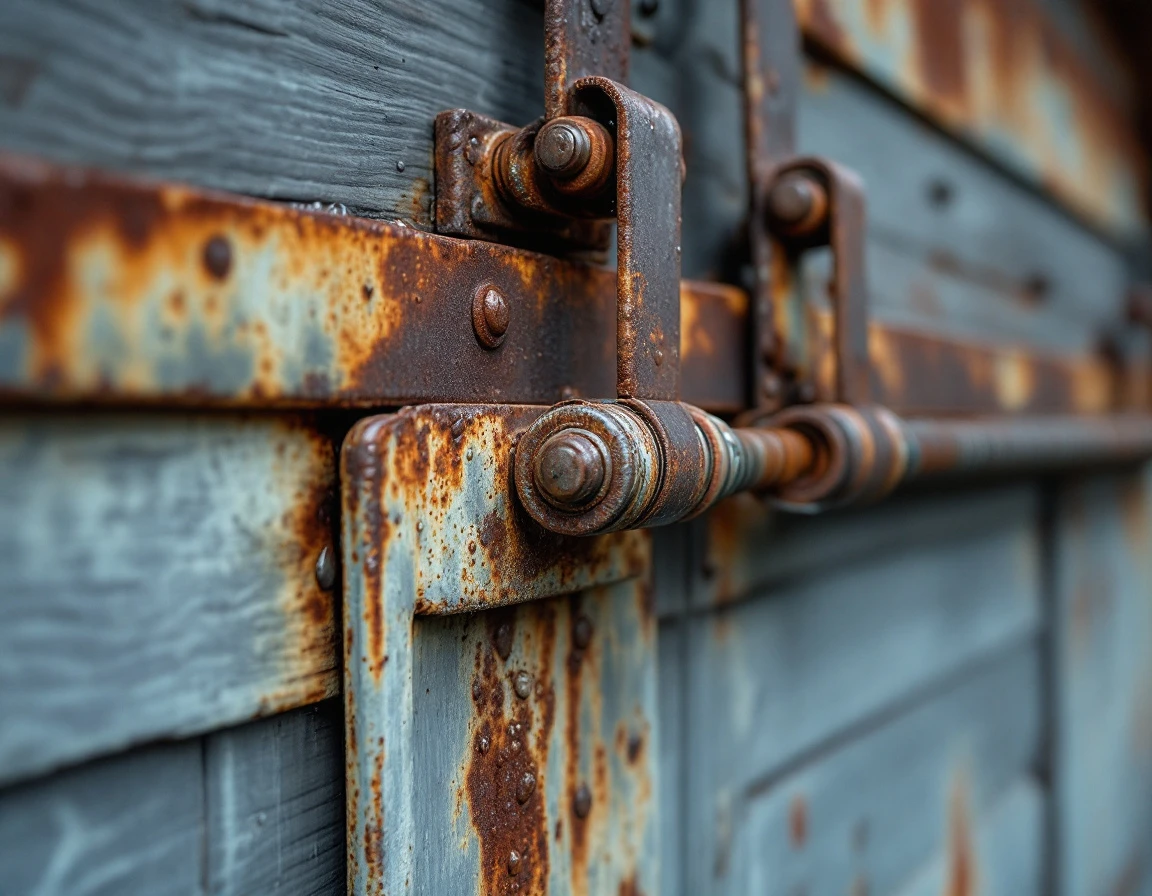
- Roller tracks and cast iron hinges trap water in their recesses, creating perfect conditions for rust pitting.
- Original fasteners — those hand-forged bolts and screws from the Long-Bell era — often show surface corrosion before structural damage appears elsewhere.
Walk through this quick inspection before June humidity arrives: Check spring coils for orange flaking. Run your finger along track channels for rough spots. Wiggle each hinge to test for play caused by corroded pins. This fifteen-minute assessment tells you exactly which prevention tasks deserve priority spending and attention.
Three Cost-Effective Prevention Strategies
June offers Longview homeowners a narrow window to protect vintage garage door rust protection before peak humidity arrives in July. These three strategies create moisture barriers, shield metal components, and improve airflow—all achievable with basic materials and a few hours of DIY work.
Strategy 1: Install Weather Barriers on Door Perimeter
Replacing worn weatherstripping along the sides and top of your garage door stops humid air from entering the space. Purchase vinyl or rubber weatherstripping designed for garage doors at most hardware stores. Remove the old stripping with a flat screwdriver, clean the channels with mineral spirits, and press the new material into place starting from the top corner. The bottom door seal—a rubber blade that contacts the floor—should compress about one inch when the door closes. This installation takes about 30 minutes and lasts three to five years before needing replacement.
Strategy 2: Apply Protective Coating to Metal Components
Spray lubricants with rust inhibitors create a protective film on springs, hinges, rollers, and tracks. Products like 3-IN-ONE or WD-40 Specialist Protective White Lithium Grease work well for this application. Wipe each component with a clean rag first, then apply a light coat to all metal surfaces, paying special attention to spring coils where moisture collects. This 45-minute task should be repeated twice yearly—once in early June and again in late September before fall rains return to the Columbia River valley.
Strategy 3: Improve Garage Ventilation and Drainage
Detached garages need air circulation to prevent moisture accumulation. Install passive vents near the roofline or add a small exhaust fan if your garage has electrical service. Around the door base, the ground should slope away from the opening and consider adding a shallow gravel trench to divert rainwater. These drainage improvements prevent standing water that accelerates rust on door tracks and bottom panels.
DIY vs. Professional Service Timeline
Can you handle how to prevent rust on garage door springs yourself? For weatherstripping installation, caulk sealing, and spray coating application—absolutely. These tasks require only basic tools and deliver real savings when you DIY instead of hiring a professional. Work through your hardware store on a Saturday morning and you’ll have protection in place before lunch.
Spring inspection and adjustment tell a different story, especially on Long-Bell era doors with original hardware. If you spotted surface rust or corrosion during your visual inspection, call in a professional. Garage Harmony technicians understand the tension mechanics of 1920s torsion springs and can safely assess whether adjustment or replacement makes sense. A professional assessment runs $75-150—far less than the $300+ spring replacement you’ll face if a corroded spring snaps mid-summer.
Your June action timeline looks like this: complete DIY weatherstripping and coating by mid-June while professionals still have open schedules. Book your spring inspection for late June, before July humidity arrives and service calls spike.
This timing matters because pros have availability now, humidity hasn’t peaked yet, and you’re still in preventive mode rather than emergency repair territory come August.
Monitoring & Summer Maintenance Checklist
Prevention strategies only work if you verify they’re holding the line against moisture. Set up a simple monitoring routine now, while the weather cooperates, to catch problems before they become expensive.
Your monitoring routine should include:
- Weekly visual inspections that take five minutes: walk into your garage and look for new rust spots on springs and tracks, check for water pooling near the door threshold, and test whether the door binds during operation. These quick checks cost nothing but catch moisture intrusion early.
- Monthly touch-ups that maintain your protection layer. Reapply spray lubricant or protective coating to exposed springs and track sections, especially after Longview’s frequent summer rain showers. Post-rain inspections matter more for detached garages, where roof leaks or foundation seepage often go unnoticed until rust appears.
Take photos of your springs and hardware in June to document their condition. Compare these images in August—if you see deterioration despite your prevention work, professional inspection costs less now than emergency spring replacement in September when humidity peaks and corrosion accelerates. Monitoring is cheap insurance that protects your $200 prevention investment.
When to Call a Professional Spring Expert
While the prevention strategies in this guide protect healthy garage door hardware from rust damage, some warning signs indicate that professional replacement is already necessary. If your June inspection reveals heavy rust on torsion springs—particularly flaking, pitted metal or visible cracks in the coating—these springs are approaching failure and need immediate professional replacement. Don’t wait until July humidity accelerates the corrosion.
Watch for performance issues that signal spring tension loss: doors that pull to one side during opening, uneven lifting motion, or difficulty staying in the raised position. These symptoms often accompany hidden spring corrosion that only trained technicians can properly diagnose. Similarly, if you notice rust spreading to fasteners, hinge joints, or mounting brackets. The structural integrity of your 1920s door system may be compromised beyond DIY prevention.
Longview professionals who specialize in historic garage doors can assess your specific situation and schedule spring replacement before the July-August backlog hits.
Prevention stops new rust from forming on healthy components, but heavily corroded springs require professional intervention to avoid mid-summer failure.
This isn’t a sales pitch—it’s a safety boundary.