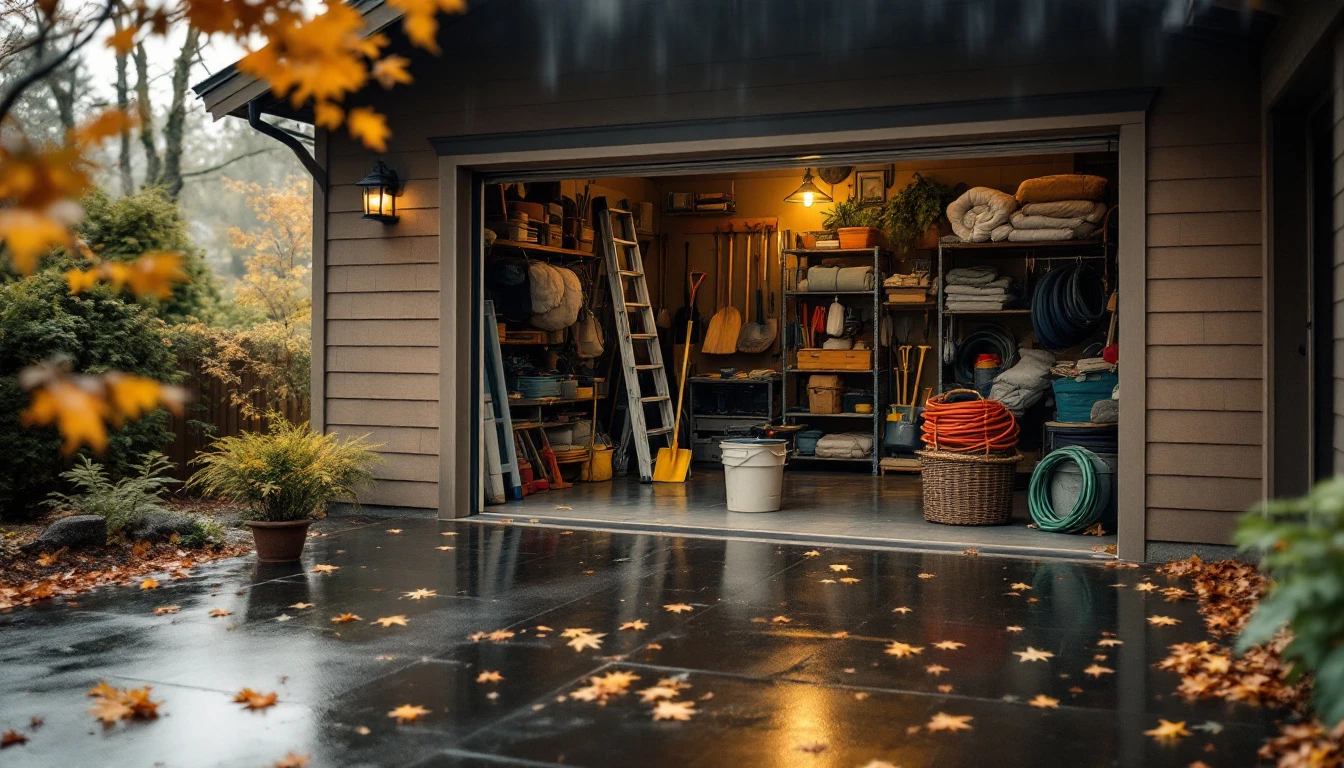
Winterize Garage Before Freeze in Portland Metro
What happens when temperatures drop below 32°F and moisture trapped in your garage door system begins to freeze? Water expands as it turns to ice, and that expansion can crack seals, warp door panels, snap frozen springs, and damage opener mechanisms. In the Portland metro area, freeze cycles typically arrive in November and persist through March, creating repeated stress on every mechanical component in your garage. To winterize garage before freeze arrives, you need to act now—during October, before the rush.
The financial stakes are real. When homeowners skip preventive maintenance, emergency freeze damage repairs often run between $5,000 and $15,000—covering everything from replacement door panels to new opener systems. The most vulnerable components include door tracks where condensation collects, weather seals that become brittle and tear, mechanical parts with moving joints, and any water lines running through or near the garage space.
October represents your critical preparation window. By completing winterization before the first hard freeze, you avoid the November rush when repair companies face backlogs and emergency service premiums kick in. Waiting until cold weather arrives means competing for limited contractor availability and paying premium rates for urgent fixes that could have been prevented weeks earlier.
Pre-Freeze Inspection Checklist
Grab a flashlight and a notepad—this October inspection takes about 30 minutes and can save you thousands in emergency repairs. Start by examining your garage door tracks for debris buildup, rust stains, or dents from previous freeze cycles. Ice expansion can warp metal tracks, creating friction points that strain your opener motor. If you spot rust or visible misalignment, call a professional; minor debris you can clear yourself with a damp cloth.
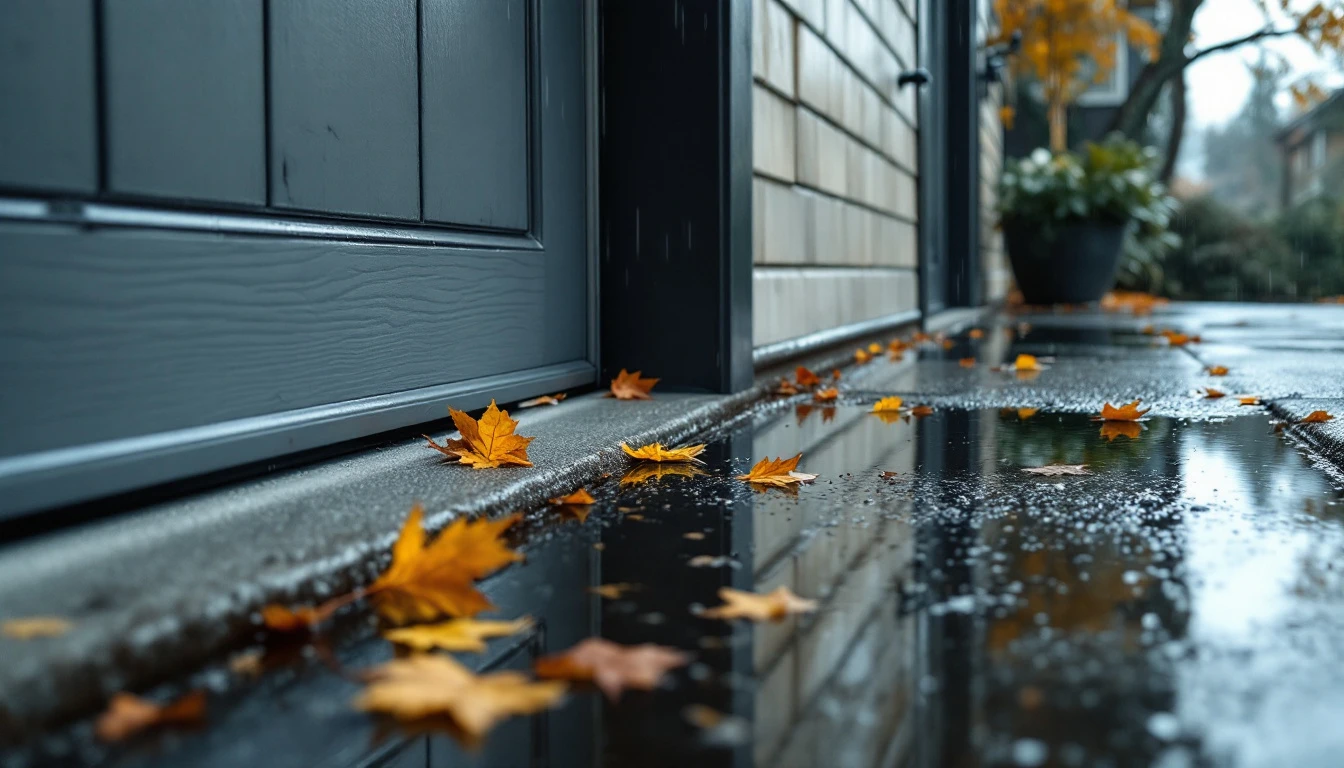
Next, inspect the weatherstripping and seals around your door perimeter and frame. Run your hand along the rubber gaskets, feeling for cracks, brittleness, or gaps. Even a quarter-inch gap allows moisture inside, which then freezes and expands, forcing the door out of alignment. If the seal feels stiff or shows visible cracks, replacement is a simple DIY project with adhesive-backed strips from any hardware store.
Test your door manually and via the opener. Disconnect the opener and lift the door halfway—it should stay put without drifting. If it drops or feels uneven, your springs may need adjustment. Reconnect the opener and watch for jerky movement or grinding sounds, which indicate alignment problems that will worsen under freeze stress.
Finally, examine springs, cables, and rollers for rust or corrosion. Orange rust stains on springs or frayed cable strands mean components are weakened and vulnerable to sudden failure when cold temperatures add extra strain. Worn rollers will show flat spots or rough edges. Spring and cable issues require professional attention—these components are under extreme tension and pose safety risks.

DIY Winterization Tasks
Ready to prepare garage for winter freeze? Three high-impact tasks can be completed in a single weekend, and they’re the most cost-effective interventions available:
- Start by cleaning your tracks and rollers with a wire brush to remove debris and grime that traps water. Once clean, apply a cold-weather garage door lubricant—standard oils thicken in freezing temperatures, but winter-grade formulas stay fluid. Clean tracks prevent water from pooling and freezing overnight, which can warp metal components.
- Inspect and replace weatherstripping along door edges and the frame. Look for cracks, gaps, or compression damage. Adhesive-backed weatherstripping offers the easiest installation—just peel and stick. New seals stop moisture infiltration that causes ice buildup on moving parts and prevents freeze-thaw damage to door panels.
- Address drainage. Apply weatherproof sealant to visible cracks in concrete floors or door panels where water collects. Drain any standing water near doors and your foundation. Ice expansion in these areas creates pressure that damages door frames and foundation integrity. Complete these tasks before November to avoid emergency repairs.
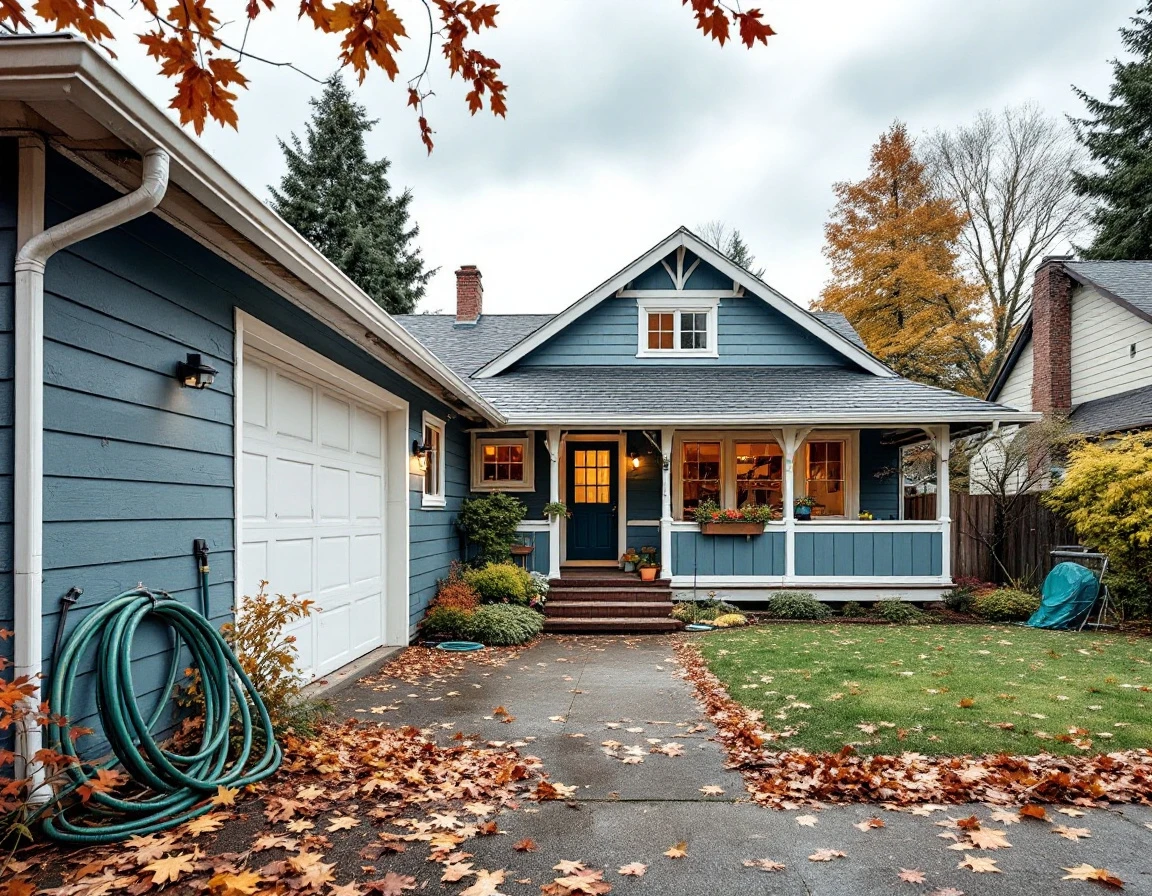
Professional Tasks Before Freeze
Some winterization work requires specialized expertise and equipment. Spring and cable inspection tops this list—springs hold extreme tension and require calibrated tools to diagnose wear safely. Attempting DIY spring replacement puts you at risk of serious injury and often voids manufacturer warranties.
Opener mechanism servicing and bearing replacement prevent mid-winter breakdowns, but most homeowners lack the diagnostic tools to identify failing motors or misaligned drive gears. Professionals can spot issues like worn trolley assemblies or capacitor degradation that cause December failures.
Call a pro if springs show rust or fraying, if the door opens unevenly or struggles to lift, or if your opener is over ten years old.
Professional alignment checks catch track misalignment that leads to freeze-stress cracking when ice adds lateral pressure.
Timing matters. Most garage door professionals in the Portland area book up by mid-October, and deep insulation or weather sealing upgrades take one to two days to complete properly. Schedule now to finish before early November freezes arrive. Contact us today to reserve your October appointment.
October Timeline and Scheduling
Portland homeowners face a hard deadline: the first freeze typically arrives in late November, which means all major winterization work must finish by Halloween. Here’s your week-by-week framework to stay ahead of the weather—and the contractor rush.
- Early October (Week 1-2): Schedule professional inspections now. Book your appointments at least two weeks ahead, as contractors’ calendars fill rapidly as October progresses. This is when you’ll identify which tasks require expert help and which you can tackle yourself.
- Mid-October (Week 3): Complete your DIY tasks during a weekend—cleaning tracks, replacing weatherstripping, and managing drainage. Any professional work you scheduled should be finished by October 25 at the latest. Waiting beyond this date puts you at risk of scheduling conflicts and rush fees.
- Late October (Week 4): Conduct your final walkthrough. Test door operation through several complete cycles, verify all weatherstripping seals properly, and confirm drainage channels are clear. By Halloween, your garage should be fully winter-ready.
This three-week buffer before the freeze arrives protects you from becoming a distressed customer scrambling for emergency service in November—when rates spike and availability vanishes. Stick to this schedule, and you’ll enter winter with confidence rather than crisis.
Common Portland Freeze Damage Prevention
Portland’s freeze-thaw cycles create four specific failure modes in garage door systems—and each one can be prevented with the garage freeze damage prevention checklist tasks you’ve already learned. Understanding the cause-and-effect relationship between weather conditions and mechanical failures shows you exactly why early action matters.
Ice in tracks is the most common culprit. When water sits in the horizontal track sections and freezes overnight, it expands with tremendous force—enough to warp metal tracks or jam rollers completely. That’s why cleaning tracks and verifying drainage is your first winterization checklist step. Portland’s concrete garage floors often slope toward the door, directing water straight into track channels if weatherstripping fails.
Stuck openers happen when standard lubricants thicken in temperatures below freezing. Your opener motor strains against cold, stiff grease on the chain or screw drive, causing premature wear or complete failure. Cold-weather lubricant formulas stay fluid down to -20°F. Which is why switching products in October protects your opener through winter.
Cracked panels and seals result from Portland’s repeated freeze-thaw pattern. Water seeps into tiny cracks in composite or steel door panels, freezes, expands, and creates larger splits. Bottom seals develop the same stress fractures. Finding and reinforcing weak spots now—before water penetrates—prevents panel replacement later.
Water intrusion damage extends beyond the door itself. Once water breaches weatherstripping, it causes rust on metal tracks, mold on drywall, and wood rot in door frames. Weatherstripping replacement is your primary defense against this cascading damage pattern.

Printable Checklist and Next Steps
You now have everything you need to protect your garage door system before Portland’s first hard freeze arrives. Use the winterization checklist provided throughout this guide to track your progress—print it out, save it to your phone, or pin it to your garage wall. Check off each inspection point, DIY task, and professional service as you complete them during October.
If you’ve never winterized your garage door before or if you noticed rust, damaged springs, or misalignment during your inspection, schedule a professional inspection by October 5. Set reminders for mid-October to complete your DIY work—track cleaning, lubrication, and weatherstripping replacement—and another for late October to walk through your final inspection before freeze conditions arrive.
Not sure whether those door seals need replacement or if that track alignment is safe? Book a professional winterization audit with Garage Harmony. Our team can complete a thorough pre-freeze inspection, address any issues we find, and discuss professional winterization packages built to prevent freeze damage.
Homeowners who complete this winterization checklist enter winter with confidence. You’ll avoid the stress of emergency service calls, the premium rates contractors charge during freeze events, and the thousands of dollars in freeze damage repairs.
Contact us today to schedule your pre-winter garage door inspection.