Canby’s Flood Risk & Detached Garages
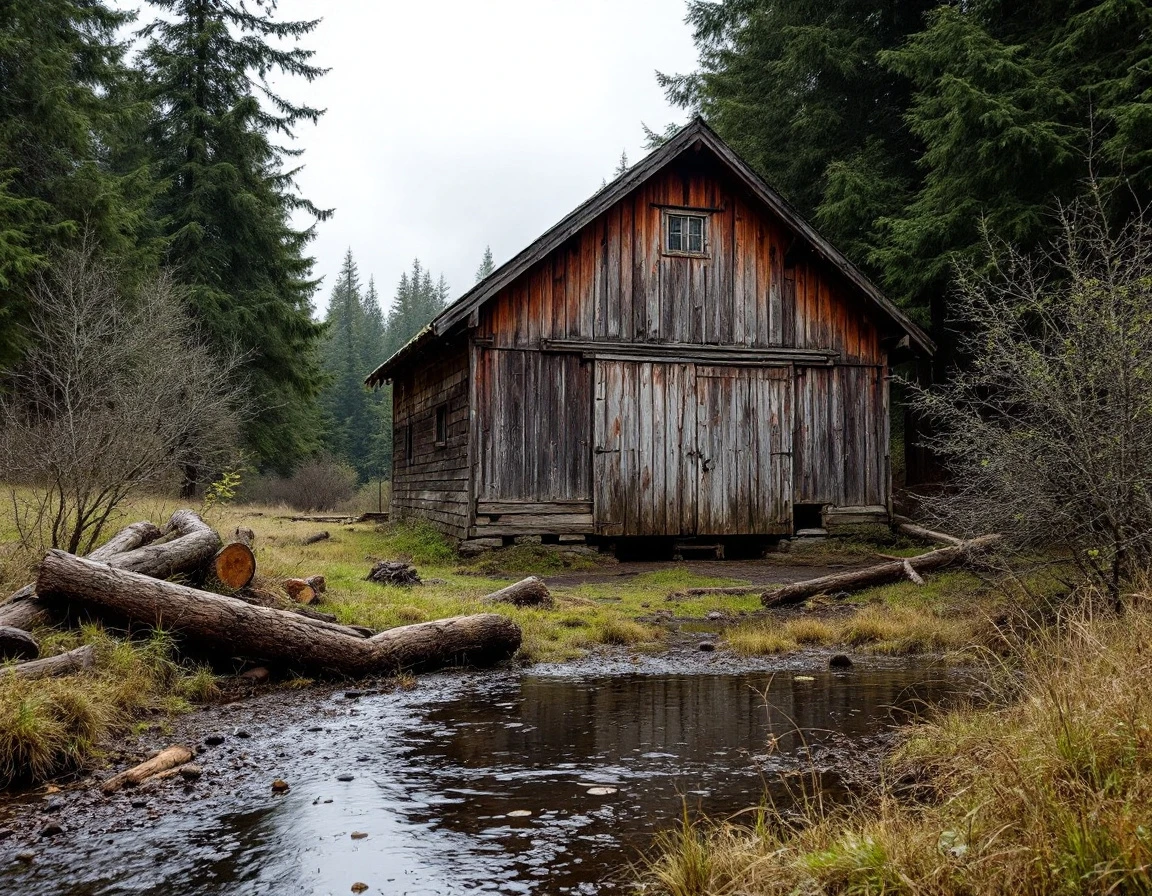
Canby sits at a unique crossroads where agricultural heritage meets suburban growth, creating a patchwork of property types across the community. Many older farmhouses feature detached garages on larger lots, positioned at foundation level with minimal clearance beneath door frames. This configuration made sense for farm equipment decades ago, but it creates vulnerability during Pacific Northwest spring flooding.
The Clackamas River reaches its seasonal peak between late May and June, fed by heavy rains and snowmelt cascading down from higher elevations. When these two water sources converge, Canby’s low-lying properties face improved risk. Detached garages become prime targets because they lack the drainage infrastructure that newer attached garages often include during construction.
Older farmhouse garages present the greatest concern. Their foundation-level placement means water flows directly toward door seals rather than away from the structure. Worn weatherstripping and aging threshold seals offer little resistance when runoff accumulates during sustained spring storms. What starts as minor seepage under the door can quickly become standing water that damages stored equipment, tools, and seasonal items you’ve kept in your garage for years.
Garage Door Seals & Weatherstripping
The bottom seal and perimeter weatherstripping on your garage door form the first line of defense against water intrusion during Canby’s wet spring months. Even small gaps allow rain and snowmelt to seep inside.
Low-clearance older garage doors in Canby
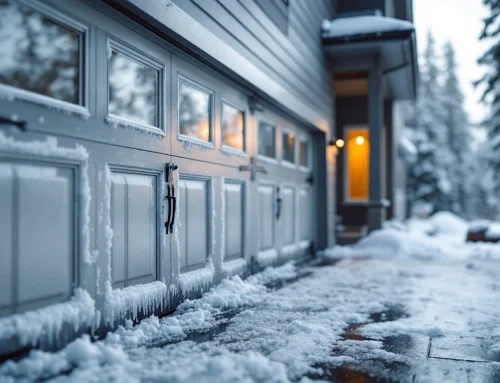
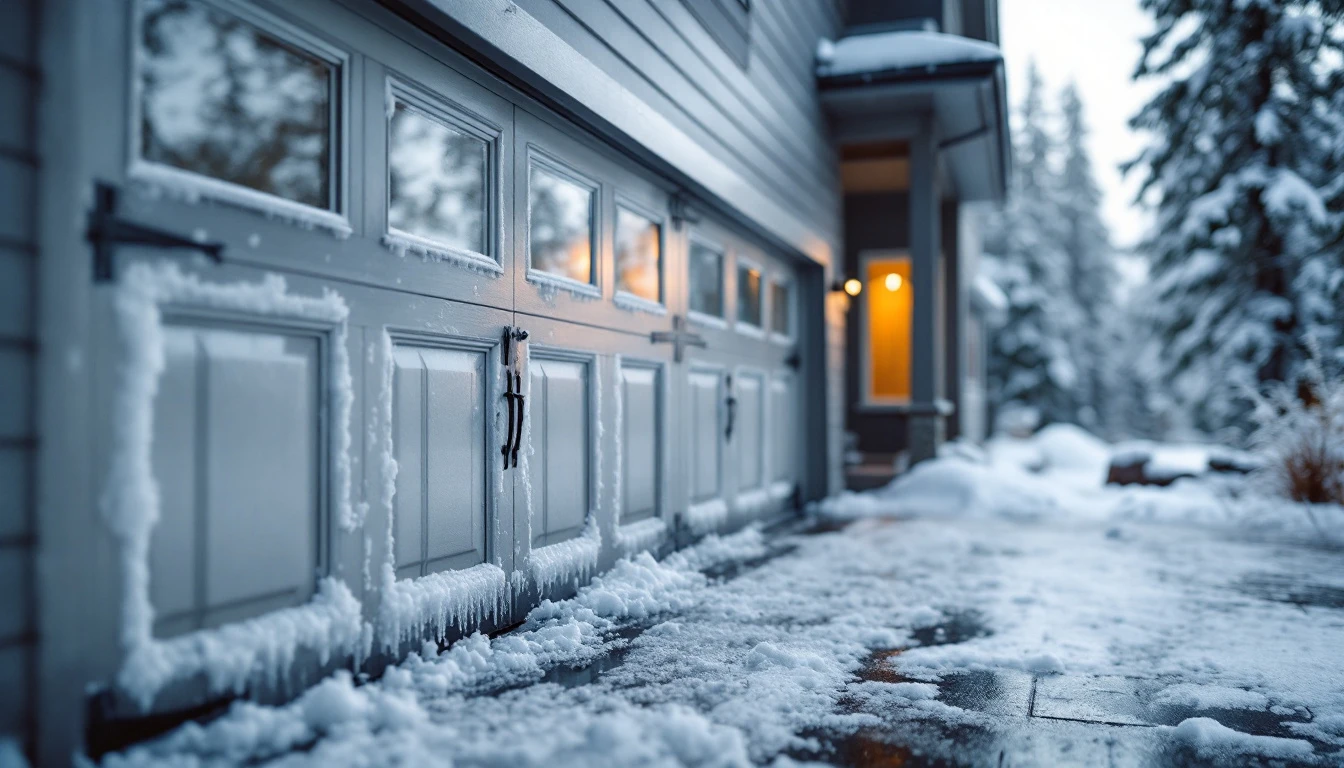
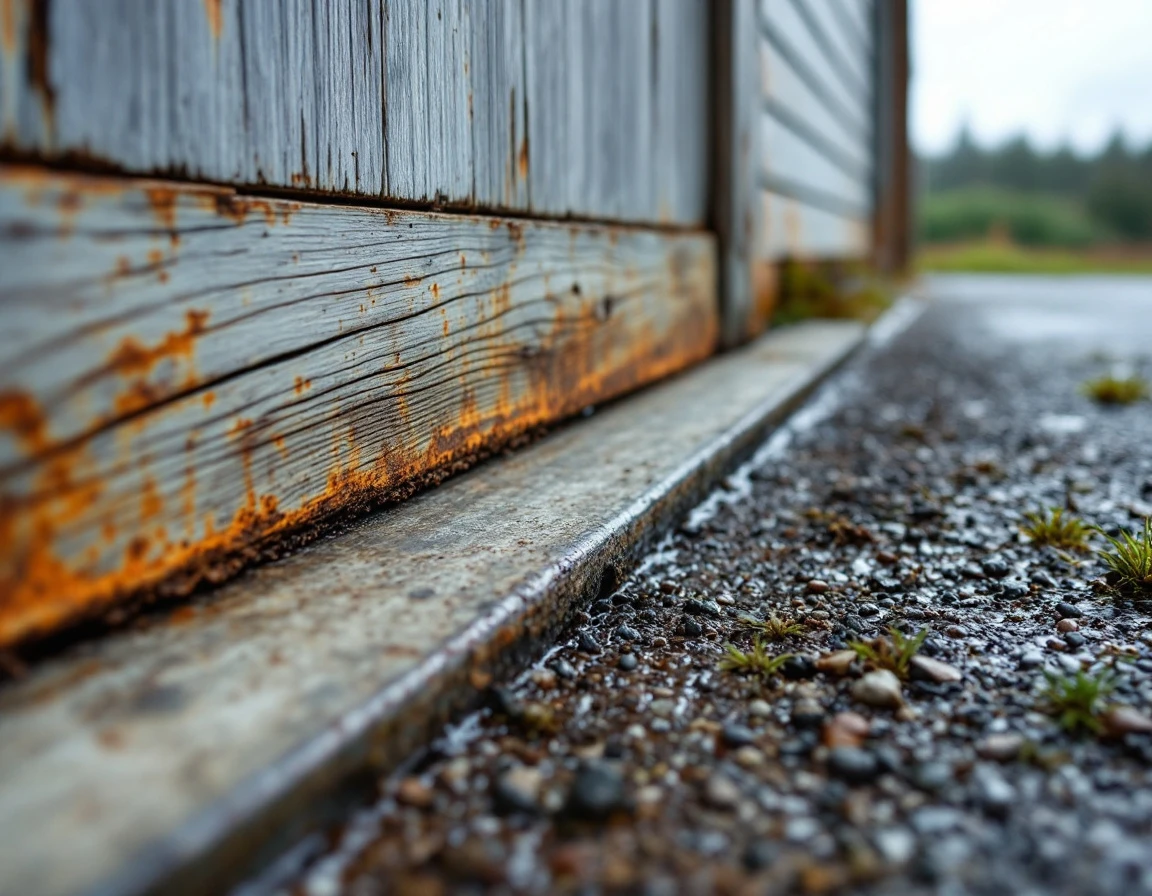
Many of Canby’s older farmhouse properties feature low-clearance garage doors that sit close to ground level, making them particularly vulnerable to water infiltration during spring flooding. The weatherstripping along the bottom edge of these doors often shows decades of wear, with rubber gasket seals cracking, compressing, or pulling away from the door entirely.
The Pacific Northwest’s wet climate accelerates the degradation of rubber seals. Constant exposure to rain, moisture from the ground, and freezing temperatures causes the material to lose its flexibility and sealing ability. Once these seals fail, water flows directly under the door during heavy rain or snowmelt events near the Clackamas River.
Replacing worn weatherstripping represents one of the most cost-effective preventive measures you can take. New rubber gasket seals create a tight barrier against water intrusion and typically cost a fraction of what you’d spend repairing flood damage to stored items or garage floor systems.
Product selection: EPDM rubber seals
For Canby’s older farmhouse garages, three weatherstripping materials stand out:
- EPDM rubber seals resist water damage and temperature swings better than standard vinyl, making them ideal for detached garages exposed to Pacific Northwest rain.
- Silicone-based bottom seals create a flexible barrier that conforms to uneven concrete floors common in vintage structures, preventing water from creeping underneath doors during heavy storms.
- Magnetic gaskets work particularly well on older door frames where gaps have widened over decades. These seals use embedded magnets to pull tight against metal door edges, compensating for warping and settling that plague farmhouse properties.
Should you tackle replacement yourself or hire professionals? DIY installation works for simple bottom seals, but professionals deliver superior results proper sizing and adhesion for side and top weatherstripping.
Complete the work before June. When the Clackamas River reaches seasonal peaks and spring rain intensifies.
Foundation Drainage Assessment
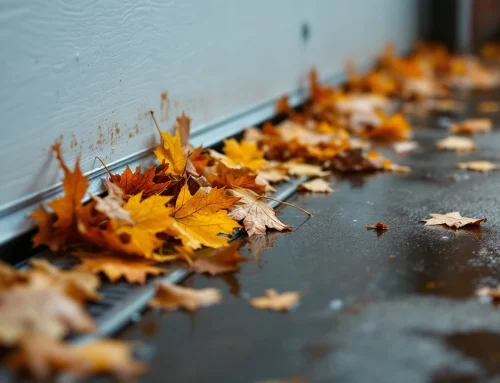
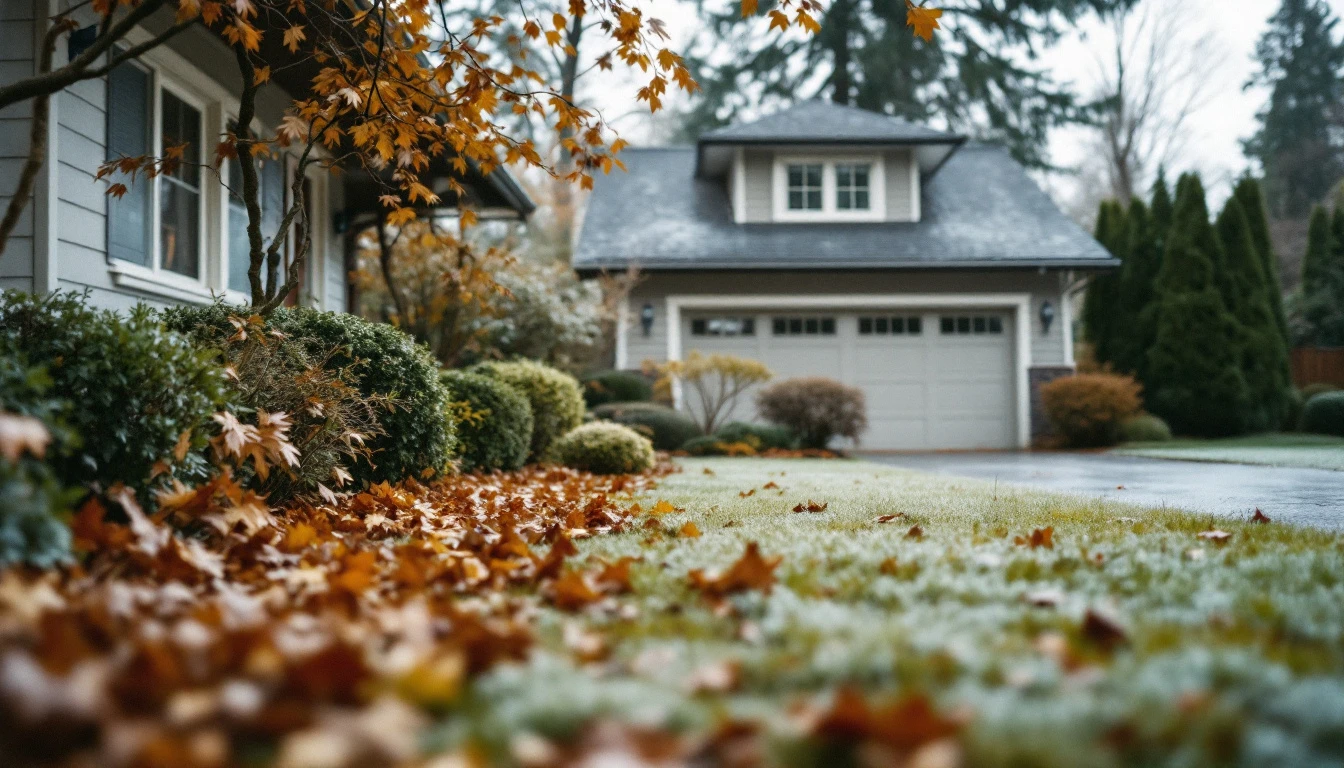
Many Clackamas County properties with larger lots—particularly older farmhouse estates around Canby—were built before modern drainage codes took effect. These detached garage foundations often lack proper grading systems, French drains, or even basic downspout extensions. When spring arrives and snowmelt combines with Pacific Northwest rain, water follows the path of least resistance: directly toward garage doors and footings.
Standing water accumulates in low-lying areas near garage thresholds, creating hydrostatic pressure that forces moisture through even new weatherstripping. Blocked gutters overflow during heavy April storms, dumping concentrated water alongside foundations. Poor grading—common on properties that have settled over decades—channels runoff toward structures instead of away from them.
Before the Clackamas River peaks in late May, walk your property with this assessment checklist:
- Inspect the grading slope within ten feet of your garage door—soil should drop at least one inch per foot away from the foundation.
- Clear all gutters and downspouts of winter debris, then verify water flows at least five feet from the building.
- Identify standing water zones after a spring rainstorm and mark them for correction.
Simple improvements deliver protection without excavation costs. Downspout extensions redirect roof runoff away from vulnerable areas for under fifty dollars. Shallow French drains—gravel-filled trenches eighteen inches deep—intercept surface water before it reaches garage thresholds. Regrading soil with a rake and wheelbarrow costs only weekend labor. Complete these fixes before late May to reduce flooding risk when seasonal water levels surge.
Snowmelt Runoff Management
Spring snowmelt from Mt. Hood and the Cascade foothills feeds directly into the Clackamas River system, raising water tables across Canby’s transitional terrain. From late May through early June, this seasonal surge combines with heavy Pacific Northwest rainfall to overwhelm drainage systems that work fine the rest of the year. Detached garages on slightly improved lots face a hidden threat: runoff from neighboring properties or slopes above them channels water directly toward foundation perimeters.
Understanding your property’s runoff patterns during peak melt season helps you identify vulnerable points before flooding occurs. Walk your lot during a heavy spring rain and mark where water flows—you’ll often find natural channels directing water from higher ground straight to your garage door threshold. Properties near the Clackamas County Fairgrounds or older farmhouse sites typically show drainage paths established decades ago when the land served agricultural purposes.
Simple interventions prevent water pooling at garage doors without expensive excavation:
- Shallow swales redirect runoff around structures rather than toward them.
- Permeable hardscaping near garage aprons allows water to soak into soil instead of sheeting across concrete.
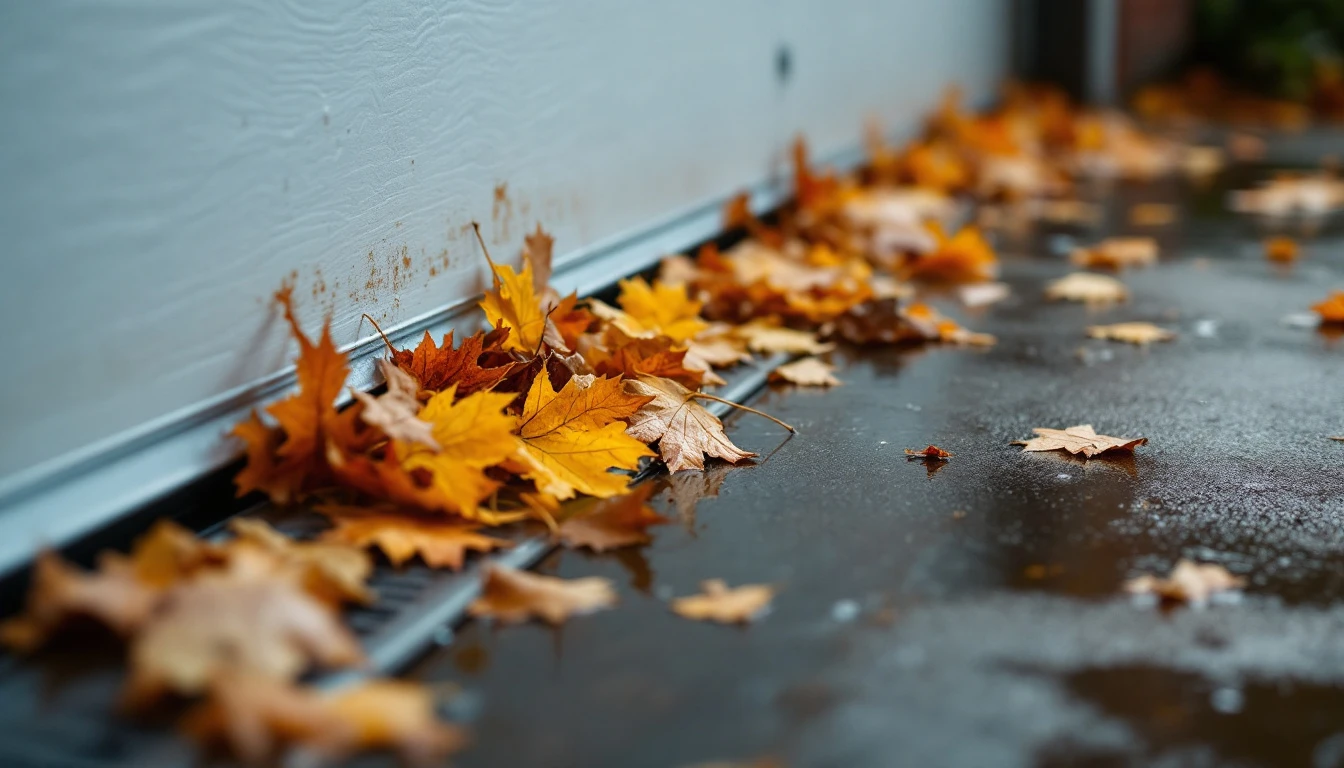
- Debris screens on drainage outlets keep spring leaves and sediment from clogging channels when you need them most.
- Install gutter extensions that carry roof runoff at least six feet from foundations.
Address these patterns in early June when snowmelt peaks alongside spring rain. The Clackamas River’s seasonal cycles dictate timing—waiting until mid-summer means missing the critical window when runoff pressure tests every weak point in your drainage system.
DIY Tasks vs. Professional
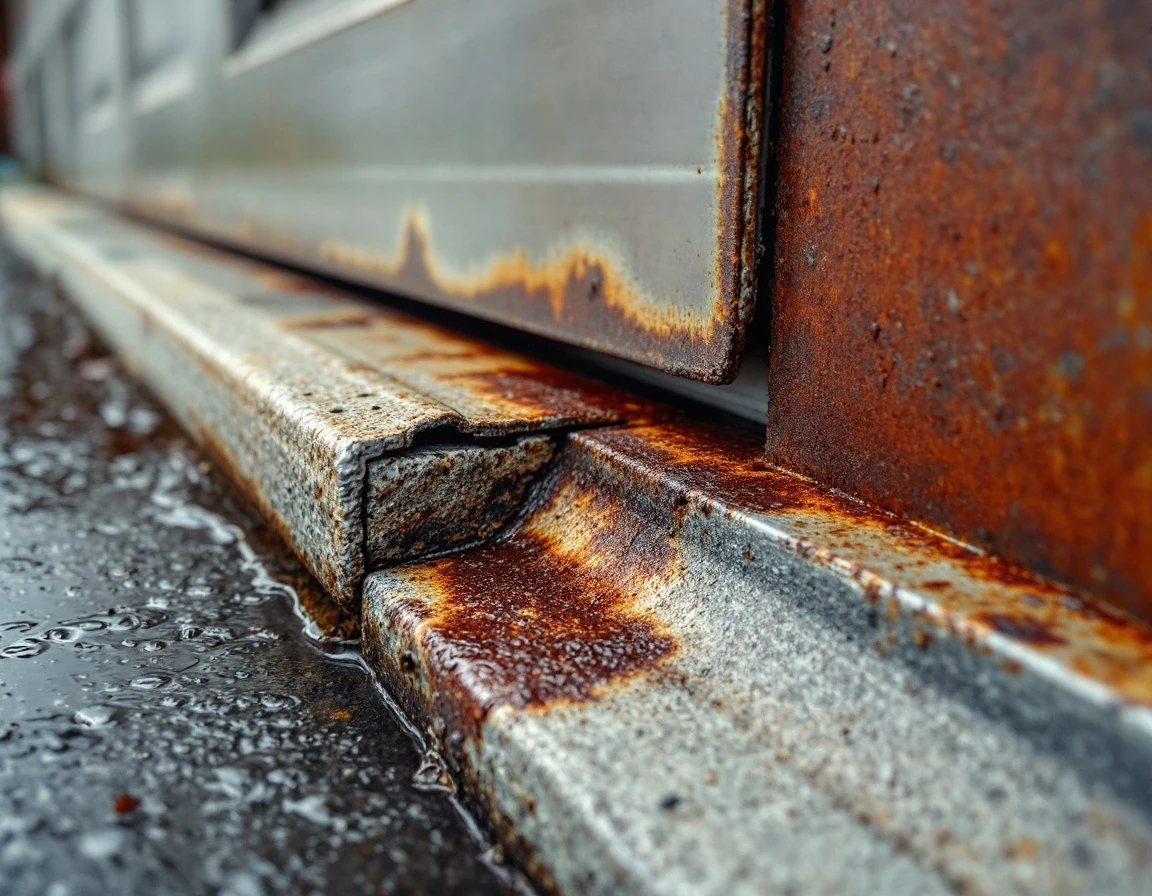
Canby homeowners can handle several preventive tasks themselves in May, saving money while protecting their garages. Weatherstripping replacement takes about 2–3 hours and costs $30–$80 in materials. Gutter cleaning and downspout extensions require another 2–4 hours and $50–$150 for extension kits and splash blocks. These DIY projects total $200–$300 and directly prevent water from reaching garage foundations.
However, foundation assessment and drainage installation require professional expertise. Older farmhouse properties around Canby often have uncertain foundation conditions, and improper grading or French drain installation can worsen water problems. Professionals evaluate soil composition, slope calculations, and drainage patterns—work that requires both experience and local permitting knowledge.
The cost-benefit comparison is clear: spending $300–$500 on preventive maintenance and professional assessment now avoids $2,000–$10,000 in water damage remediation later.
Foundation repairs, mold abatement, and garage floor replacement quickly multiply when spring flooding goes unaddressed.
May is your scheduling window. Many Clackamas County contractors fill their June calendars as homeowners respond to active flooding. Book professional inspections now, complete DIY weatherstripping and gutter work this month, and you’ll be protected before the Clackamas River reaches its late-May peak. Contact Garage Harmony today for a foundation drainage assessment.