Why November Winterization Matters: Your Winter Checklist for Portland’s First Freeze
Portland’s first freeze typically arrives in mid-to-late November, making this the last window to protect your home from freeze damage and avoid emergency repair bills. A solid winterization checklist Portland homeowners complete now prevents the costly damage that strikes when temperatures drop below freezing.
Portland’s first freeze typically arrives
Portland’s first freeze typically arrives mid-to-late November, creating a narrow window for prevention. Once temperatures drop below 32°F, vulnerable garage components face immediate risk. Freeze damage to garage doors, pipes, and weathersealing costs thousands in emergency repairs—especially when contractors charge premium rates during the holiday rush.
Acting before that first freeze hits protects your home and your budget from expensive winter surprises.
Proactive winterization prevents costly winter
Taking action now protects both your wallet and your home’s value. Proactive winterization stops minor vulnerabilities from becoming expensive emergency service calls when temperatures plummet. By addressing potential freeze points before the cold hits, you avoid the premium pricing that comes with urgent repairs during winter storms.
Completing your winterization early also means you won’t be competing with hundreds of other Portland homeowners for contractor availability. Once freezing weather arrives, service providers face overwhelming demand, leading to longer wait times and higher costs for homeowners who delayed their preparations.
High-Priority Winterization Tasks
When temperatures drop below freezing, your garage becomes vulnerable to damage that can cascade into expensive repairs. The following tasks directly prevent freeze-related failures and should be completed before mid-November. Each comes with a realistic time estimate so you can plan your weekend accordingly.
Weatherstripping Inspection and Replacement (20 minutes)
Start by inspecting the rubber seals along all edges of your garage door. Look for visible gaps, cracks, or brittleness in the material—these are clear signs that cold air can infiltrate your space. Failed weatherstripping doesn’t just make your garage uncomfortably cold; it allows freezing air to reach water pipes running through garage walls, creating a direct path to burst pipes and water damage.
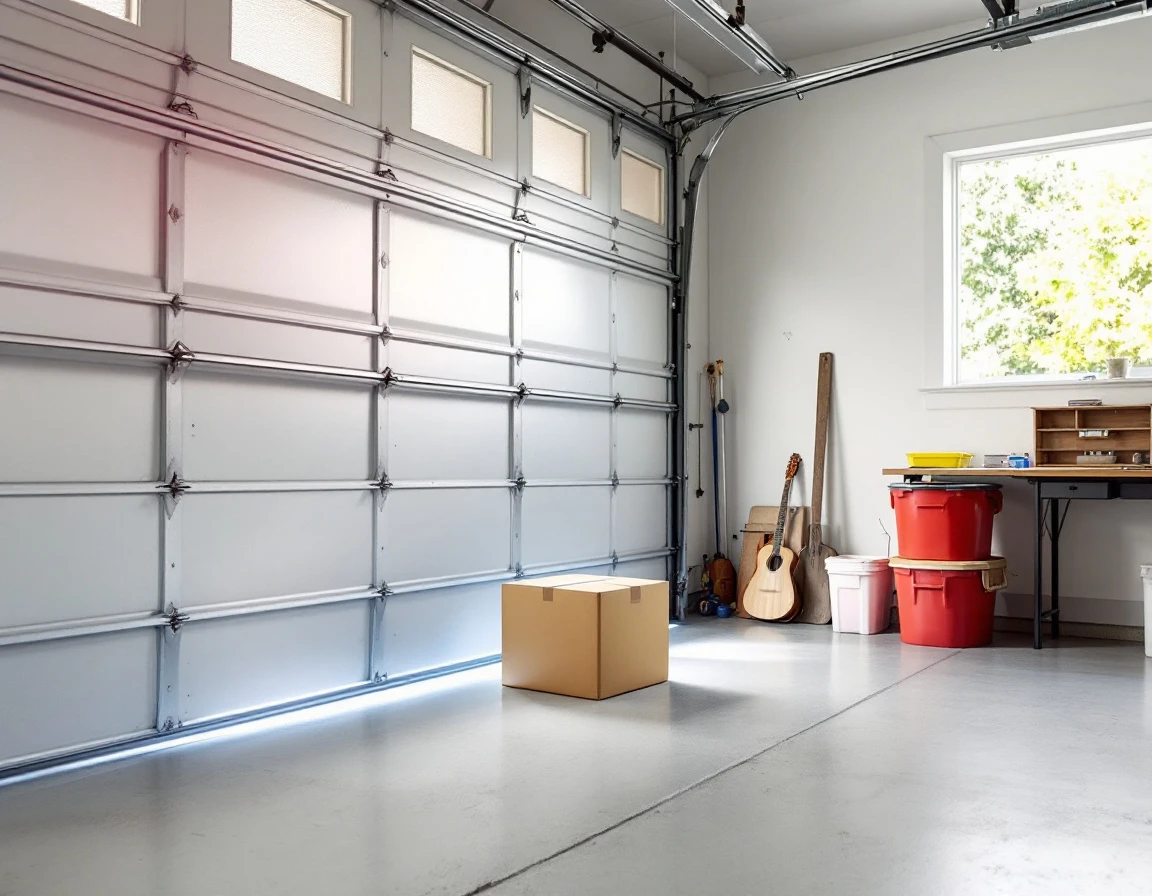
Close the garage door and turn off the lights inside. If you see daylight streaming through any edges, you have a weatherstripping problem that needs immediate attention. Replacement weatherstripping is inexpensive and installs quickly. Making this one of the highest-return tasks on your winterization checklist for protecting your garage before the first hard freeze.
Caulk and Seal Foundation Penetrations (30–45 minutes)
Walk around your garage’s exterior and interior, looking for cracks in the foundation, gaps around pipe entries, and openings near vents or electrical conduits. Even small cracks allow cold air to enter and can expose water lines to freezing temperatures. Apply exterior-grade caulk to any visible gaps—this simple step prevents both freeze damage and unwanted drafts that make your garage unbearably cold during winter months.
Garage Door Balance and Spring Check (15 minutes)
Cold weather places additional stress on garage door springs and mechanical components. Test your door’s balance by disconnecting the opener and manually lifting the door halfway—it should stay in place without assistance. If it drops or rises, your springs are out of balance and face increased risk of failure when temperatures plummet. An imbalanced door operating in freezing conditions can lead to sudden spring breakage. Leaving you stranded with a non-functional garage door during the worst possible weather.
Drain Exterior Water Lines (10 minutes)
Shut off water supply to any hose bibs or exterior faucets connected to your garage. Open the valves to drain remaining water completely. Standing water in these lines will freeze, expand, and crack pipes—one of the most common and expensive freeze-damage scenarios Portland homeowners face each winter.
Drainage and Moisture Management
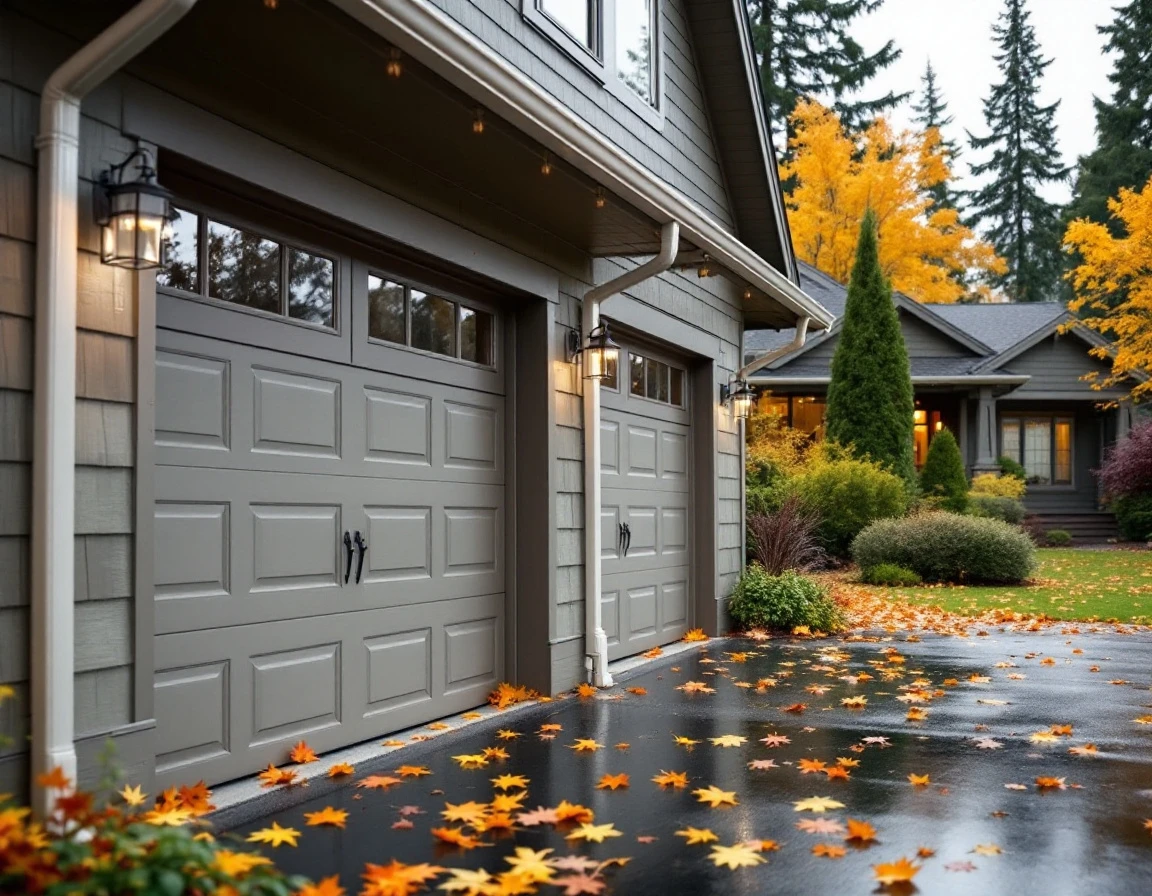
When Portland temperatures swing above and below freezing in those first winter weeks, water becomes your garage’s worst enemy. Standing water from yesterday’s rain can freeze overnight, expand in cracks, and turn minor foundation flaws into major structural problems by spring. Poor drainage doesn’t just threaten freeze damage—it sets the stage for mold growth and water intrusion that compounds with every freeze-thaw cycle.
Start your inspection at the gutters and downspouts. Clogged gutters force water to overflow near your foundation. Where it pools and freezes against garage walls. This creates ice dams that push moisture into cracks and can freeze door tracks solid. Clear all debris from the gutters and test downspouts by running water through them—they should direct flow at least five feet away from your foundation. This fifteen-minute task prevents hundreds in water damage and foundation repair.
Next, walk your garage floor looking for cracks, low spots, or areas where meltwater tends to collect. Mark problem zones with chalk. Check that your sump pump activates properly and hasn’t frozen—pour a bucket of water into the pit to trigger the float switch. If you have floor drains, flush them with water to verify they’re clear and confirm the floor slopes toward them, not toward walls where moisture causes mold.
Fix drainage issues now, before the first hard freeze. Regrade low spots, seal floor cracks with epoxy filler, and repair broken downspouts. These fixes prevent both immediate winter damage and the spring flooding that catches unprepared homeowners off guard when snowmelt overwhelms compromised drainage systems.
Professional Tasks vs. DIY Timeline
Not every winterization task belongs on your personal to-do list. Some jobs demand specialized tools, training, and insurance that only licensed technicians carry. Understanding which tasks you can safely tackle yourself—and which require professional expertise—helps you allocate your time wisely and avoid costly mistakes.
Weatherstripping replacement, caulking around foundation penetrations, and clearing gutter debris are all safe DIY projects that most homeowners can complete in an afternoon. These tasks require basic tools and carry minimal risk of injury or property damage. In contrast, spring replacement and garage door opener service must be handled by professional technicians.
Garage door springs store hundreds of pounds of tension and can cause serious injury if mishandled. Similarly, opener diagnostics require specialized equipment to test safety sensors and force settings accurately.
A professional inspection covering balance testing, spring condition assessment, and opener function typically takes 30 to 45 minutes and costs between $100 and $150. That investment buys you peace of mind and catches problems before they escalate into emergency repairs. The catch? Contractor availability drops sharply after Thanksgiving. And waiting until late November or December creates four to eight week delays as technicians work through winter backlog.
Schedule your professional inspection by November 10th to secure a spot before the holiday rush begins. This deadline gives you enough buffer time to complete any recommended repairs before the first freeze hits. Contact Garage Harmony today to book your pre-winter inspection and avoid the December scheduling crunch.
Implementation Timeline & Winterization Checklist Before Portland First Freeze
Now that you understand what needs to happen, let’s map it to the calendar. Breaking your winterization work into weekly phases keeps tasks manageable and builds in a 10-day cushion before Portland’s typical first-freeze dates arrive in late November.
Early November (Nov 1–10): Assessment & Professional Tasks
Schedule garage door inspections and spring balance tests with Garage Harmony or another qualified contractor before mid-November. Order replacement weatherstripping, caulk, and any specialty parts identified during inspection. Most professional assessments take 30–45 minutes, but booking early locks in your preferred appointment time before the holiday rush begins.
Mid-November (Nov 11–20): DIY Completion Window
Complete all hands-on winterization work during this window. Apply caulk to foundation penetrations and door seams, install fresh weatherstripping, test garage door balance, and drain exterior hose bibs and irrigation lines. Reserve one full weekend if tackling everything yourself, or spread tasks across weekday evenings.
Late November (Nov 21–30): Final Verification
Walk your garage perimeter checking every seal, track, and drainage point. Run your garage door through several cycles listening for unusual sounds. By November 20th, you’re winterized with 10 days to spare—no panic, no emergency rates, no frozen surprises.