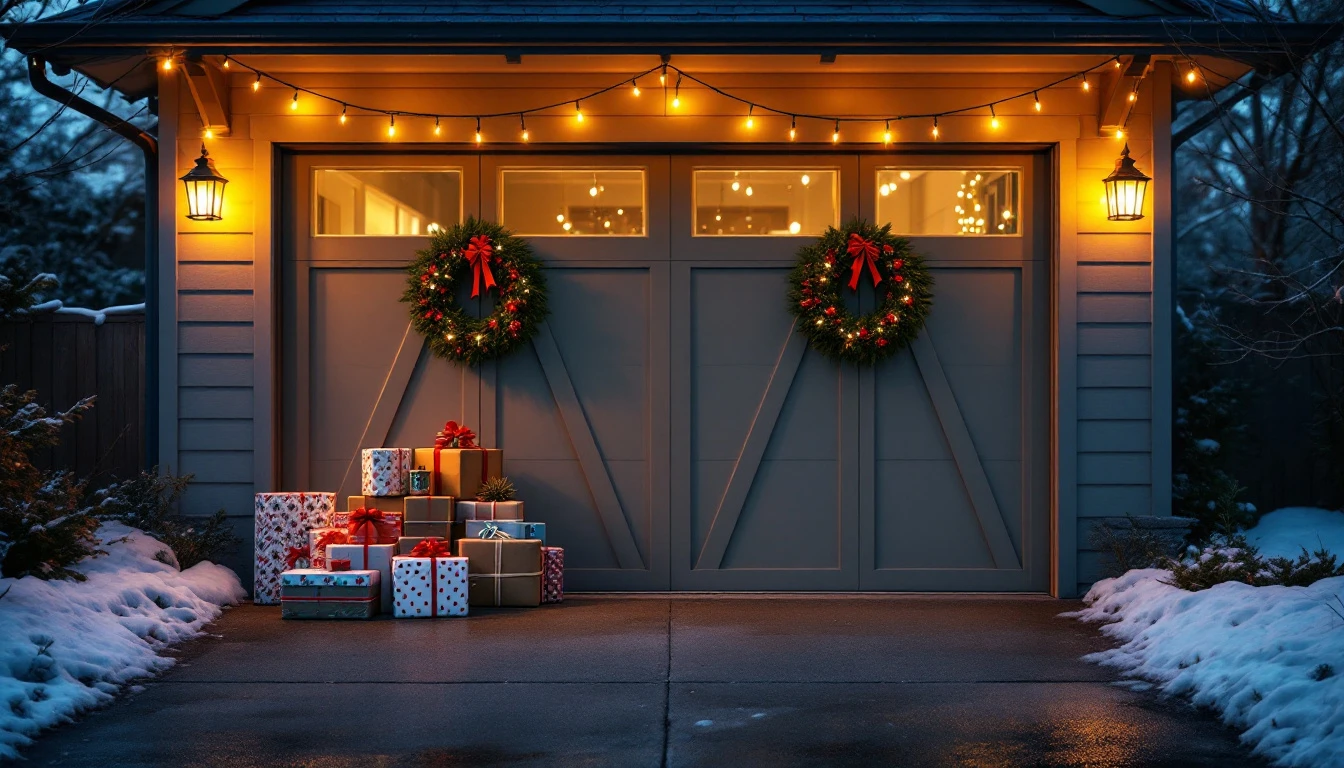
Heavy Holiday Traffic Garage Door Strain in Portland
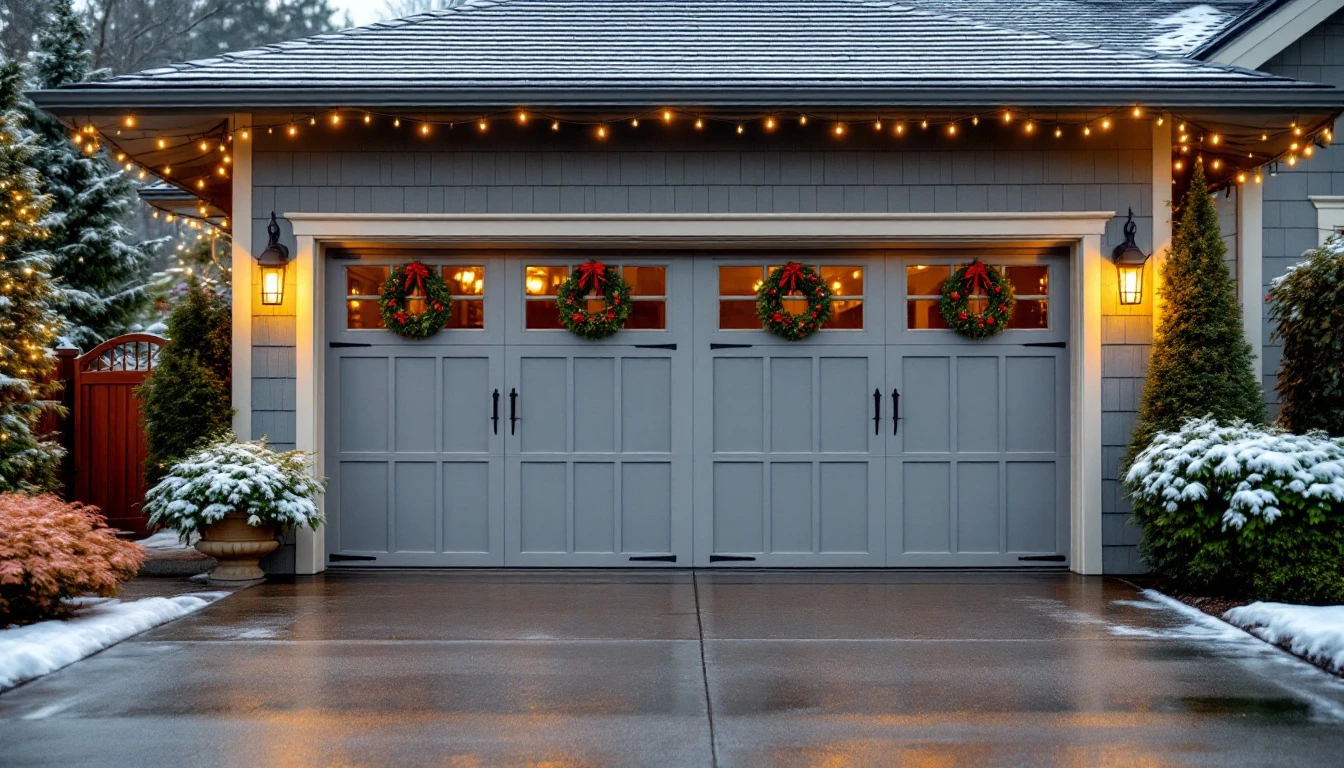
Your garage door typically operates quietly in the background, opening and closing a handful of times each day. But when the holidays arrive, that pattern changes fast. Visiting relatives pulling in and out of the driveway, delivery drivers dropping off packages multiple times daily, and guests coming and going for seasonal gatherings create a surge of activity. Heavy holiday traffic garage door Portland systems face during November and December puts serious stress on the entire mechanism.
During November and December, Portland metro homeowners see their garage door cycles multiply. What normally amounts to 8-10 daily cycles can easily jump to 25-30 during peak holiday weeks. Each additional cycle adds wear to springs, rollers, tracks, and opener mechanisms. That’s why December and January consistently see the highest volume of emergency service calls—components that were already weakened finally give out under the extra demand.
Think about a typical holiday scenario: your in-laws arrive with luggage, your spouse heads out for last-minute shopping, a package arrives requiring signature, kids leave for a party, and guests arrive for dinner. That’s six door cycles in a single afternoon, compared to what might normally be two or three cycles all day.
This high-volume access pattern doesn’t just add mileage to your garage door—it exposes mechanical weaknesses that might have gone unnoticed during normal use. A slightly misaligned track or a spring nearing the end of its lifespan can fail suddenly when daily usage doubles. The solution? Address these vulnerabilities before the holiday rush begins.
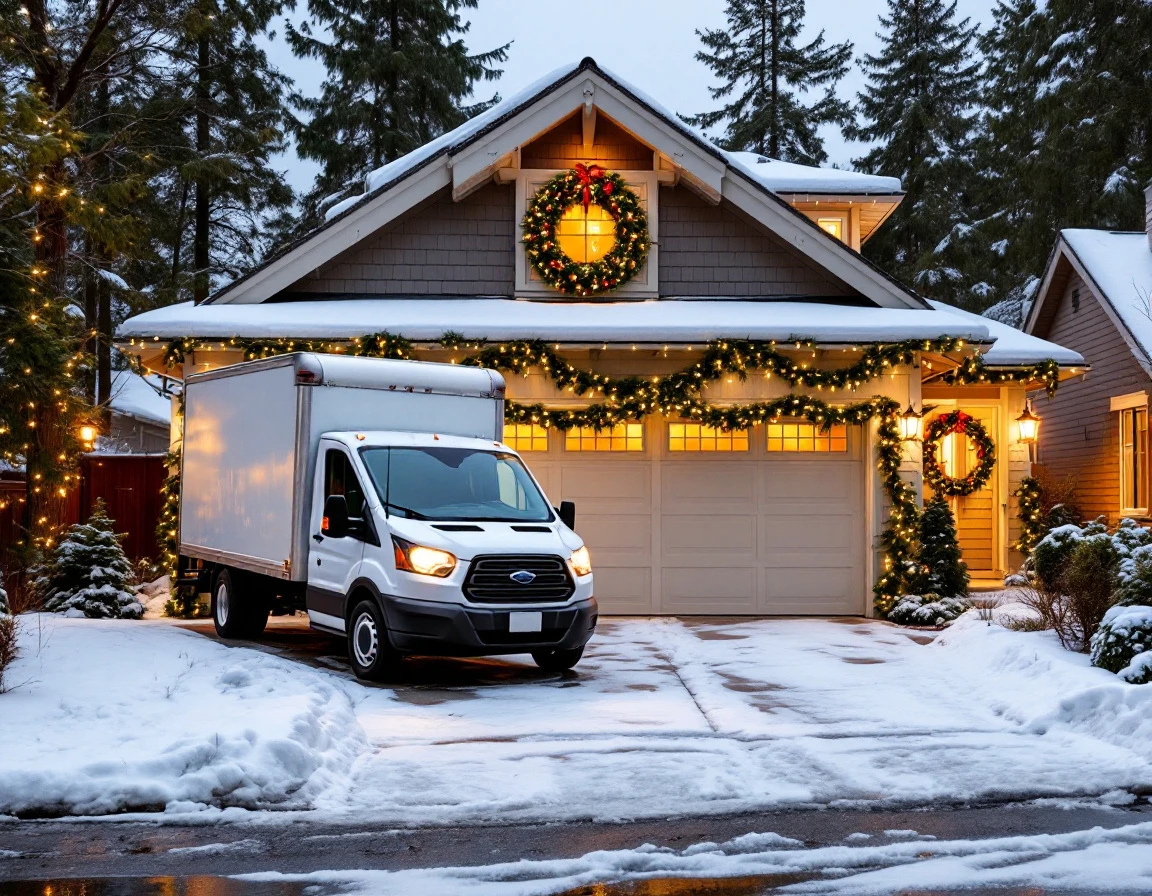
Four Ways Holidays Stress Garage Doors
Understanding how holiday activity affects your garage door system helps you spot problems before they escalate into expensive repairs. Let’s break down the four specific ways November through January routines place extra demands on your door.
1. Increased Cycling Accelerates Wear
Every time your garage door opens and closes, springs compress and extend, opener motors engage, and rollers move through tracks. During the holidays, your typical weekday pattern changes: you might open the door for morning packages, again when guests arrive, later for shopping trips, and again when family members return. The frequent garage access holidays create adds wear that’s easily double or triple your normal cycle count. Each additional cycle moves springs closer to their rated lifespan limit and adds heat and friction to opener motors designed for average use patterns.
2. Portland Winter Cold Reduces Component Flexibility
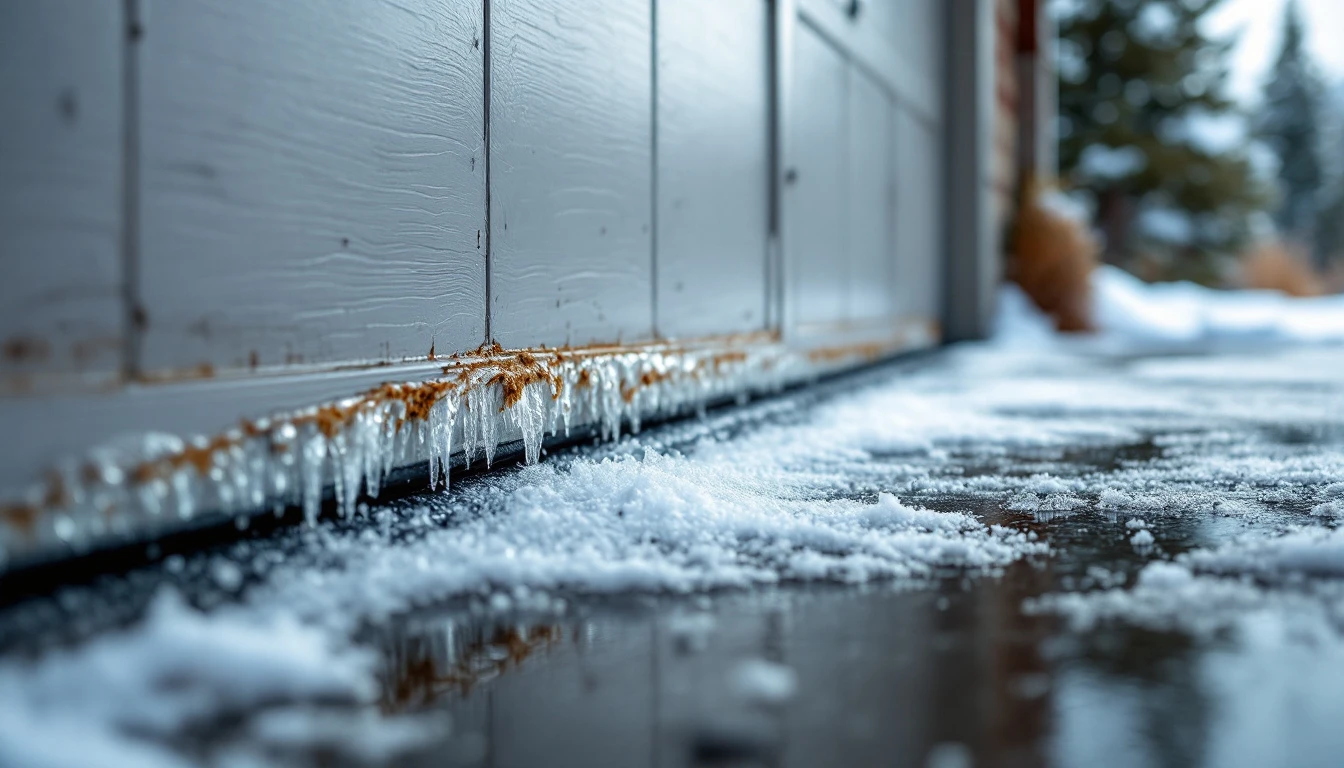
When temperatures drop into the 30s and 40s during Portland winters, metal components contract slightly and lubricants thicken. Springs become less flexible, making them work harder during each cycle. Rollers that glide smoothly in summer might begin to bind or squeak. Your opener motor has to pull harder to lift a door with cold, stiff springs and sluggish rollers. This combination of reduced flexibility and increased garage door cycling holidays creates compounded stress on your system.
3. Irregular Usage Patterns From Deliveries and Visitors
Holiday package deliveries create unpredictable usage spikes. You might open your door three times in an hour waiting for deliveries, then leave it closed for hours. Guests arriving at unexpected times add more irregular cycles. This stop-and-start pattern differs from your door’s typical morning-and-evening rhythm, preventing components from settling into consistent wear patterns and catching mechanical issues before they announce themselves.
4. Heavier Vehicle Loads Increase Door Stress
When family arrives with luggage-packed SUVs or delivery trucks park in your driveway, the added weight and vibration can affect door balance and track alignment. Heavier vehicles create more ground vibration, which can gradually shift track mounting brackets or throw doors slightly out of balance.

Pre-Holiday Maintenance Checklist
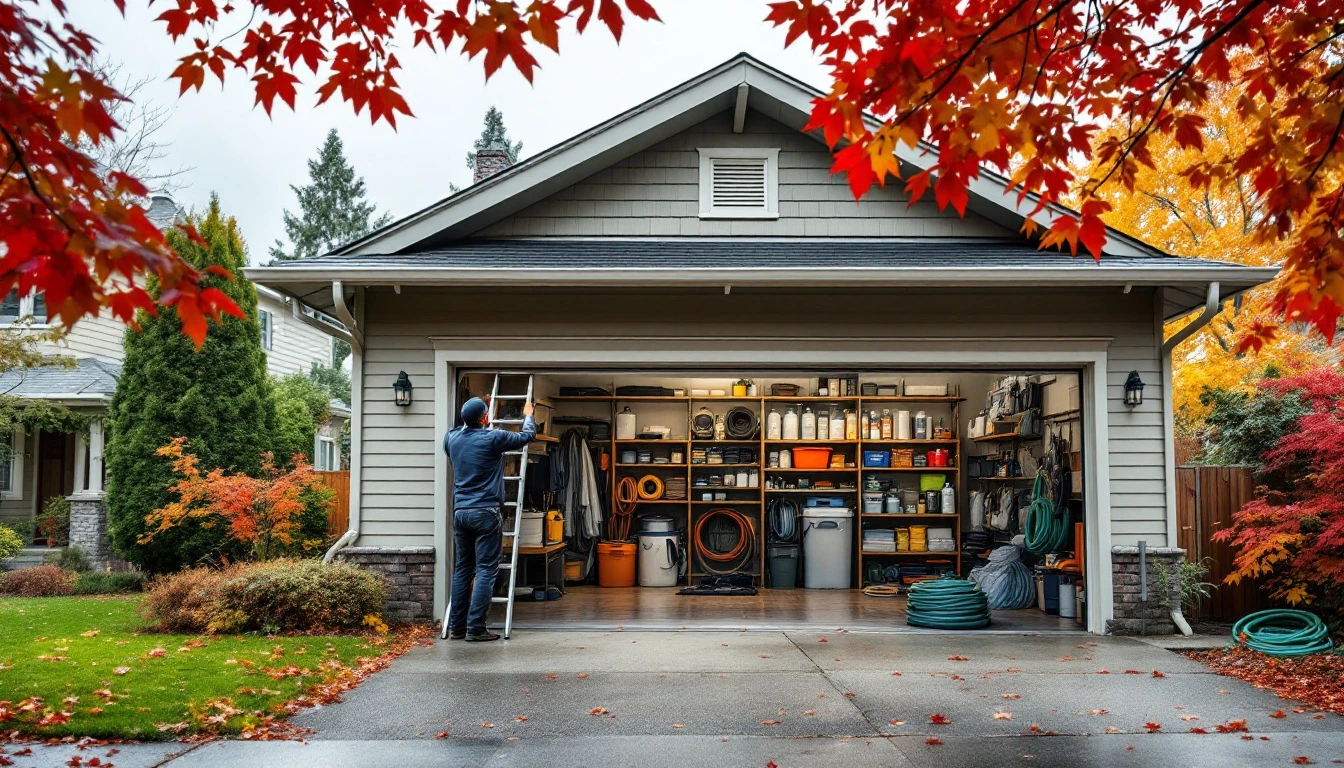
Ready to protect your garage door from holiday strain? Complete these four maintenance tasks by early-to-mid November—before the rush begins. Each task takes just minutes but can prevent inconvenient breakdowns when you’re hosting guests or waiting for package deliveries.
Visual Inspection: Spot Problems Before They Worsen
Start with a thorough visual inspection of your garage door’s key components. Look at the springs above the door for gaps, rust, or visible stretching. Examine the cables running along the door sides for fraying or loose strands—these are early warning signs of imminent failure. Check the rollers in the tracks for cracks, chips, or wobbling movement, and inspect the tracks themselves for dents, misalignment, or debris buildup.
Why does this matter before the holidays? A spring that’s already showing wear might handle normal use just fine, but the extra cycling from frequent comings and goings can push it past its breaking point. Spotting these issues now gives you time to address them before they become emergencies.
Lubrication: Restore Smooth Winter Performance
Apply a silicone-based garage door lubricant to all moving parts: hinges, rollers, springs, and the top of the chain or screw drive. Cold Portland weather thickens old lubricant and increases friction, forcing your opener to work harder. Fresh lubrication reduces resistance and extends component life during the high-traffic season ahead.
Balance Testing: Protect Your Opener
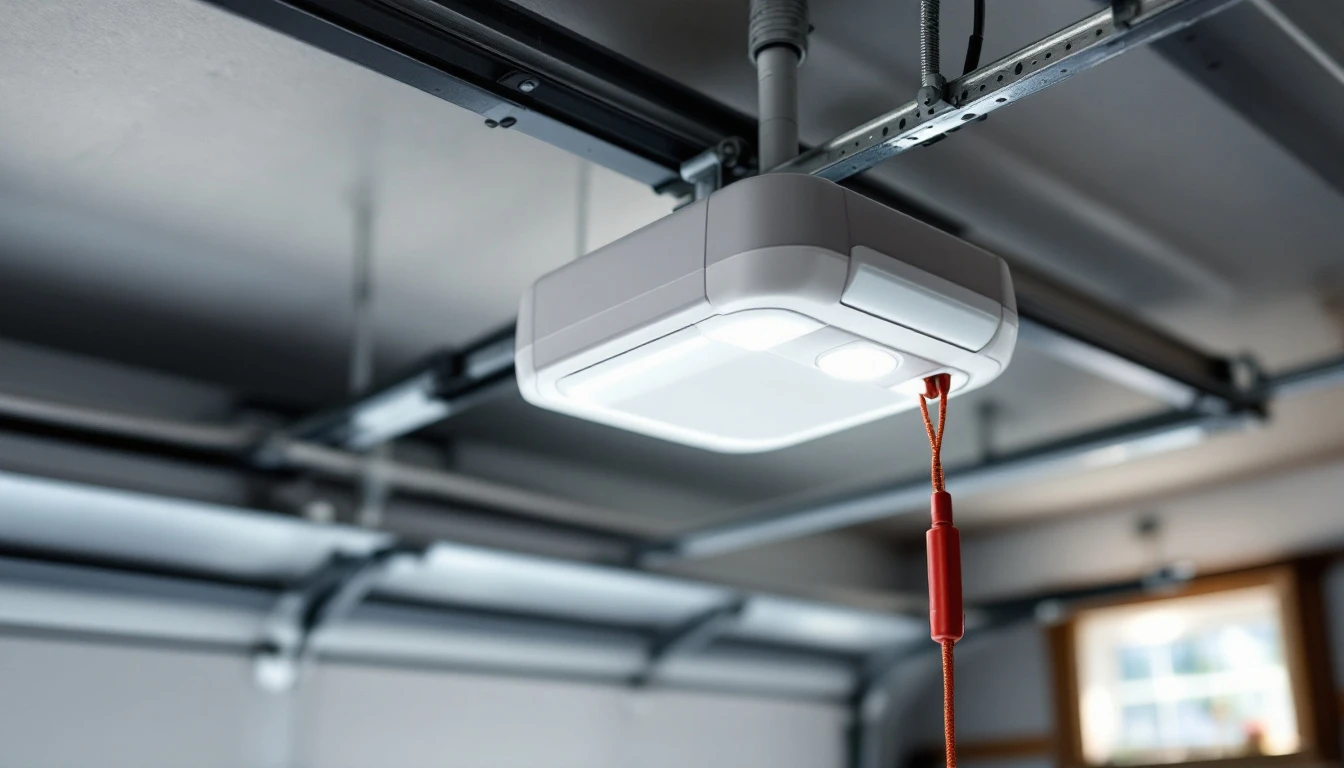
Disconnect your opener and manually lift the door halfway. Does it stay in place? If it falls or shoots upward, your springs are out of balance—meaning your opener compensates for the imbalance with every cycle. During heavy holiday use, this extra strain can burn out the motor or strip gears.
Safety Feature Testing: Verify Auto-Reverse Functions
Test your auto-reverse mechanism by placing a roll of paper towels in the door’s path. Test the photo-eye sensors by waving an object between them while closing. With more people and vehicles moving through your garage, these safety features become even more important. If either test fails, contact Garage Harmony before the holiday season begins.
Spring and Cable Inspection
Your garage door springs carry half the door’s weight, transforming what would be a hundreds-of-pounds lift into an easy manual operation. Cold Portland winters compound existing spring fatigue—metal contracts in low temperatures, increasing brittleness just when holiday traffic demands peak performance. That combination creates dangerous conditions for springs already stressed by years of daily cycling.
Inspect springs visually from a safe distance—never touch or adjust them yourself. Look for gaps between coils on torsion springs above the door, rust spots indicating corrosion, or fraying on extension spring cables running along door sides. These signs indicate imminent failure that could strand your car mid-holiday when service availability drops and emergency calls cost more.
Spring replacement is always a professional task. These components store tremendous energy that can cause serious injury if mishandled. A quick visual check now prevents catastrophic failure during peak season.
Lubrication and Component Care
Portland’s cold winter weather thickens existing lubricant on garage door components, turning smooth operation sluggish and causing noisy grinding sounds. Fresh application before the holiday season restores fluid movement precisely when your door faces peak usage from guests, holiday delivery packages garage door wear, and constant family traffic.
Start by cleaning debris from tracks using a damp cloth. When applying lubrication, focus on these key areas:
- Each roller where it meets the track
- The hinges between door panels
- Along the track channels
If you can safely reach them without removing covers, lightly coat spring coils—but never adjust or handle springs directly.
This simple maintenance task takes under thirty minutes and delivers immediate results. Proper lubrication reduces friction that wears down components under heavy use, extends the lifespan of rollers and hinges, and keeps your system quiet during those early-morning deliveries. It’s the easiest, most cost-effective prevention step homeowners can complete before November arrives.
When to Call a Professional
Some garage door issues fall outside the scope of DIY maintenance. Spring wear, cable fraying, and balance problems require professional repair—and they need attention before holiday traffic multiplies the stress on already-compromised components. Attempting to adjust springs or cables yourself risks serious injury, and even minor mistakes can create dangerous failure conditions during heavy December use.
Watch for red-flag symptoms that signal mechanical problems demanding immediate professional inspection. Does your door make grinding, squealing, or popping noises during operation? Does it jerk or hesitate as it moves? Does it respond slowly to opener commands or stop partway through its cycle? These warning signs indicate internal wear that worsens rapidly under frequent use—and they often escalate into complete failures when holiday traffic peaks.
Here’s the cost-benefit calculation Portland homeowners need to understand: scheduling preventive service in early November costs far less than emergency repair in December. When your door fails on December 20th with packages piling up and guests arriving, you’ll pay premium rates for rushed service calls—if you can even find available technicians during the peak-season crush.
Service companies charge more for emergency work, and wait times stretch from same-day to several days when demand spikes.
Don’t wait for a breakdown to force your hand. If your pre-holiday inspection revealed any concerning symptoms, or if your door is more than five years old without recent professional service, now is the time to act. With record-breaking holiday travel expected. The strain on garage systems will be higher than ever. Contact us today to schedule an inspection before the holiday rush begins—and protect yourself from both mechanical failure and inflated emergency pricing.