Why Rain Season Threatens Garage Doors: A Guide to Garage Door Rainy Season Maintenance Portland
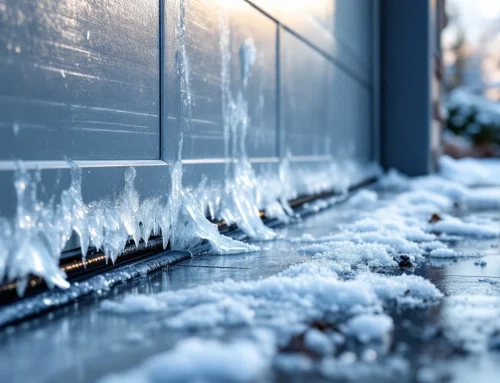
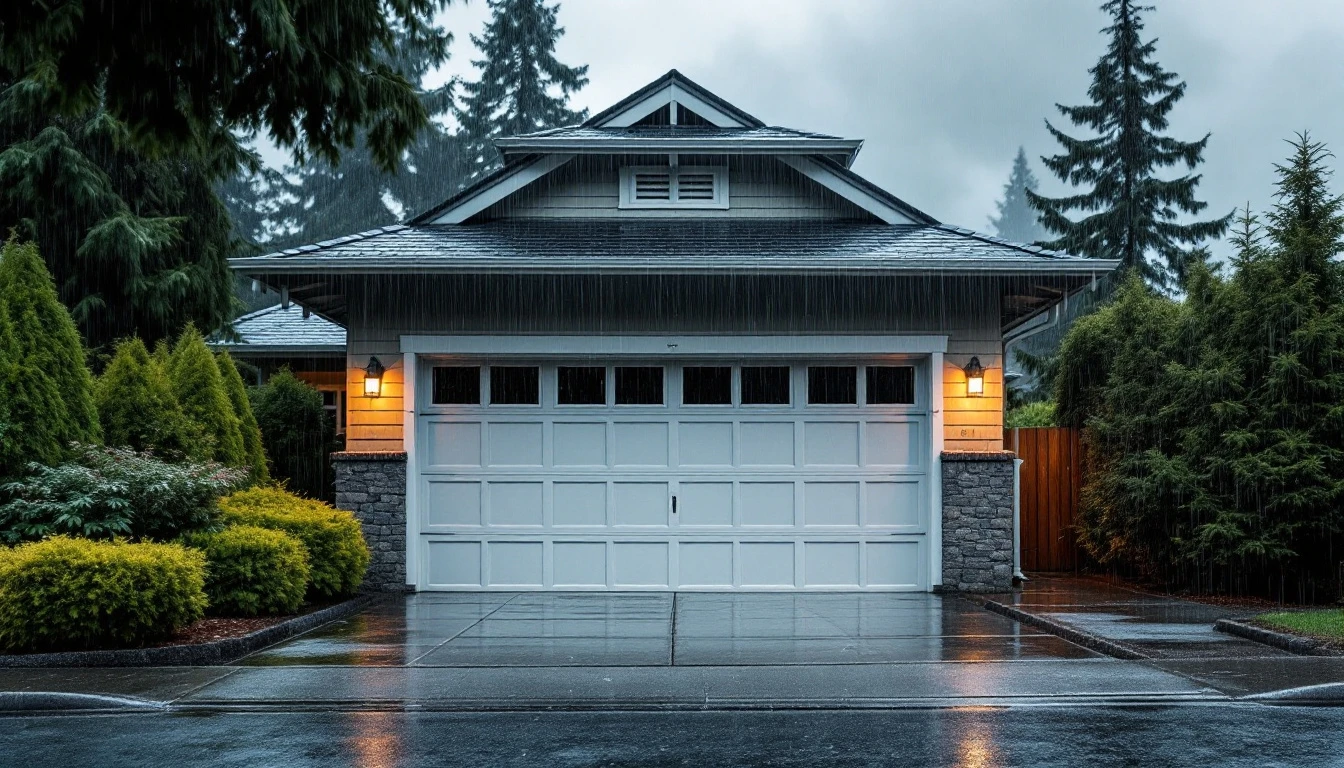
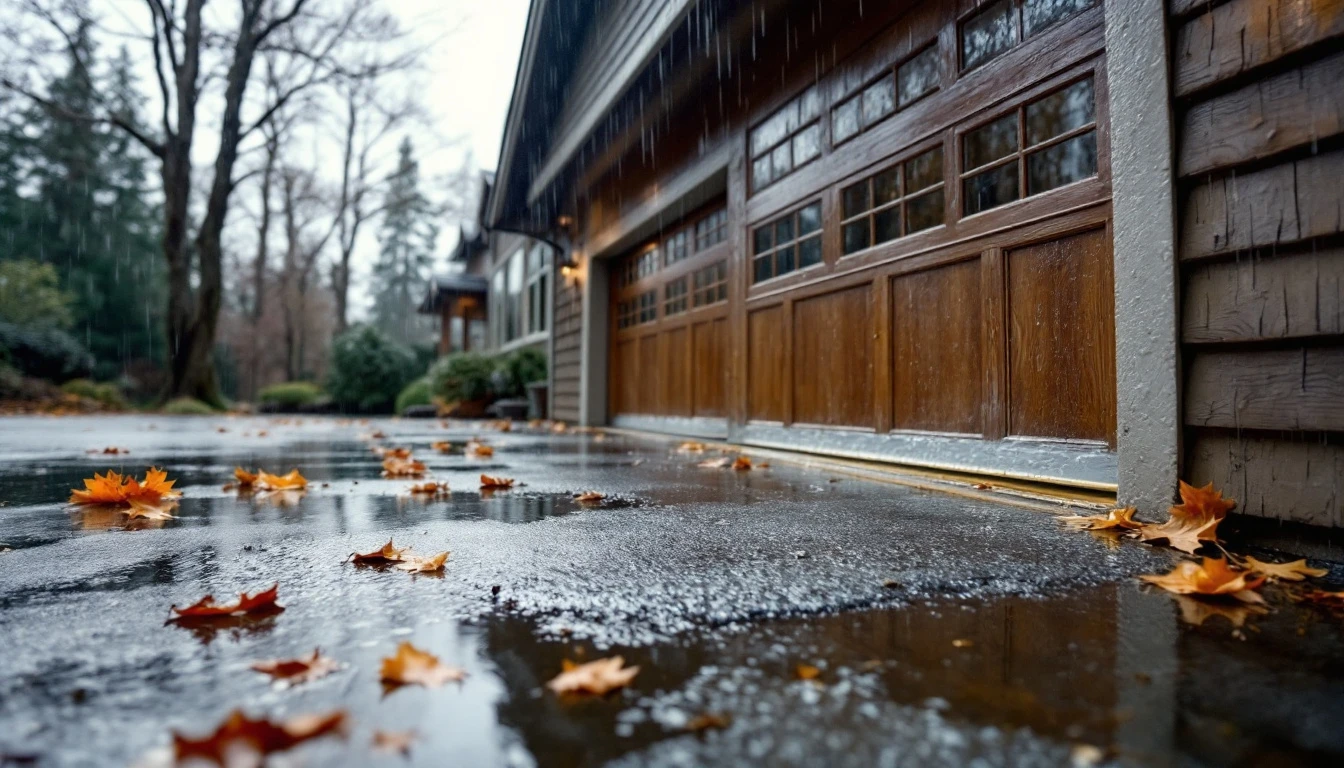
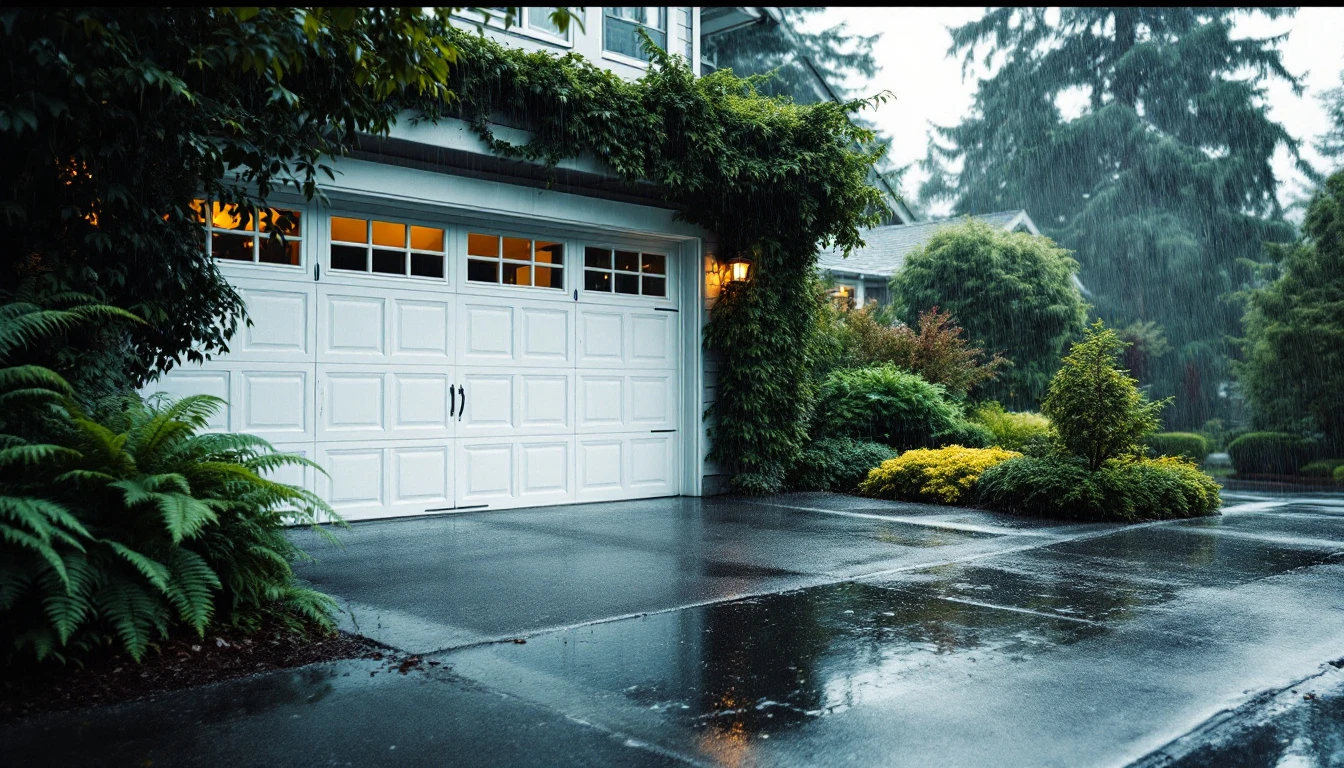
Portland’s extended rainy season runs from November through March, creating sustained moisture exposure that sets the Pacific Northwest apart from other regions. While many climates experience brief wet periods, the relentless drizzle and humidity here mean your garage door components face months of continuous water contact without relief. Proper garage door rainy season maintenance Portland residents can implement now will protect your investment before the wettest months arrive.
Garage doors are particularly vulnerable because they combine metal components with constant movement. Water intrusion damages springs, corrodes rollers. Weakens tracks, and shorts out operators. When these systems fail during winter storms, repairs typically cost between $500 and $2,000—not to mention the inconvenience of waiting for emergency service during peak rainy months.
Think of preventive October-November maintenance as an investment that pays for itself. Spending an afternoon protecting your door now means avoiding those expensive emergency calls when the rain arrives in force.
Four Priority Maintenance Tasks for Rainy Weather Garage Door Care
These four tasks are ranked by impact and urgency to help you tackle the most important work first. All can be completed independently in under 45 minutes using common household or office supplies.
Task 1: Inspect and Replace Rubber Seals and Weatherstripping
Time investment: 30 minutes | Materials: $20–$40
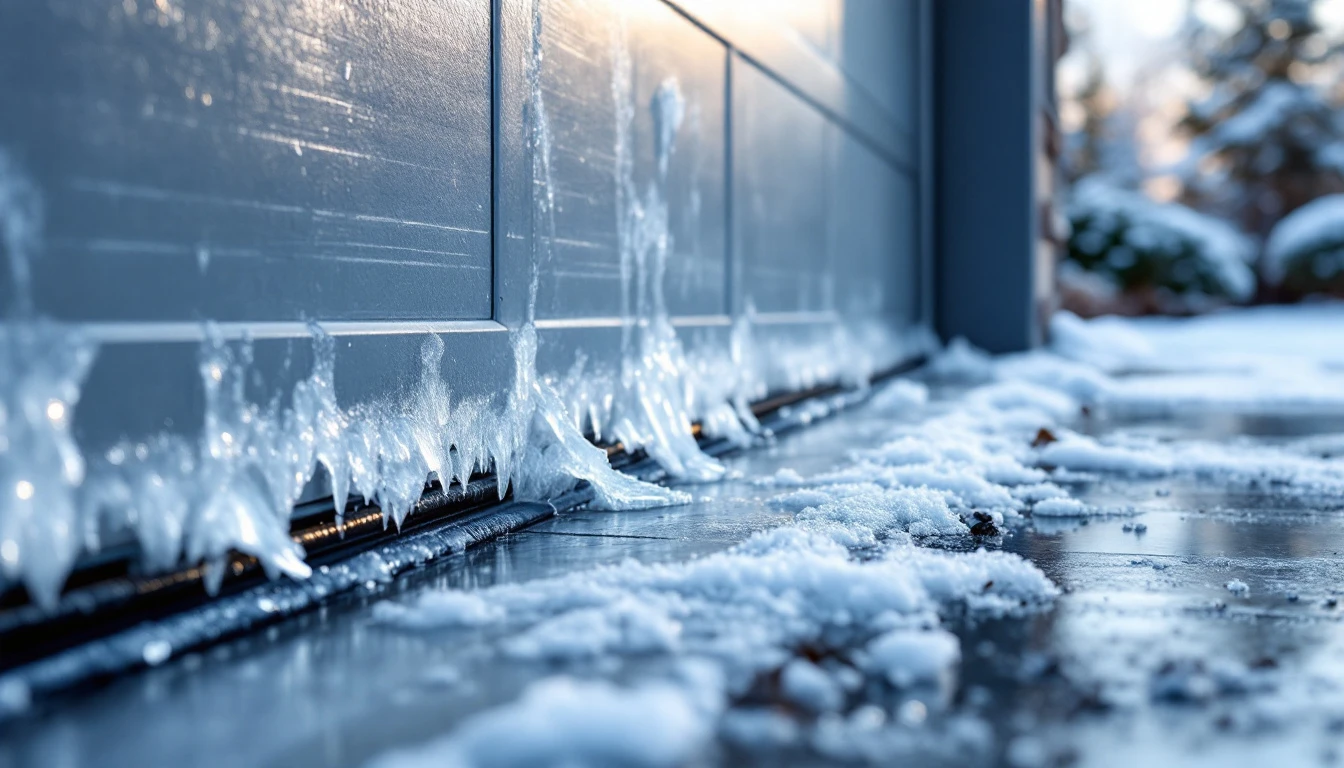
Start with your door’s bottom seal and side weatherstripping. Cracked or hardened rubber allows water to seep into your garage, soaking stored items and corroding your door’s metal components. Purchase replacement weatherstripping sized for your door width at any hardware store. Remove the old seal by sliding it out of the track, clean the channel with a dry cloth, then insert the new seal from one end.
November timing matters because cold temperatures make rubber brittle and harder to work with. Installing fresh weatherstripping now means it seats properly before winter weather sets in.
Task 2: Clear Debris from Door Tracks and Bottom Seal
Time investment: 15 minutes | Materials: minimal cost
Leaves, dirt, and small stones accumulate in your door tracks during fall, creating drainage blockages that trap moisture against metal parts. Use a shop vacuum to remove debris, then wipe tracks with a dry cloth. Check the bottom seal area where organic material often builds up and decomposes.
Task 3: Lubricate Metal Parts to Prevent Corrosion
Time investment: 15 minutes | Materials: $10–$15
Apply silicone-based lubricant to hinges, rollers, and springs. This creates a moisture barrier that prevents rust formation during rainy months. Avoid WD-40, which attracts dirt. Focus on any metal-to-metal contact points where water pools.
Task 4: Test Safety Features and Manual Release
Time investment: 10 minutes | Materials: no cost
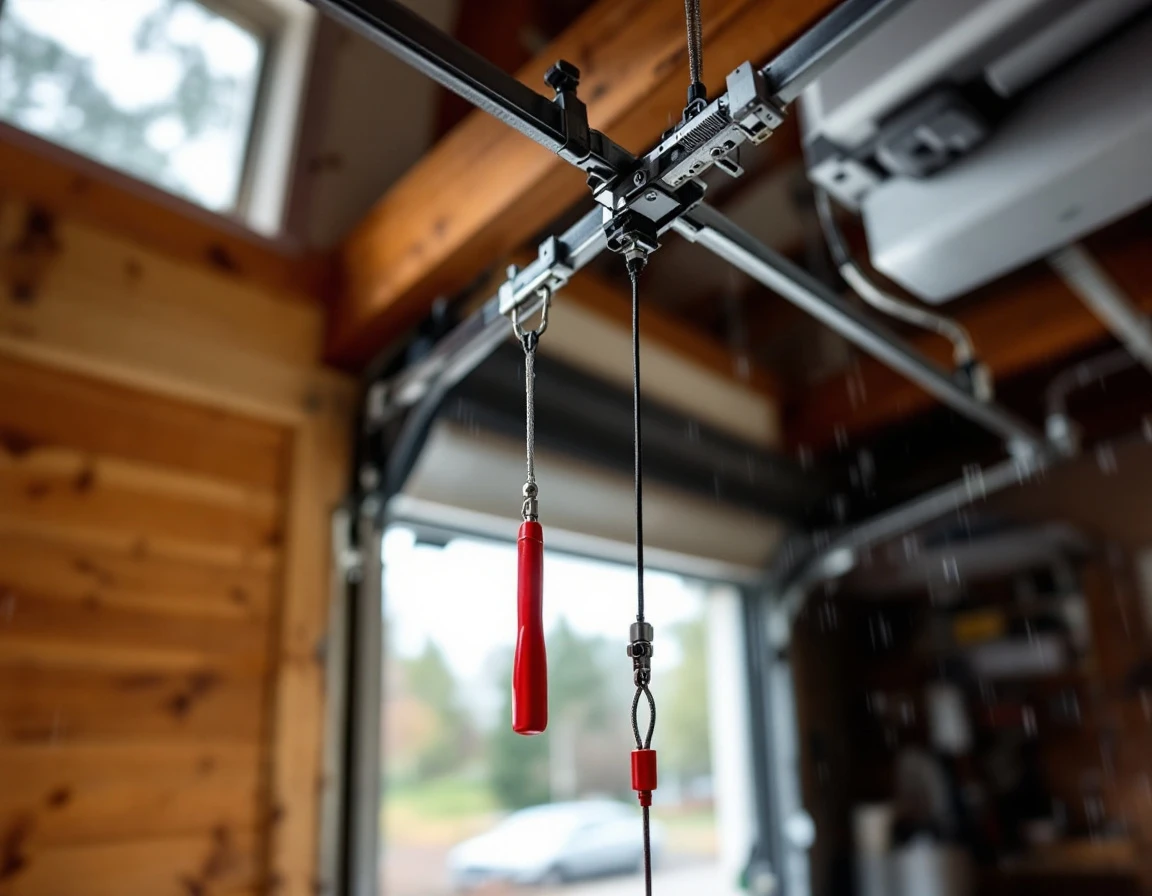
Test your photo-eye sensors by placing an object in the door’s path. Pull the manual release cord to confirm you can open the door if a power outage occurs during a winter storm. This prevents being trapped when you need access most.
Rubber Seals and Weatherstripping
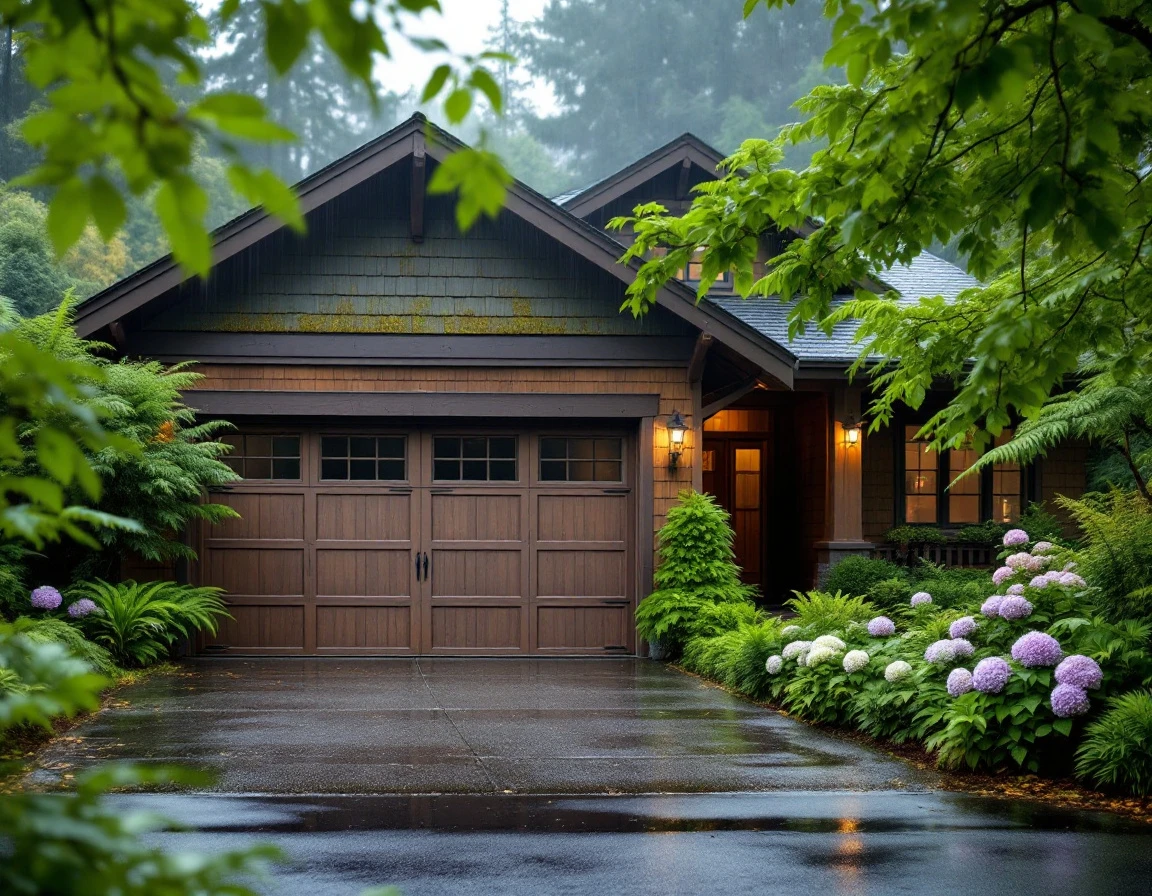
Start by inspecting the bottom seal—the rubber strip running along the door’s lower edge. Cracks or brittleness here allow water to pool inside your garage, leading to floor damage and mold growth. Replacement kits are affordable and readily available at most hardware stores, installing in just minutes with basic tools.
Next, check the side seals that prevent wind-driven rain from penetrating gaps between the door and frame. Look for hardened rubber or visible gaps that compromise protection. Weatherstripping around the frame also deserves attention—this barrier stops rain from entering where the closed door meets the wall. Garage door moisture protection Portland homeowners invest in now prevents costly water damage later.
When should you call a professional? If seals are embedded in the door structure or if you notice the door sits misaligned in its frame, contact Garage Harmony. These issues require adjustment expertise, but addressing them now prevents the $500+ emergency repairs that water intrusion causes during Portland’s rainy months.
Debris Clearance and Lubrication
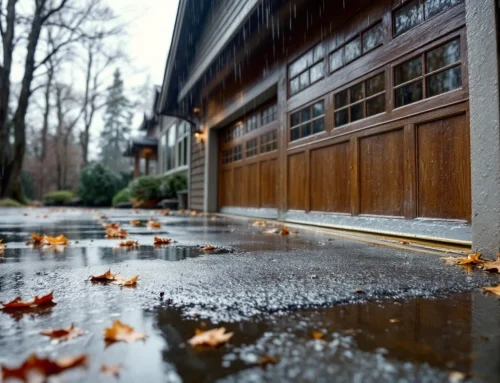
Fallen leaves and wet debris clog tracks during Portland’s rainy months, creating pockets where water pools and triggers rust formation. When doors bind or strain during the heavy holiday season, the culprit is often debris you can’t see from standing position.
Clear tracks monthly through fall using a vacuum attachment, compressed air, or soft brush to remove organic material before it decomposes. Once clean, apply light oil or garage-door-specific lubricant to rollers, hinges, and springs—avoid heavy grease that attracts more dirt and holds moisture against metal surfaces. This approach to prevent garage door water damage Oregon residents rely on takes just minutes.
This ten-minute task is low-cost insurance against spring or operator replacement down the line.
Safety Features and Manual Release
Your garage door safety systems protect your family, but Portland’s wet conditions put them to the test. Heavy rain and power outages during November storms mean these features need to function perfectly when you need them most. Make safety testing your fourth non-negotiable task.
Run three quick tests to verify your door’s safety systems:
- For the auto-reverse test. Place a piece of plywood flat on the ground under the opening door—it should stop and reverse immediately on contact.
- Block the photo-eye sensors with your hand while the door is closing; the door should refuse to close.
- Pull the manual release handle to confirm it disconnects the operator smoothly in case of power failure.
If any test fails, schedule professional service now—before November. Waiting until peak rainy season means longer wait times and the risk of a malfunctioning door during winter storms.
DIY vs Professional
The four tasks outlined above—weatherstripping replacement, track cleaning, manual release testing, and lubrication—are designed for homeowner completion without specialized tools or training. Most Portland homeowners can handle these maintenance steps confidently in under an hour.
When should you call Garage Harmony instead? Spring adjustments, opener motor repairs, major track misalignment, and structural damage assessment always require professional expertise. Attempting these repairs yourself risks serious injury and expensive equipment damage.
Here’s the smartest timing decision: scheduling a professional inspection in November costs far less than emergency service calls during January’s ice storms. Early diagnosis catches problems when technicians have availability and standard rates apply, rather than premium emergency fees when your door fails during peak winter weather.
Next Steps: Schedule and Document
Complete all four maintenance tasks by early November, before Portland’s sustained rain and cold weather settle in for the season. This timing gives you a buffer before moisture-related problems escalate into emergency repairs during peak storm season.
Take before-and-after photos of your weatherstripping condition, track cleanliness, and any worn components. These images serve as valuable documentation for warranty claims and provide professional technicians with useful reference points if you need service later.
Watch for three critical warning signs during your maintenance work:
- Water leaking into the garage
- Opener hesitation or failure
- Unusual grinding or scraping noises
If any of these red flags appear, contact a professional immediately—waiting until after the first major storm only increases repair costs and inconvenience.
Ready to protect your garage door investment? Schedule a professional inspection with Garage Harmony today if you’ve identified any issues during your DIY tasks.