Spring Flood Risk in Oregon Garages
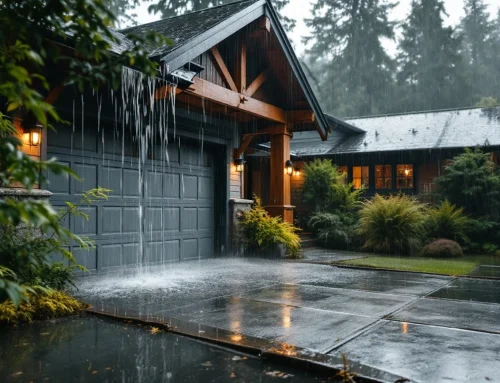
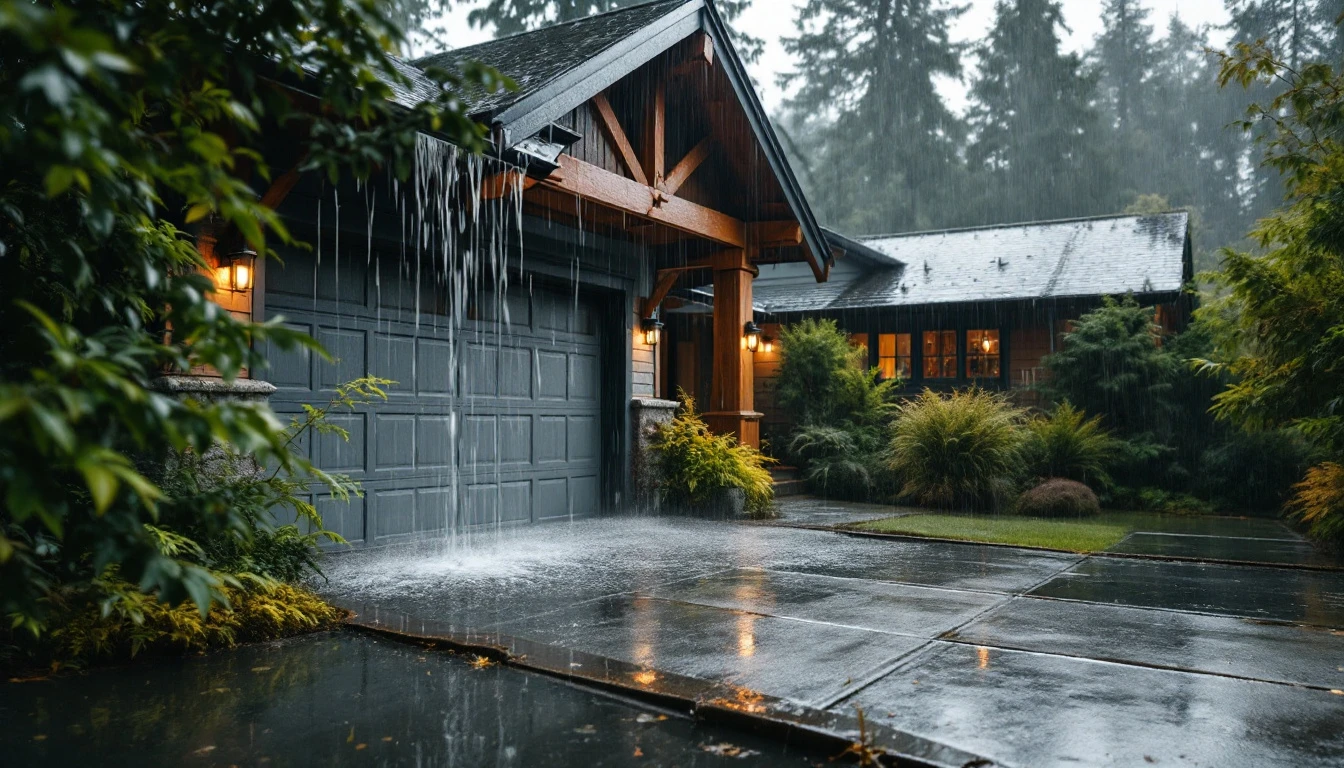
Oregon’s spring storms bring heavy rainfall that can turn garages into vulnerable entry points for water damage and flooding. Learning how to protect garage door flood damage is essential for homeowners in flood-prone regions during peak season.
March–May peak flood season in Oregon valleys
Oregon’s spring brings heavy rainfall and snowmelt to valleys and low-lying areas, creating peak flood conditions from March through May. During this window, attached garages face 80% higher water intrusion risk than detached structures due to their direct connection to your home’s foundation and shared drainage systems.
Water damage repair represents a major expense for homeowners.
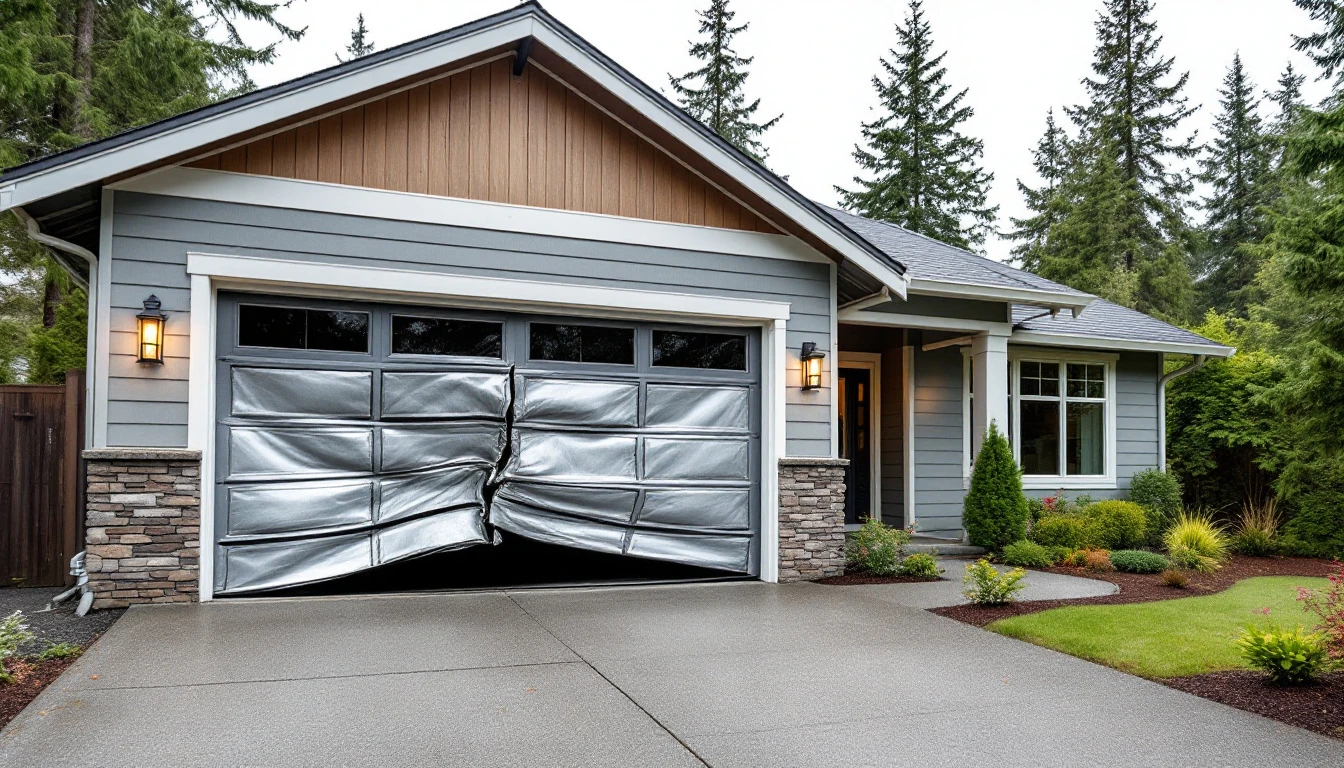
Without proper prevention measures, most homeowners face substantial water damage repair bills when spring floods strike their garages. These emergency repairs become necessary when water intrusion damages foundation walls, electrical systems, and stored belongings during March storm events.
Taking action in February and early March prevents these emergency scenarios entirely. Early preparation gives you time to identify vulnerabilities and install protection systems before heavy rains arrive.
Weatherproofing Materials & Supplies
Before March flood warnings activate, stock your garage with specific weatherproofing materials that create multiple barriers against water intrusion. These DIY-friendly products install quickly and provide protection that lasts for years.
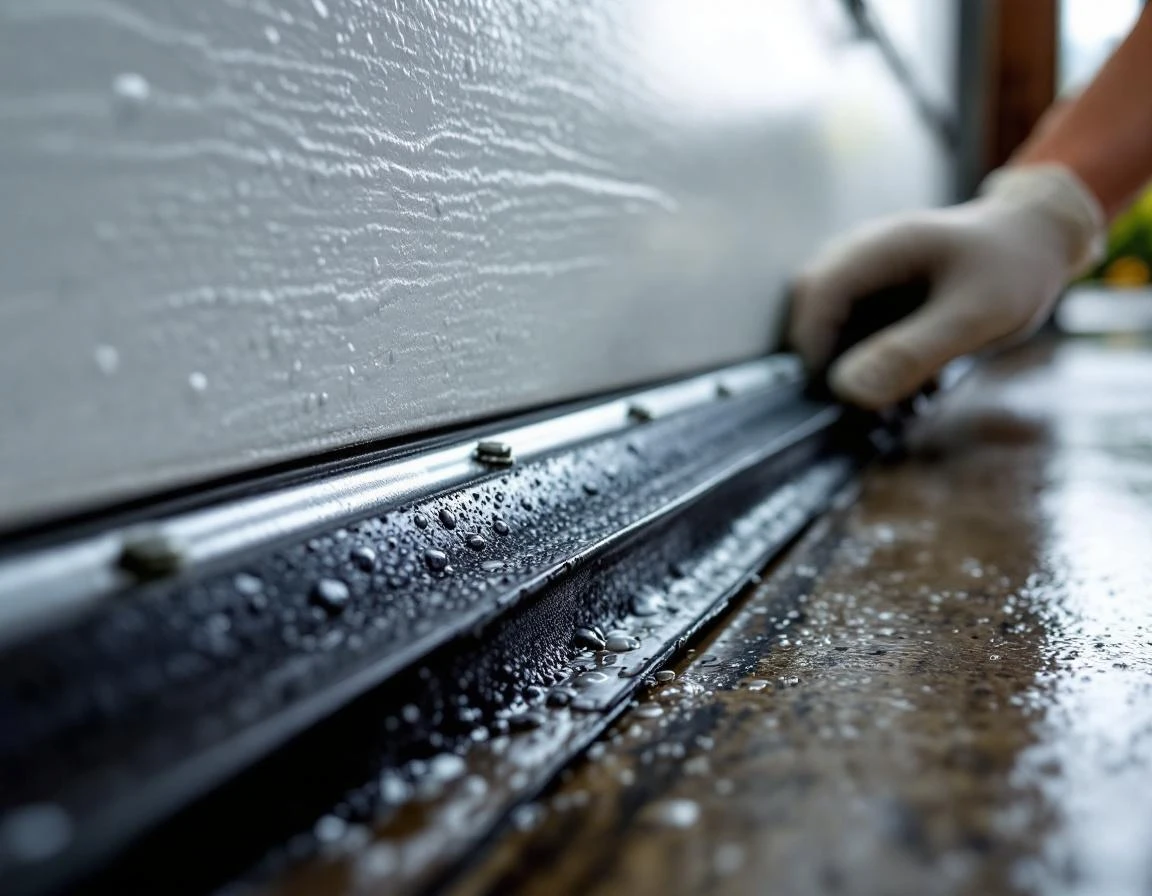
- Weatherstripping replacement serves as your first defense against water seepage. Check all door frames for worn or compressed weatherstripping, which allows moisture to penetrate even small gaps. Replace old strips with self-adhesive foam or rubber weatherstripping available at any hardware store for $15-30 per door.
- High-quality door sealants and caulk fill frame gaps that weatherstripping can’t address. Look for waterproof silicone caulk rated for exterior use, focusing on areas where door frames meet concrete foundations. Professional-grade caulk provides an economical solution for sealing dozens of potential entry points around your door frame.
- Threshold seals and bottom door sweeps provide ground-level protection where water pressure concentrates during flooding events. Install adjustable threshold seals that compress against door bottoms, creating watertight contact. Quality sweeps mount in minutes with basic tools and offer reliable long-term performance for ground-level water management.
This complete weatherproofing investment typically ranges from $200-400 for an average two-car garage. Compare that to the $15,000+ repair costs discussed earlier, and the value becomes clear. Installing these materials yourself takes just a few hours, or our team can handle professional installation before storm season arrives.
Protect Garage Door Flood Damage With System Inspection
Before Oregon’s March storm season arrives, scheduling a professional garage door inspection gives you a clear picture of vulnerabilities that could turn a heavy rain into a flooding disaster. This isn’t about routine maintenance or immediate repairs—it’s a targeted vulnerability assessment focused on flood readiness.
What should inspectors examine? Track alignment and roller condition directly affect how tightly your door seals against the frame. Even minor misalignment creates gaps where water can rush through. Spring tension and balance prevent door warping under water pressure, which can compromise the entire seal integrity when storm runoff accumulates. Sensor functionality means your door operates safely during weather events, preventing dangerous situations if you need quick access during flooding.
A professional inspection typically costs $150–250—a small investment compared to emergency repairs averaging over $15,000. Schedule your inspection by mid-March to allow time for addressing any issues before April rains intensify. The inspection fee reveals hidden problems before they become flood entry points, protecting both your garage contents and attached living spaces from water intrusion.
Drainage & Foundation Preparation
Even the best garage door seal becomes useless if water is pooling around your foundation or flowing directly toward your door. Before you invest in weatherstripping or door sweeps, you need to address the broader drainage issues that affect your entire garage structure and flood damage prevention efforts.
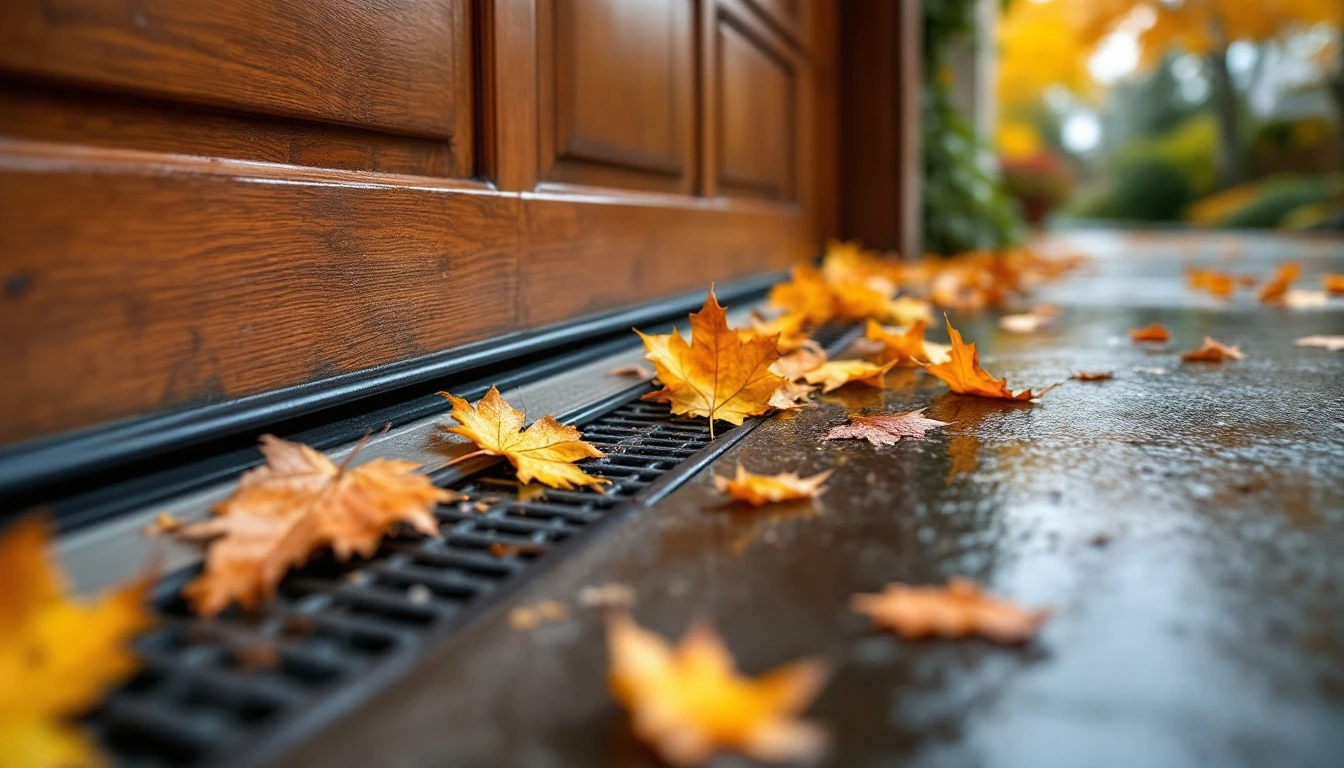
Start by inspecting your gutters and downspouts. Clogged gutters overflow during heavy rain, dumping thousands of gallons of water directly alongside your foundation. Clear all debris and extend downspouts at least six feet away from your garage. Next, check the ground slope around your foundation—it should angle away from the structure at a minimum grade of one inch per foot for the first six feet.
Walk your foundation perimeter looking for visible cracks. Seal any openings with hydraulic cement or polyurethane caulk before March arrives. For garages in flood-prone areas with high water tables, consider installing a sump pump system or flood vents to actively remove water that accumulates below the foundation level. Complete this foundational work before late March when flood warnings typically activate across Oregon counties.
Pre-Flood Warning Action Plan
Ready to turn preparation into action? Here’s your printable checklist with specific deadlines that align with Oregon’s flood timeline and garage door flood preparedness tips.
- By February 28: Document your garage’s current condition with dated photos showing door seals, floor condition, wall junctions, and stored items. Measure distances from floor drains to doorways. These records become evidence if you need to file insurance claims later.
- By March 5: Sign up for flood alerts through your county emergency system. Willamette Valley residents should register at FloodAware.org, while Clackamas County homeowners can text CCEM to 888777 for real-time warnings. Marion County residents should visit ReadyMarion.org for alert registration.
- By March 10: Create your emergency contact list including your garage door contractor’s after-hours number, your insurance agent, and a backup contractor. Store this list in your phone and post a printed copy inside your garage.
- By March 15: Complete all inspections and weatherproofing installations. Proper retrofitting helps protect your home from flooding. But contractors get overbooked once April storms arrive, so finishing by mid-March means you’ll beat the bottleneck and have everything tested before heavy rains begin.