Why Portland’s Wet Climate Accelerates Weatherstripping Wear
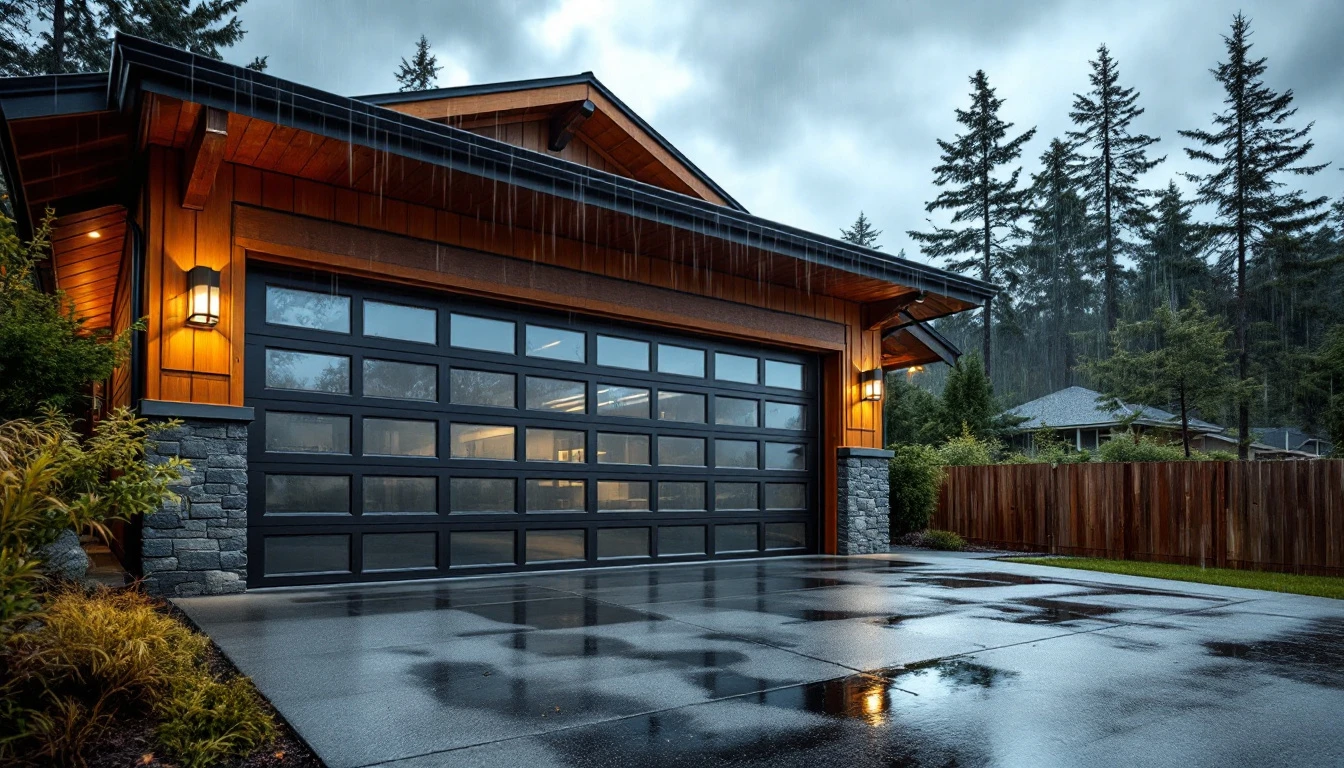
Portland’s climate isn’t just wet—it’s relentless. With more than 43 inches of annual rainfall concentrated between October and May, your garage door weatherstripping faces constant moisture exposure that most other regions simply don’t experience. Knowing when to replace garage door weatherstripping in our climate is critical to protecting your home from water damage. Every rainstorm drives water against the rubber seals, saturating the material and creating conditions for rapid deterioration.
What makes our climate particularly tough on weatherstripping is the temperature fluctuation. Portland experiences swings between freezing winters (occasionally dipping to 30°F) and warm summers reaching 80°F or higher. These expansion and contraction cycles stress rubber and foam materials, causing them to crack, lose flexibility, and eventually fail. Even mild spring days followed by cool nights create this damaging cycle.
Why does this matter for your home? Failing weatherstripping is the gateway to serious problems. Water intrusion leads to rust on metal door components, mold growth in your garage, and even structural damage to door frames and surrounding walls. The costs add up quickly when moisture gets past that crucial seal.
Here’s the good news: properly maintained weatherstripping extends your overall garage door lifespan by 5-10 years. That’s thousands of dollars in delayed replacement costs—money that stays in your pocket simply by recognizing when those rubber seals need attention. For Portland homeowners, this maintenance isn’t optional; it’s essential protection against our unique weather challenges.
The Five Warning Signs Your Garage Door Weatherstripping Needs Replacement
Identifying deteriorated weatherstripping doesn’t require professional expertise—just a 10-minute inspection on a dry day. These five warning signs indicate it’s time for replacement, and Portland’s wet climate makes each symptom easier to spot.
Sign 1: Visible Cracks, Hardening, or Brittleness When Touched
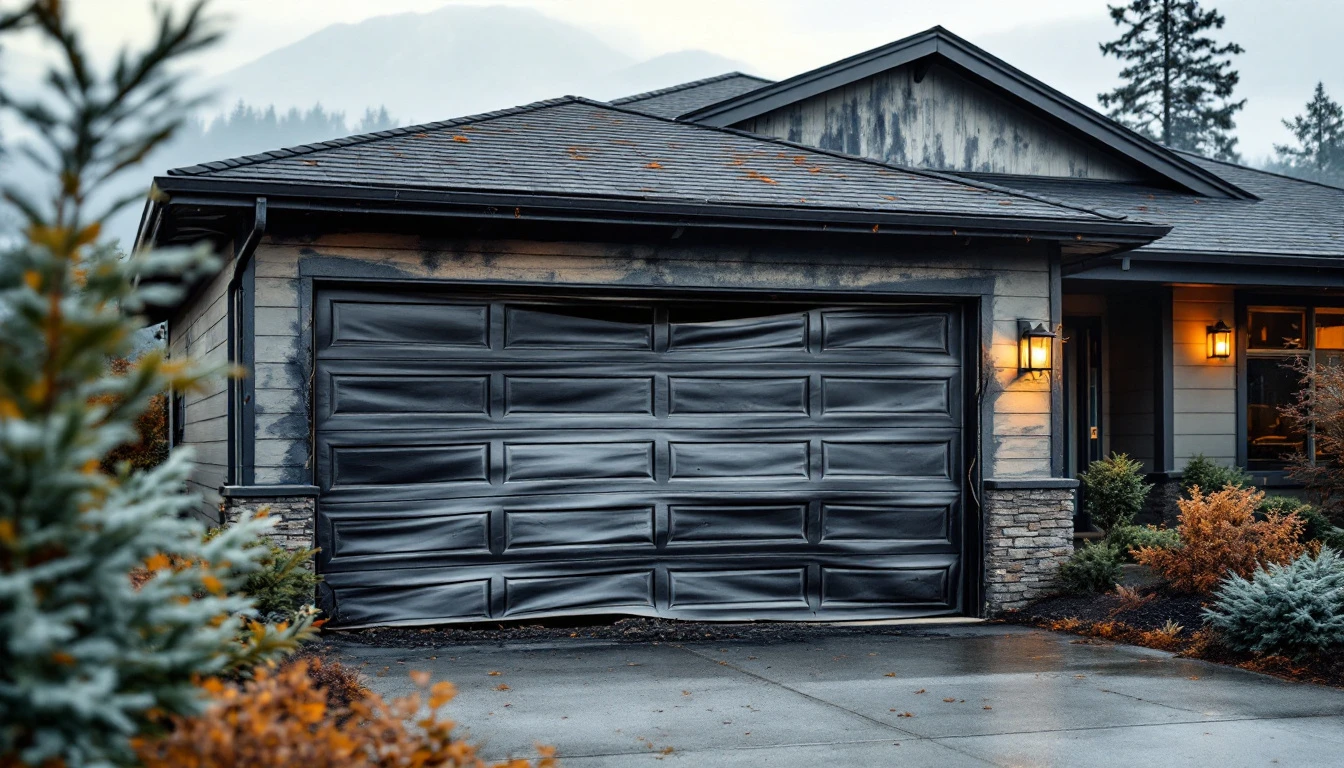
Press your weatherstripping with your thumb. Healthy rubber should compress easily and spring back immediately. If it feels rigid, cracks under pressure, or crumbles when you touch it, moisture has broken down the material. Portland’s freeze-thaw cycles accelerate this hardening process, particularly on north-facing garage doors that receive less direct sunlight to dry out moisture.
Sign 2: Water Pooling Inside Garage or Wet Spots on Walls After Rain
Walk through your garage during or immediately after a rainstorm. Do you see water seeping under the door? Are there damp spots along the bottom of walls or dark staining on concrete floors near the door frame? These are direct indicators that your garage door seal replacement is needed. Given Portland’s 43+ inches of annual rainfall, even small gaps can allow significant water intrusion over time, leading to rust on tools, mold growth, and floor deterioration.
Sign 3: Gaps Visible Between Door Frame and Weatherstripping
Close your garage door and inspect the seal from inside. Can you see daylight peeking through anywhere along the sides or bottom? These visible gaps indicate the weatherstripping has compressed permanently or detached from its mounting track. Try this test: turn off garage lights and look for light streaming in—it’s easier to spot than you’d think.
Sign 4: Increased Heating or Cooling Costs
If your garage is climate-controlled or shares walls with your home, failing weatherstripping forces your HVAC system to work harder. Many Portland homeowners notice utility bill increases during wet winter months when cold, damp air infiltrates through compromised seals.
Sign 5: Worn Rubber That No Longer Compresses
Even without visible cracks, weatherstripping loses elasticity over time. Press the material—if it stays compressed or doesn’t return to its original shape within seconds, it can no longer create an effective seal against Portland’s persistent rain and wind-driven moisture.
Typical Replacement Timeline: Every 3–5 Years in Portland Metro
Portland’s climate makes fall inspection the most critical timing decision you’ll make. Scheduling your weatherstripping check in September or October—before the rainy season begins—lets you catch deterioration while you can still plan a replacement rather than scrambling for emergency repairs when water’s already flooding in.
The 3–5 year replacement window isn’t arbitrary for our region. Consider these factors that affect your weatherstripping lifespan:
- Garages facing prevailing west winds take the hardest beating from wind-driven rain and typically need replacement every 3 years
- Sheltered locations protected by trees or neighboring structures may stretch timelines to 5–6 years
- South-facing doors experience more UV degradation
- North-facing garages stay wetter longer
- Proximity to trees accelerates wear through debris accumulation and constant shade keeping weatherstripping damp
Proactive homeowners who follow this timeline avoid those middle-of-winter emergency calls when finding same-day service becomes nearly impossible.
DIY Replacement vs. Professional Service: Cost and Complexity Analysis
Should you tackle weatherstripping replacement yourself or call in the experts? The answer depends on how many warning signs you’re seeing and your comfort level with garage door mechanics.
For homeowners spotting just one or two minor issues—perhaps slight cracking on the bottom seal or a small gap on one side—DIY replacement makes financial sense. Material costs typically run depending on your door size and the quality of weatherstripping you choose. Plan on dedicating 1 to 2 hours for the project, assuming you have moderate DIY skills and the right tools. Installation involves removing old stripping, cleaning surfaces thoroughly, and carefully applying new seals while ensuring proper compression.
Professional service costs more upfront at for complete replacement, but brings significant advantages for extensive damage scenarios. When you’re seeing all five warning signs—hardened rubber, water intrusion, visible gaps, energy loss, and compression failure—professional garage door weatherstripping replacement becomes the smarter investment. Here in the Portland metro area, experienced technicians understand how our humidity and constant moisture affects installation timing and adhesive performance. They’ll complete the job in under an hour, include warranties covering materials and labor, and maintain proper sealing even during our notoriously wet fall and winter months.
Consider this decision matrix: One to two signs? DIY is viable and cost-effective. Three or more signs, especially water intrusion? Professional service prevents recurring problems and ensures weatherstripping performs properly in our demanding climate.
Labor costs in Portland reflect our competitive market, but the peace of mind and warranty protection often justify the investment when damage is extensive.
How to Inspect Your Weatherstripping in 10 Minutes
Portland homeowners can perform a complete weatherstripping inspection without any tools, and the best time is right after our fall rains start. Follow these steps:
- Step 1: Close your garage door completely and turn off the interior lights. Walk around the perimeter—any visible light leaks indicate gaps where water and cold air enter.
- Step 2: On a breezy day, run your hand slowly along all edges of the closed door. You’ll feel drafts wherever weatherstripping has failed, particularly common on the hinge side facing prevailing westerly winds.
- Step 3: Press the rubber seal firmly with your thumb. Healthy weatherstripping compresses easily and rebounds within two seconds. If it stays compressed or feels hard, it’s lost elasticity and won’t seal properly.
- Step 4: After Portland’s next rainstorm, check the garage floor near the bottom seal for water marks, dampness, or debris tracked inside—clear evidence the seal has failed.
Next Steps: Schedule Your Replacement Before Winter Rain Returns
If you’ve spotted any of these five warning signs, now is the time to act. Portland’s rainy season begins in earnest by November, and scheduling your weatherstripping replacement this fall protects your garage from the wettest months ahead.
For minor issues like slight cracking on one section, a DIY weekend project with in materials might be all you need. But if you’re seeing multiple warning signs—water intrusion, visible gaps, and hardened rubber—contact a Portland-area professional. Budget for expert installation that ensures proper compression and weathertight seals.
Here’s your immediate action plan:
- Inspect your weatherstripping during the next rainstorm
- Document what you find
- Either gather your DIY materials or schedule a professional assessment
- Set an annual fall inspection reminder
Don’t wait until water damage appears. Contact Garage Harmony today to schedule your inspection!