1970s Planned Community Garages and Gorge Winds
North Bonneville’s planned community homes from the 1970s face unique wind challenges requiring specialized garage door upgrades and reinforcement strategies. Protecting your garage from Columbia Gorge winds means understanding how seasonal east winds—reaching 40-80 mph—stress doors built to pre-1980 standards.
North Bonneville’s relocated 1970s planned
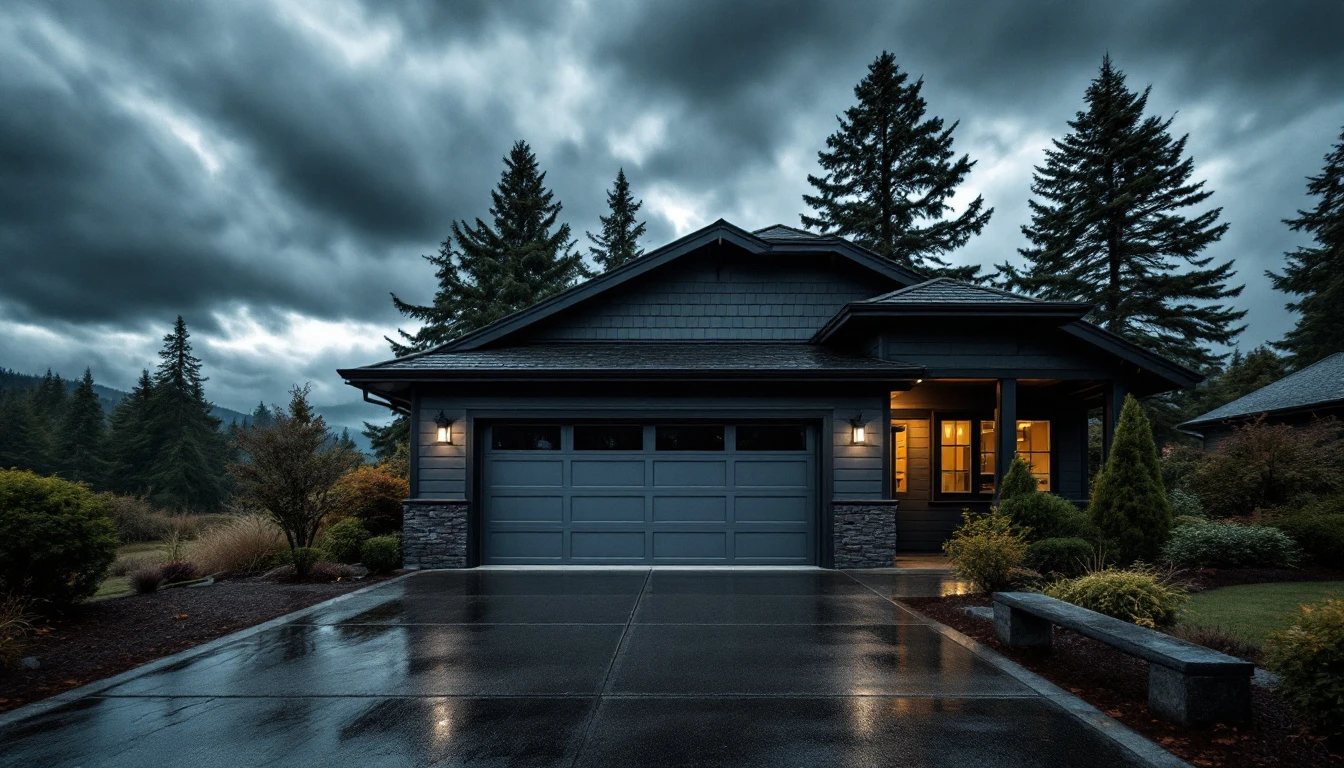
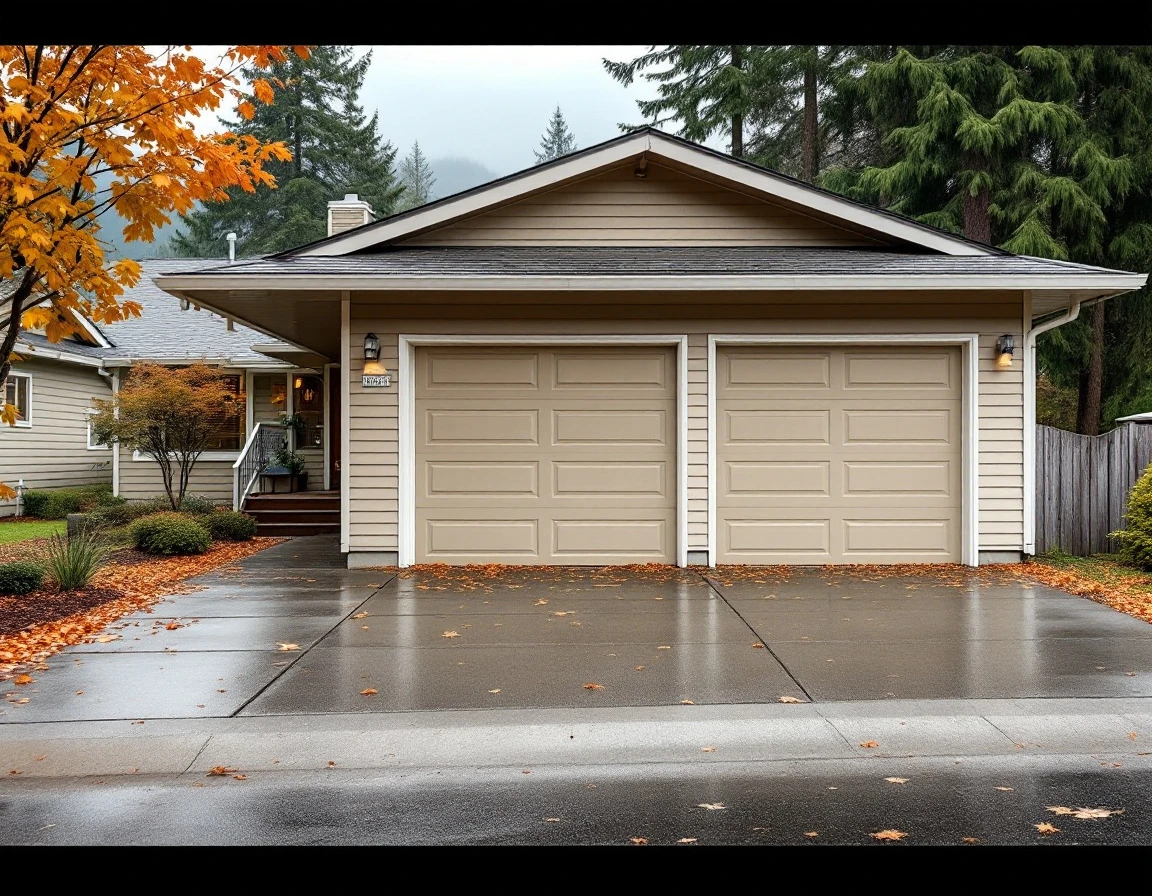
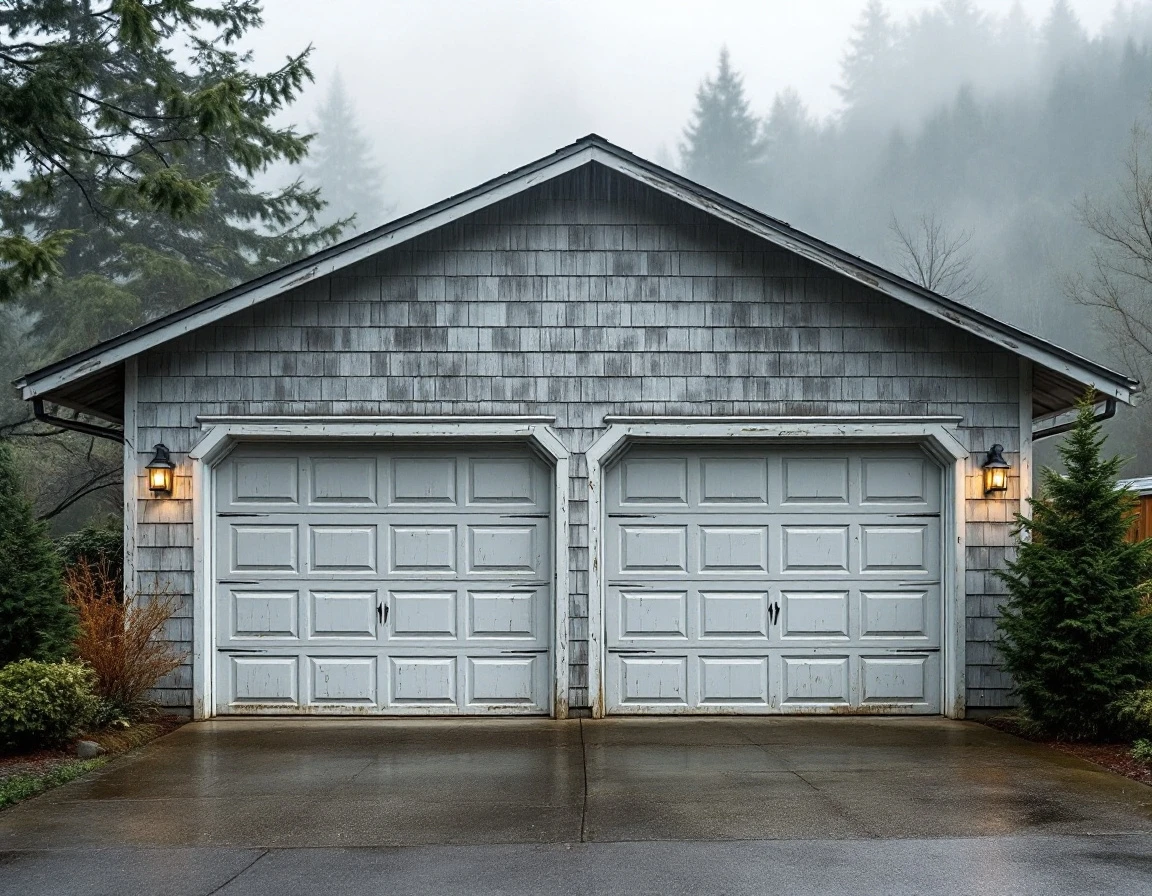
North Bonneville’s unique history as a relocated planned community means most homes feature attached two-car garages built to pre-1980 door standards. These original installations weren’t designed for the extreme wind loads common in the Columbia Gorge today.
During spring and fall wind seasons, east winds consistently reach 40-80 mph. Putting tremendous stress on garage doors that may not meet modern wind-rating requirements. These seasonal patterns make upgrading to wind-rated doors essential for protecting your home.
Original garage doors lack wind-rated
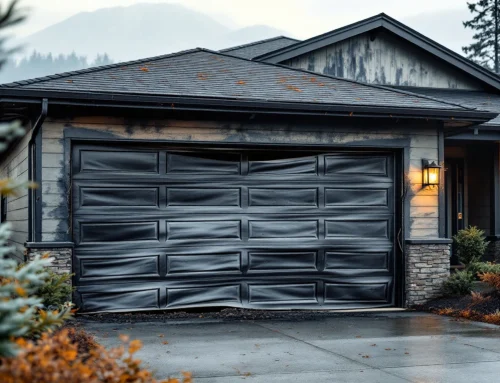
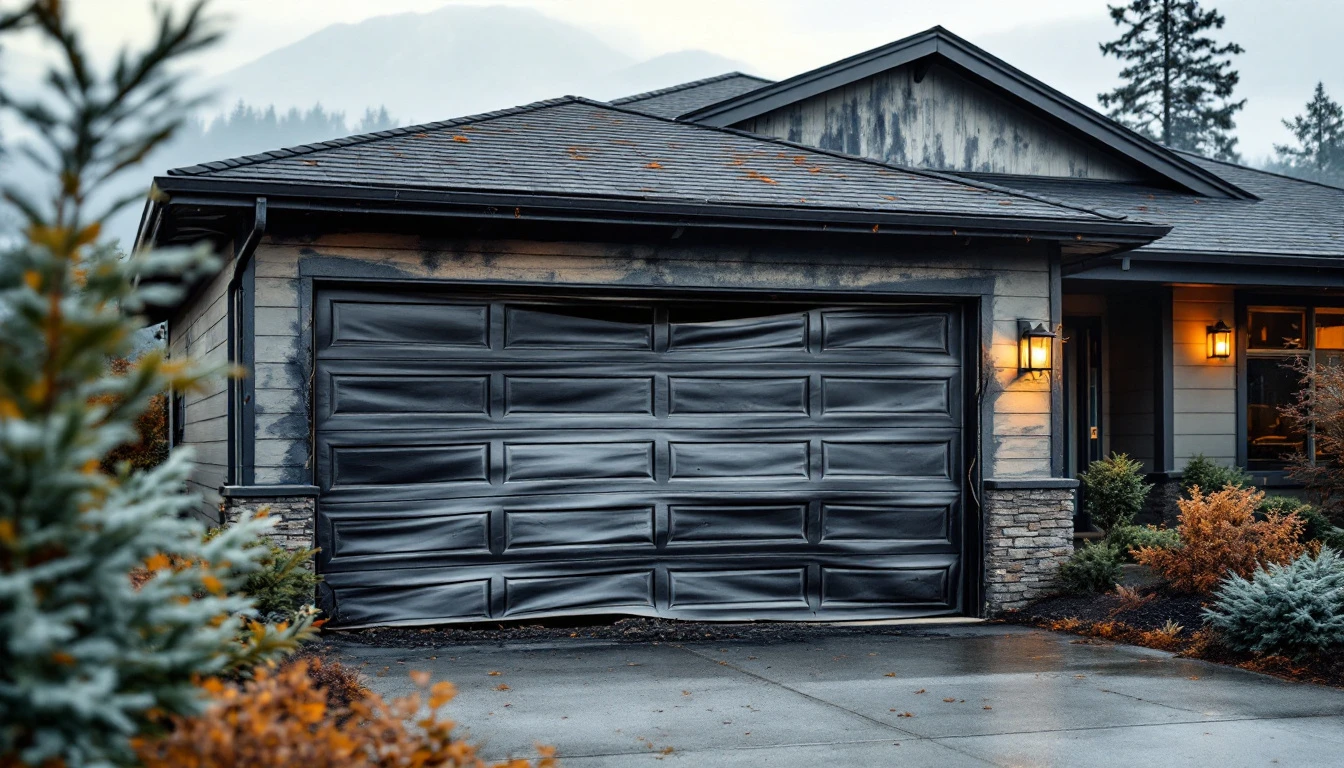
North Bonneville’s 1970s planned community homes came with standard garage doors built to basic shelter standards, not the wind-rated specifications modern Gorge conditions demand. These original installations lack reinforcement struts, heavy-duty tracks, and impact-resistant panels needed when gusts reach 40-80 mph.
The Columbia Gorge wind calendar creates a natural upgrade deadline. Seasonal wind patterns peak in May. When spring gusts test every vulnerable door in the community. Schedule your wind-rated door installation for early spring 2026 to complete upgrades before peak season returns.
Wind-Rated Door Specifications for Columbia Gorge Garage Door Wind Protection
Two primary standards define wind-rated garage door performance in the Columbia Gorge:
- NFPA 80 (National Fire Protection Association) — establishes fire door assembly requirements but includes wind-load classifications
- ASTM E1233 (American Society for Testing and Materials) — measures how garage doors handle sustained wind pressure and repeated cycles
Both standards rate doors in miles-per-hour wind speed categories—90 mph, 120 mph, and 150+ mph for extreme coastal or mountain exposure.
For North Bonneville homes facing extreme winds, 90 mph is the minimum specification you should accept, given the Gorge’s documented 40-60 mph gusts during spring wind events. However, 120+ mph doors are recommended for homes with direct east-wind exposure or improved locations where wind acceleration occurs.
Why the higher rating? Gorge winds don’t blow steadily—they gust unpredictably, and peak gusts can exceed average speeds measurably.
What makes a wind-rated door different from your 1970s-era door? Consider these key structural differences:
- Reinforced frames use heavier gauge steel anchored into structural wall framing, not just trim boards
- Impact-resistant panels feature steel backing or foam-filled construction that won’t buckle under pressure
- Structural bracing includes horizontal and vertical struts across the door’s interior surface
- Heavy-duty hardware—springs, cables, and hinges—handles the added stress from wind pushing against the door surface
Upgrading from pre-1980 standards to wind-rated specifications solves the core vulnerability: your existing door was designed for 25 mph winds, not the 40-80 mph reality of Gorge conditions. Modern wind-rated doors meet current building codes and provide permanent protection against seasonal wind damage.
Budget-Tiered Reinforcement Options
How much should you invest in protecting your North Bonneville garage from Columbia Gorge winds? The answer depends on your current door’s condition, your wind exposure, and your budget constraints. Let’s break down three proven upgrade paths with realistic cost ranges for our area.
Full Door Replacement: The Long-Term Solution
Full door replacement ($1,200–$3,500) delivers permanent wind protection and the best long-term value. Wind-rated doors meeting NFPA 80 standards come with reinforced frames, impact-resistant panels, and structural bracing that 1970s doors simply can’t match. If your door is older than 20 years or shows visible damage from previous wind events, prioritize replacement before spring 2026’s peak wind season arrives.
Brace Kits: The Interim Reinforcement
Brace kit installations ($300–$800) reinforce structurally sound doors for moderate wind loads. These kits add horizontal and vertical struts that distribute wind pressure across your existing panels, extending door lifespan by 6–12 months while you plan for eventual replacement. Brace kits work best for doors that pass visual inspection but weren’t originally engineered for Gorge conditions.
Seal Upgrades: The Foundation Layer
Seal and weatherstripping upgrades ($150–$400) reduce wind-driven rain and debris infiltration but offer limited structural wind protection. Think of seals as foundational improvements that benefit all doors, if you’re planning replacement next month or next year.
Your decision tree: assess current door condition first, then match your urgency to your budget. Contact us today for a free assessment specific to your North Bonneville home’s wind exposure.
Installation and Reinforcement Methods
Wind-rated door installations differ completely from standard garage door replacements. The process starts with reinforced headers and track systems engineered to handle lateral loads—the sideways pressure Columbia Gorge winds exert on door panels. Installers attach wind-rated tracks with heavy-duty fasteners drilled into studs, not just drywall, and use reinforced roller systems that keep panels stable when 40+ mph gusts hit your door.
Brace kits offer an alternative reinforcement approach for North Bonneville’s 1970s doors that still have structural integrity. These kits use horizontal or diagonal aluminum struts bolted across door panels, distributing wind load across the entire door surface rather than concentrating stress at panel edges. Installation requires drilling through panels at manufacturer-specified points, then anchoring braces to both the door frame and wall studs.
Can homeowners tackle these upgrades themselves? Weatherstripping and seal replacement are DIY-friendly projects covered in basic maintenance guides.
Structural reinforcements—header bracing, track upgrades, and brace kit installation—require professional expertise. Manufacturers void warranties when untrained installers compromise structural integrity, and improperly installed wind braces can actually weaken door panels under stress.
Spring maintenance windows in March and April provide ideal timing for professional installations. Scheduling upgrades before May’s peak wind season means your garage gets protection exactly when Columbia Gorge conditions intensify. Professional installers handle permit requirements and guarantee installations meet Washington State Residential Code specifications for your planned community.
Spring 2026 Pre-Wind-Season Action Plan
May is your final preparation window before Columbia Gorge wind season intensifies. Peak Gorge winds hit between May and September, making early May the ideal time to complete garage door reinforcement and high wind upgrades before 40-80 mph gusts arrive. Start with a 15-minute visual inspection of your North Bonneville garage door. Look for:
- Visible panel cracks
- Seal gaps around the door perimeter
- Panel misalignment that creates entry points for wind pressure
- Rust on hinges or tracks
- Debris accumulation in track channels
Once you’ve documented your door’s condition, follow this week-by-week timeline for May 2026:
- Week 1-2: Request quotes from installers for either full wind-rated door replacement or brace kit installation, depending on your chosen upgrade path from previous sections
- Week 2-3: Schedule installation work with local contractors or Portland-based companies serving the Gorge region. Book early—installer availability tightens as summer approaches
- Week 3-4: Complete installation and conduct post-installation safety tests
After installation, test your auto-reverse sensor by placing a block of wood under the closing door to verify proper function. If possible, simulate wind load by applying pressure to the door exterior while closed to check for flexing or seal gaps. Document your pre-season door condition with photos and receipts for insurance and warranty verification. Acting in May prevents emergency repairs during June-September wind peaks when installer response times stretch and costs rise.
Emergency Repair and Insurance Considerations
What happens if a spring windstorm damages your garage door before you complete your upgrade? Taking immediate action limits further damage. If wind tears panels loose or bends tracks, secure flapping sections with temporary bracing and clear any debris blocking the door’s path. Weatherstripping tape can seal gaps to keep rain and snow out until professional repairs arrive. However, structural damage to frames, springs, or openers requires professional service — temporary fixes won’t restore safe operation.
For emergency situations in North Bonneville and nearby Stevenson or Cascade Locks, contact local Columbia Gorge garage door specialists who offer 24-hour response to emergency garage door repair needs. Acting quickly prevents secondary water damage to stored vehicles and equipment.
When filing insurance claims for wind damage, documentation matters. Insurers typically require photos of pre-existing conditions, maintenance records showing regular service, and clear before-and-after damage images. Photograph all four corners of your door, hardware closeups, and interior bracing. Proof of prior maintenance strengthens claims and may reduce deductibles.
The better approach? Upgrading before May’s wind season eliminates emergency scenarios entirely. Wind-rated doors installed now may even qualify for reduced premiums on homeowner policies covering this high-wind region.