Garage Door Inspection Before Heavy Rain: Why November Threatens Your Investment
Portland homeowners know November brings more than just rain—it delivers relentless downpours that test every vulnerable point in your garage. When Pacific Northwest weather shifts into high gear, heavy rainfall combines with freeze-thaw cycles that expand and contract even the smallest gaps in door seals and weatherstripping. A garage door inspection before heavy rain can stop water intrusion before it starts. What begins as a minor crack becomes a highway for moisture penetration.
Once water finds its way inside, the consequences multiply quickly. Stored belongings suffer damage, concrete floors develop moisture problems, and mold begins colonizing damp corners. Even worse? When emergency repairs become necessary mid-storm, service appointments fill up fast, leaving you waiting days while water continues seeping in.
The solution is simple: inspect and repair before the storms arrive. Taking action now protects your investment and keeps you off the emergency repair waitlist.
15-Minute Inspection Checklist
When the National Weather Service issues a heavy rain forecast for the Portland metro area, you have a brief window to inspect your garage door and prevent water damage. This quick checklist walks you through three critical inspection zones that homeowners can complete in just 15 minutes—well before the first drops fall:
- Visual Weatherstripping Assessment
- Water Entry Testing
- Bottom Door Seal Check
Visual Weatherstripping Assessment
Start by examining the weatherstripping along both side rails and the top of your garage door. Look for telltale signs of aging: cracks that run along the rubber surface, peeling where the seal separates from the metal track, or hardening that makes the material feel brittle rather than flexible. Press the weatherstripping with your thumb—if it doesn’t spring back to its original shape, it has lost compression and won’t form a watertight seal when the door closes.
Water Entry Testing
Close your garage door completely and grab a garden hose. Working from outside, spray water directly at the door seals along the sides and top, holding the stream at each section for 10-15 seconds. Step inside and watch for water penetration—any moisture appearing on the interior side indicates a failed seal. Pay special attention to corners where horizontal and vertical weatherstripping meet, as these junction points fail first.
Bottom Door Seal Check
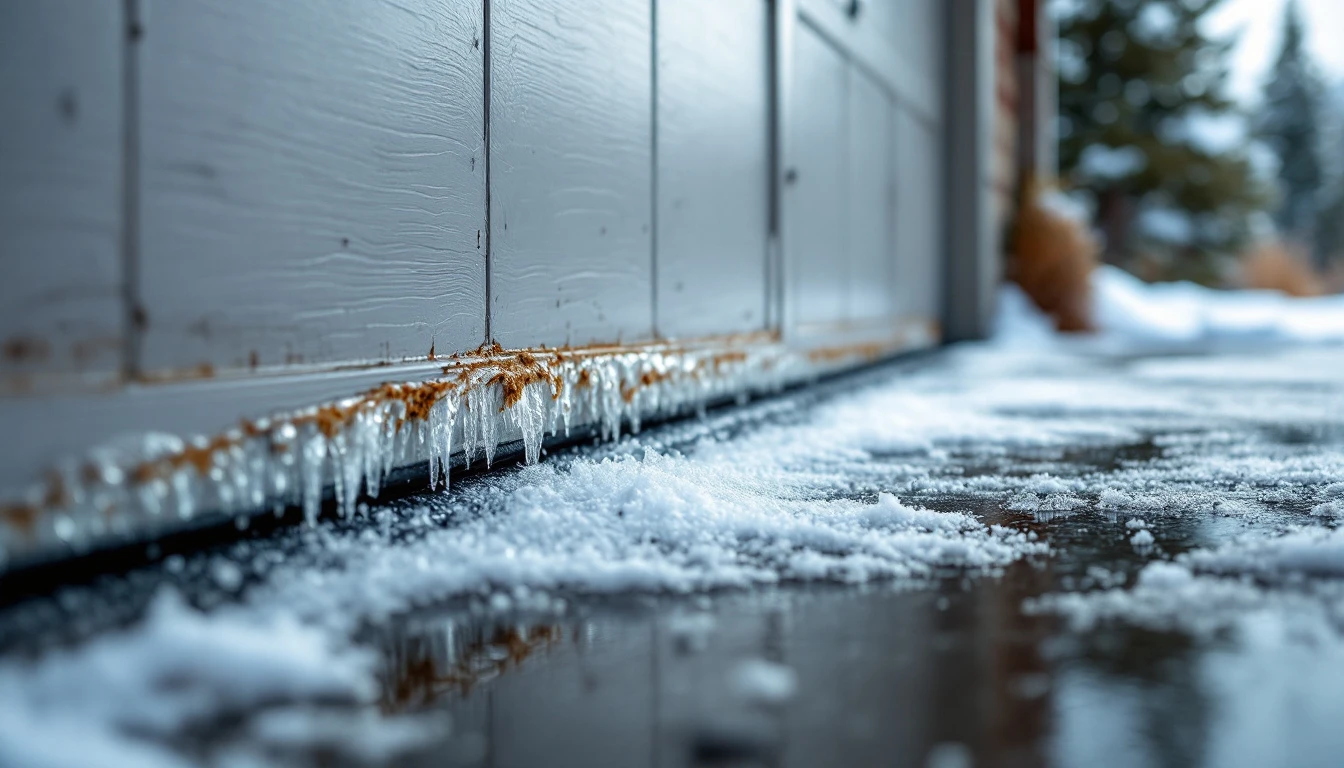
The bottom seal takes the most punishment from Portland’s rain. Close the door and kneel down to inspect the threshold contact. Can you see daylight or gaps beneath the seal? Does the rubber compress firmly against the concrete, or does it hover above the surface? A properly functioning bottom seal should create continuous contact across the entire door width with no visible gaps or light penetration.
Visual Weatherstripping Assessment
Start by examining the rubber seals along your garage door’s sides and top. When inspecting garage door weatherstripping before a storm, look for weatherstripping that appears hardened, cracked, or peeling—these are clear indicators that replacement is overdue. Press the rubber gently with your thumb; if it doesn’t spring back to its original shape, compression loss has occurred and the seal will fail when cold November rain arrives.
Pacific Northwest conditions are particularly harsh on weatherstripping. The frequent moisture combined with temperature swings between 35°F nights and 55°F days accelerates rubber degradation faster than in drier climates. Seals that look marginally acceptable during summer will crack and leak once freeze-thaw cycles begin in late fall.
Water Entry Testing
Once you’ve visually assessed your weatherstripping, it’s time to test how the seals perform under real-world conditions. Stand inside your garage with the door closed and have someone spray a garden hose at the seals from outside, simulating November rain. Focus water pressure on the bottom seal. Where the door meets the floor, and the side rail junctures where vertical weatherstripping meets the frame.
Watch carefully for drips along compression points and around the header seal at the top of the door. This diagnostic test reveals failures before heavy rainfall turns minor leaks into urgent repair needs. If you spot drips, replace weatherstripping now while service appointments are available. Significant gaps or persistent water intrusion warrant professional inspection before the next storm front arrives.
Bottom Door Seal Check
Your garage door’s bottom seal faces the heaviest water pressure during Pacific Northwest storms and deserves special attention. When the door closes, does the rubber compress evenly against the threshold? Walk the full width of the door and look for visible daylight underneath—any gap invites water and cold air inside.
Check whether the rubber looks hardened, cracked, or brittle. A failing bottom seal is the most common water entry point Portland homeowners face, yet it’s also the easiest to address before November’s heavy rainfall arrives. Replace bottom seals if they’re not making full contact with the threshold.
What to Do After Your Garage Door Inspection
Once you’ve completed your inspection, it’s time to act on what you’ve found. If your weatherstripping shows minor damage—small cracks, light hardening, or minor gaps—schedule a replacement immediately. November storms will drive demand for emergency services through the roof, and you don’t want to wait until water is pooling in your garage to discover that repair appointments are booked solid for weeks.
Simple weatherstripping replacement can often be a DIY project if the damage is limited to surface-level wear. Many home improvement stores carry universal garage door seals that snap or slide into place with basic tools. However, if your inspection revealed water stains, rust patterns, or extensive gaps across multiple sections, those issues may point to deeper problems like frame misalignment or structural settling. In these cases, a professional assessment is essential.
Don’t wait for the first heavy rainstorm to test your repairs. Most homeowners should schedule a professional inspection at least once a year, particularly before storm season peaks.