Why Three Safety Tests Matter
Portland’s fall and winter months bring a perfect storm for garage door failures. When temperatures drop and moisture levels rise, metal components contract, plastic sensors shift, and lubrication thickens. These seasonal changes create dangerous conditions that can compromise the three safety mechanisms protecting your family and property. Understanding the importance of garage door safety sensor testing Portland can help you catch problems before they become hazards.
Your garage door’s photo-eye sensors, auto-reverse function, and manual release help prevent injuries and damage. When photo…”-eyes fall out of alignment, they can’t detect children or pets in the door’s path. A failed auto-reverse won’t stop the door when it encounters resistance—turning a 300-pound door into a crushing hazard. And a broken manual release? That’s your only escape route during a power outage or mechanical failure.
The stakes extend beyond safety. Homeowners face liability risks when preventable accidents occur on their property, and emergency repairs during winter’s busy season cost more and take longer to schedule.
Testing all three mechanisms takes less than half an hour and requires nothing more than household items you already own. By verifying these systems before winter weather settles in, you’ll know whether your door meets safety standards—or whether you need professional help.
Photo-Eye Sensor Alignment Test
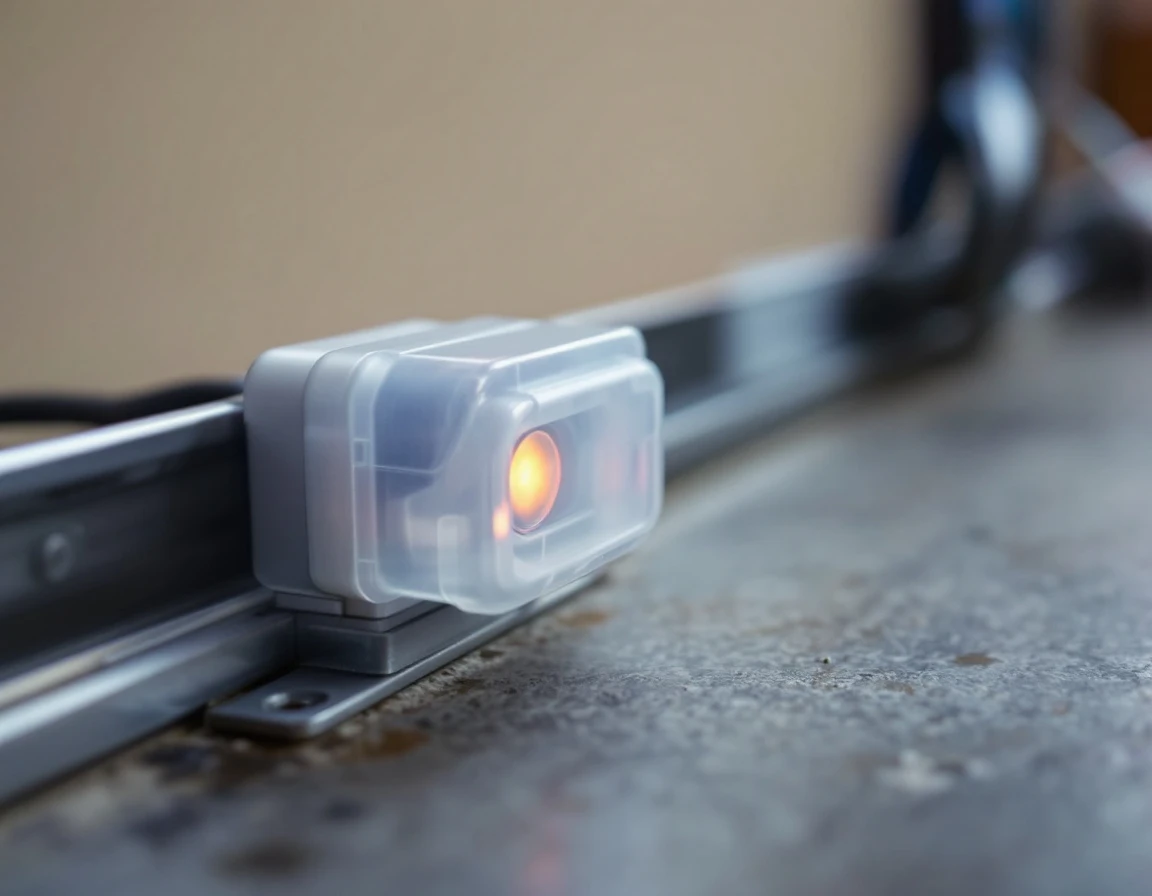
Your garage door’s photo-eye sensors create an invisible infrared beam across the opening at floor level, detecting objects in the door’s path. These paired sensors—one transmitting and one receiving—must maintain perfect alignment to function properly. When the beam breaks, the door stops or reverses, preventing injuries and property damage.
Misalignment is the most common failure mode for photo-eyes, and Portland’s wet climate accelerates the problem. Moisture from rain seeps into mounting brackets, causing subtle shifts. Dust accumulates on lenses during dry months, then traps water droplets when rain returns. Cobwebs stretch between sensors and door tracks, creating obstructions that block the beam.
Start your test by checking sensor height. Both photo-eyes must sit at exactly the same height. Typically four to six inches above the floor. Crouch down and look across the garage opening—if one sensor appears higher or lower than its partner, alignment is off. Next, inspect the lenses for dirt, moisture beads, or spiderweb residue. Clean both lenses with a dry cloth if needed.
Now test the beam function. Place a cardboard box or small stool directly in the door’s path, breaking the invisible line between sensors. Press your wall button or remote to close the door. Normal behavior: the door refuses to move or immediately reverses if already closing. The transmitting sensor usually displays a solid LED light, while the receiving sensor shows either solid or blinking light depending on beam status.
Abnormal results include the door closing despite the obstruction, or failure to close even when the path is clear. These symptoms indicate misalignment, damaged lenses, or wiring problems. If cleaning lenses and gently adjusting sensor angle doesn’t restore function, the safety system needs professional attention before winter weather compounds the issue.
Auto-Reverse Mechanism Testing
Your garage The door’s auto-reverse safety mechanism protects people and property from injury. or damage. When the closing door meets resistance from an object or hand, sensors and mechanical pressure switches detect that obstruction and immediately reverse the door’s motion. This feature is required by federal safety standards and serves as your second critical line of defense.
Testing the garage door auto-reverse testing procedure takes less than five minutes. Place a wooden board—a 2×4 works perfectly—flat on the garage floor directly in the door’s path. Press the close button and watch carefully as the door descends. The door should stop immediately upon contact with the board and reverse direction smoothly without crushing or splintering the wood.
What if your door fails this test? A sluggish response, partial reversal that stops mid-travel, or complete failure to reverse all indicate serious safety problems. Do not use your garage door if it fails to reverse. These failures mean the mechanism won’t protect a child, pet, or family member in the door’s path.
If your auto-reverse mechanism doesn’t perform as described, call a professional immediately. This isn’t a repair you should attempt yourself—the door must remain out of service until properly fixed.

Manual Release Handle Test
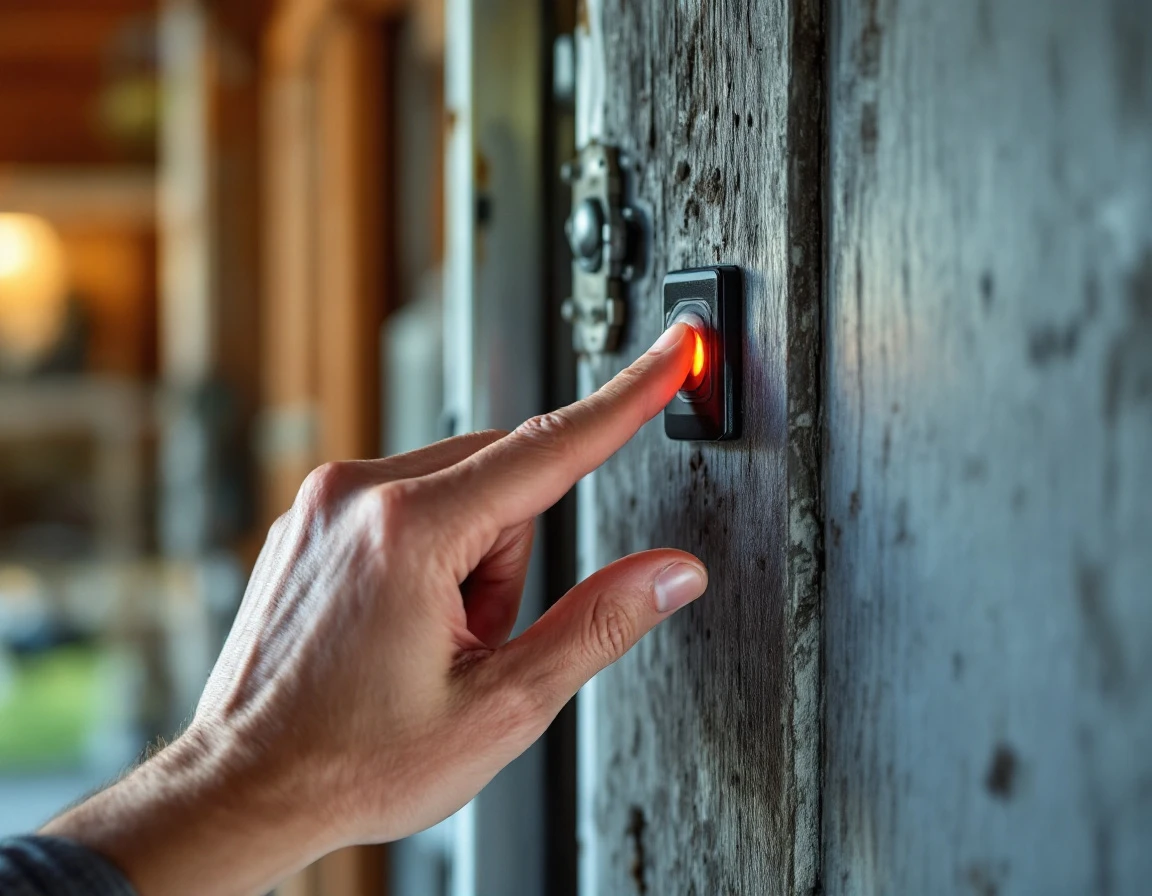
Your garage door’s manual release mechanism serves as your emergency backup when the power goes out. This simple yet essential feature disconnects the door from the opener motor, allowing you to operate it by hand. Testing it now—before you’re fumbling in the dark during a storm—saves both frustration and potential injury.
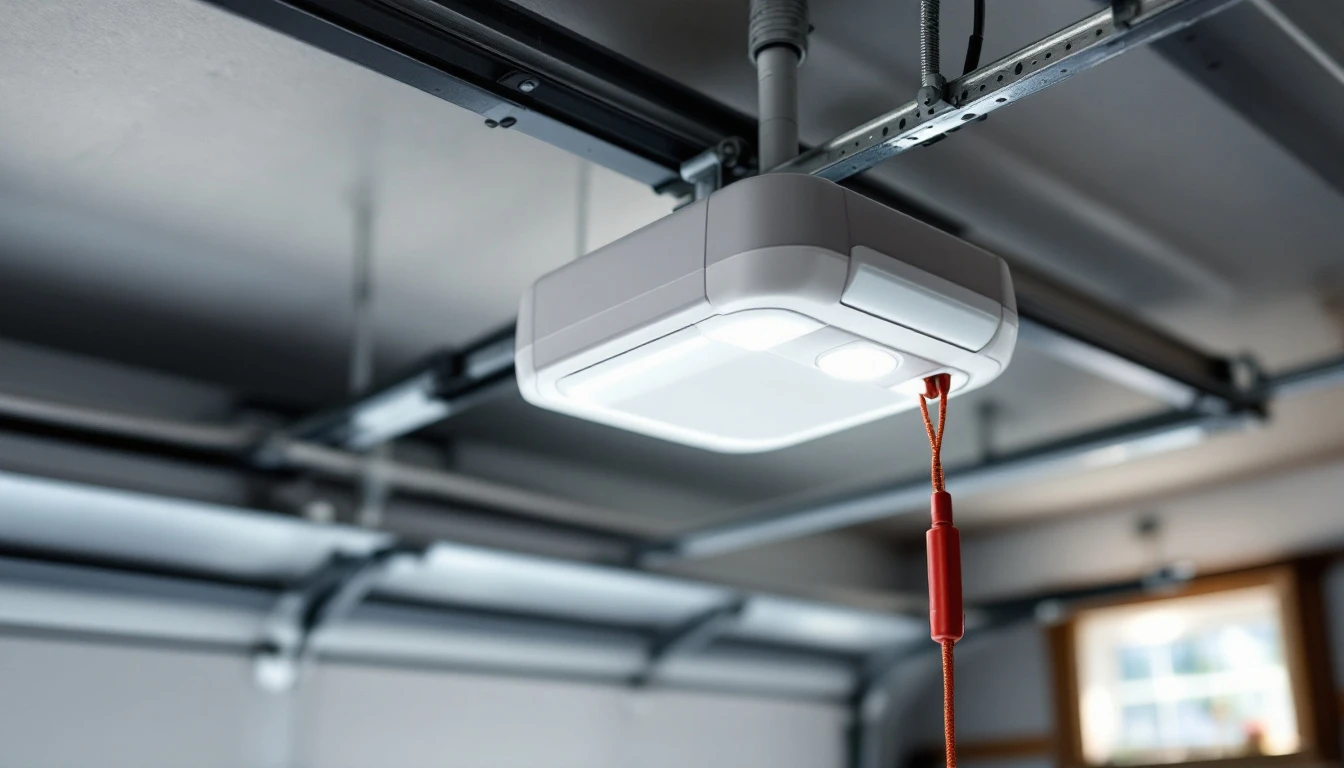
Start by locating the release handle, typically a red cord hanging from the opener track near the motor unit. With your garage door fully closed, pull the handle down and toward the door. You should feel a smooth disconnect as the trolley releases from the opener carriage. The door should now move freely when you lift it manually.
Raise the door about halfway, then lower it again to confirm full manual control in both directions. The door should move without excessive resistance or jerking motions. If the handle feels stiff or stuck, the mechanism may need lubrication—never force it. Testing this release in advance means you’ll have confidence and control during actual power outages, completing the three core safety checks every Portland homeowner should master.
Common Test Failures and Next Steps
Now that you’ve completed all three safety tests, what should you do with the results? Let’s walk through the most common failure causes for each test and when you can tackle the fix yourself versus when to call in professional help.
Photo-Eye Test Failures
If your garage door didn’t reverse when you blocked the sensor beam, the most likely culprit is moisture buildup on the photo-eye lenses—especially common during Portland’s rainy fall and winter months. Dust and debris carried by wet weather can coat the small sensor lenses, breaking the infrared connection. Try wiping both sensor lenses with a clean, dry cloth and repeat the test. If cleaning doesn’t restore function, the sensors may need realignment or replacement by a professional.
Auto-Reverse Test Problems
Did your door hesitate, reverse slowly, or fail to reverse entirely when it contacted the wooden board? This signals potential opener age issues or sensor calibration problems that require professional repair. Never continue using a garage door that fails the auto-reverse test—this mechanism protects people and pets from serious injury.
Manual Release Challenges
If the red release handle felt stuck or the door wouldn’t move smoothly when disconnected, you might need lubrication on the track rollers and hinges. Apply silicone-based garage door lubricant to moving parts and test again. If resistance persists, mechanical binding or spring tension issues require professional assessment.
Document your test results. If multiple tests showed problems, schedule a professional inspection before November to avoid winter emergency repairs. Contact a local Portland garage door specialist for expert evaluation and peace of mind.
Winter Maintenance and Garage Door Safety Sensor Testing Portland
You’ve now completed all three safety tests—photo-eye alignment, auto-reverse function, and manual release. By verifying these mechanisms in November, you’re positioning yourself ahead of Portland’s peak emergency repair season. December and January bring the highest volume of service calls as garage doors fail during winter storms, leaving homeowners stranded when they need access most.
Portland’s rainy season and occasional cold snaps create the perfect conditions for garage door failures. Moisture seeps into sensor housings, temperature fluctuations stress aging components, and metal parts contract in ways that expose hidden weaknesses. Testing now means you’re catching problems before they strand you in the driveway during a January freeze or trap your car inside during a power outage.
Preventive maintenance costs far less than emergency repairs—often two to three times less when you factor in after-hours service fees and expedited parts. More importantly, booking professional service now means shorter wait times and more flexible scheduling. By December, repair companies are juggling urgent calls from homeowners whose doors have already failed.
Take a moment to document your test results. If everything worked perfectly, you can face winter with confidence. If any test revealed issues, contact Garage Harmony or another Portland specialist today. You’ve already done the testing legwork—now let professionals handle repairs before the holiday rush begins.