Spring Storm Risk in Oregon
Pacific Northwest spring storms arrive with little warning, bringing sustained winds of 40-60+ mph to coastal areas, the Willamette Valley, and Portland metro communities. These aren’t gentle April showers—they’re powerful weather systems that test every vulnerable point in your home’s exterior, and garage doors often become the weakest link. Proper garage door high wind preparation can prevent catastrophic failure when these systems hit.
When poorly maintained garage doors fail under wind pressure, homeowners face emergency repairs ranging from $2,000 to $5,000. The March-May storm season demands proactive inspection because once damage occurs, you’re competing with other emergency calls while your garage sits exposed to the elements.
Research shows that 80% of wind damage is preventable through pre-storm assessment and targeted reinforcement—simple steps that take far less time than dealing with storm aftermath.
Seven-Point Pre-Storm Inspection for Garage Door High Wind Preparation
Structural Components Assessment
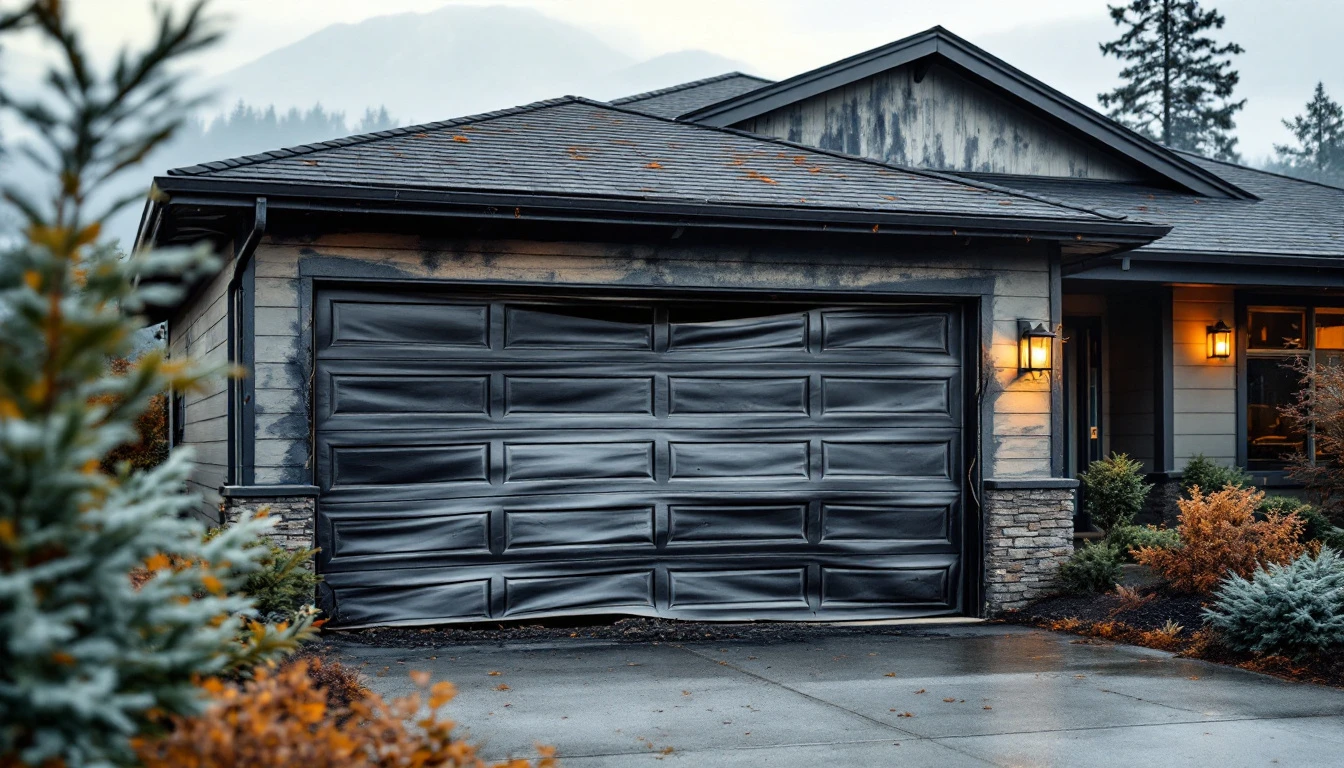
Start with your garage door panels themselves. Walk the full height of the door looking for dents, cracks, or warping that compromise wind resistance. These weak points act as failure zones when gusts exceed 40 mph. Pay close attention to the edges where panels meet—gaps wider than a quarter-inch let wind enter the cavity behind the door, creating pressure that can blow the entire assembly inward.
Next, examine the weatherstripping along all four sides of the door frame. Press your hand against the seals while the door is closed. If you feel air movement or see daylight, those seals need replacement before storm season arrives. Weatherstripping costs under $50 to replace but prevents thousands in water damage from wind-driven rain.
Mechanical Systems Check
Inspect your spring system by looking for rust, gaps in the coils, or uneven tension between paired springs. Weak springs fail under the added stress of wind pressure. Check that safety cables run through the center of extension springs—these prevent spring fragments from becoming projectiles during failure.
Finally, examine the track alignment using a level and check each roller for wear. Loose tracks or damaged rollers allow the door to shift under wind load, leading to binding or derailment. If you spot bent tracks, loose mounting brackets, or more than three worn rollers, professional inspection is necessary before weather events arrive.
Panel and Seal Assessment
Start your inspection by examining the door panels themselves. Wind pressure during storms creates forces that cause panels to buckle inward or separate at their joints. Look for visible dents, cracks, or gaps between panel sections—these weak points allow wind to penetrate deeper into the door assembly.
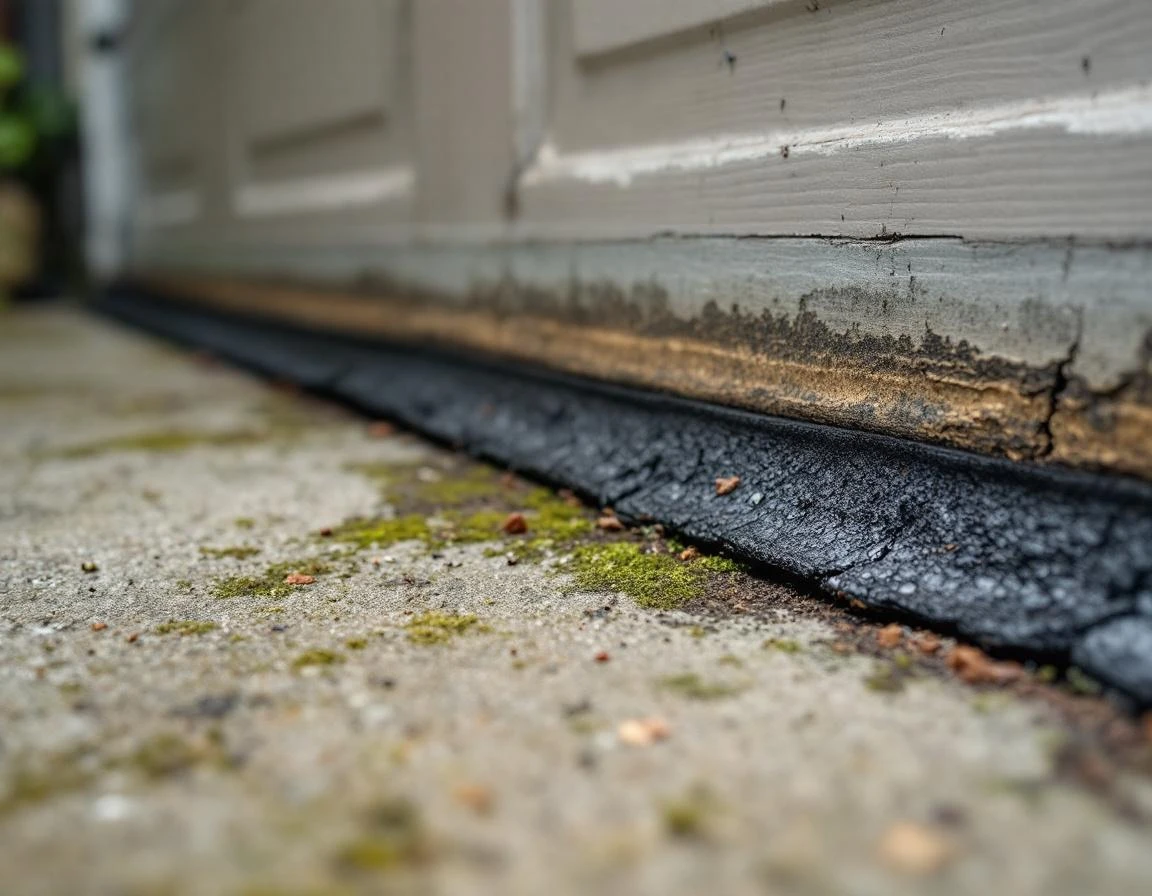
Check the weatherstripping that runs around the entire door perimeter. This rubber or vinyl seal prevents uplift forces from working their way under and behind the door. Small gaps are normal wear, but missing sections or large cracks reduce your door’s wind resistance by 20-30%. Run your hand along the seal to feel for brittleness or deterioration.
For steel doors, inspect for rust spots that weaken panel integrity. Wood panels may show swelling or warping from moisture exposure. Close your door completely and stand inside your garage—any visible light streaming through indicates seal failure points where wind can exploit during storms.
Mechanical Systems and Hardware
After inspecting visible components, test your door’s mechanical systems. Open your garage door halfway and release it. If the door drops or rises on its own, your springs are weak and cannot resist wind pressure during storms.
Check that safety cables run through both extension springs, securing them if they break. Inspect tracks for straightness and watch rollers as the door moves—they should roll smoothly without wobbling or binding.
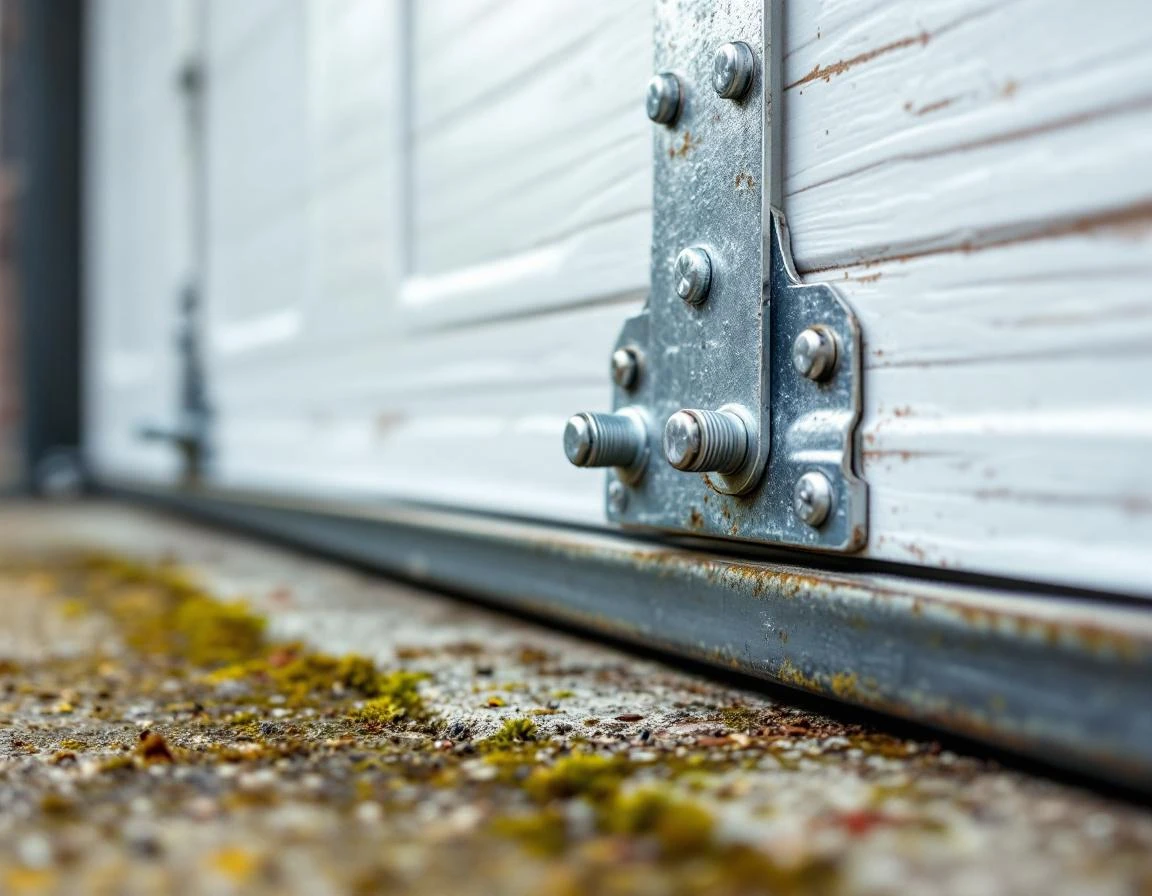
Walk around the door and test every bolt, bracket, and hinge connection by hand. Loose hardware creates weak points where wind forces concentrate during high-speed gusts.
Stop your DIY assessment here if springs seem weak or safety cables are missing. Spring systems operate under extreme tension and require professional inspection. Contact us today for a safety evaluation—attempting spring repairs without proper training poses serious injury risks.
Two High-Impact Reinforcement Upgrades
Once you’ve completed your garage door wind damage prevention checklist. Two reinforcement upgrades offer the highest return on investment for Oregon homeowners facing spring wind events.
- Wind Bracing Kits: Wind bracing kits add horizontal struts across your garage door panels, creating a rigid framework that increases door stability. These steel or aluminum supports distribute wind pressure across multiple anchor points rather than stressing individual panels. For valley properties experiencing moderate wind events, bracing kits represent a cost-effective reinforcement option. Professional installation requires only basic mounting hardware into your door’s existing framework.
- Impact-Resistant Panel Systems: For coastal areas where sustained gusts exceed 60 mph, impact-resistant panels and reinforced weatherstripping provide superior protection. These upgraded panels feature thicker gauge steel or composite materials that resist deformation when wind pressure creates uplift forces on your door. Combined with heavy-duty seals that prevent wind from penetrating gaps, this upgrade runs $600 to $800 installed. The timeline? Under two hours for most standard doors.
Investing $400 to $800 in preventive upgrades avoids the $2,000 to $5,000 you’ll face in emergency repairs after storm damage.
When 100 MPH winds hit a non-reinforced garage door, the door can buckle, fail, and be pulled off its hinges. Both upgrades require professional installation to maintain structural integrity and preserve your door’s warranty coverage.
When to Call a Professional
Some garage door problems demand professional expertise, plain and simple. Failed springs, loose hardware, or misaligned tracks aren’t DIY territory—attempting spring repair yourself is dangerous and voids manufacturer warranties. These components operate under extreme tension and require specialized tools and training.
If you’re in coastal high-wind zones like Pacific City, Cannon Beach, or Yachats. Or own property in exposed valley locations, professional structural assessment becomes even more critical for high wind garage door safety. When a garage door fails, it can begin a cascade of damage with the roof and surrounding walls unable to handle the force of the wind inside the garage. These areas face the most intense spring storm conditions, and standard residential doors often need reinforcement upgrades that go beyond basic maintenance.
Timing matters. Professional inspection and reinforcement can be completed in time for March storms—but delays push you into emergency repair territory when costs triple. Garage Harmony serves Oregon communities with same-week inspection and reinforcement scheduling. Contact us today to secure your assessment before the next storm system arrives.