Why Early Warning Signs Matter in Portland’s Climate
Portland’s unique climate creates a perfect storm for garage door deterioration. With 36-42 inches of annual rainfall, moisture seeps into every vulnerable joint, accelerating rust on springs, cables, and hardware. The wet season from October through May keeps metal components consistently damp, breaking down protective coatings faster than in drier regions. Understanding these emergency garage door repair Portland warning signs can help you avoid costly failures.
What makes the Portland metro particularly challenging? Our seasonal temperature swings stress garage door systems in ways homeowners often underestimate. When winter temperatures drop to 35°F overnight then climb to 48°F during the day, springs expand and contract repeatedly. This freeze-thaw cycle weakens metal fatigue points. Come summer, those same components face 95°F heat that can warp tracks and stress already-compromised springs.
Ignoring early warning signs leads to emergency repairs that cost 2-significantly more than preventive maintenance. A slow-moving door today becomes a completely failed spring tomorrow—often during Portland’s worst weather when you need your garage most.
For homes built in the 1920s-1970s—common across neighborhoods from Hawthorne to Gresham—aging garage infrastructure compounds these risks. Original hardware wasn’t designed for today’s heavier insulated doors, creating additional stress points that fail without warning.
7 Critical Warning Signs That Demand Immediate Professional Attention
Your garage door communicates its health through warning signs—if you know what to listen for. In Portland’s moisture-rich climate, these symptoms often progress rapidly from minor annoyances to major failures. Here are the seven most urgent signals that require professional attention, along with what they mean and what delaying will cost you.
Sign 1: Slow, Jerky Door Movement
What it indicates: Your springs are losing tension or your tracks are misaligned. Portland’s temperature swings cause metal components to expand and contract, gradually wearing springs and shifting track alignment. The danger: Weakened springs can snap without warning, turning your 150-pound door into a falling hazard. Cost difference: Early spring adjustment costs $125-$200, while emergency spring replacement with same-day service runs $350-$500.
Sign 2: Grinding, Squealing, or Popping Noises
What it indicates: Metal-on-metal contact means your rollers are worn, cables are fraying, or bearings need lubrication. Our wet winters accelerate rust formation on these moving parts. Grinding, screeching, or banging noises could mean parts like the springs, rollers, or tracks are worn out and need immediate attention. The danger: Frayed cables can snap suddenly, causing the door to crash down and potentially trapping vehicles or injuring family members. Cost difference: Preventive roller replacement costs $150-$250, while emergency cable repair with door reset runs $400-$600.
Sign 3: Visible Gap Between Door and Frame
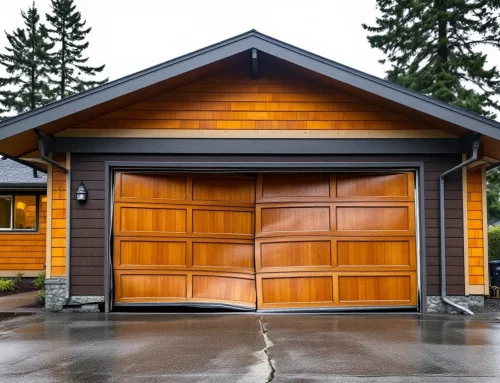
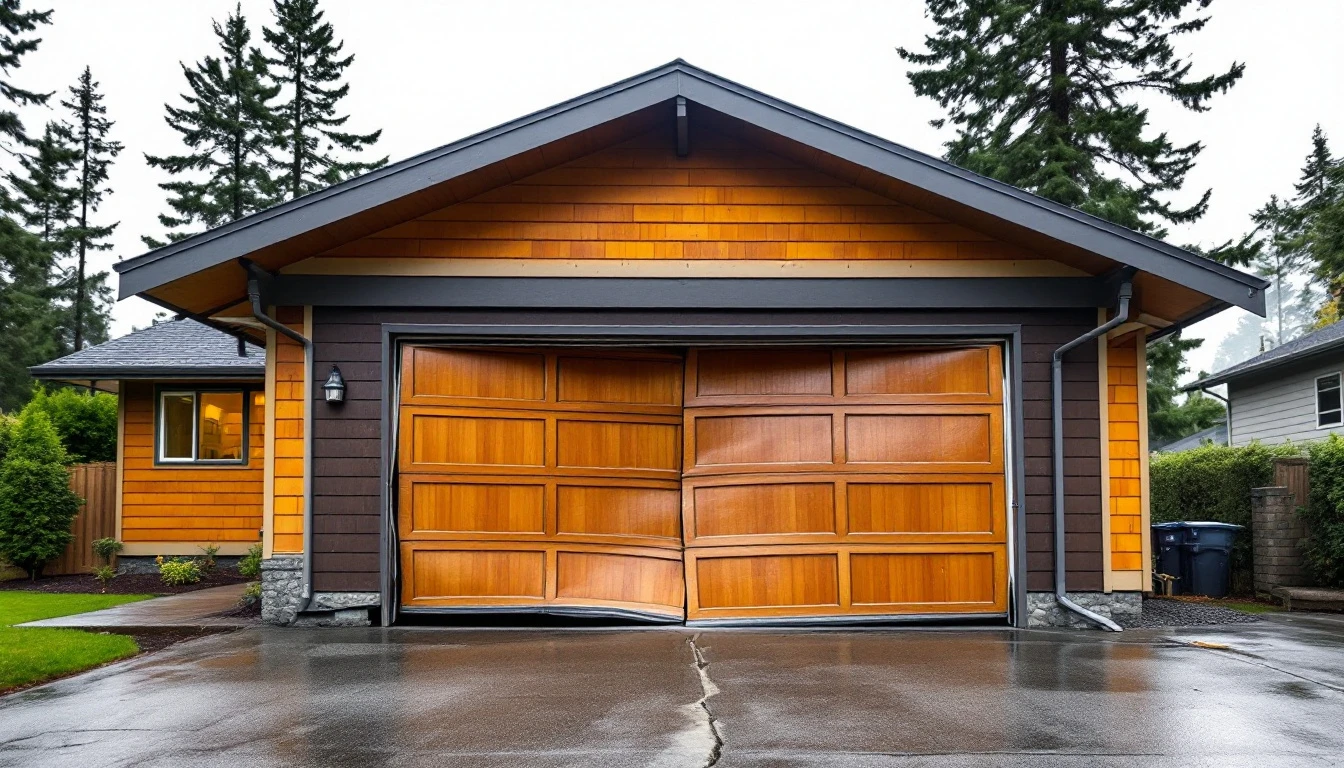
What it indicates: Your track has shifted, cables have stretched, or structural damage has occurred. This is especially common in older Portland homes with detached garages on settling foundations. The danger: Gaps compromise security and let rain damage your belongings and vehicle. Continued operation with misaligned tracks causes accelerated wear across all components. Cost difference: Track realignment costs $175-$300, while full track replacement after structural damage runs $500-$800.
Sign 4: Door Won’t Stay Open or Closes Unexpectedly
What it indicates: Broken torsion springs or failed extension springs. This is the most dangerous warning sign because your door has already lost its counterbalance system. The danger: An unbalanced door can fall without warning, causing serious injury or crushing anything beneath it. Operating your opener with broken springs burns out the motor. Cost difference: Planned spring replacement costs $250-$400, while emergency service plus opener motor replacement runs $650-$900.
Decision tree: If you notice any of these four signs, stop using your garage door immediately and contact Garage Harmony for same-day assessment. Continuing to operate a compromised door multiplies both safety risks and repair costs. Our Portland-based team responds within 2-4 hours for emergency situations and can typically complete repairs the same day.
Spring and Cable Failures: The Most Dangerous Emergency Repairs
“Garage door springs and cables operate under extreme tension—often 150-200 pounds of force—making them the most dangerous components when they fail. In Portland’s humid climate, these critical parts face accelerated deterioration from moisture accumulation and rust formation. Springs typically last 10,000 cycles under ideal conditions, but Portland’s wet winters can significantly reduce that lifespan.”
When a spring breaks, your door becomes completely inoperable. You’ll hear a loud bang, and the door either won’t budge or becomes stuck mid-travel, creating an immediate entrapment risk. Broken springs prevent door operation and create safety hazards—the door can slam down unexpectedly if the opener motor tries to operate without spring support.
Cable failures signal even more urgent danger. Frayed or rusted cables can snap without warning, causing the door to collapse on one side. Cable snapping signals imminent door collapse risk, potentially damaging vehicles or injuring anyone in the door’s path. Watch for rust discoloration on springs or any visible fraying on cables—these signs require immediate professional diagnosis.
Spring failure costs -400 as routine repair versus + as emergency when your door fails at 6 AM on a Monday and you can’t access your vehicle. Portland’s humidity accelerates spring rust and fatigue, making annual inspections essential.
Track Misalignment and Structural Damage: When to Stop Using Your Door
Track misalignment ranks as the second-most-dangerous failure category in Portland metro homes, often triggered by foundation settling in aging neighborhoods like Laurelhurst or Alberta Arts. Portland’s freeze-thaw cycles bend metal tracks, while moisture intrusion causes rust that weakens structural integrity over time.
What makes track damage so dangerous? A misaligned door strains your opener motor, damages rollers with every cycle, and creates the risk of sudden door drop—a serious safety hazard. Issues such as irregular motion or visible wear on key components often signal deeper mechanical problems that require professional diagnosis. If you hear grinding sounds when your door opens, feel unusual resistance, or notice visible gaps between rollers and tracks, stop using the door immediately.
Here’s the critical decision point: continuing to operate a door with track issues transforms a modest repair into a substantially more expensive emergency requiring motor replacement, new rollers, and potential structural work. Frozen or stuck tracks from winter moisture require immediate professional service—don’t attempt to force the door open.
When tracks show bends, gaps, or binding, call Garage Harmony before continued use compounds the damage exponentially.
Seasonal Red Flags: Portland Metro Weather Patterns That Trigger Emergency Garage Door Repair Needs
Portland’s weather doesn’t just create discomfort—it creates a predictable pattern of garage door failures that savvy homeowners can anticipate. Understanding which emergency garage door repair warning signs appear in which season helps you catch problems before they become costly emergencies.
Fall and winter bring the biggest challenges. From October through March, Portland’s relentless rain saturates garage door components, creating rust spots on springs and corrosion in tracks. If you notice rust developing on your springs after wet November weather, that spring is actively weakening—it won’t last through winter. Squeaking noises after rainstorms signal moisture penetrating metal components, accelerating deterioration that leads to sudden failures.
Winter freeze-thaw cycles compound the damage. When January temperatures drop below freezing overnight then warm during the day, doors that were fine in fall suddenly stick or jerk. This indicates track ice buildup or lubricant breakdown—problems that require immediate attention before the door fails completely. Weatherstripping that seemed fine in September cracks and splits by February, allowing moisture into your garage and creating gaps that stress the door mechanism.
Late summer heat (those 95°F+ weeks in August) amplifies existing wear on springs and cables already stressed by winter moisture. Components weakened by spring rust often fail during summer heat waves.
Homeowners who ignore seasonal warnings face emergency repairs when service costs peak and availability drops—typically during January ice storms or August heat waves when everyone’s garage door fails simultaneously.
Cost Reality: Emergency vs. Routine Repair Pricing in Portland Metro
Let’s talk numbers. In the Portland metro area, a routine spring repair during business hours typically costs -400. That same repair as an emergency call-out? You’re looking at -1,200 or more. After-hours, weekend, and holiday service fees multiply your costs by 2-3 times—that’s not a markup we set, it’s standard across the industry for urgent dispatch.
Here’s where it gets worse: delayed repairs create damage cascades. Ignore a spring issue, and the added strain burns out your opener motor. Now you need both a spring replacement and a new opener, pushing your total to +. We see this scenario regularly across Portland, Beaverton, and Gresham neighborhoods.
Portland metro labor rates for routine service run -175 per hour. Emergency dispatch adds -300 in premium fees before work even begins. For budget-conscious homeowners, the math is clear: addressing that grinding noise or slow operation early saves -800+ per incident.
The practical takeaway? Early diagnosis and routine repair preserve both your finances and your garage access. That squeaking spring you’re ignoring? Fixing it now means avoiding a surprise breakdown when you’re late for work—and the emergency bill that comes with it.
Your Action Plan: When to Call Emergency Repair vs. Schedule Routine Service
How do you know if your garage door issue requires immediate action or can wait a few weeks? Use this three-tier framework to make the right call today.
- EMERGENCY (Call Garage Harmony immediately): Your door won’t open or close completely, has partially fallen, or you heard loud snapping or breaking sounds. When your door is stuck halfway open, this leaves your garage vulnerable to break-ins and weather damage—requiring immediate professional attention. These situations create safety risks and security vulnerabilities. Stop using the door immediately and call our Portland metro team. Have ready: when the failure occurred, what you heard or saw, and whether the door is stuck open or closed.
- URGENT (Schedule within 1-2 days): You see visible damage to springs, cables, or tracks, your door moves slower than normal, or you hear unusual grinding noises. Key indicators like loud noises from broken springs, sagging panels, or poor sealing signal that your garage door may need urgent repairs. These are warning signs of imminent failure. Catching these issues now prevents tomorrow’s expensive emergencies. When you call, note: specific symptoms you’ve observed, how long you’ve noticed them, and whether they’re getting worse.
- ROUTINE (Schedule within 1-2 weeks): Minor squeaking, occasional grinding during operation, or weatherstripping showing wear. These issues signal preventive maintenance opportunities before they escalate.
Ready to prevent an emergency? Contact Garage Harmony today at our Portland metro service line or schedule your repair appointment online. The sooner you act on warning signs, the more you save.