1970s North Bonneville Garages & Gorge Winds
North Bonneville’s unique history created a neighborhood full of 1970s-era attached garages now facing extreme Columbia Gorge wind conditions they weren’t built to handle. Homeowners across the region are discovering that wind-rated garage doors North Bonneville installers now recommend are essential for protecting these aging structures from 40–80 mph gusts.
Original 1970s planned community homes
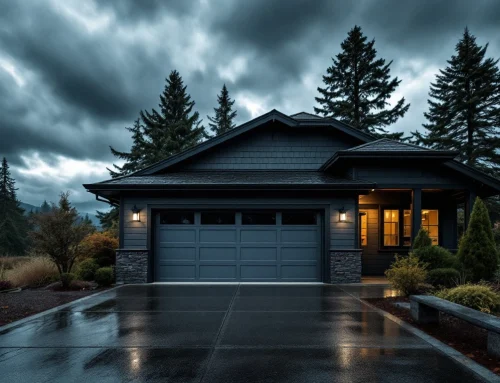
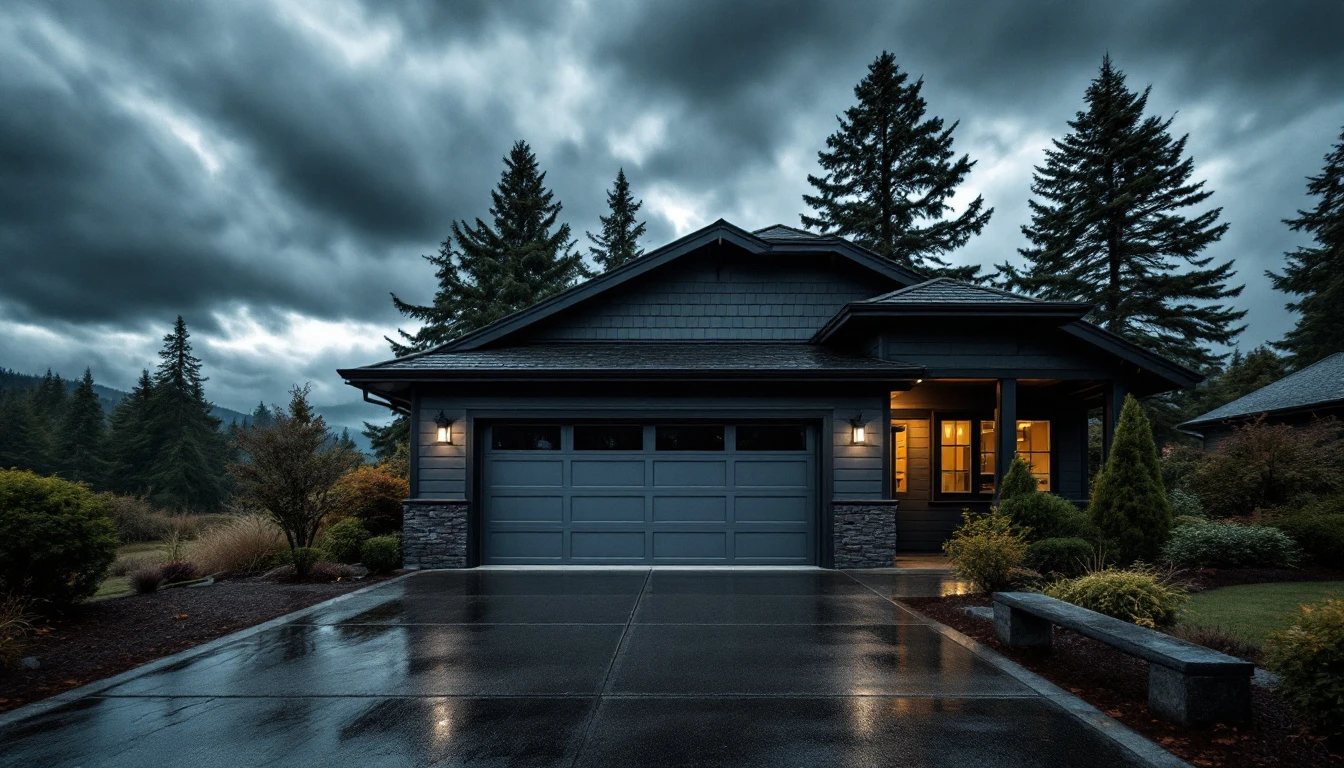
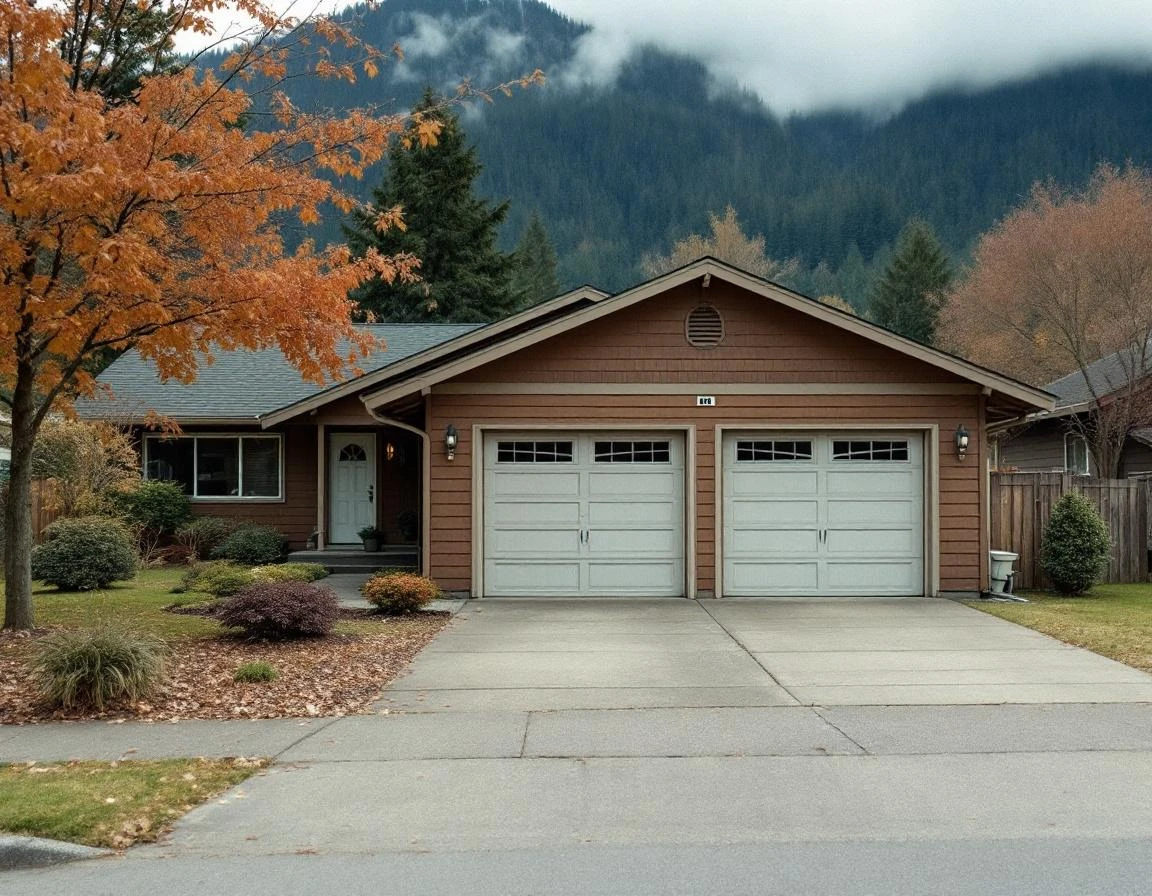
North Bonneville’s unique history as a relocated community creates a distinct challenge for homeowners. When the town moved in the 1970s to accommodate Bonneville Dam expansion, builders installed hundreds of attached garages with doors that predate modern wind-load standards. These original doors weren’t built to handle the 40–80 mph gusts that regularly slam through the Columbia Gorge.
The timing makes this vulnerability worse. The Columbia Gorge east wind season peaks from May through September. Bringing destructive gusts precisely when most homeowners aren’t thinking about winter storm prep. A door that survives January ice storms can buckle during a June windstorm if it lacks proper bracing and wind-rated construction.
Non-rated older doors fail catastrophically
When North Bonneville’s 1970s-era garage doors face sustained 60-80 mph gusts, panels buckle inward or blow outward entirely. This sudden failure sends debris flying, exposes the home’s interior to wind and rain, and can compromise roof structures attached to the garage frame. Without modern wind load ratings, these doors simply weren’t built to withstand the forces Columbia Gorge winds deliver.
Wind-Rated Garage Doors North Bonneville: Rating Standards & Local Code
When building inspectors talk about Design Pressure (DP) ratings. They’re measuring how much wind force a garage door can handle before it buckles or fails. Think of it as a structural safety threshold measured in pounds per square foot. North Bonneville’s location in the Columbia Gorge corridor triggers stricter requirements than communities outside the wind tunnel—Clark County and Washington State code require DP 35+ ratings for properties with direct Gorge exposure.
How do you know what rating your door has? Check the manufacturer label on the door’s edge or hinge stiles, or look for documentation from the original installation. Most doors installed before 1980 have no DP rating at all—they predate ASTM A82 and DASMA standards that now govern wind-rated construction. Even doors from the 1990s and early 2000s typically carry DP 20-30 ratings, which fall short of what the Gorge demands.
Meeting current code isn’t optional anymore. Insurance carriers now require compliant doors for coverage. And building inspectors will flag non-rated doors during home sales. Upgrading isn’t just smart—it’s legally required for safety.
High Wind Garage Door Upgrades: Cost vs. Protection
North Bonneville homeowners facing aging garage doors have three practical paths forward, each balancing immediate budget against long-term protection. Understanding these options helps you make the right choice before May winds arrive.
- Full door replacement with DP 35+ wind-rated models represents the most permanent solution. Expect installed costs between $2,500 and $4,200 depending on door size and insulation level. These doors feature reinforced struts, heavy-gauge steel construction, and impact-resistant panels engineered to flex without failing under sustained Gorge gusts. The investment eliminates the risk of catastrophic failure during 60-80 mph wind events and typically includes manufacturer warranties covering structural integrity.
- Columbia Gorge garage door reinforcement through upgrade-only approaches costs $800 to $1,800 installed. This approach strengthens your existing door through three key components: horizontal frame bracing that prevents track distortion, wind-tension cables running vertically to counter buckling forces. And upgraded anchor hardware that secures the entire assembly to wall framing. Each element addresses specific failure points observed in 1970s doors during high-wind events.
- The hybrid strategy offers budget flexibility—reinforce your current door now for the approaching wind season, then plan full replacement within the next 2-3 years. This phased approach keeps your garage protected during peak May-September winds while spreading costs across multiple budget cycles. Many North Bonneville homeowners choose this path when replacement isn’t immediately feasible but wind protection cannot wait.
Spring Reinforcement Checklist
May is the right time to inspect your garage door before peak Gorge winds arrive in June and July. Walk through your garage with this checklist in hand, and you’ll catch problems before a 60 mph gust turns them into failures.
Pre-Season Inspection Points
Start at the top corners and work down. Check each lag bolt securing the track to the header—they should be tight without gaps or stripped wood around them. If you can turn a bolt by hand, it’s too loose. Next, inspect each hinge along the door panels. Look for cracks, rust, or loose screws. A hinge that wobbles or has play in it needs replacement now, not after it fails in the wind.
Run your hand along the weatherstripping on all four sides of the door. Cracked, stiff, or missing sections let wind pressure build inside your garage. Test the door balance by disconnecting the opener and lifting the door halfway—it should stay in place. A door that falls or shoots up has weak or broken springs that won’t hold against sustained wind loads.
Emergency Preparedness Kit
Keep these items accessible in your garage: plywood sheets (sized to cover your door opening), a cordless drill with screws, heavy tarps, and a contractor-grade stapler. Photograph your door and hardware from multiple angles for insurance documentation. Store your garage door contractor’s contact information—plus a backup company—in your phone. When damage happens during a windstorm, response time matters more than price.
Emergency Repair & Insurance After Wind
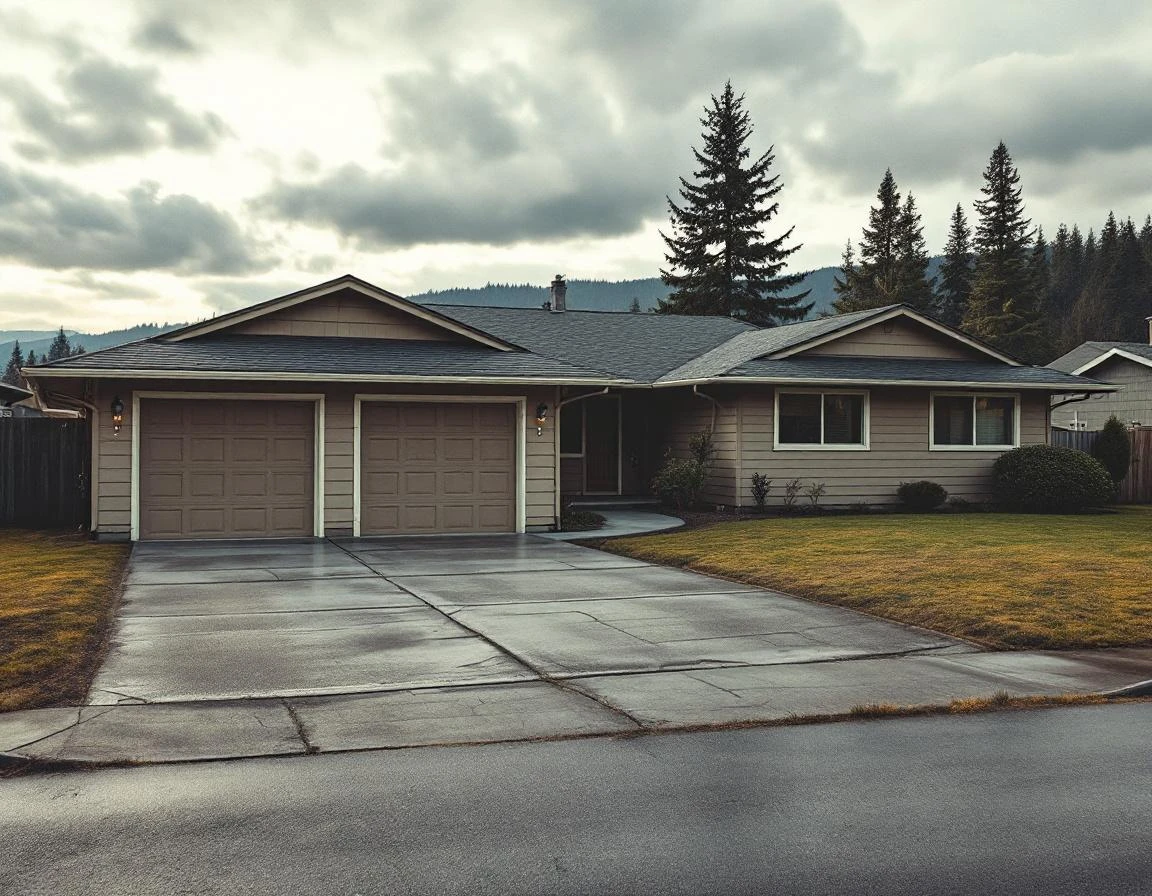
Despite the best preparation, wind damage can still occur. If your garage door sustains damage during a Gorge windstorm, take immediate action: photograph the damage from multiple angles, secure the opening with plywood or heavy tarps to prevent weather intrusion, and call for emergency repair. These first steps protect your home and create the documentation your insurance company needs.
Most homeowner policies cover extreme wind garage door repair and damage claims. When you file a claim, having proof of pre-damage maintenance—inspection receipts, repair invoices, photos of your reinforced system—often qualifies you for faster claim processing and may reduce your deductible. Insurers view maintained, wind-rated systems as lower risk than neglected doors that fail during normal conditions.
Understand the difference between temporary and permanent fixes. Temporary bracing with 2x4s can secure a bent door until a contractor arrives, but it’s not a long-term solution. Ask yourself: Are the panels structurally sound, or are they creased and buckled? Is the frame still square? Minor damage often qualifies for repair; major structural failure requires replacement.
Garage Harmony provides emergency response throughout the Columbia Gorge—contact us immediately after wind events for assessment and rapid securing of your property.
Next Steps: Scheduling & Local Expertise
North Bonneville homeowners face a narrow window for garage door upgrades before peak wind season arrives in July. If you’re reading this in May, schedule your inspection and estimate now to complete installations by mid-June. The typical timeline includes 1–2 days for professional inspection, 1–2 weeks for procurement of wind-rated materials, and 1–2 days for installation—meaning projects started in early June can finish before dangerous gusts begin.
Working with a local contractor who understands Columbia Gorge wind behavior makes the difference between a compliant installation and a vulnerable one. North Bonneville’s specific code requirements, soil conditions around foundation anchors, and relationships with regional suppliers for fast delivery matter when you’re racing the calendar. Contact Garage Harmony today for a though inspection and detailed estimate specific to your 1970s garage system. Download our seasonal maintenance schedule to stay prepared year after year.