


Detached Garage Maintenance Banks Oregon: Microclimate Damage Risks
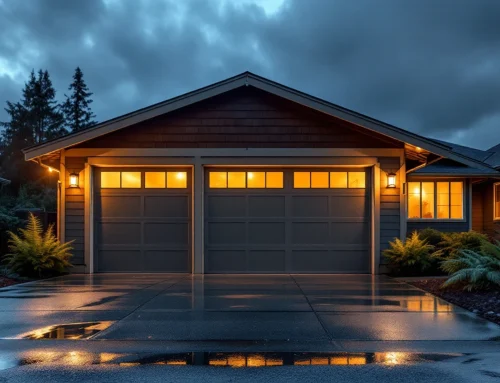
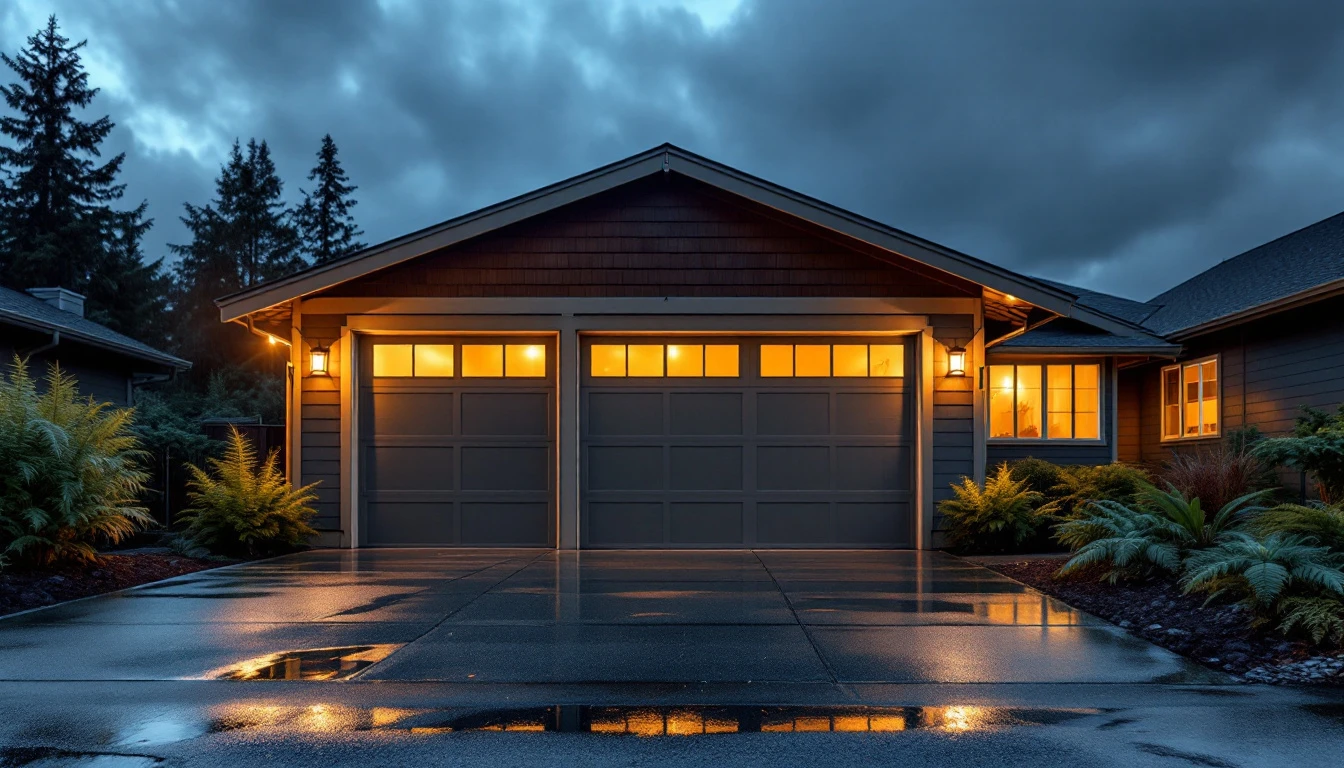
Banks sits at the western edge of the Tualatin Valley, where dense fog and prolonged moisture exposure create unique challenges for detached garage maintenance Banks Oregon. Detached garages and outbuildings throughout the wet season face risks that homeowners in other areas rarely encounter.
Fog Exposure and Wet Winters Create Persistent Moisture Challenges
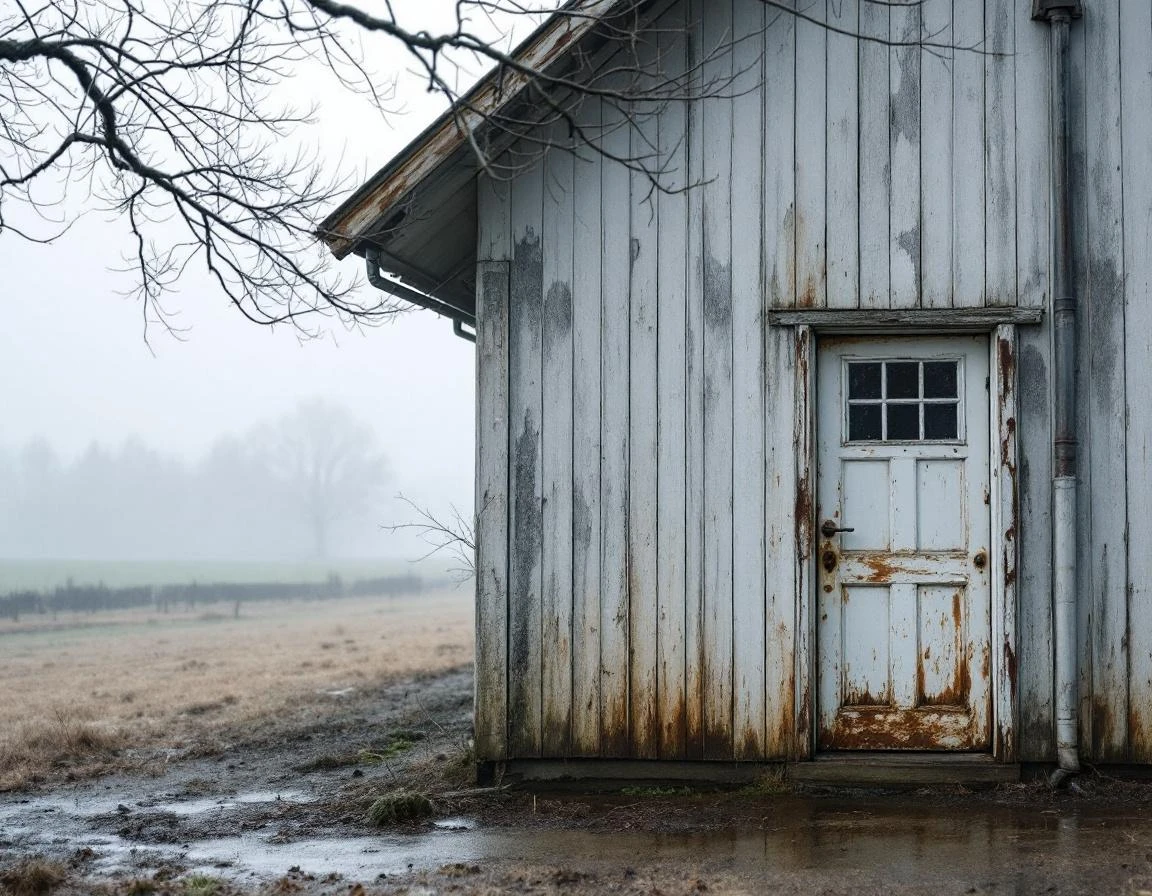
Banks sits at the western edge of the Tualatin Valley, where dense fog settles between October and March, creating moisture conditions that attached garages rarely experience. Unlike garages connected to your home, detached structures lack the insulation buffer that house walls provide, meaning cold surfaces meet humid air throughout the winter months.
This exposure matters because your detached garage experiences temperature swings that promote condensation on metal components, wood framing, and concrete floors. When fog lingers for days at a time, moisture accumulates faster than it can evaporate, setting the stage for rust and wood rot.
Corrosion, Wood Rot, and Weatherstripping Failure
Banks’ position at the western Tualatin Valley makes corrosion, wood rot, and weatherstripping failure nearly inevitable challenges for detached garage owners. The persistent fog and extended wet winters create ideal conditions for metal hardware to rust, wood framing to decay, and rubber seals to crack and fail.
Early detection makes the difference between a quick repair and costly structural damage. Monthly inspections from April through October let you spot surface rust on tracks, soft spots in door frames, or failing weatherstripping before they escalate into emergency repairs requiring full component replacement.
April-May Inspection Priorities for Seasonal Garage Inspection Wet Winters Banks
Spring offers your best window to catch winter’s damage before Banks’ summer fog thickens and amplifies moisture problems. April and May mark the critical inspection season for detached garages in the western Tualatin Valley—the time when you can spot and fix problems before humid conditions make them worse.
Start with weatherstripping around your garage door. Look for sections that appear cracked, compressed, or pulled away from the frame. The freeze-thaw cycles common to our area compress rubber seals and create gaps that invite moisture intrusion. Run your hand along the bottom seal—if you feel air movement or see daylight, water can enter too.
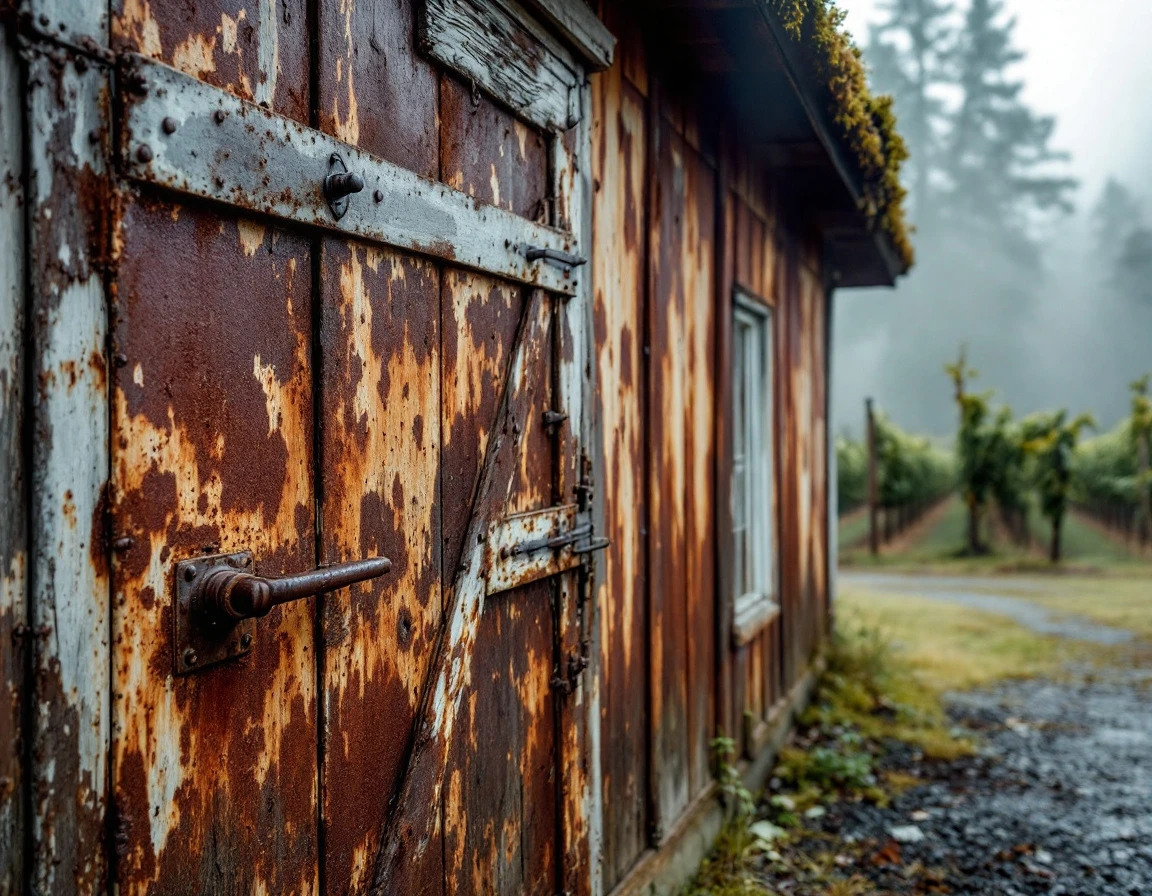
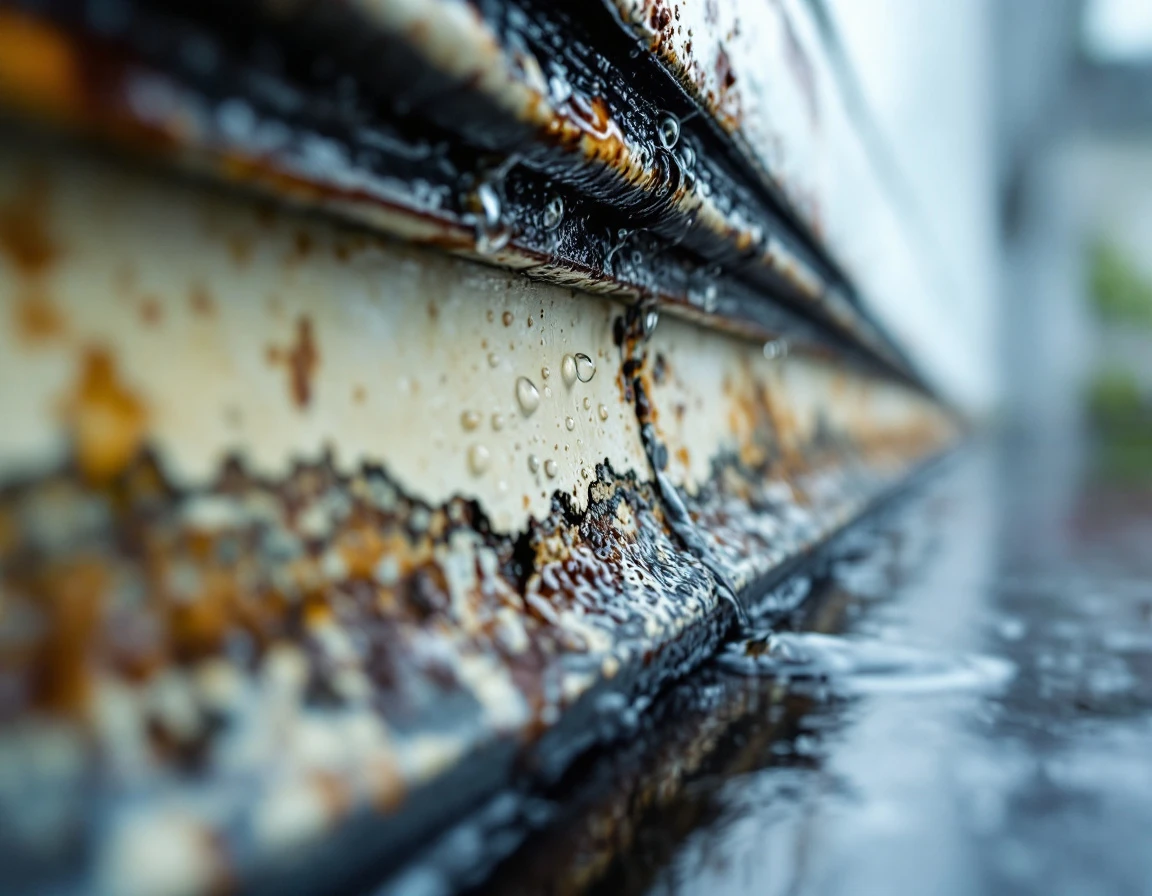
Next, examine all metal components for rust staining. Check hinges, brackets, tracks, and door framing. Even small rust spots signal that moisture has penetrated protective coatings during winter. Catch these early, and a wire brush plus rust-inhibiting primer solves the problem. Wait until summer fog season, and corrosion spreads deep into the metal.
Inside your garage, scan ceiling corners and wall bases for water marks or dark staining. These indicate leaks that winter runoff created but summer humidity will worsen. Press a screwdriver tip gently into any discolored wood—soft spots mean rot has started.
Most homeowners can handle visual inspections and minor weatherstripping replacement. Call Garage Harmony when you find structural damage, extensive rust, or door operation problems. We know what Banks weather does to garages, and we catch problems before they become expensive repairs.
Summer Fog Season Monitoring
Banks’ summer fog differs from typical Pacific Northwest humidity. From June through August, dense marine layers roll inland from the Coast Range, settling over the western Tualatin Valley floor and lingering well into late morning. Unlike brief morning mist, this fog penetrates poorly sealed garage structures, creating sustained moisture exposure that accelerates rust formation on exposed fasteners and metal hardware. The detached garage moisture and corrosion Tualatin Valley conditions during these months demand extra vigilance. Wood components absorb this persistent dampness, leading to swelling, warping, and early-stage rot that won’t surface until fall.
Establish a monthly inspection routine during fog-heavy months. Check all exposed screws, hinges, and track bolts for new rust spots or orange discoloration. Test weatherstripping by pressing it with your thumb—it should bounce back immediately, not stay compressed. Open your garage and sniff for musty, earthy odors that signal mold growth in wood framing or drywall. Verify that roof vents and soffit openings remain clear of debris that blocks air circulation.
Simple mitigation steps prevent moisture buildup. Prop your garage door open for 20-30 minutes on dry afternoons to flush out humid air. Place moisture-absorbing products near corners where damp air settles. These proactive measures stop minor condensation issues from escalating into the corroded springs, rotted sill plates, and failed door panels that require emergency repairs come October.
Weatherstripping and Seal Failures
In Banks’ fog-heavy microclimate, weatherstripping deterioration represents the primary pathway for moisture intrusion into detached garages. The combination of persistent summer fog and winter condensation causes rubber and foam seals to harden, crack, and compress, gradually losing their ability to create an effective barrier against water and air infiltration.
Three main failure zones require close attention during your seasonal inspections:
- The bottom door sweep bears the brunt of water pooling and ground contact, making it the most vulnerable seal on your garage door
- Side gaskets face constant assault from wind-driven moisture that penetrates even small gaps
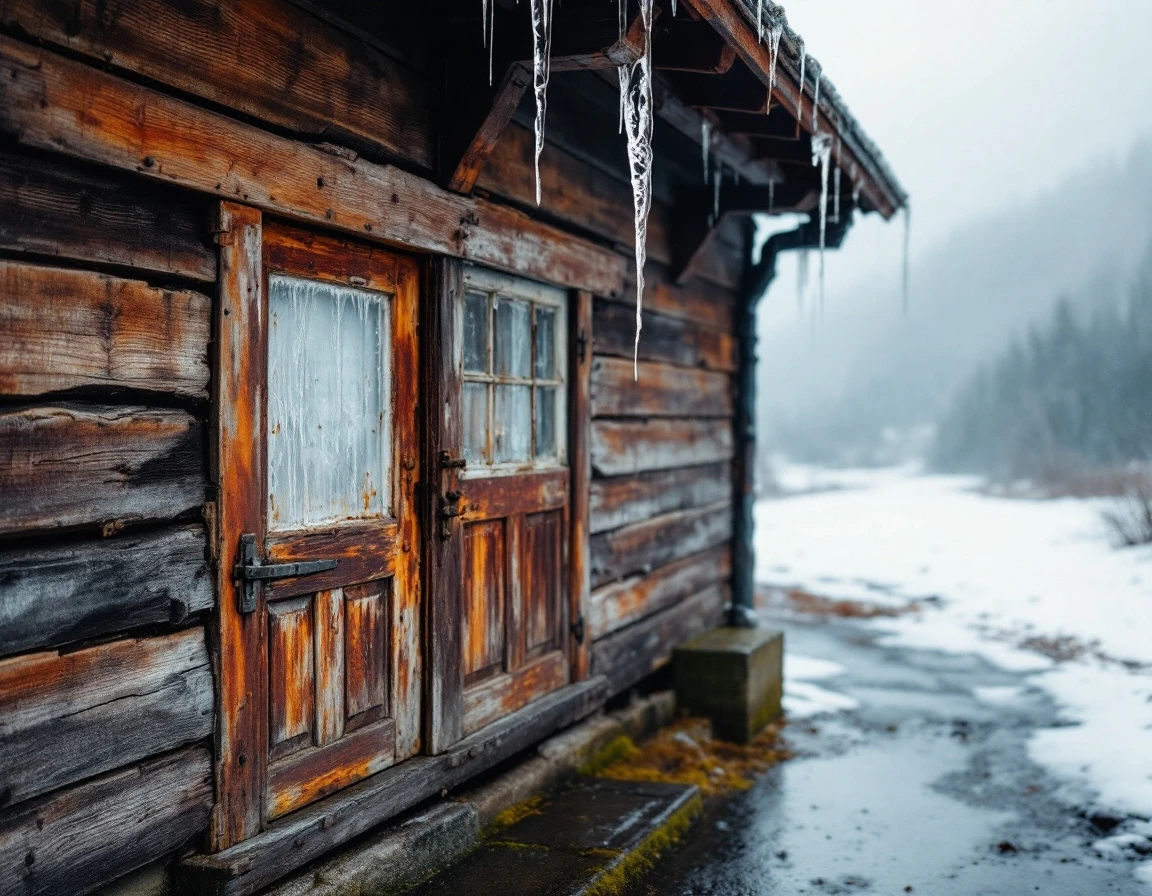
- The threshold seal where your door meets the floor experiences freeze-thaw cracking during Banks’ winter ice events, creating entry points for water that can damage stored items and accelerate floor deterioration
How do you know when to replace weatherstripping yourself versus calling in professionals? Use this simple decision tree: If gaps exceed 1/4 inch when the door is closed, or if seals show visible cracking, hardening, or pieces missing, professional replacement means proper sizing and installation. Minor compression without visible damage can be a DIY fix using adhesive-backed foam weatherstripping from your local hardware store.
Regular weatherstripping replacement—typically every 3-5 years in Banks’ challenging conditions—prevents the cascading problems that start with small leaks and end with corroded hardware, rotted framing, and expensive structural repairs.
Fall Preparation and Winter Defense
Fall is your final opportunity to weatherproof detached garages before Banks’ November-through-March rain and freeze-thaw cycles begin in earnest. September and October offer the driest work windows for sealing gaps, replacing worn components, and addressing drainage issues that winter moisture will exploit. Start by re-caulking any gaps around door frames and siding where previous caulk has cracked or pulled away. Inspect all hinges, springs, and hardware for rust or discoloration—if metal components show orange staining, replace them now before winter moisture accelerates corrosion.
Check gutters and drainage around your detached structure to prevent water pooling near the foundation. Test door operation to confirm weatherstripping engages fully when closed—any gaps identified in summer inspections should be addressed now. Replace weatherstripping by late October. Before November rains arrive and constant moisture makes installation more difficult and less effective. New weatherstripping needs dry conditions to form proper adhesion and compression patterns.
Schedule professional service inspections in early fall to catch structural issues before winter rain intensifies them. A garage door expert can identify alignment problems, spring fatigue, or track damage that wet-season conditions will worsen. This investment prevents the emergency calls that happen when doors fail during January ice storms or February downpours.
Think of fall preparation as insurance against winter disruption. Get in touch with us today for pre-winter garage door inspections.
When to Call a Professional
Not every garage issue requires professional help, but knowing when to call in experts can save you from costly structural repairs down the road. If you notice wood framing that feels soft under pressure, visible mold colonies spreading across walls, or a door that won’t align properly despite repeated adjustments, these signal problems beyond simple maintenance.
Rust that penetrates metal components rather than sitting on the surface, water pooling inside your garage even after weatherstripping replacement, or corrosion requiring component replacement rather than cleaning all indicate structural damage that needs professional assessment. DIY fixes like caulking, cleaning, and foam seals work well for early-stage moisture intrusion, but once damage reaches the framing or mechanical systems, expert evaluation becomes necessary.
Timing matters as much as recognizing the problem. Scheduling inspections in April and September gives you access to contractors during their slower periods, when you’ll receive more thorough attention and avoid emergency pricing. Waiting until November or January when winter storms create urgent repairs means competing with emergency calls and paying premium rates. Many residential entry system malfunctions happen without warning. Making regular professional inspections important for catching problems early.
Ready to protect your Banks-area garage investment? Contact us today to schedule a professional inspection before minor moisture problems become structural headaches.

Leave A Comment