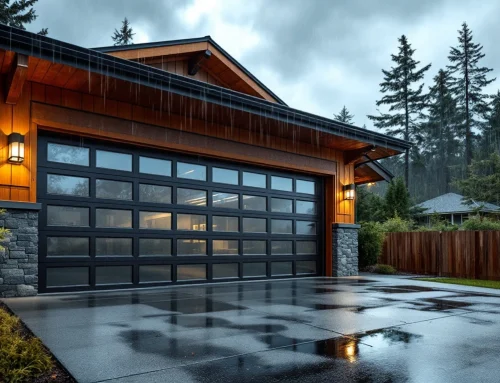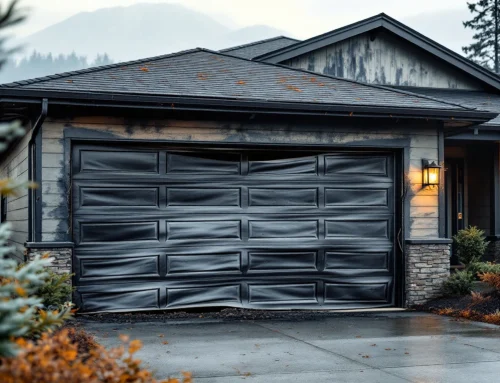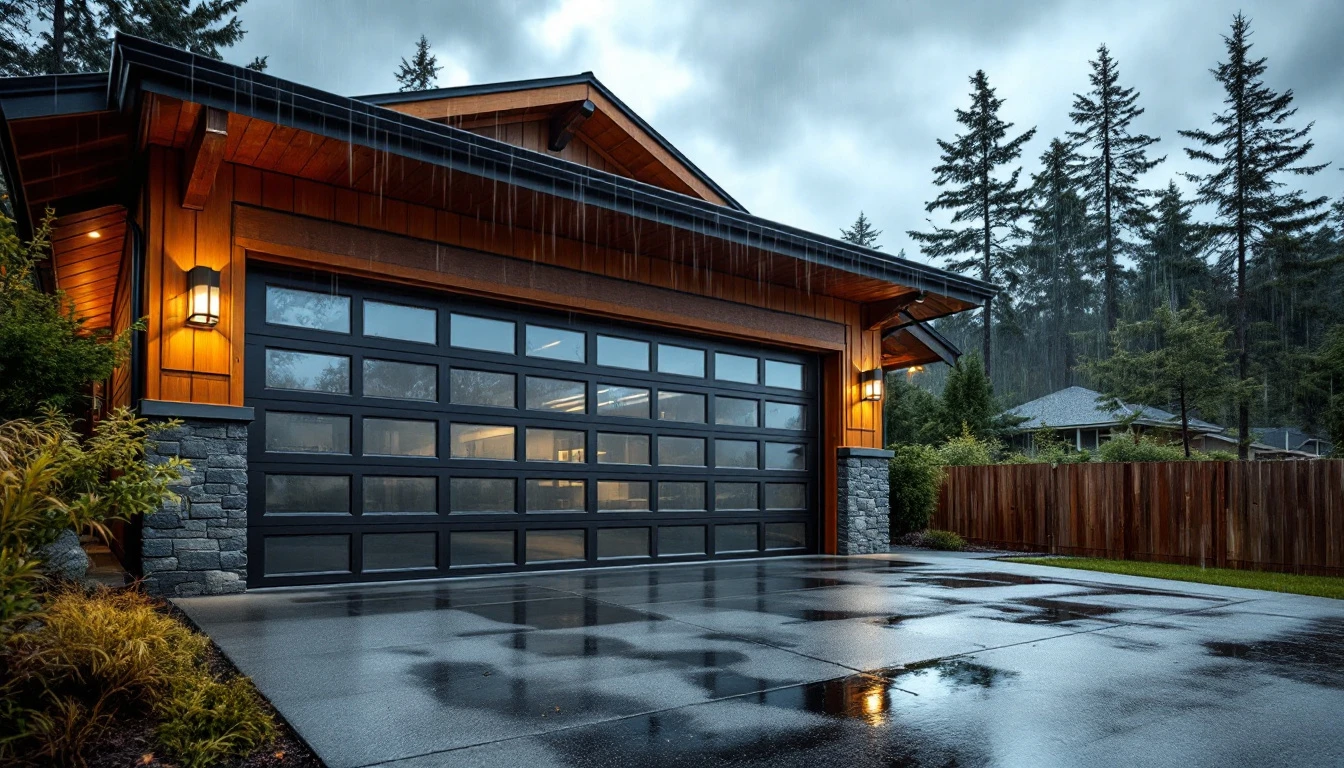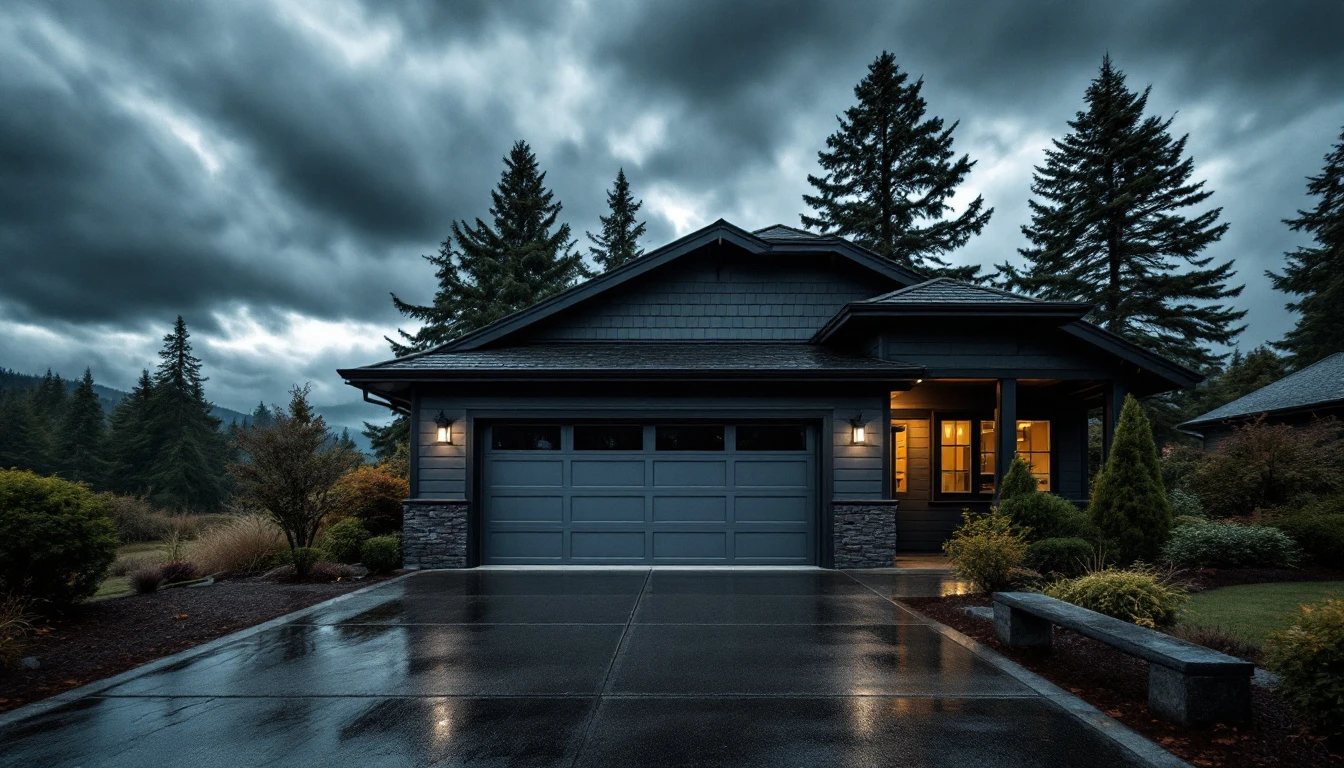
Moisture Impact on Garage Door Systems
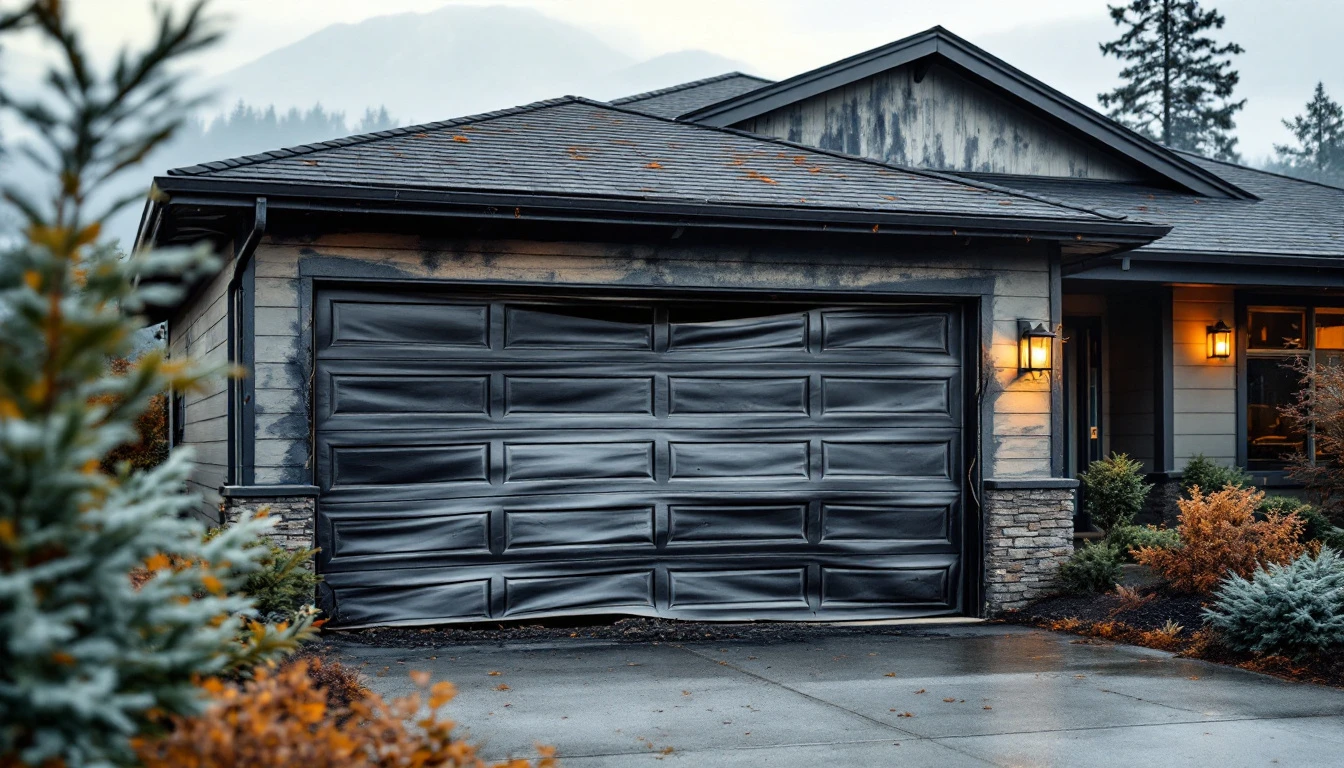
Water infiltration creates a chain reaction of damage across your garage door system. Effective garage door rain damage prevention starts with understanding how moisture affects your door’s components. When moisture reaches metal components—springs, cables, rollers, and hinges—rust formation begins within 4-6 weeks of exposure. You’ll first notice subtle discoloration on the spring coils, followed by stiffness in daily operation as corrosion compromises the metal’s flexibility.
Compromised weatherstripping and bottom seals allow water to seep into your garage interior, affecting insulation performance and creating potential structural concerns. In the Pacific Northwest, June represents your final preparation window before peak summer rainfall arrives in July and August. Deferred waterproofing leads to emergency repairs that typically range from $500 to $2,000—covering spring replacement, cable repairs. And seal restoration.
The cost-effective approach? Proactive waterproofing stops this damage cycle before it starts, protecting your investment through the wettest months ahead.
Three Vulnerability Points to Inspect
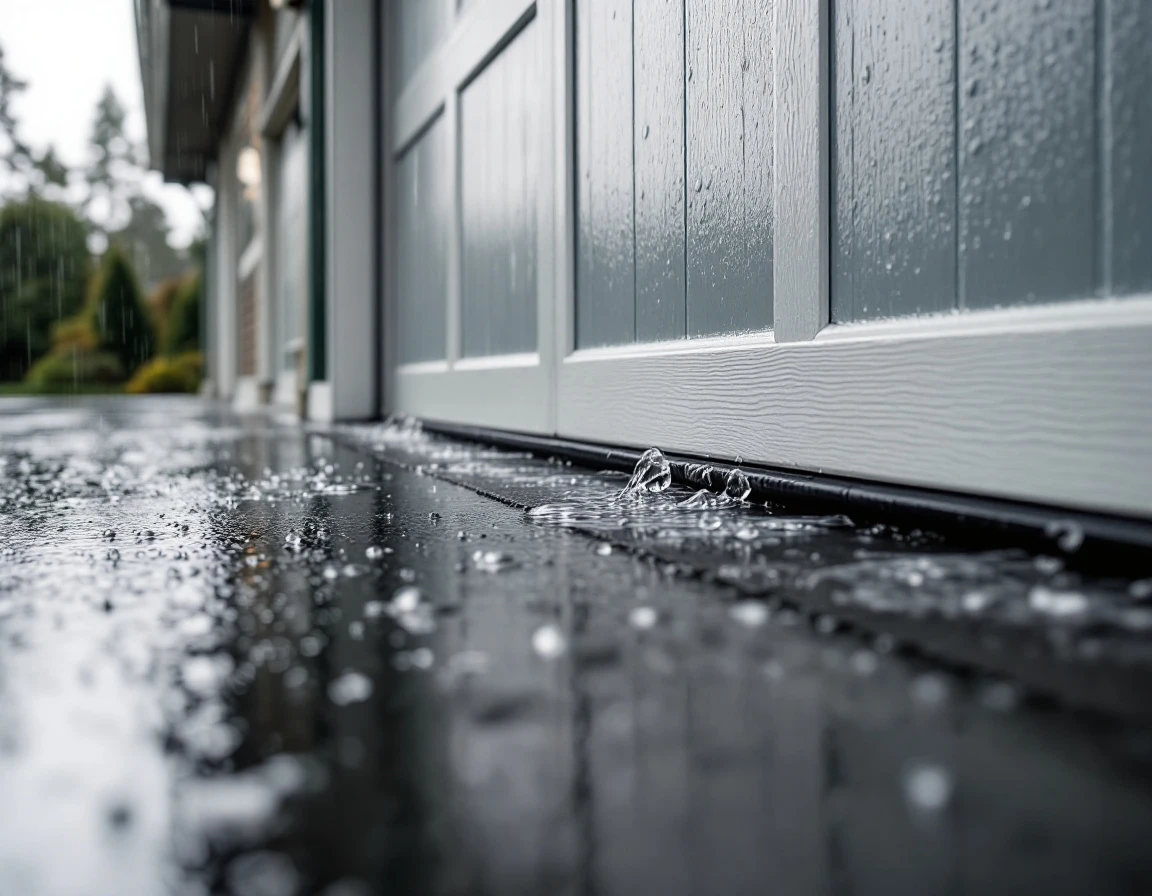
Start your inspection at the bottom rubber seal. Where your garage door meets the concrete floor. Look for cracks, brittleness, or areas where the rubber has compressed and lost its shape. This seal takes constant UV exposure and temperature swings, making it the first line of defense against water entry. A compromised bottom seal creates a direct pathway for moisture to reach your door’s metal components and interior space.
Next, examine the side and top weather seals where your door meets the frame. Run your hand along these edges, feeling for gaps or sections where the seal has pulled away. These openings trap water against the door panels and frame corners, creating the perfect conditions for rust to form. This hidden moisture damage accounts for a significant portion of the $500–$2,000 repair range mentioned earlier.
Finally, inspect all visible hardware—hinges, bolts, spring brackets, and roller shafts. Surface rust appears first on these components because they’re bare metal with minimal factory coating. Catching corrosion at this early stage means a simple preventive treatment instead of expensive hardware replacement.
DIY Waterproofing Tasks Before June Storms
Two simple tasks can protect your garage door system from summer rain damage:
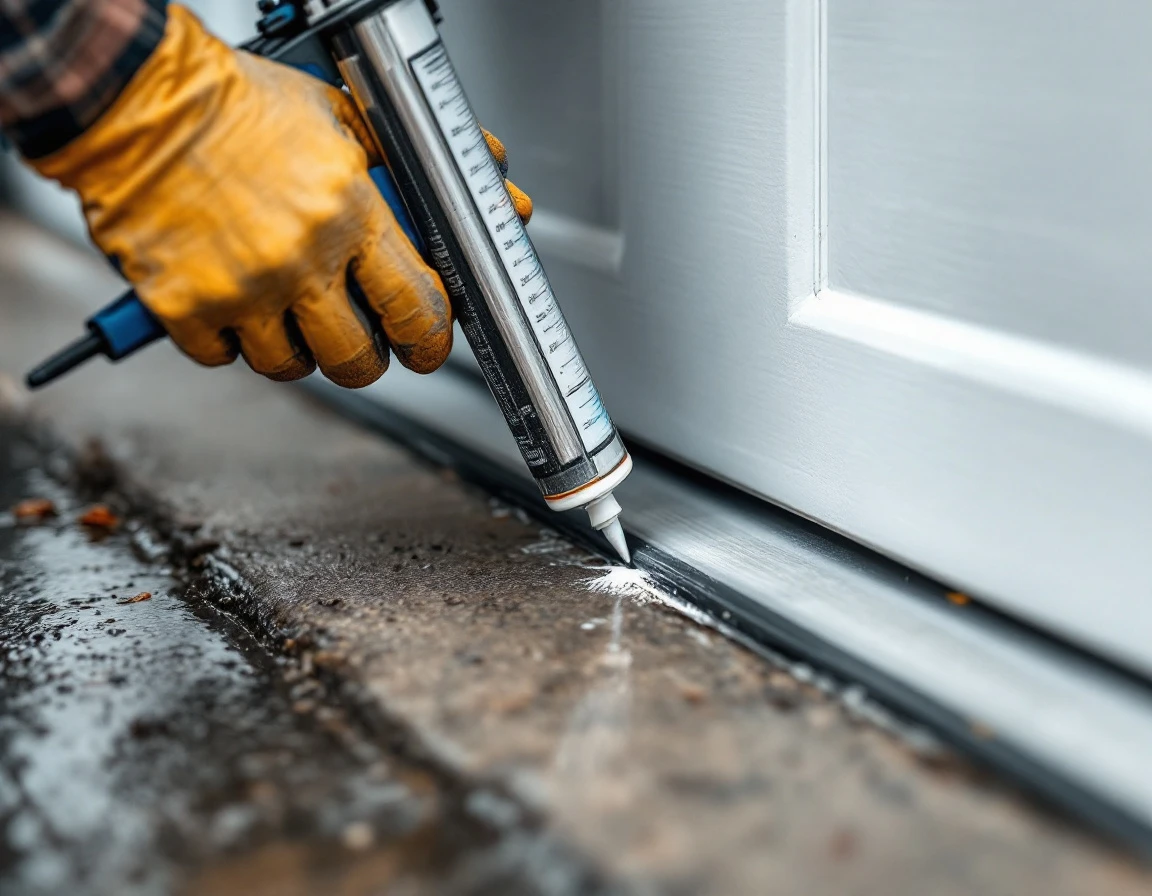
- Bottom weather seal replacement. Which takes 30–60 minutes. Remove the old rubber seal by pulling it from the track, then slide new weatherstripping tape or apply a continuous bead of silicone caulk along the bottom edge. Press firmly and allow 24 hours to cure before opening the door.
- Seal visible gaps around the door frame using exterior-grade caulk. Run your finger along the perimeter to feel for air leaks, then fill each gap with caulk, smoothing with a wet finger. This 20-minute task prevents water from reaching springs and cables behind the door.
- Apply rust-preventive lubricant to all moving parts. Spray light machine oil or silicone-based lubricant on springs, cables, hinges, and rollers. Wipe excess drips with a cloth. This 15-minute step creates a moisture barrier that prevents the corrosion you saw during inspection.
These three tasks—totaling under 90 minutes—cost $25–$50 in materials but prevent the $500–$2,000 emergency repairs that happen when homeowners wait until after storms hit.
June gives you the perfect window to work in dry conditions before Pacific Northwest rains arrive.
When to Call a Professional
Some warning signs point to damage that goes beyond what weatherstripping and lubricant can fix. If you spot rust forming on your springs or cables, don’t attempt a DIY repair—corroded components create serious safety hazards and require professional replacement. The same applies when seal damage extends beyond the bottom edge or you notice water stains creeping up the door frame.
Does your door move slowly or make grinding sounds during operation? That sluggish performance often indicates water has penetrated internal mechanisms, causing friction and wear that simple lubrication won’t resolve. A professional assessment early on proves far more cost-effective than attempting a DIY diagnosis, which frequently leads to compounding damage requiring emergency repairs when you can least afford them.
Catching problems early through professional inspection protects your investment. Contact us today to schedule a waterproofing assessment before summer storms arrive.
Your June Action Plan: Preparing Your Garage Door for Heavy Rain
You have three weeks to waterproof your garage door before summer storms arrive. Here’s your timeline to prevent costly repair bills down the road.
- Week 1: Inspect all three vulnerability points using the visual checklist provided earlier. Look for gaps in bottom seals, compromised side weatherstripping, and rust spots on hardware. Take photos of anything that concerns you.
- Week 2: Complete DIY caulking and lubricant application if you found only minor damage during inspection. Replace worn seals and apply rust-preventive spray to exposed metal components.
- Week 3: Schedule professional inspection if you discovered rust, corrosion, or seal failure beyond surface-level wear. Early professional service costs far less than emergency repairs.
- Before July: Confirm all waterproofing work is complete before peak summer rainfall begins. This is your last window of opportunity to stop moisture damage before it starts.