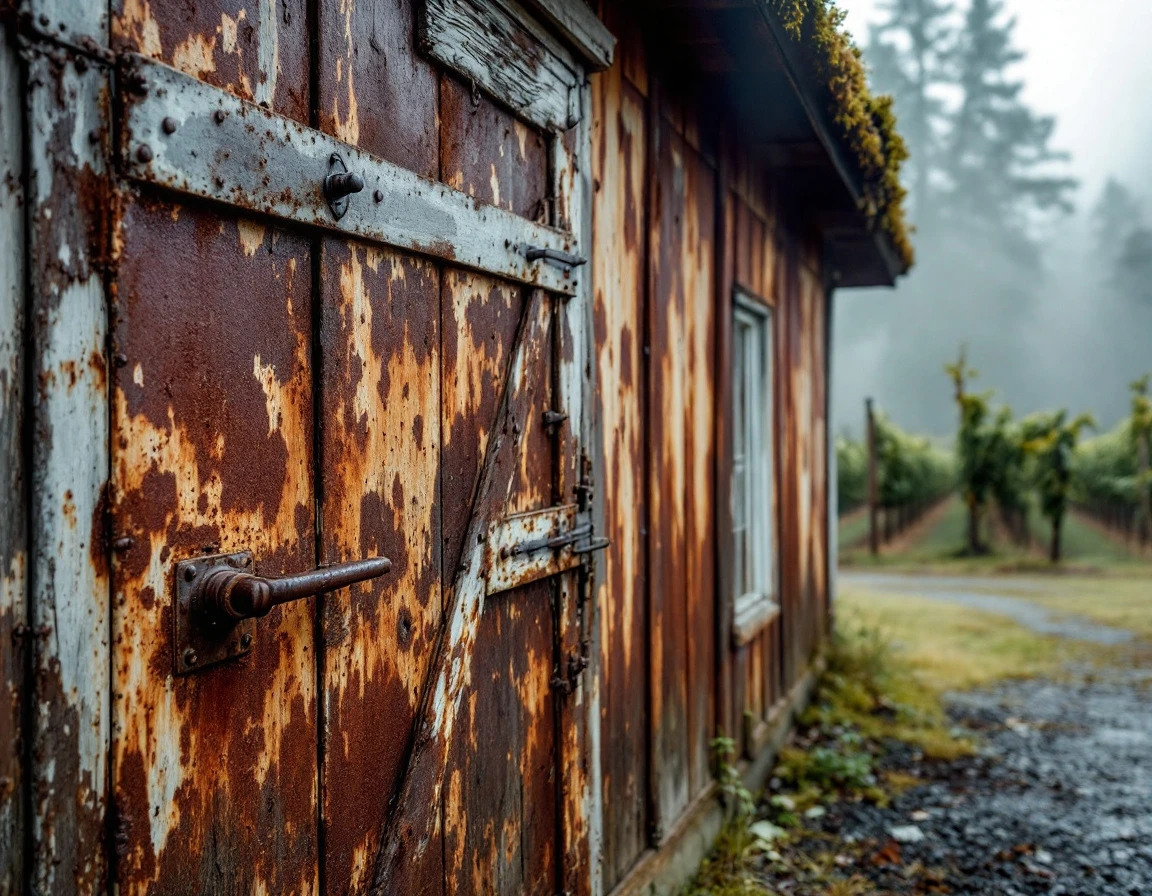
Moisture Vulnerability in Dayton Garages
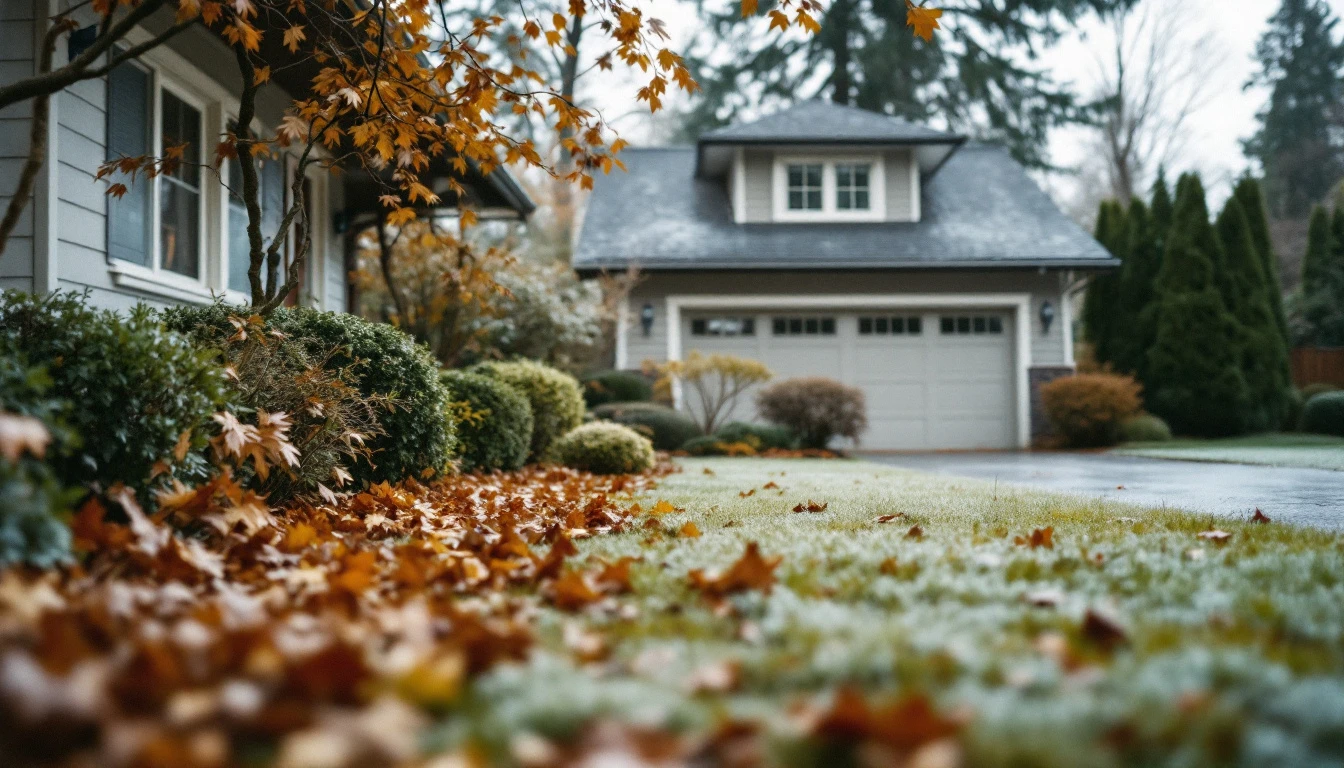
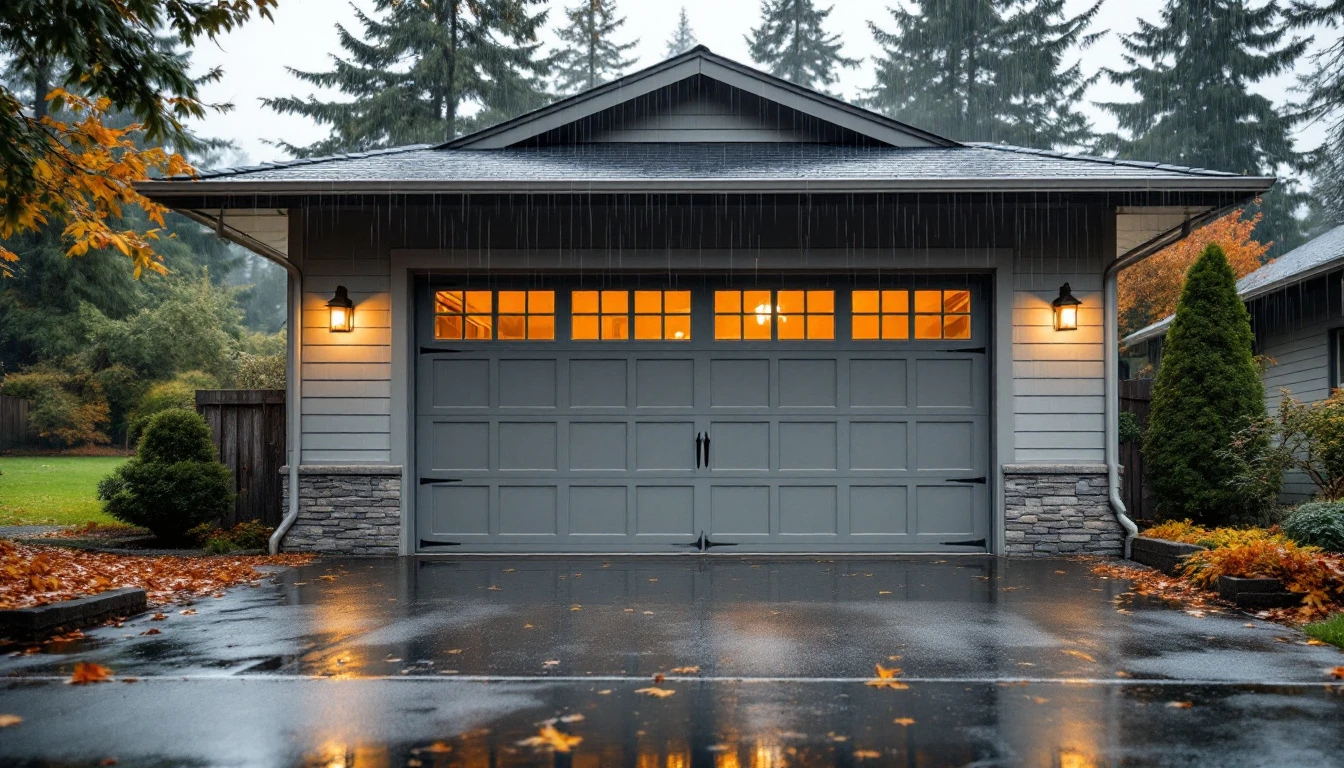
If you own a detached garage built before the 1990s in Dayton, you’re facing a rust problem that newer structures simply don’t share. Dayton’s valley fog hangs around from November through February, keeping your garage damp and humid. It’s the perfect environment for rust to take hold. Your single-car garage sits in this moisture bath for months at a time, and older construction methods offer little protection.
What’s protecting your 1970s garage? Most likely nothing. Older construction methods lack the vapor barriers and weathersealing required today. Moisture seeps through concrete foundations, creeps along wall cavities, and condenses on metal surfaces. Your older garage has no defense. Poor ventilation traps humid air inside, while degraded weatherstripping around doors allows rain-laden wind to enter directly.
The real damage shows up on metal components first. Door tracks corrode and bind. Hinge pins rust in place. Spring hardware deteriorates faster than manufacturers expect. Even galvanized fasteners corrode within a decade in Oregon Wine Country humidity. It adds up quickly.
This combination of climate and construction means prevention isn’t optional—it’s the only cost-effective strategy. Replacing rusted components costs three to five times more than maintaining weatherstripping and improving ventilation before corrosion takes hold.
Spring Inspection Checklist Framework
June offers the ideal inspection window for Dayton-area garages. By this time, spring rains have subsided but summer humidity hasn’t peaked yet, giving you the clearest picture of how moisture affects your structure. Schedule your inspection for a dry morning when any overnight condensation reveals problem areas without active rain complicating your assessment.
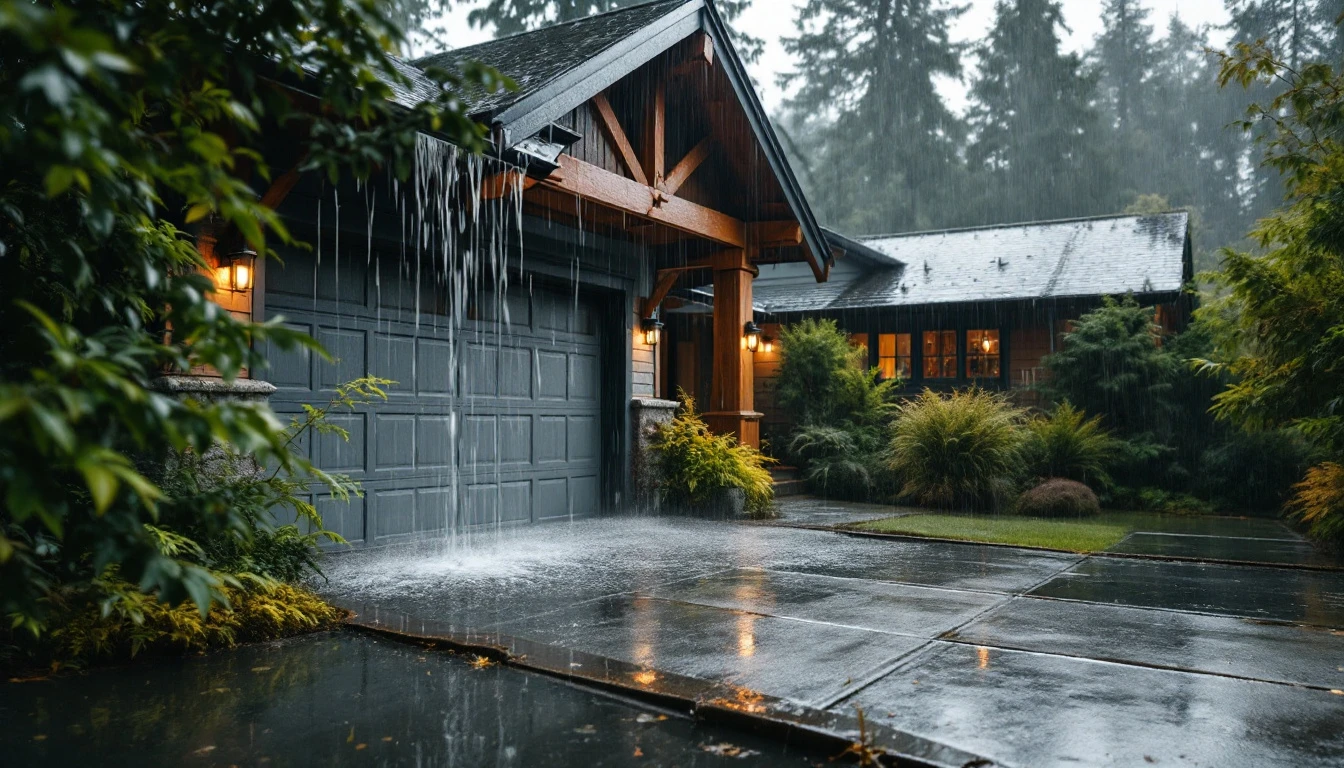
- Roof and drainage system. Walk the perimeter looking for standing water near the foundation, then check gutters for debris that blocks flow. Examine roof pitch at eaves—water should drain cleanly without pooling. Photograph any sagging or areas where water sheets instead of channeling.
- Weathersealing integrity. Run your hand along door bottom seals checking for compression gaps, cracked rubber, or missing sections. Inspect frame weatherstripping under good lighting—deteriorated foam crumbles when touched. Check where siding meets foundation for gaps where moisture infiltrates.
- Ventilation system. Test your ventilation system by placing your hand near soffit vents on a warm afternoon—you should feel air movement. Look for cobwebs, insulation, or paint blocking vents. Poor airflow traps valley fog moisture inside your structure overnight.
- Corrosion evidence. Photograph rust spots on hinges, tracks, and fasteners with a ruler for scale. White powdery bloom on galvanized hardware signals accelerating deterioration. Orange staining on concrete indicates water pooling. Track these images year-over-year to catch problems before they require costly repairs.
Weatherstripping Solutions
Older Dayton garages often have rubber bulb seals and foam tape weatherstripping that degrades within 5–8 years. Valley fog accelerates this breakdown as moisture seeps into cracks and saturates foam, causing it to compress permanently and lose its seal. When weatherstripping fails, humid air enters the garage and condenses on metal surfaces overnight, creating the ideal conditions for rust initiation.
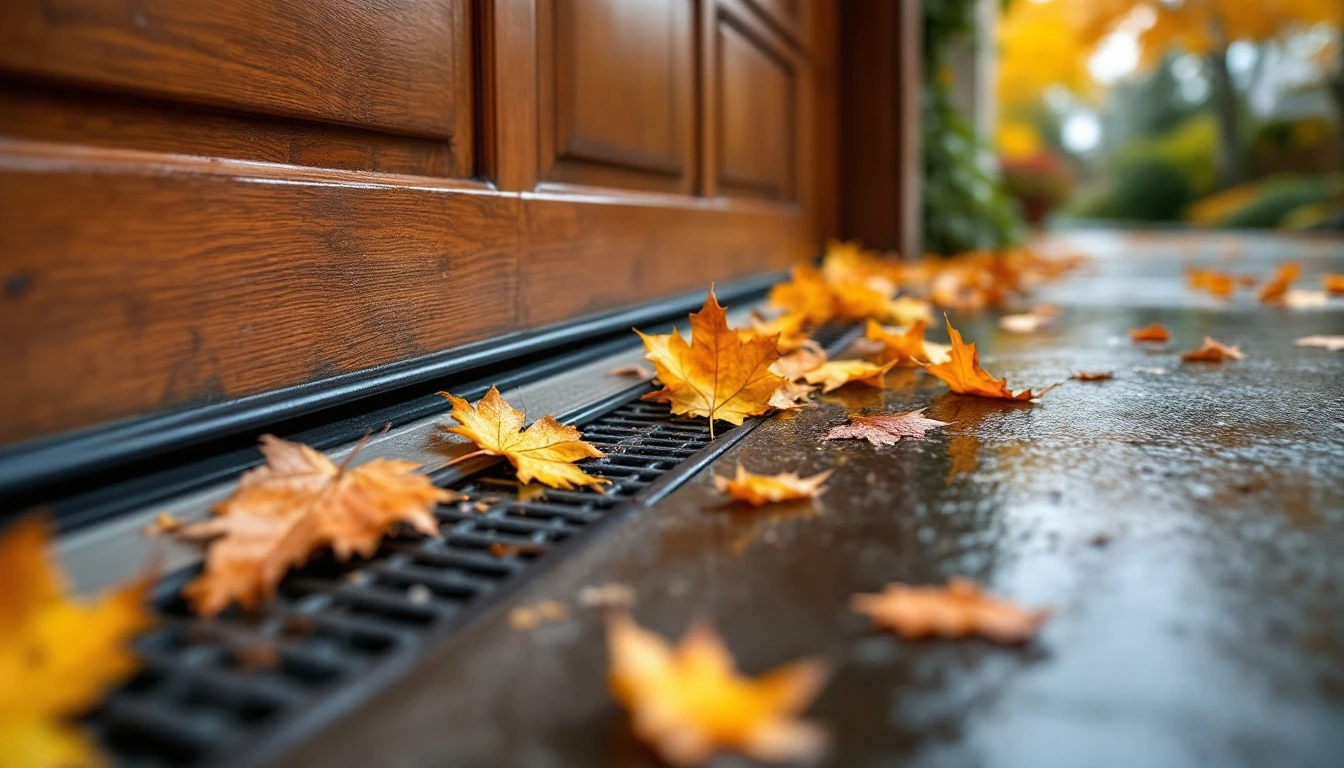
Focus first on door threshold seals at the base of your garage door. water intrusion starts most often, pooling at the floor and corroding the bottom panel brackets and track hardware. Replace worn bottom seals before summer humidity peaks.
For longer service life in Oregon’s wet climate, choose EPDM rubber or silicone weatherstripping over foam alternatives. EPDM lasts 10+ years and resists moisture absorption better than traditional foam tape. Check frame edges and overhead door seals annually, replacing any sections that show compression marks, cracks, or gaps that admit visible light when the door closes.
Ventilation and Moisture Control
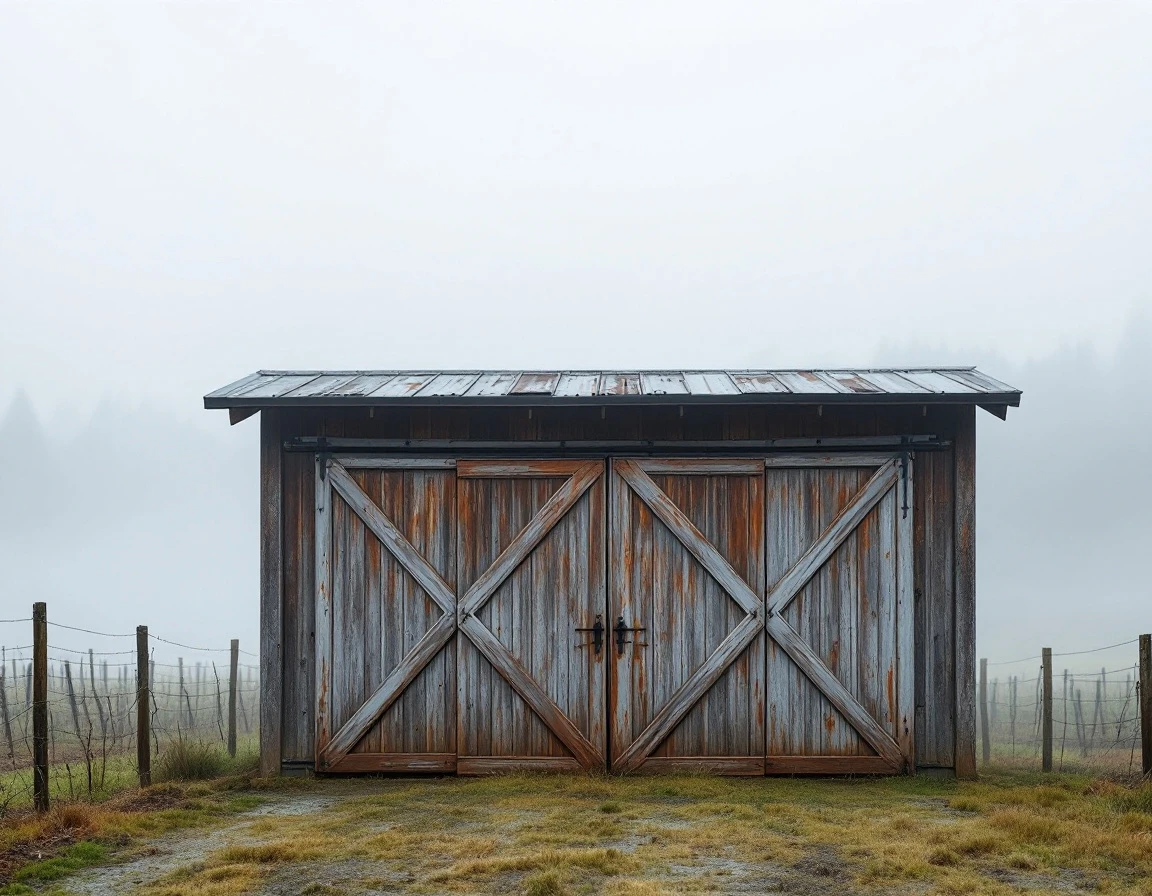
Proper ventilation is your first line of defense against moisture damage in older Dayton garages. Valley fog and cool mornings during June through September create condensation on metal door hardware, tracks, and fasteners—but passive airflow prevents humidity from lingering long enough to corrode these components.
Install soffit vents near the roofline and ridge vents at the peak to create natural air circulation year-round. Cross-ventilation works best: position vents on opposing walls so fresh air enters low and humid air exits high. This continuous exchange keeps interior humidity below the threshold where rust begins.
Blocked vents defeat the entire system. Remove stored items stacked against walls, clear leaves and debris from soffit openings, and keep gable vents unobstructed. Even partially blocked ventilation lets moisture build up inside, speeding up corrosion on metal surfaces during summer. That’s when prevention matters most.
Summer Maintenance and Monitoring
June through August brings the highest risk for accelerated corrosion in Dayton garages. While valley fog eases during summer, heat drives indoor humidity levels up, creating condensation on metal surfaces and triggering rust bloom on fasteners and hinges. Monthly visual inspections during these months catch new corrosion before it spreads into expensive damage.
Walk through your garage at least once each month, looking for water spots on walls, white powdery deposits on metal hardware, and fresh rust on door tracks or hinges. Check for condensation patterns on the garage door’s interior face early in the morning. If you spot moisture regularly, a small dehumidifier or moisture-absorbing products placed near the door can slow the process.
Clear gutters and downspouts monthly to prevent water pooling near your foundation. Blocked drainage channels moisture into garage walls, feeding the exact corrosion you’re working to prevent. Catching problems early keeps your repair costs down and your garage running smoothly. That’s the power of staying on top of maintenance.
When to Call a Professional
While the spring inspection framework catches most problems early, our Garage Harmony experts recognize when damage requires professional intervention. Rust bleeding through fresh paint. Structural pitting on door tracks, or corroded hinges that fail under load signal advanced corrosion that DIY methods can’t reverse. Similarly, severe weatherstripping failure—where door seals have hardened, cracked, or pulled away completely—may necessitate full threshold replacement rather than simple gasket renewal.
Roof leaks, sagging framing, or mold growth are signs your garage needs professional help—and fast. Moisture damage spreads quickly. We recommend reaching out to our team before the problem gets worse. Spring and early summer are ideal times to schedule repairs. Contractors have open calendars. Plus, fixing damage now prevents winter ice from making the problem worse.
Your monthly June–August inspections give you the knowledge to act confidently—either tackling preventive tasks yourself or recognizing when expert intervention saves money long-term. Schedule a moisture assessment with Garage Harmony today. Our experts will show you exactly what needs attention and help you avoid costly repairs down the road.