Bingen’s Unique Winter Threat Market
Bingen sits at a geographic crossroads where railroad-era construction meets some of Oregon and Washington’s most punishing winter conditions. Homes built during the lumber and railroad boom used lightweight frame designs that prioritized speed and economy over structural resilience. These vintage garages lack the lateral bracing found in modern construction, leaving them vulnerable when winter storms arrive. Without proper attention to winterize garage door systems before the season turns harsh, homeowners face escalating risk as temperatures drop.
The Columbia Gorge’s notorious east winds create a threat unlike anywhere else in the Pacific Northwest. Cold air funnels through the narrow river valley at speeds regularly exceeding 40 mph, with gusts reaching 60 mph or higher during major weather events. This lateral pressure pushes against garage doors with tremendous force, testing every hinge, track, and panel connection.
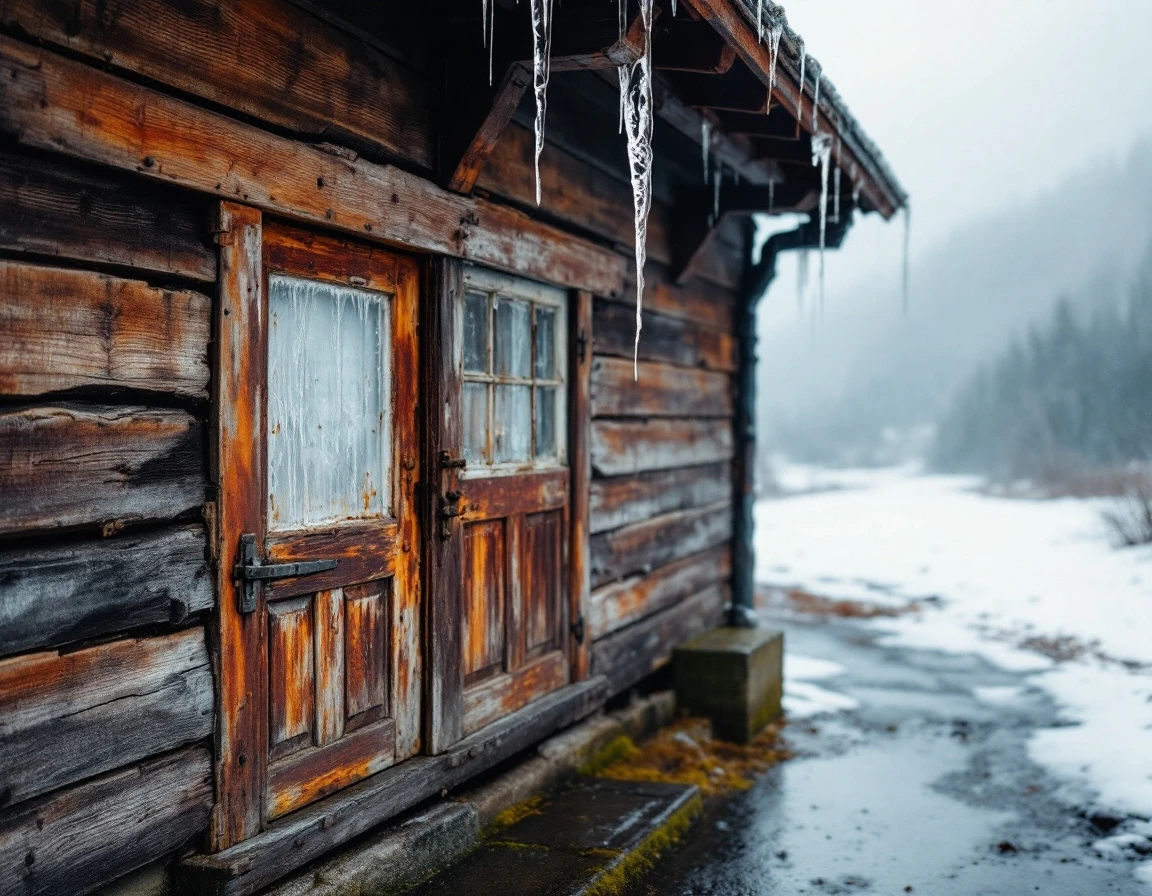
Ice storms compound the problem. The Gorge’s unique microclimate produces freezing rain that coats everything in thick layers of ice. Your garage door suddenly carries unexpected weight while its springs, cables, and opener mechanisms freeze solid. Moving parts that worked fine in October become rigid and unresponsive by December.
Older garage door systems installed decades ago weren’t designed with wind ratings or ice loads in mind. Without reinforced tracks, heavy-duty springs, and proper weatherstripping, these doors face structural failure when conditions turn harsh.
Generic winterization advice written for milder climates simply doesn’t address what Bingen homeowners experience every winter.
Structural Assessment Before Winter
Before the first east wind barrels through the Gorge, walk through a systematic inspection of your vintage garage door. Start at the top: examine the mounting brackets that secure your door’s header to the framing. Look for rust stains, cracked wood, or bolts that wiggle when you press them. These railroad-era homes often used lighter lumber than modern construction, and decades of moisture exposure can turn solid wood into sponge.
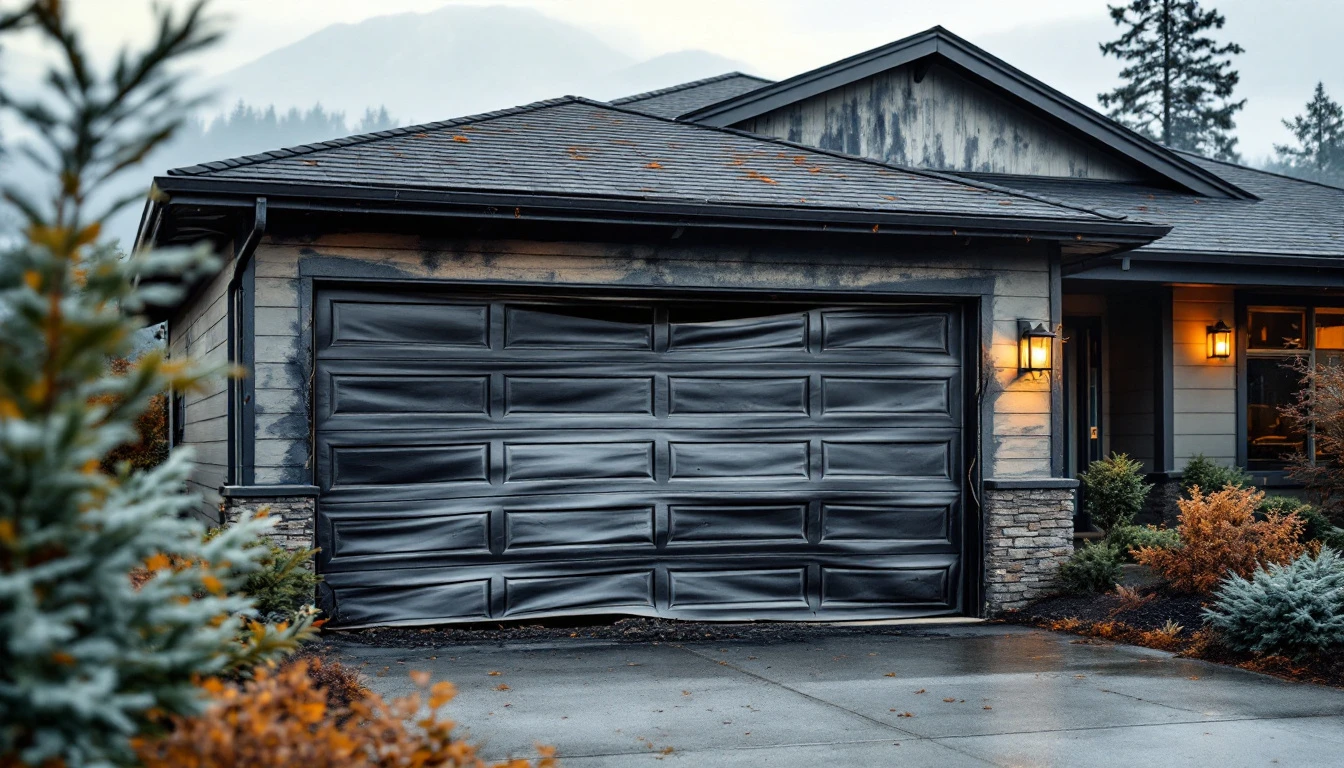
Move down to the hinges connecting each panel. Rusted hinges don’t just squeak—they create stress points that concentrate ice load onto weakened metal. Check the weatherstripping along all four edges of your door. If you see daylight gaps or crumbling rubber, those openings invite moisture that freezes overnight and expands. When your door panels show uneven spacing—wider gaps at one corner than the other—your frame is already under stress.
Spring condition matters more than most homeowners realize. Lift your door halfway and release it. Does it stay put, or does it drift up or down? A balanced door distributes weight evenly. An unbalanced system puts extra strain on one side, and when ice storms add weight, that’s when catastrophic spring failures happen at 2 AM in January.
Take photos of your door from multiple angles today. Document the current condition of hardware, panels, and weatherstripping. If you spot frame rot, significant rust, or a door that won’t balance, contact us today rather than attempting DIY fixes.
These warning signs indicate structural issues that worsen rapidly once Gorge winter arrives.
Reinforcement for East Wind Resistance
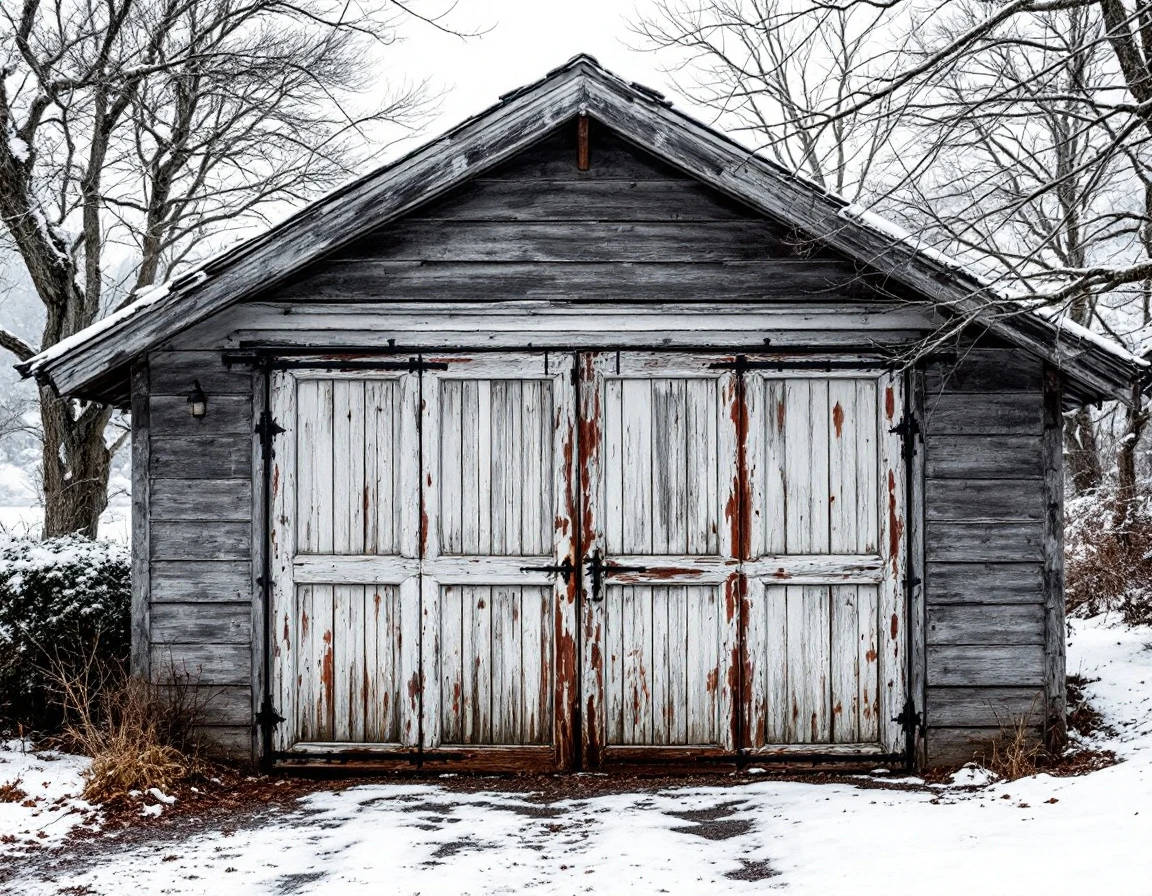
East winds in Bingen don’t just rattle vintage garage doors—they push laterally on the entire frame, causing deflection that binds doors in their tracks and tears aging hardware from wood studs. Reinforcing the frame prevents this lateral movement before it leads to catastrophic failure during a Gorge wind event. These vintage garage door repair needs in the Columbia Gorge region demand structural solutions beyond standard weatherproofing.
- Diagonal bracing is the most effective structural upgrade for railroad-era garage frames. Installing X-bracing or diagonal corner braces distributes wind load across the entire frame rather than concentrating stress at the hinges. Cut 2×4 lumber to fit corner-to-corner inside the frame, securing with 3-inch structural screws driven into solid wood studs. This creates a triangulated structure that resists racking when 50 mph gusts hit the door face. Most homeowners with basic carpentry skills can add this bracing over a weekend.
- Vintage strap hinges fail under wind load because the thin steel wasn’t designed for modern stress levels. Upgrade to heavy-duty hinges rated for wind loads over 40 mph. Using through-bolts rather than screws wherever possible. Replace flimsy corner brackets with 14-gauge steel versions that won’t deform when the door flexes. These hardware upgrades cost $80-150 for a single door but prevent the cascading damage that occurs when hinges tear loose during a storm.
- The header and side jambs need reinforcement where they meet the garage wall structure. Sister a second 2×6 or 2×8 alongside existing framing members, using construction adhesive and lag bolts every 16 inches. This simple addition prevents the frame from shifting laterally when sustained winds push on the door for hours.
- Air infiltration around the frame perimeter increases internal garage pressure, turning your garage into a balloon that pushes outward against the door. Apply wind-load rated polyurethane sealant at all frame-to-wall joints and caulk visible gaps. This final step requires a professional eye to identify pressure points, but prevents the invisible force that compounds wind stress from outside.
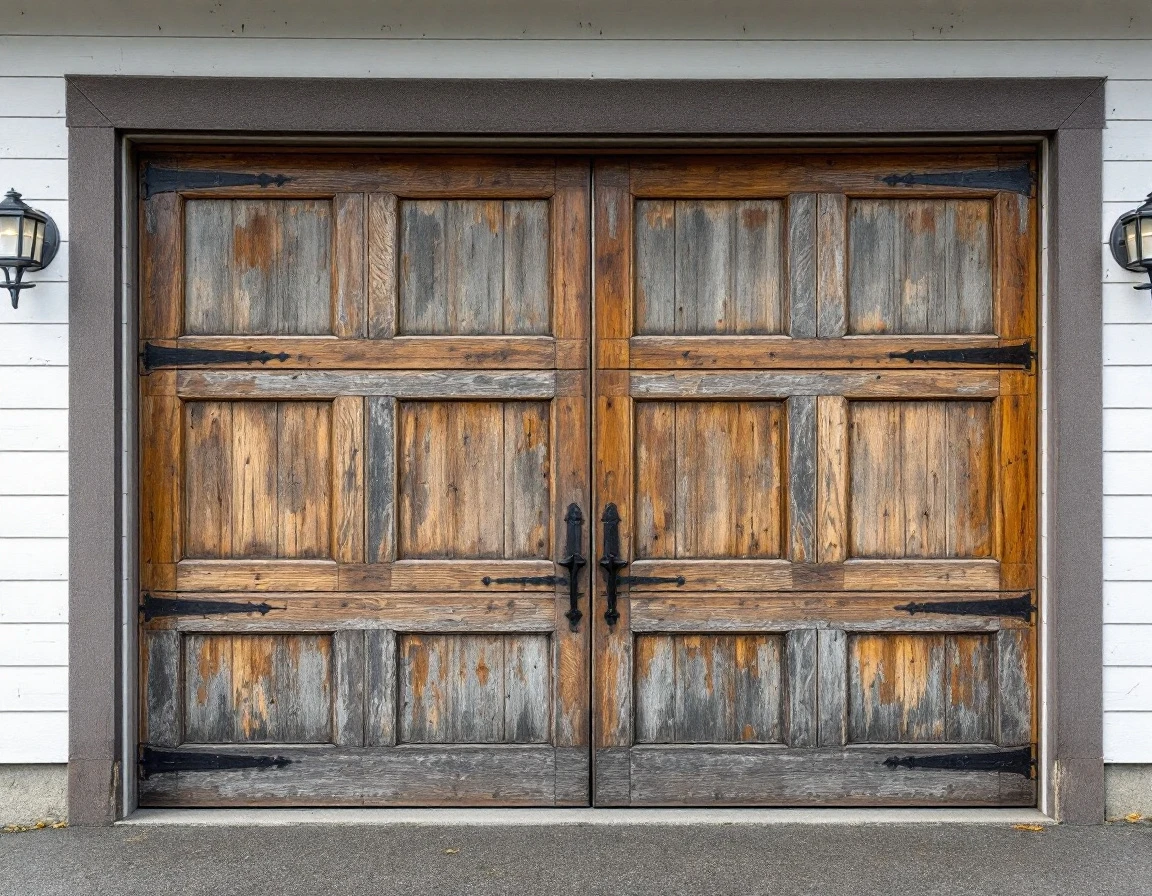
Ice Storm Winterization Sequence
Complete your winterization tasks in the right order to protect your vintage garage door before Bingen’s ice storms arrive. Start in early October by cleaning all tracks, rollers, and hinges, removing debris that can trap moisture and accelerate freeze damage. For older homes throughout the region, this winterizing approach to garage doors prevents the cascade of failures that emerge once temperatures plunge.
The critical mistake many homeowners make? Using traditional petroleum-based lubricants that actually attract and trap water. When temperatures drop below freezing, that trapped moisture expands, cracking rollers and seizing hinges. Instead, apply a hydrophobic lubricant specifically built to shed water—products like silicone-based or PTFE lubricants create a barrier that prevents ice adhesion while allowing moisture to escape.
By mid-October, seal all gaps in your weatherstripping where ice dams can form at door edges. These small gaps become entry points for freezing rain that works its way into mechanisms. Allow two weeks for sealants to cure fully before the first hard freeze, which typically arrives in late November along the Gorge.
Once winter arrives, test your door operation weekly during cold snaps. Early detection of freeze-related binding means you can address small issues before they escalate into emergency repairs during the next ice storm—when professional help may be delayed by road closures and high demand.
Weight Distribution Under Ice Load
Ice storms in the Columbia Gorge transform a standard garage door into a heavily loaded structural system. Depending on storm intensity and the surface area of your door panels, ice accumulation adds 50 to 150 pounds of unexpected weight. Bingen’s vintage doors—designed decades before modern load calculations became standard—weren’t built for these extremes. Understanding garage door ice storm damage in the Gorge means recognizing that your older system operates far beyond its original design parameters.
That extra weight doesn’t distribute evenly. Older spring systems lose tension capacity over time, reducing their safe load rating by roughly 20 to 30 percent as metal fatigues. When ice builds up more heavily on one side—common when east winds drive freezing rain against exposed panels—you get dangerous imbalance that strains hinges and side jambs never meant to handle lateral stress.
The freeze-thaw cycle makes everything worse. Ice melts during brief warm spells, shifts position, then refreezes in new configurations. This constant load redistribution creates unpredictable stress patterns across aging hardware. Which springs need replacement before winter? Monitor balance and listen for uneven tension. Springs showing visible gaps, rust pitting, or asymmetric door movement require professional replacement now—before the first ice storm turns a weak spring into an emergency repair during the worst weather.
Professional Help vs. DIY Boundaries
Weatherstripping replacement, visual inspections, and applying lubricant fall safely within homeowner capabilities. You can check track alignment, test door balance, and replace worn seals without specialized tools. These tasks require only basic hand tools and careful observation.
Spring replacement, track welding, and header reinforcement demand professional intervention. Vintage garage door springs store hundreds of pounds of tension that releases violently when hardware fails. Springs on Bingen’s railroad-era doors may have lost tension unpredictably over decades, making them far more dangerous than modern counterbalanced systems. Attempting spring work without proper winding bars, safety equipment, and training risks serious injury or death.
A professional winterization audit conducted in September or October costs $150-300 and identifies structural weaknesses before east winds arrive. This inspection catches problems that lead to emergency repairs costing $800-2,000 or more when doors fail during ice storms. Professionals assess whether your vintage door can withstand another Gorge winter or needs replacement.
Contact a professional immediately if you notice gaps widening between door sections, springs showing rust or deformation, or doors binding severely during operation. These warning signs indicate imminent failure that worsens rapidly under winter stress. Postponing repairs until spring often means catastrophic damage when the first major storm hits.
Pre-Winter Checklist for Bingen Homeowners
Working backward from the June 2026 publication date, Bingen homeowners should begin winterization tasks in late summer to avoid discovering problems after the first ice storm. This timeline accounts for the realistic lead times needed to hire professionals and order specialty parts in a region where most service providers operate from Portland or The Dalles.
- August-September (2-3 months before first freeze): Conduct a thorough inspection of your door’s frame, springs, and weatherstripping. Document the current condition with photos and notes. This early window gives you time to source replacement parts and schedule professional work before contractors get swamped with emergency calls.
- September-October: Complete all reinforcement tasks and professional assessments. Install diagonal bracing, upgrade hinges, and reinforce headers while temperatures remain mild enough for sealants and adhesives to cure properly. This phase addresses the most critical elements needed to reinforce old garage doors against east winds.
- October-November: Finish lubrication with hydrophobic products and seal all perimeter gaps. Test your door’s operation in cool conditions before freezing temperatures arrive. Adjust spring tension if needed.
- December onward: Monitor your door weekly during cold snaps and east wind events. Keep emergency contact information for Garage Harmony readily available in case winter storms reveal hidden weaknesses.