Castle Rock’s Wet Climate Challenge: Garage Door Rust Prevention Strategies
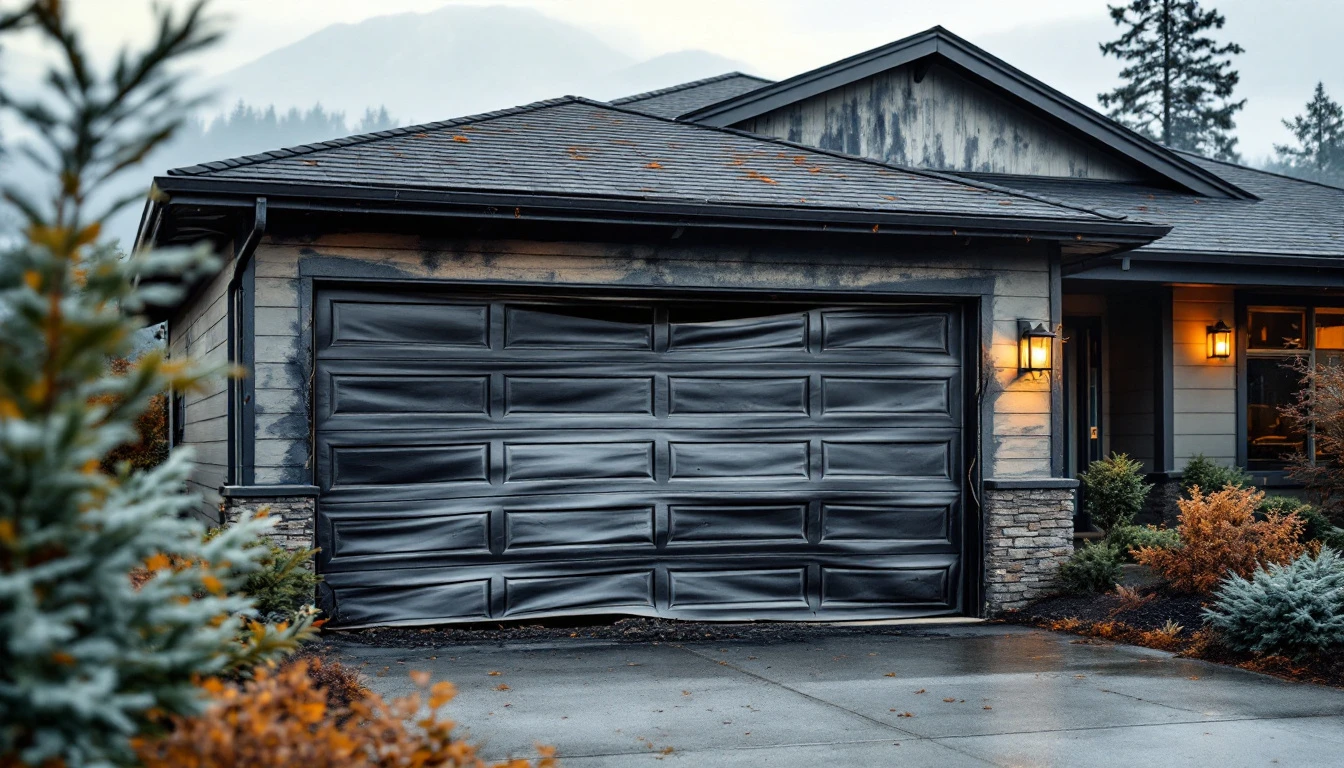
Castle Rock receives 40-50 inches of rainfall annually, creating persistent moisture conditions that accelerate rust, corrosion, and component failure on garage doors. Understanding garage door rust prevention Castle Rock homeowners can implement is essential for protecting your investment in this wet climate.
40-50 Inches Annual Rainfall Creates Persistent Moisture Exposure
Castle Rock’s climate deposits between 40 and 50 inches of rain annually, creating year-round moisture conditions that challenge garage door materials. This persistent wetness accelerates corrosion on metal components and promotes wood rot on door panels.
Manufactured housing carports and detached garages face improved corrosion risk because these structures often lack the protective overhang and sealed perimeter found in attached garages. Exposed hardware, springs, and tracks remain damp for extended periods, particularly during fall and winter months when rainfall peaks.
Spring through fall represents peak rust
While Castle Rock experiences rain year-round, spring through fall creates the perfect storm for rust development. Warmer temperatures during these months accelerate the chemical reactions that cause corrosion, while persistent moisture keeps metal surfaces wet. This combination attacks garage door hardware, springs, and steel door panels with particular intensity.
Proper material selection at installation can extend your door’s lifespan by 5-10 years. Galvanized steel doors with rust-resistant coatings hold up far better than basic steel options in our climate.
For carports and detached garages common in Castle Rock manufactured housing communities, choosing corrosion-resistant materials isn’t just smart—it’s essential protection against our wettest seasons.
Material Comparison for High-Rainfall Areas
Choosing the right garage door material in Castle Rock means understanding how each option handles 40-50 inches of annual rainfall. The manufactured housing garage door maintenance demands of this region call for materials that can withstand persistent moisture without frequent intervention.
- Galvanized steel doors offer the most cost-effective entry point for corrosion resistance. The zinc coating creates a protective barrier that prevents rust from reaching the underlying steel. In Castle Rock’s wet conditions, properly maintained galvanized steel doors typically last 15-20 years before requiring replacement. The trade-off comes in maintenance frequency—you’ll need to inspect the coating twice annually and touch up any chips or scratches immediately to prevent rust spread.
- Aluminum doors resist rust naturally since aluminum oxidizes into a protective layer rather than corroding through like steel. However, the protective clear coat that prevents pitting and maintains appearance requires reapplication every 3-4 years in high-rainfall garage door materials environments. Aluminum doors can last 20-25 years in Castle Rock, but the coating maintenance adds to your total ownership cost. These doors work particularly well for carport installations where weight matters.
- Composite and Vinyl: The Corrosion-Free Option — Composite and vinyl doors eliminate metal corrosion entirely by using materials that don’t rust. These doors handle moisture exposure without degradation, making them ideal for detached garages near the Toutle River or other flood-prone areas. Expected lifespan reaches 25-30 years with minimal maintenance beyond basic cleaning. The upfront cost runs higher—typically 30-40% more than galvanized steel—but you’ll avoid coating repairs and rust remediation entirely.
For Castle Rock homeowners, the material decision comes down to balancing initial investment against long-term maintenance commitment. Each option delivers the 5-10 year lifespan extension our thesis promises, but through different mechanisms that fit different budgets and property types.
Spring Maintenance Routine for April Launch
Starting your maintenance routine in April — right when this article publishes — positions you to catch winter damage before it worsens. Castle Rock’s wet season runs through May, making early spring the ideal time to inspect weatherstripping for gaps and moisture retention that developed during months of persistent rain. Check door tracks for standing water or debris that could trap moisture against metal surfaces.
April Through June: Foundation Work
April tasks:
- Inspect all weatherstripping around door perimeters and between panels
- Replace any sections that feel spongy or show compression damage
- Lubricate rollers, hinges, and tracks with a moisture-resistant product — avoid petroleum-based options that can attract dirt and hold water
- Test auto-reverse safety sensors to catch any moisture-related electrical issues
May tasks:
- Examine springs and cables for surface rust or fraying. Springs under tension require professional attention if you spot corrosion. But you can visually inspect them safely
- Clean tracks thoroughly to remove winter grit that acts as an abrasive
- Tighten all hardware that may have loosened during freeze-thaw cycles
June tasks:
- Wash the entire door with mild detergent to remove accumulated salt and road spray as drier weather arrives
- Inspect painted or coated surfaces for chips or scratches that expose bare metal
- Touch up any damage immediately — small rust spots spread quickly once established
July Through September: Preventive Protection
July and August: Reapply lubricant to all moving parts. This is when carport door rust prevention benefits most from attention in rainy areas — open structures dry faster but need protection before fall rains return. Check for wasp nests in track channels.
September: Conduct a full pre-winter inspection. Test door balance by disconnecting the opener and manually lifting the door halfway. It should stay in place — if it drops or rises, spring tension needs professional adjustment. Verify weatherstripping remains pliable before cold weather hardens rubber seals.
This monthly approach catches deterioration early, when prompt weatherstripping maintenance prevents costly panel repairs. Consistent attention from April through September directly addresses the moisture cycles that cause premature failure in Castle Rock’s climate.
Rust Warning Signs and Action Thresholds
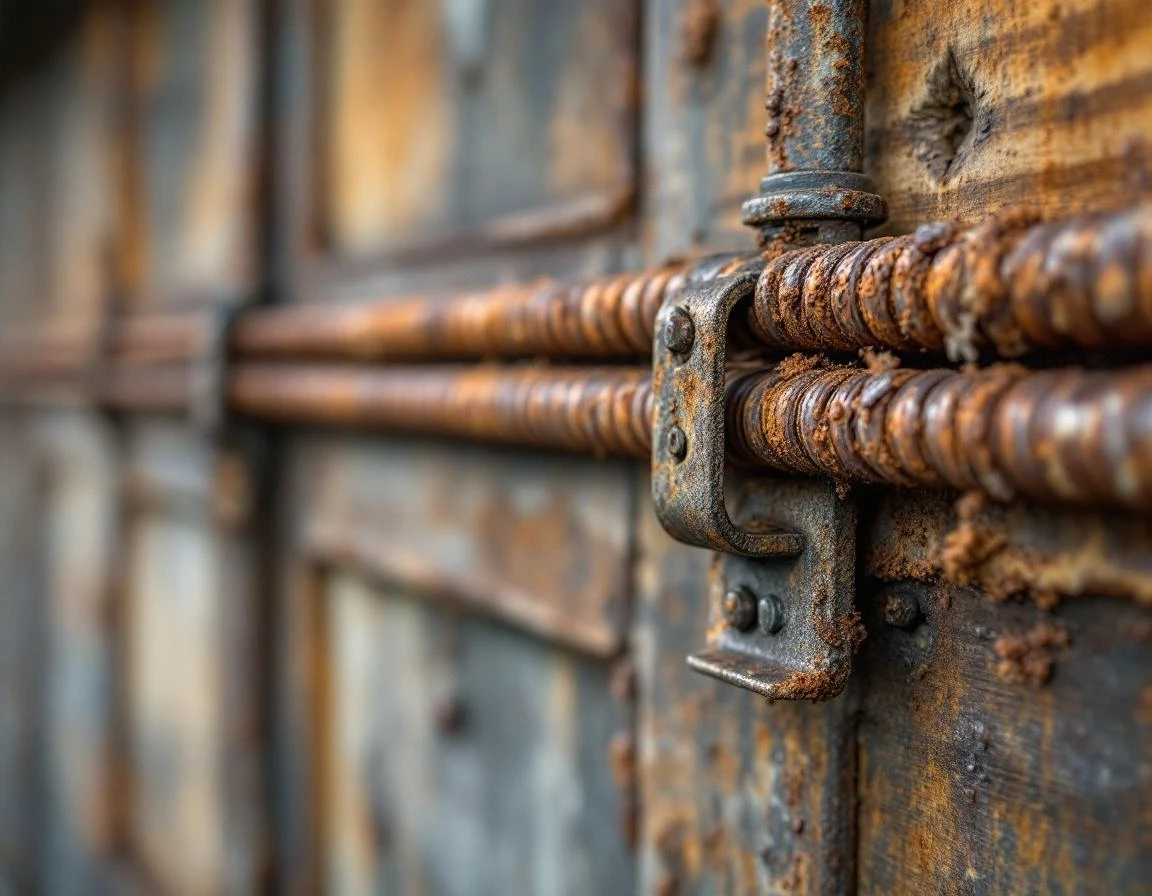
Knowing when rust demands professional attention versus DIY treatment can save you hundreds in unnecessary repairs. Surface rust appears as orange or brown discoloration on metal components—this is your DIY window. If you can wipe away the oxidation with a rag and see clean metal underneath, you’re catching it early enough for home treatment with rust converter and protective paint.
Deep pitting tells a different story. When rust creates craters deeper than 1/16 inch in your garage door panels or tracks, the metal’s structural integrity is compromised. White crusty deposits on galvanized steel indicate the protective zinc coating has completely failed, exposing bare metal to Castle Rock’s persistent moisture. These conditions require professional assessment and often component replacement.
Pay special attention to weatherstripping around your garage door perimeter. Cracked or missing seals allow rain to penetrate behind panels where it sits unnoticed, accelerating hidden corrosion. This interior rust often appears as bubbling paint or flaking on the inside surface—a clear signal that moisture has been working unseen for months.
Hinge and spring corrosion demands immediate action. Orange dust near torsion springs or flaking rust on lift cables indicates metal fatigue that precedes failure. These components operate under tremendous tension, and corroded springs can snap without warning and residential entry system malfunctions often happen unexpectedly. If you notice rust accumulation on any spring or cable component, contact Garage Harmony today before a breakdown leaves your garage door inoperable.
Weatherstripping and Sealant Solutions
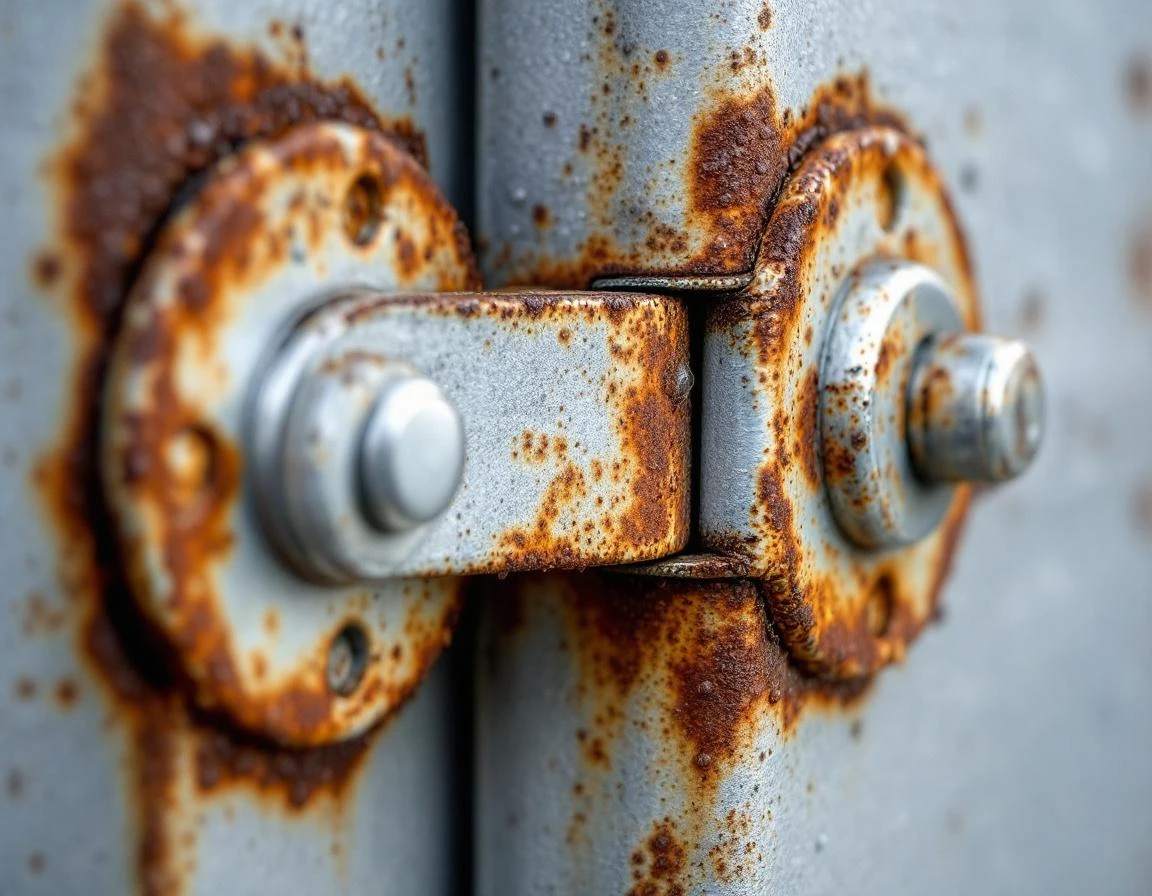
Weatherstripping acts as the first line of defense against moisture infiltration into your garage door panels and frame. When these seals fail, water seeps behind metal surfaces and sits against bare steel, accelerating rust formation exactly where you can’t see it happening. In Castle Rock’s 40-50 inch annual rainfall environment, this trapped moisture never fully dries out, creating perfect conditions for corrosion to spread through your door’s core structure.
Rubber weatherstripping outperforms vinyl by maintaining flexibility through temperature swings and resisting UV breakdown. Vinyl becomes brittle after two winter seasons, cracking at mounting points and allowing water entry. Rubber strips, while slightly more expensive upfront, maintain their seal for 2-3 years before requiring replacement.
Plan weatherstripping replacement as part of your April maintenance launch. Inspect bottom seals for compression damage and side seals for gaps when the door closes. If you can see daylight through closed door edges or feel air movement, replacement is overdue. Installing new strips takes 30-45 minutes with basic tools, but professional installation becomes necessary when frame damage exists around mounting channels.
Frame caulk prevents water pooling at base corners and threshold joints where concrete meets metal. Apply fresh silicone caulk annually to these high-risk zones, removing old deteriorated material first. This simple step stops standing water from sitting against your door’s most vulnerable points.
Next Steps: Planning and Professional Support
Take a close look at your garage door before the April maintenance season begins. Assess your current door material—whether it’s galvanized steel, aluminum, or composite—and check for signs of rust, weatherstripping gaps, or hinge corrosion that signal deeper problems.
If you’re uncertain whether surface rust can be treated or if damage requires panel replacement, schedule a professional inspection. Manufactured housing installations often have unique structural considerations that require specialized expertise, especially for carport conversions or detached garage installations common in Castle Rock.
Use April as your annual reset point. This guide has equipped you to choose the right materials and recognize when DIY maintenance ends and professional help begins. Contact Garage Harmony or other local Longview-Kelso specialists who understand the wet climate garage door solutions specific to manufactured housing in our region. Get in touch with us today to schedule an inspection and keep your garage door performing reliablyormance through fall and beyond.