Columbia Gorge Wind Threat
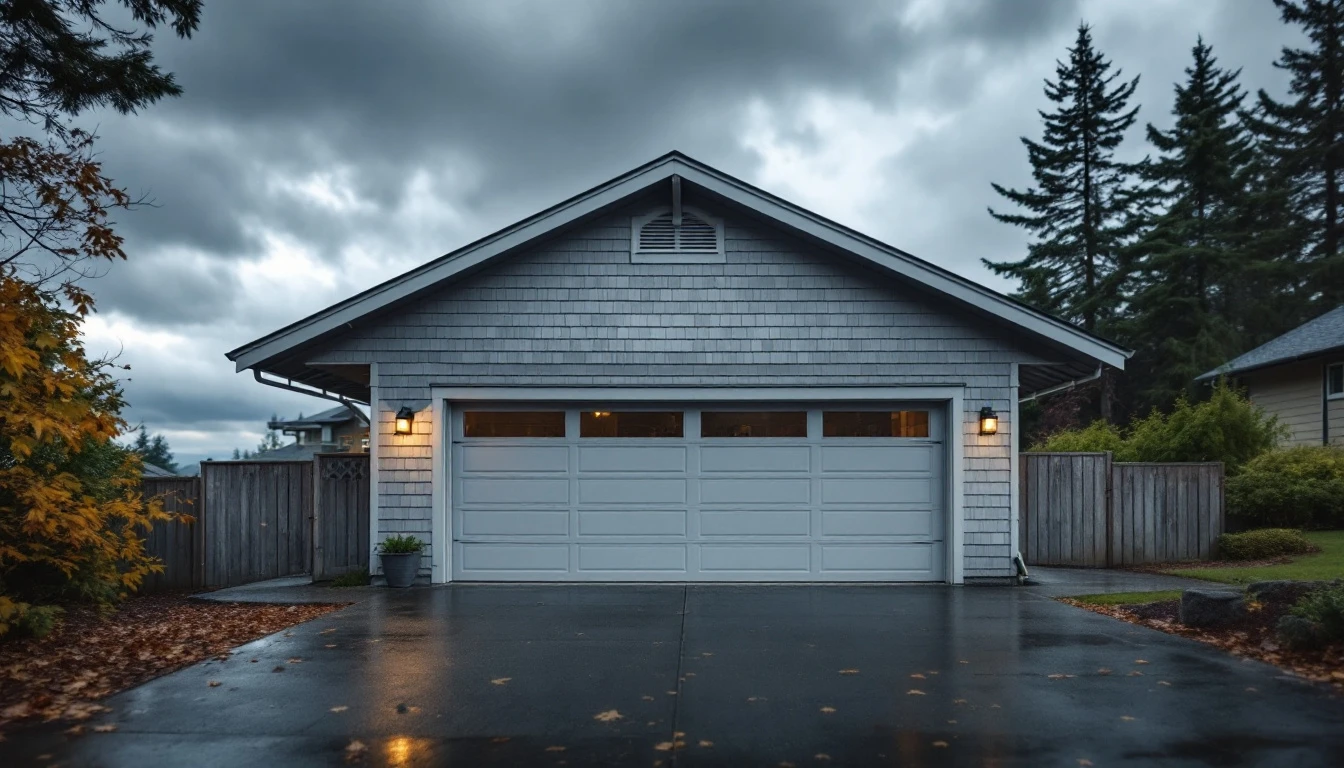
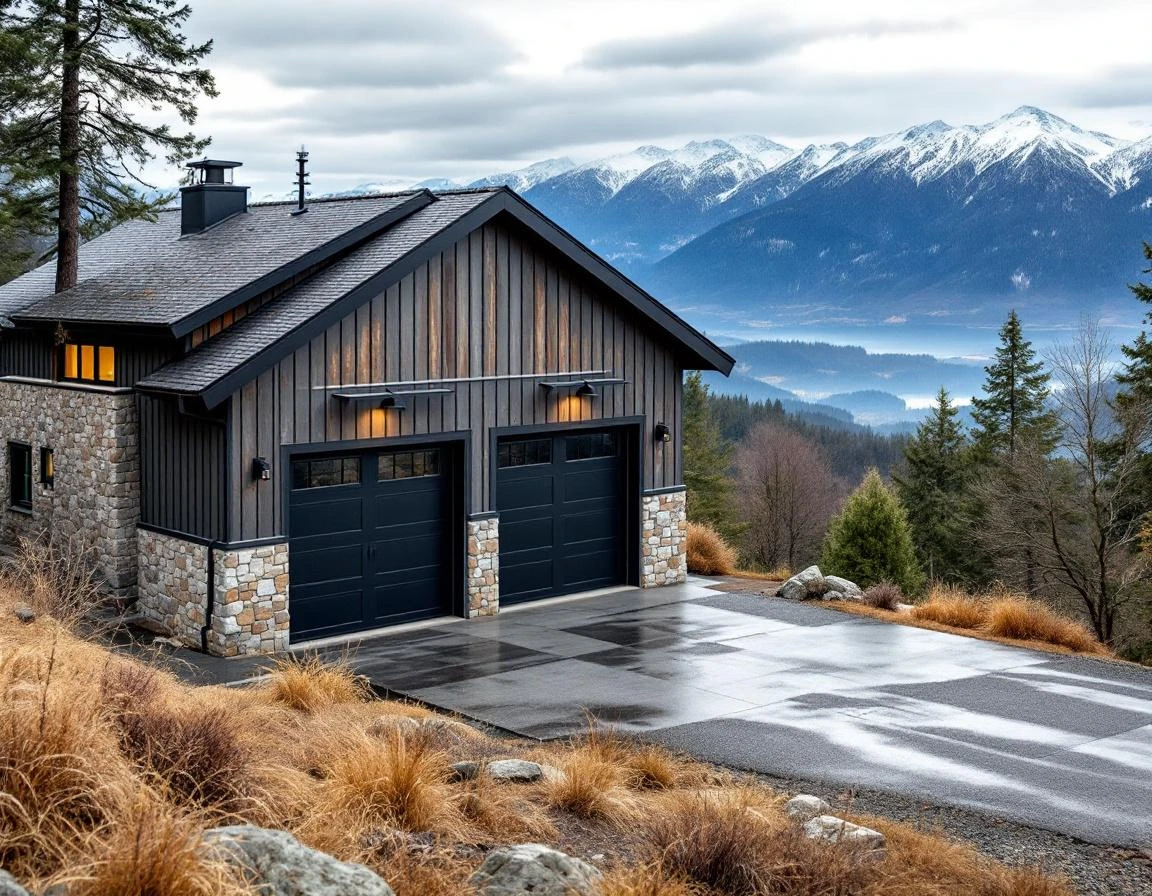
White Salmon’s position on the Washington bluffs creates a perfect storm for garage door failure. The town sits 300-600 feet above the Columbia River, directly in the path of east winds that funnel through the Gorge with nowhere to escape. This elevation amplifies wind exposure—what arrives as a 30 mph wind at river level becomes a sustained 40-50 mph gust on the bluffs, with spring storms pushing speeds to 60-80 mph.
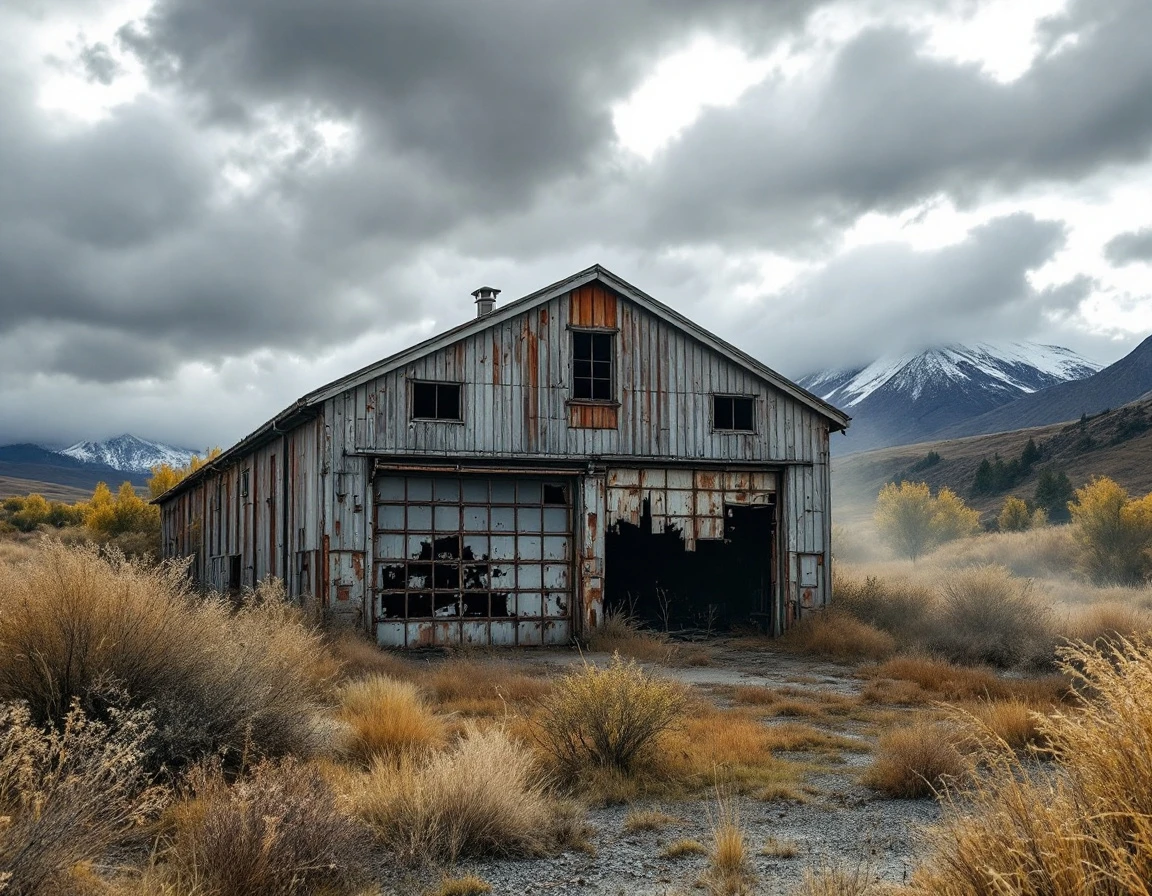
Standard residential garage doors are rated for 85-90 mph wind loads under controlled test conditions. That sounds adequate until you realize Gorge winds don’t blow in controlled conditions. They gust, shift direction, and create pressure differentials that turn your garage door into a sail. When a standard door fails at 60 mph, it doesn’t just bend—it catastrophically breaches. The door panel buckles inward or the entire assembly tears from the frame, exposing your home’s interior to wind-driven rain and debris.
Spring east wind season runs March through May, exactly when homeowners least expect damage. One failure costs $3,000–$8,000 in door replacement plus secondary damage to vehicles, stored items, and interior walls from moisture intrusion. For bluff properties, wind-rated doors aren’t optional—they’re structural insurance.
Standard vs Wind-Rated Doors
Understanding the difference between standard and wind-rated garage doors starts with PSF—pounds per square foot. This measurement tells you exactly how much wind pressure a door can withstand before failure. Standard residential garage doors carry ratings of 85-90 PSF, designed for typical suburban exposure where winds rarely exceed 30 mph. Wind-rated doors engineered for Gorge conditions? They’re built to 130-200+ PSF ratings, specifically built to survive sustained extreme winds.
What makes the difference in construction? Wind-rated doors use 24-gauge steel panels instead of the thinner 25-26 gauge steel found in standard doors. The frames are welded and internally reinforced rather than simply crimped together. Hurricane-grade hinges—the same hardware protecting coastal Florida homes—replace standard residential hinges. Commercial-grade weatherseals prevent wind-driven rain infiltration that standard seals cannot stop.
Here’s what those PSF numbers mean in real terms: A standard 85 PSF door fails when wind pressure reaches about 35-40 mph sustained winds. A 150 PSF wind-rated door? It’s engineered to survive 60+ mph sustained winds—exactly what White Salmon properties face during spring east wind events. The International Residential Code (IRC) and ASTM E1886 and E1996 standards define testing protocols for wind-rated doors, which must meet engineering specifications under laboratory conditions that simulate real-world wind loads.
By engineering specification, standard residential doors cannot survive Gorge wind conditions. The math doesn’t work, and neither do the materials.
Why Standard Doors Fail
Standard garage doors fail in Columbia Gorge winds because they weren’t engineered for sustained pressure above 90 PSF. When east winds hit 60-80 mph during spring events, panel buckling happens first. Thin 27-gauge steel panels—designed for mild climates—collapse inward under sustained pressure, creating a convex bulge that compromises the door’s structural grid. Once the panel loses its flat geometry, it can no longer distribute wind load across the frame.
Frame separation follows as wind shear forces exceed the capacity of standard mounting hardware. The lateral load pulls anchor bolts from jambs, tearing fasteners through frame metal. Standard residential hinges weren’t designed for the cyclical stress of repeated 70 mph gusts—they fatigue, bend, and eventually fail at connection points.
Seal failure completes the breach. Weatherstripping and bottom gaskets rated for 90 mph testing tear under 140+ mph sustained wind pressure. Once seals fail, wind-driven rain enters the garage, soaking stored items and penetrating interior walls. The door itself becomes a structural liability—bowed panels create entry points for water and debris.
This is what 85 PSF engineering means in real conditions: a door that buckles, separates, and leaks when White Salmon properties face the wind events they’re guaranteed to experience every spring. The mechanical failure isn’t gradual—it’s catastrophic, and it happens while you’re watching.
Wind-Rated Specifications
What should you actually ask for when shopping for a wind-rated garage door? Start with the number that matters: 130-160 PSF (pounds per square foot) minimum for White Salmon bluff properties. This rating means the door can withstand the 40-80 mph wind gusts your property faces during spring east wind events.
Look for two certifications on product spec sheets: ASTM E330 (structural performance testing) and ANSI/DASMA 108 (garage door wind load standards). These aren’t marketing claims—they’re lab tests that prove the door survives specific wind speeds without failing. Washington building codes may mandate wind-resistant doors in your area, so verify current Skamania County requirements before purchasing.
Demand these specific features in your wind-rated door:
- 24-gauge steel panels (not the thin 26-gauge standard doors use)
- Continuous welded frames (not bolted corners)
- Grade 8 bolts for track mounting
- Dual-seal gasket systems
Print this checklist and bring it to contractors: PSF rating verification, certification documentation, panel gauge measurement, frame welding inspection, and fastener grade confirmation. These features aren’t optional—they’re the difference between a door that survives and one that fails catastrophically.
Selection & Installation
Knowing what makes a wind-rated door effective is only half the equation—getting one installed correctly is where theory meets real-world protection. Product choice alone won’t save your garage when April east winds hit White Salmon’s bluffs at 60 mph. Installation quality determines whether your door survives or becomes another insurance claim.
Start by choosing manufacturers with documented Gorge-region experience. Clopay, Wayne Dalton, and Chi all produce doors rated for extreme wind zones. But don’t rely on brand reputation—verify the PSF rating on the product spec sheet. Not all “wind-rated” doors meet the 130-160 PSF threshold White Salmon properties need. Request documentation of ASTM E330 test results before purchasing.
Installation demands precision. Anchor depth, fastener spacing, and frame alignment must meet wind-load specifications down to the quarter-inch. A frame misaligned by half an inch creates stress points where hurricane hinges can’t function as designed. Proper anchoring into studs—not just drywall—distributes lateral loads across the structure. Weatherstripping must compress evenly around the entire perimeter, or wind-driven rain will find every gap.
April is your installation window. Complete replacement before late April when peak east wind season arrives. Professional installation isn’t just recommended—it’s mandatory for warranty coverage. DIY installation voids manufacturer guarantees and leaves you financially exposed when the next wind event tests your door.
Contact Garage Harmony to schedule your wind-rated door installation before spring winds arrive.
Investment & Protection
Wind-rated garage doors cost $2,500–$5,500 installed in White Salmon—roughly $1,300–$3,000 more than standard doors priced at $1,200–$2,500. That premium feels significant until you consider what it prevents: a single wind damage event can cost $3,000–$8,000 or more to repair structural damage, replace interior contents, and fix water intrusion from a failed door.
This isn’t an upgrade—it’s insurance against catastrophic loss. Research shows that a strong garage door is key to preventing a cascade of damage during severe weather. Some carriers recognize this and offer premium discounts for wind-resistant installations. Call your insurer to ask if your policy qualifies.
Timing matters. April is the last safe installation window before May east wind season begins. Waiting means emergency replacement during peak wind season costs more and exposes your home to avoidable damage. Spending now on proper doors prevents the far greater cost of rebuilding after a wind breach.