Hood River Wind Exposure & Garage Door Risk
The Columbia River Gorge funnels persistent east winds through Hood River, creating 40-80 mph gusts that can buckle standard garage doors not engineered for extreme wind loads. Property owners in this region depend on wind-rated garage doors Hood River contractors recommend to protect their homes from sustained Gorge winds that far exceed typical residential door specifications.
Columbia Gorge wind funnels 40-80 mph gusts
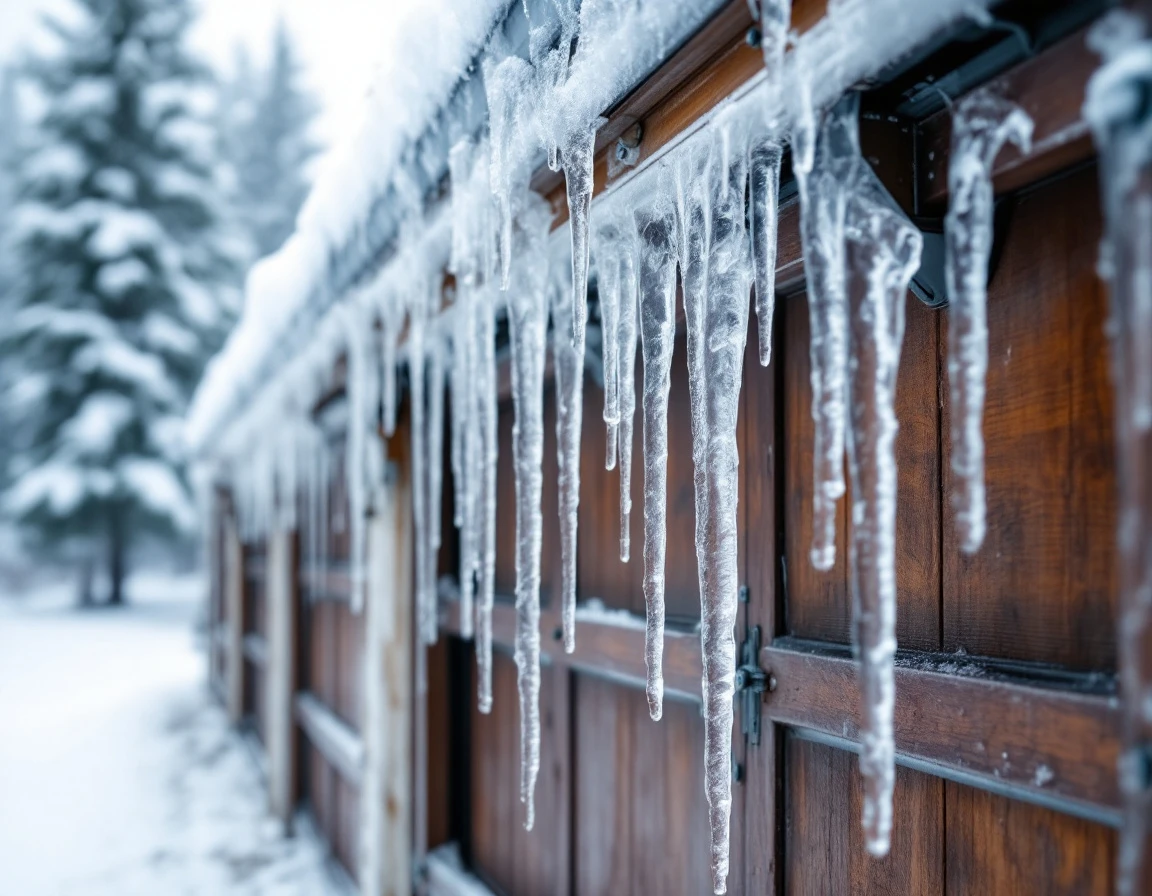
The Columbia River Gorge acts as a natural wind tunnel, funneling powerful east winds through Hood River at speeds that regularly reach 40-80 mph during peak storm events. These sustained gusts create intense structural stress on east-west facing garage doors, which bear the full brunt of the wind pressure as it accelerates through the narrow canyon.
Standard residential garage doors carry wind pressure ratings around 85 mph, which sounds adequate until you factor in the Gorge’s extreme weather events. When sustained gusts combine with pressure differentials and debris impact, doors rated just above the typical wind speed fail catastrophically.
The result? Bent panels, torn-off sections, damaged frames, and breaches in your home’s protective envelope that expose interiors to wind and moisture.
Historic downtown properties and newer construction on exposed sites face highest risk
Historic downtown Hood River properties and newer homes on exposed bluffs in White Salmon face the highest wind damage risk. These locations catch the full force of Gorge winds without natural windbreaks.
Understanding your property’s wind exposure helps determine door specifications. Eastern-facing garages and properties on improved sites require higher wind ratings than sheltered locations.
Wind-Rated Garage Doors Hood River & Rating System
When shopping for a garage door in Hood River, the wind rating isn’t a nice-to-have feature — it’s your first line of defense against Gorge gusts. Wind ratings measure a door’s resistance to pressure differential, and homes in the Columbia Gorge need doors tested to withstand 100+ mph winds under the ASTM D7399 standard. This testing protocol confirms your wind-rated garage door can handle the 40-80 mph sustained gusts that regularly sweep through the region.
The key specification to look for is the Design Pressure (DP) value. This number tells you exactly how much wind force a door can resist. For Hood River properties, DP40 provides a baseline level of protection, but it’s the bare minimum. We recommend DP60 for homes with direct east-west exposure. Particularly properties on the Heights or exposed locations along the waterfront.
The higher rating provides a critical safety margin when wind events exceed forecasted speeds.
Material choice matters just as much as the rating itself. Steel doors with reinforced mid-rails and aluminum frames consistently outperform composite or wood construction in extreme wind conditions. The mid-rail acts as a horizontal brace that prevents the door panels from flexing inward when wind pressure builds. Insulated steel construction delivers the bonus of maintaining energy efficiency while meeting wind resistance requirements — addressing both your heating bills and structural integrity in one upgrade.
Reinforced Garage Door Tracks for High-Wind Stability
Why do standard residential garage door tracks fail when Gorge winds hit 50 mph? The answer lies in material thickness. Standard 16-gauge steel tracks flex under sustained wind pressure, allowing doors to shift laterally during gusts. This movement breaks weather seals, misaligns panels, and creates gaps that let wind-driven rain into your garage.
Reinforced tracks solve this problem with 14-gauge or thicker steel construction that resists lateral flexing. The gauge difference may seem minor, but 14-gauge steel is roughly 20% thicker than 16-gauge, providing greater rigidity when wind loads press against your door. For Hood River homes, this upgrade is a core component of hood river garage door wind damage prevention—especially on exposed sites where sustained 40 mph winds are common during spring storm season.
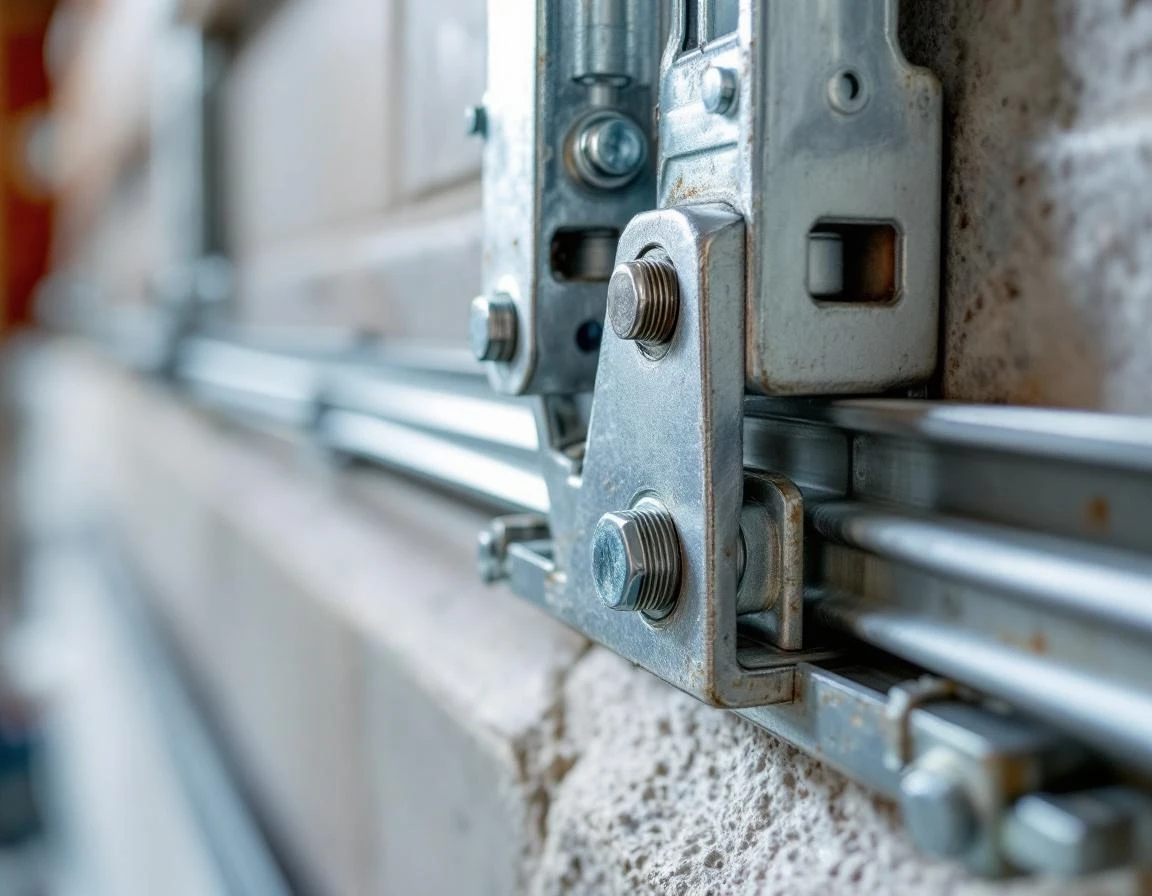
Track bracing systems add another layer of protection. Horizontal and vertical reinforcement bars distribute wind loads evenly across the track system rather than concentrating stress at mounting points. These braces prevent the door from racking—the twisting motion that causes panel separation and seal failure. Professional installers position braces at specific intervals based on door height and wind exposure.
Mounting pattern matters just as much as track gauge. Reinforced systems use 24-inch center spacing between mounting bolts instead of the standard 32-inch pattern. Tighter spacing keeps tracks plumb and level under wind stress, maintaining door alignment throughout the storm. When discussing installation with contractors, specify both track gauge and mounting spacing—these details determine whether your wind-rated door performs as engineered.
Anchor & Hardware Specifications
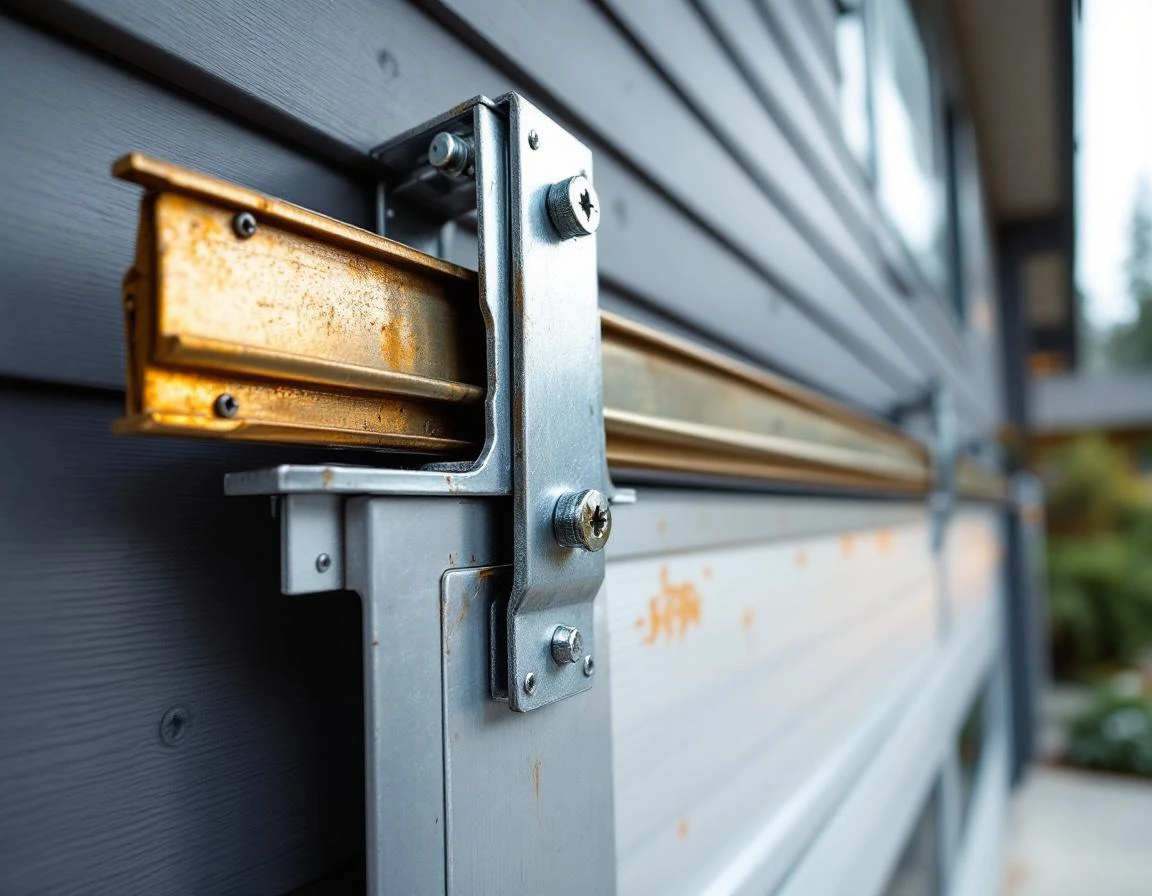
Wind-resistant garage door systems require anchors rated for 3,000+ pounds tensile strength—standard L-brackets and residential fasteners simply cannot handle Gorge wind loads. When 60 mph gusts hit a 16-foot garage door, lateral forces can exceed 2,000 pounds, causing standard hardware to pull loose from wall framing or crack mounting surfaces.
Proper anchor placement distributes this pressure across multiple structural connection points: top corners of the door frame, bottom corners, and mid-height lateral points. This placement pattern prevents concentrated stress that causes frame twisting. Spacing and bolt patterns must match door and frame specifications—typically 16-24 inches on center for wind-rated systems. Understanding garage door anchor systems wind resistance is critical when retrofitting homes to meet Columbia Gorge garage door engineering standards.
Fastener upgrades make the critical difference. Specify ½-inch diameter bolts with lock washers and Grade 8 specification to prevent pull-through during wind events. Anchors must penetrate into structural framing—concrete foundation walls or wood rim boards—never drywall or lightweight sheathing materials that lack holding power.
Installation Specification Checklist
- 3,000+ lb. tensile-rated anchors
- ½-inch Grade 8 bolts with lock washers
- Anchor penetration into concrete or structural framing (minimum 3 inches)
- Top, bottom, and mid-height anchor placement
- Documentation of torque specifications
This hardware anchoring forms the third layer of Hood River wind protection—securing your entire door assembly to your home structure when spring Gorge winds arrive.
Historic vs. New Construction Considerations
Your home’s age and construction type determine which wind protection challenges you’ll face. Historic downtown Hood River properties—those charming 1900s-1940s masonry and wood-frame homes—often present hidden complications for wind-rated door installation. Decades of settling can compromise opening frames, creating irregular dimensions that standard doors can’t accommodate. Water infiltration may have deteriorated wood framing or corroded lintels, weakening structural support before you even begin installation.
These historic properties require professional structural assessment before any wind-rated system goes in. A qualified installer should inspect opening frames for rot, measure for out-of-square conditions, and identify reinforcement needs. Expect custom fabrication or frame rebuilding to create openings that meet modern wind-rated door specifications.
Newer construction presents different challenges. Homes built post-2010 on exposed sites like Westside or Windmaster Corner meet standard residential codes—but those codes don’t account for sustained 40-60 mph Gorge gusts. Modern framing lacks the anchor points and bracing depth that wind-rated systems demand. Retrofit upgrades to wall studs and header assemblies are typically necessary.
Regardless of your home’s age, March through April represents your critical installation window. Complete your retrofit before spring wind season intensifies. Both historic and new properties benefit from this timing—avoiding peak demand and weather delays that postpone protection when you need it most.
Implementation Checklist & Next Steps
Before selecting your new garage door, document your opening dimensions, measure the condition of your existing frame, and note whether your garage faces east or west for direct wind exposure. When meeting with vendors, request written documentation showing the door’s DP rating meets or exceeds DP40 for Hood River wind conditions.
Once you’ve selected a door, obtain a structural assessment of your anchoring points before installation begins. Confirm that your installation contract specifies 14-gauge track reinforcement with mounting every 24 inches. Require written verification of Grade 8 fastener specifications and the exact anchor placement pattern your installer will use.
After installation, perform a visual inspection of all mounting hardware and test your door in both automatic and manual operation modes. Document the torque specifications used for each anchor point and keep this information with your home maintenance records. These specifications become important if you need future repairs or adjustments.
With March winds already beginning to intensify across the Gorge, scheduling your installation now prevents costly emergency repairs during peak spring storm season. Replacing your door with code-approved wind pressure protection engineered specifically for Hood River conditions keeps your home secure when the next Gorge windstorm arrives. Contact us today to discuss wind-rated garage doors Hood River homeowners trust.