Why Winter Safety Testing Matters
Cold, wet Portland winters put extra stress on garage door components. Testing your safety features now prevents malfunctions when you need reliable access most.
Garage doors pose serious injury risks if safety
When safety features malfunction, garage doors become dangerous. These heavy systems—often weighing several hundred pounds—can crush vehicles, injure pets, or trap family members if auto-reverse mechanisms or sensors fail.
Portland’s winter rain and freezing temperatures accelerate wear on mechanical components. Moisture seeps into tracks and springs, while cold weather stiffens lubricants and affects sensor alignment, making pre-winter testing essential for protecting your household.
Portland homeowners can prevent emergency repairs
Proactive testing protects Portland families from injuries and prevents costly emergency repairs when garage doors malfunction. Regular safety checks identify problems before they escalate into dangerous situations or require urgent professional intervention.
Three built-in safety features stop malfunctions before they happen:
- The auto-reverse mechanism halts and reverses door movement when resistance is detected
- Photo-eye sensors create an invisible beam across the door opening, stopping closure if anything blocks the path
- The manual release disconnects the opener during power outages or mechanical failures, allowing safe operation by hand
Auto-Reverse Feature Test
The auto-reverse mechanism is a federally mandated safety feature that every garage door must have. This sensor detects resistance when the door contacts an object during closing, immediately stopping downward movement and reversing direction. Testing this feature takes less than five minutes and requires only basic household items.
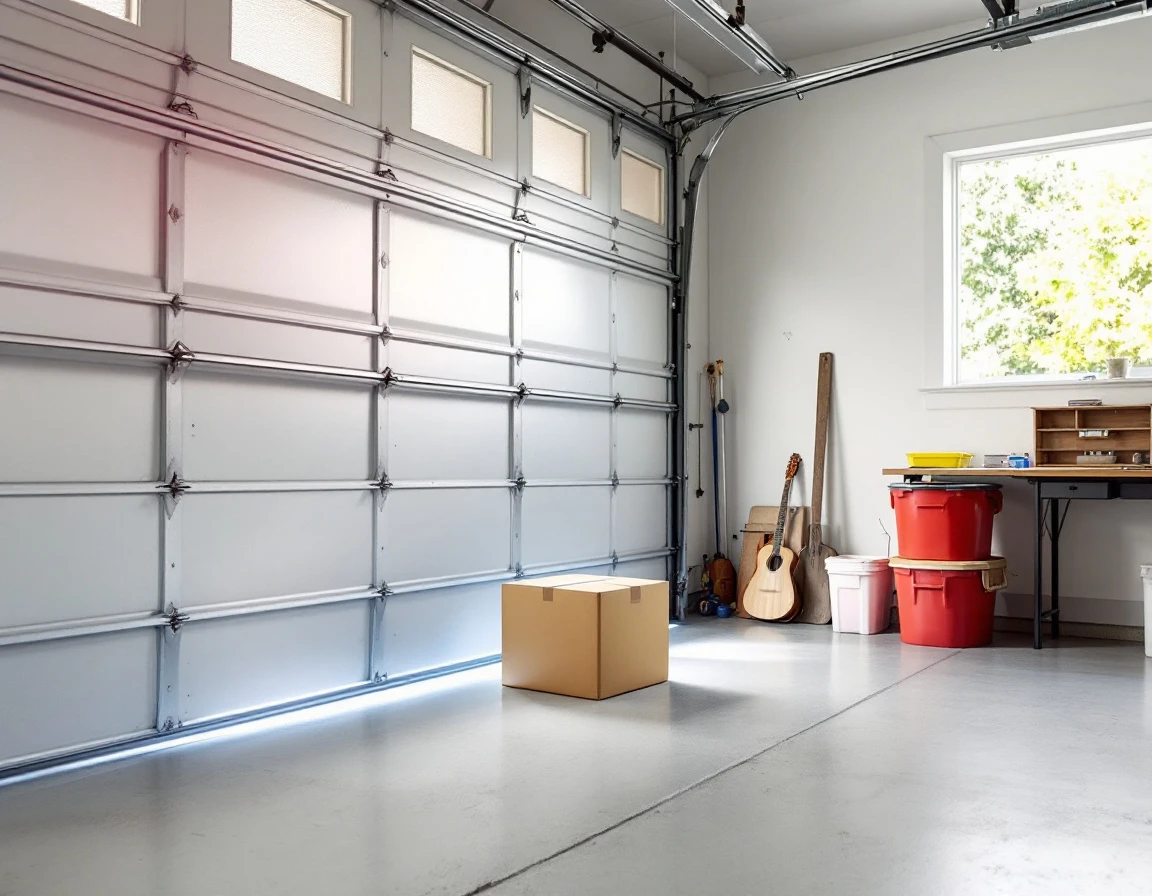
Grab a foam pool noodle, a piece of 2×4 lumber, or a flattened cardboard box. Place the object flat on the garage floor in the center of the door’s path, about a foot from the threshold. The test object should be at least two inches thick to trigger the sensor properly.
Position yourself outside the door’s closing zone where you have a clear view but won’t be struck if the mechanism fails. Use your wall button or remote to close the door. Watch carefully as the door descends toward the test object.
Here’s what should happen: the door contacts the object and stops within one to two inches of downward travel, then immediately reverses direction and opens fully. This response should occur the moment the door touches the obstacle—no delay, no hesitation.
If your door crushes the object, continues pressing downward, stops but doesn’t reverse, or requires you to manually intervene, the auto-reverse feature has failed. This is a non-negotiable safety failure that puts children, pets, and anyone near the door at serious risk of injury.
A failed auto-reverse test means calling a professional immediately. Don’t use the door until it’s been repaired. This isn’t an optional upgrade or a convenience feature—it’s the primary mechanism preventing your garage door from becoming a 300-pound crushing hazard.
Photo-Eye Sensor Verification
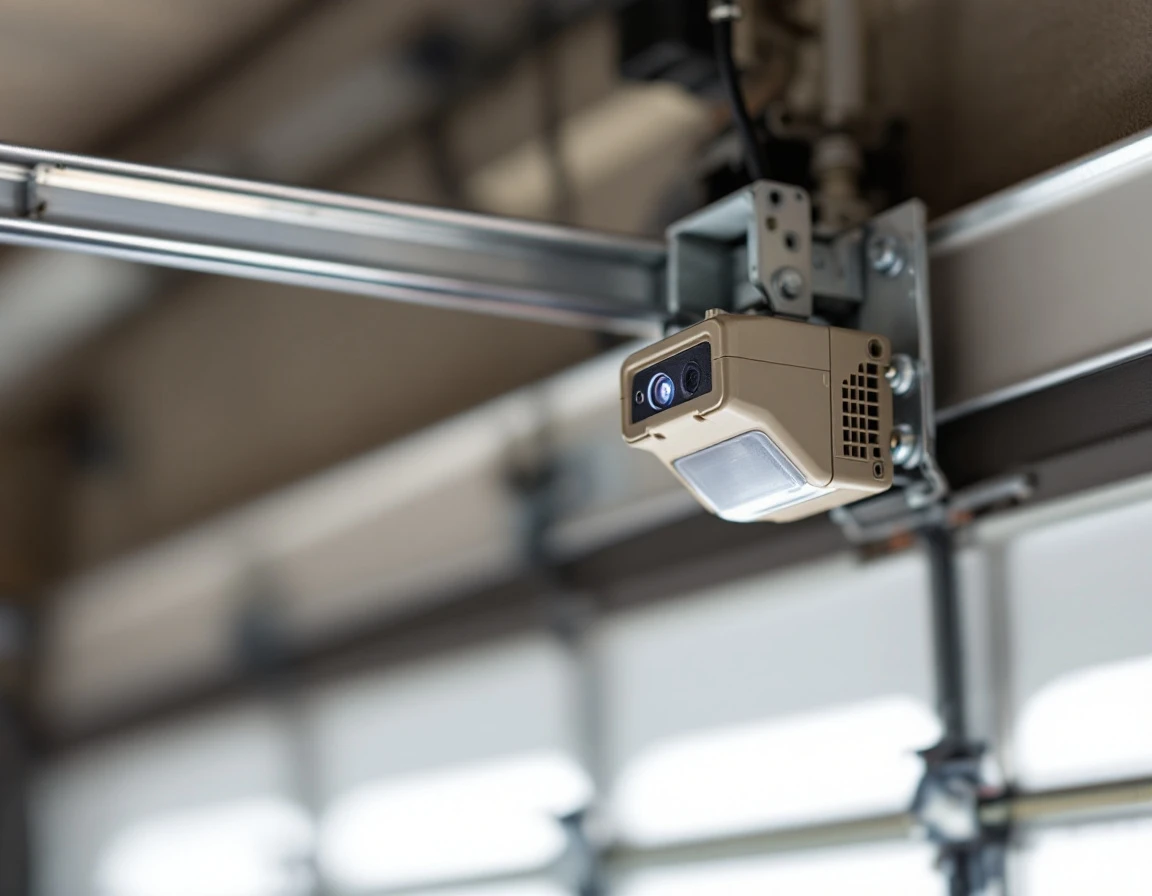
After testing your auto-reverse mechanism, it’s time to check the photo-eye sensors. These safety devices create an invisible beam across your garage door opening, stopping the door mid-close if anything interrupts the beam. Your garage door system has two sensors mounted on each side of the opening near the floor—one transmitter and one receiver—and both must work together to protect people, pets, and vehicles from injury.
Start by visually inspecting the sensor lenses on both units. Portland’s wet fall and winter months bring leaf debris, mud splatter, and moisture buildup that can coat or clog these small lenses. Wipe each lens clean with a soft cloth. Even a thin film of grime can prevent the beam from transmitting properly, causing your door to malfunction or creating a dangerous false sense of security.
Next, test the beam alignment. Open your garage door fully, then press the close button. As the door descends, wave your hand or hold an object directly between the two sensors at ground level. The door should stop immediately or reverse direction when you break the beam. This is a pass. If the door continues closing despite the obstruction, the sensors have failed—either they’re misaligned, dirty beyond a simple cleaning, or malfunctioning.
Portland’s winter moisture and seasonal temperature swings can knock sensors out of alignment or corrode wiring connections. If cleaning the lenses doesn’t solve the problem, the sensors likely need professional realignment or replacement. Don’t ignore failed sensor tests. These devices prevent serious injuries by detecting children, pets, or objects in the door’s path. Both sensors must function in tandem for your system to operate safely through winter’s demanding conditions.
Manual Release Mechanism Test
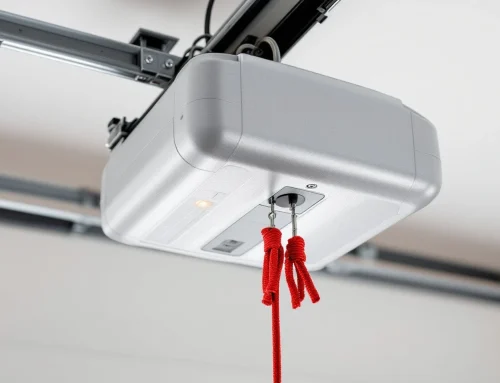
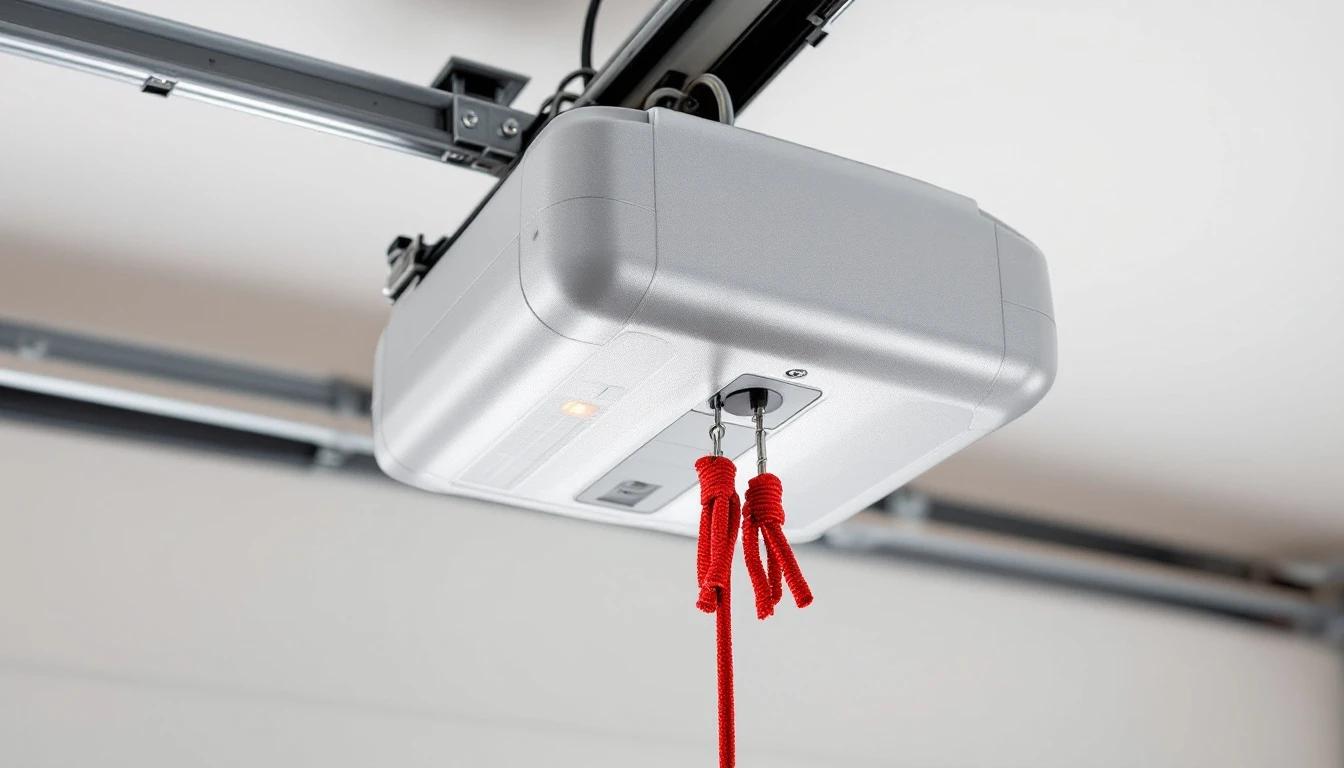
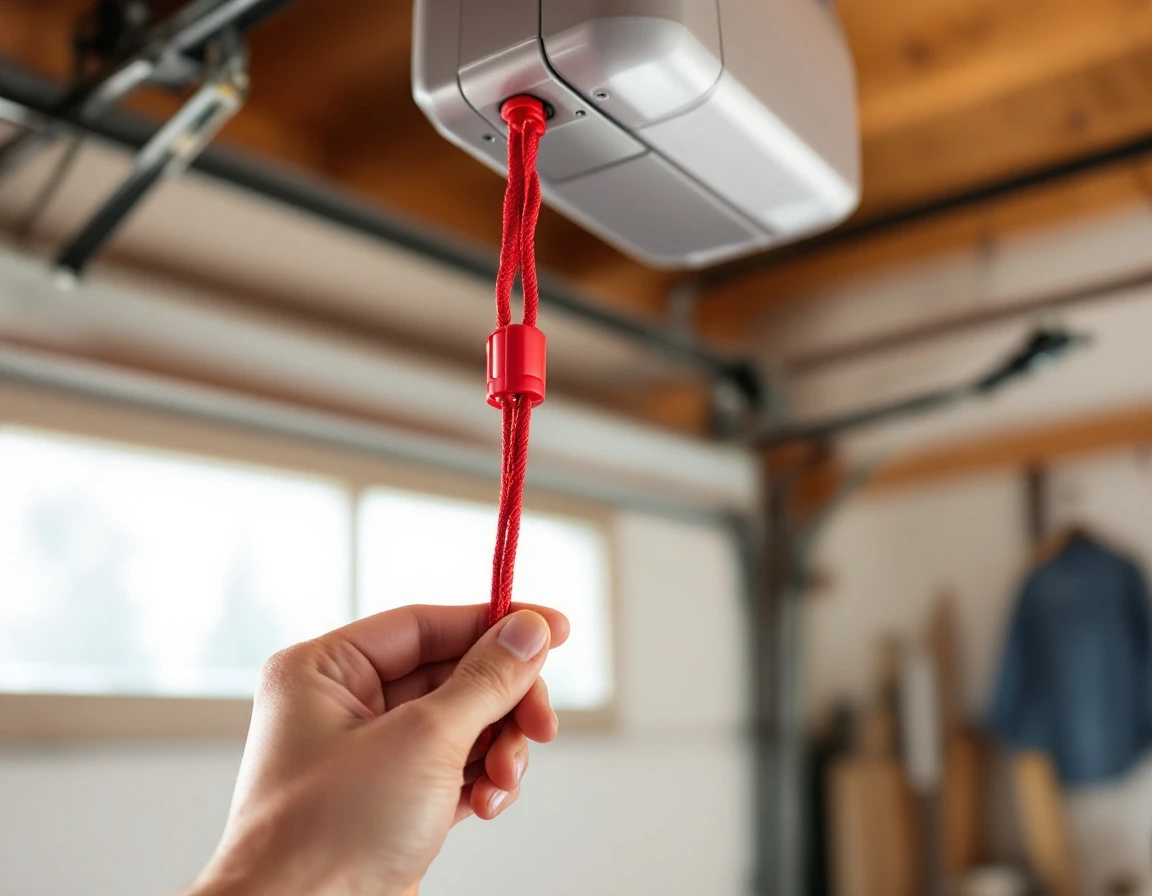
Every garage door opener includes a manual release—usually a red cord or handle hanging from the opener trolley near the center of your garage ceiling. This feature allows you to disconnect the door from the motorized track and hand-crank it open when the power goes out. For Portland families who’ve experienced winter ice storms or wet-weather outages, testing this mechanism now means you won’t be trapped in (or out of) your garage when the lights go dark.
To test the manual release, start by closing the garage door completely. Never test this feature with the door open. As a door disconnected mid-height can come crashing down. Pull the release cord or handle firmly—you should hear a distinct click or snap as the trolley disengages from the opener carriage. Now try lifting the door manually. It should rise smoothly with moderate effort, roughly the same force you’d use to lift a large cooler. If the door moves freely and stays in place when you let go halfway up, your release mechanism passes.
Warning signs include a stuck or tangled cord that won’t pull, a door that refuses to disengage even after pulling the release, or a door that feels extraordinarily heavy or binds as you lift it. Jerky, uneven movement or a door that slams down when released indicates a balance or spring problem requiring immediate professional attention. If the door operates smoothly but feels stiff, applying lubricant to rollers, hinges, and tracks often resolves the issue.
Manual release functionality is your backup plan during Portland’s unpredictable winter weather. If your test reveals problems, contact Garage Harmony before storm season arrives—waiting until the power’s out is too late.
Pass or Call a Professional
Here’s the bottom line: all three safety tests must pass for safe winter operation. If your garage door failed any of the tests we’ve covered—auto-reverse, photo-eye sensors, or manual release—you need professional evaluation. Some minor issues might be DIY-resolvable: cleaning dirty sensor lenses, clearing debris from the photo-eye beam path, or lubricating a sticky manual release cord. But major failures demand expert attention.
Non-responsive auto-reverse? That’s a non-negotiable safety hazard requiring immediate professional repair. A broken or stuck manual release mechanism? Call Garage Harmony today—these aren’t issues to tackle yourself.
Why? Because professional inspection catches hidden damage that visual testing misses entirely: worn springs under extreme tension. Misaligned tracks that cause binding, frayed cables ready to snap, or opener components nearing failure.
November is your window of opportunity. Scheduling a professional inspection now costs far less than emergency repair calls during winter storms when demand spikes and you’re stuck with a non-functioning door in freezing rain. Our team at Garage Harmony makes scheduling easy, even during the busy holiday season.
Your next step? If all three tests passed, you’re set for winter. If anything failed—or if you’d rather have peace of mind from a professional evaluation—contact us today to schedule an inspection before month-end. Don’t wait for a safety feature to fail when you need it most.