Why November Matters for Storm Readiness: Hurricane Preparedness for Your Garage Door in Oregon
Oregon’s hurricane season peaks from October through December, making November your final window to prepare before severe weather arrives. Hurricane season in Oregon peaks October through December—November gives you time to prepare while you’re not in crisis mode. Winter power outages can affect your garage door in ways many homeowners don’t realize.
When your garage door opener stops working during a power outage, you’ll want access to your emergency supplies and vehicles. If you have an attached garage, you might also need to reach stored items or use it as a staging area.
Homeowners with attached garages face dual risks: structural damage from high winds and flying debris, plus complete loss of emergency supply access when the power goes out. Pre-season maintenance prevents expensive emergency repairs during peak storm season. Schedule your pre-storm inspection with Garage Harmony today to get ahead of the rush.
Door Integrity and Weather Sealing
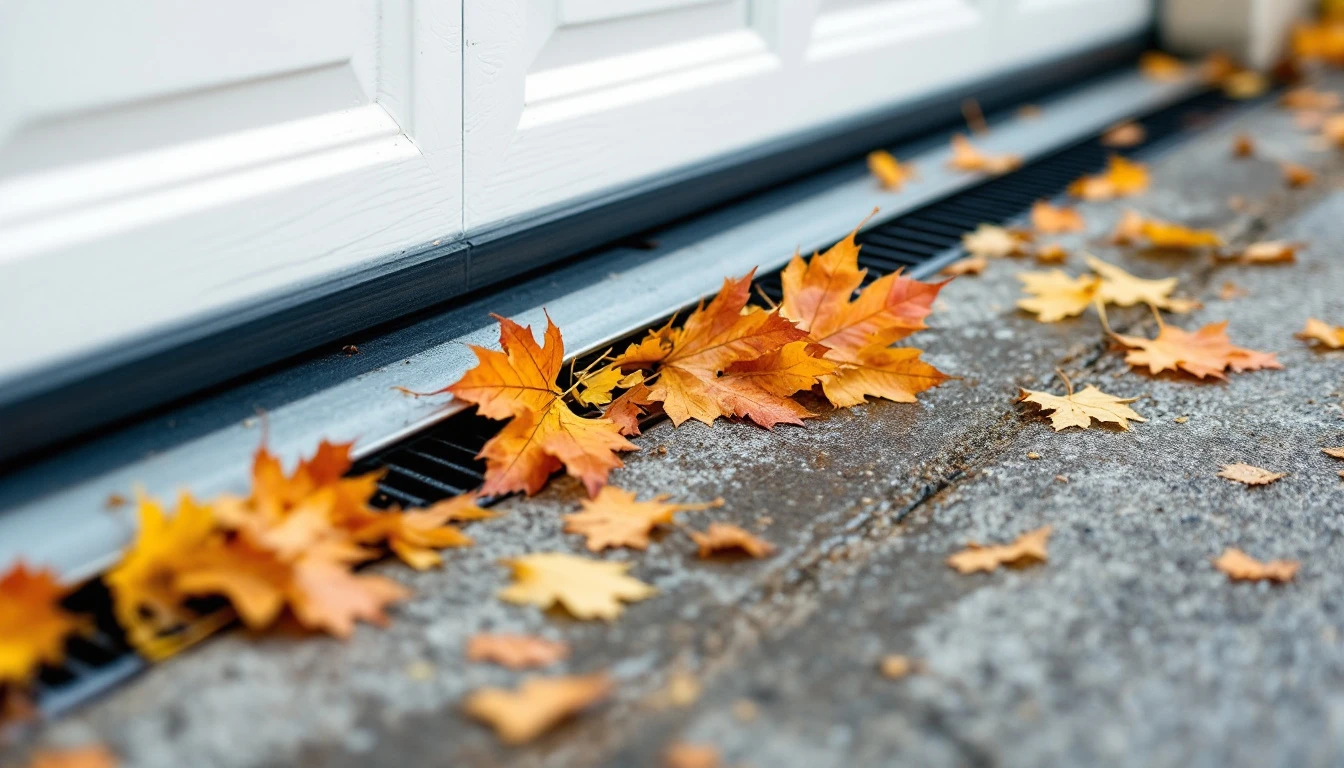
Your garage door is your first line of defense when November storms arrive. Weather seals and rubber gaskets degrade year-round from temperature swings and UV exposure. And they fail first when high wind and water pressure hit during storm conditions. A simple pre-season inspection can catch problems before they turn into water intrusion emergencies.
Walk around your door and check for the following issues:
- Peeling or cracked seals along the bottom and sides
- Rust spots on panels or hardware
- Visible dents
- Gaps between panel sections
Run your hand along the bottom seal—does it feel brittle or compressed? These are the warning signs that your barrier is compromised.
Most homeowners can replace weather seals in a single weekend. Measure your door’s width and check the seal profile—most residential doors use a T-shaped or bulb seal that slides into a bottom track. Hardware stores carry replacement seals cut to length. For structural issues like bent panels, damaged hinges, or dents that affect door movement, call Garage Harmony. These repairs affect how the door moves and seals, requiring specialized tools and expertise.
Proper sealing prevents water from reaching vehicles, stored supplies, and electrical systems inside your garage—protecting your property when Oregon’s November weather turns severe.
Opener Functionality and Backup Power for Emergency Access During Storms
When the power goes out during a storm, a working garage door becomes useless without a functional opener or backup system. That’s the difference between accessing your vehicle and emergency supplies or being stranded inside with no way to leave. This protection zone focuses on two tasks: testing your opener’s reliability now and investing in backup power if you haven’t already.
Monthly opener testing catches problems with springs, cables, and sensors before an emergency hits. Run through this five-step checklist:
- Complete a full close-open cycle to confirm smooth operation
- Test safety sensors by placing an object in the door’s path
- Listen for grinding or scraping sounds that signal worn components
- Replace remote batteries if response is sluggish
- Visually inspect cables for fraying or rust
These quick checks reveal issues that worsen under the stress of repeated storm-related use.
Battery backup systems keep your garage accessible when power outages stretch for hours or days. Modern battery-backup openers from brands like LiftMaster represent an investment worth considering during installation, and they operate independently during blackouts. While the manual release cord offers a fallback, it’s impractical during active storms or with heavy doors that require physical effort. If electrical work makes you uncomfortable, contact Garage Harmony to add backup before November arrives.
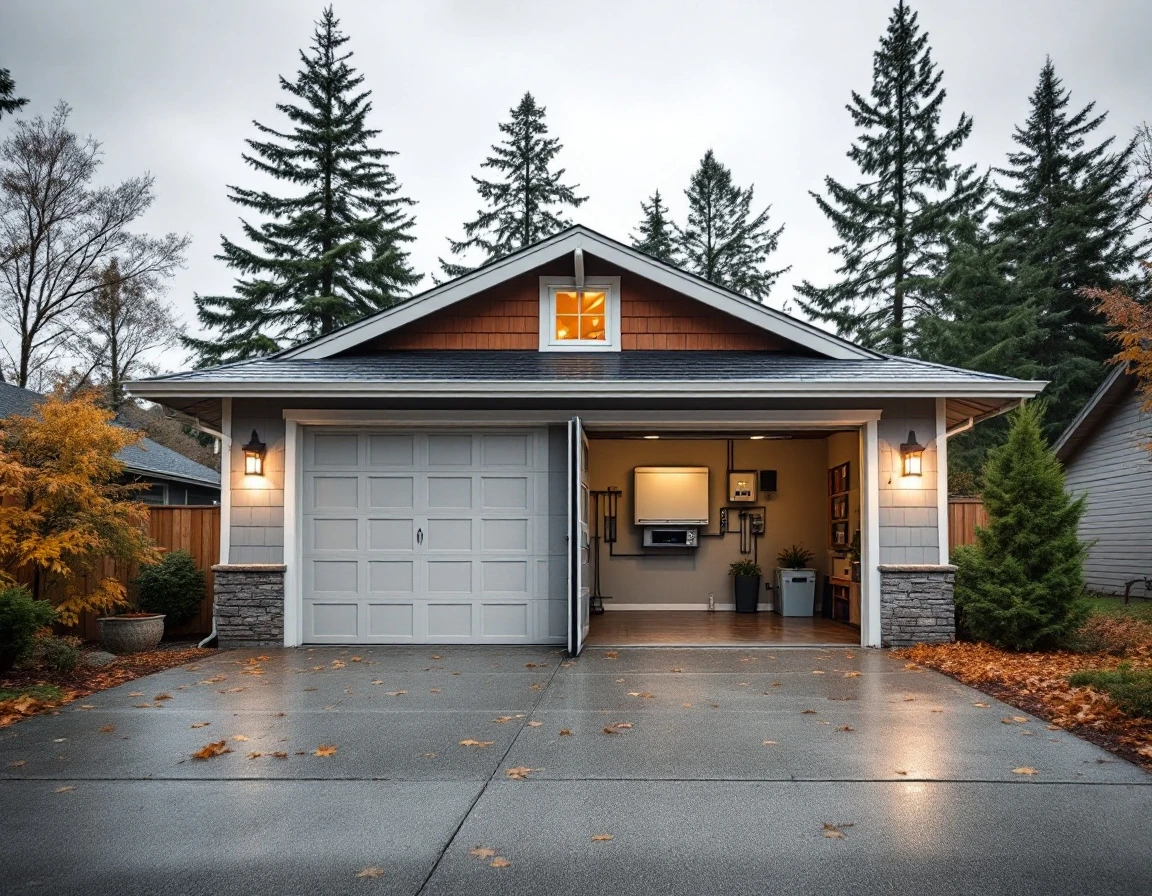
Emergency Manual Access Setup
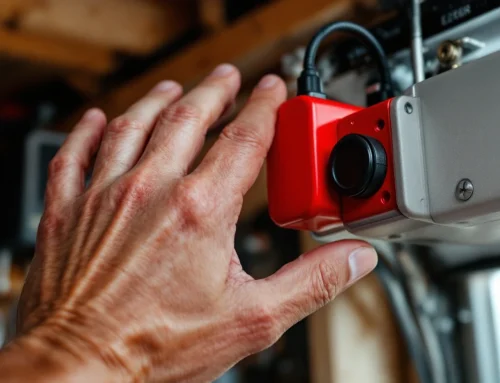
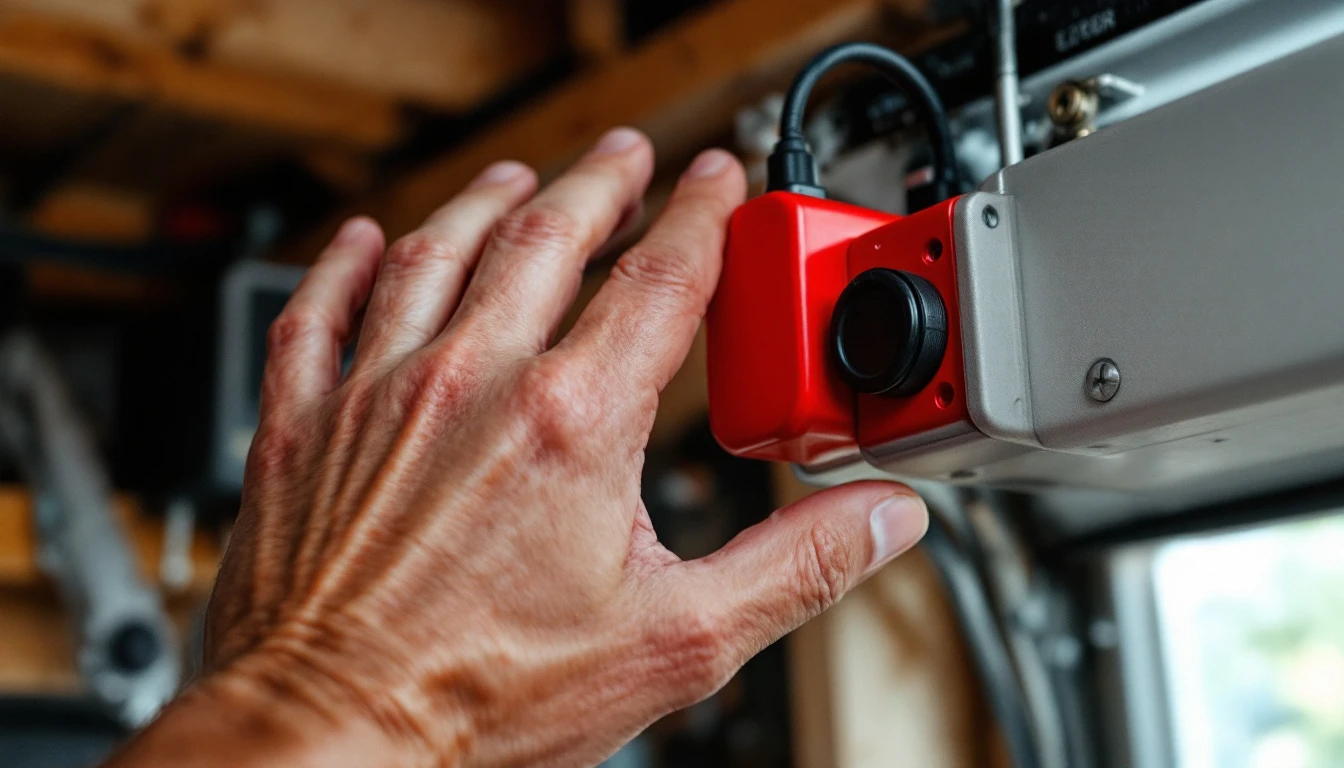
Every garage door opener includes a red emergency release handle or cord attached to the trolley carriage. Before storm season arrives, locate this handle and test it by pulling down and back to disengage the opener. The door should move freely by hand when disconnected from the motor.
When lifting manually, always grip the bottom rails of the door, never the panels themselves. Panels can buckle or dent under concentrated pressure, causing expensive damage. Garage doors are heavy—some weigh over 200 pounds—so teach household members to use both hands and proper lifting posture to avoid finger or hand injuries.
Keep in mind that manual release is a backup only for true emergencies. Modern openers with battery backup are the primary solution for power outages, as manually operating a heavy door during a storm is impractical and potentially dangerous.
Store a printed emergency release diagram near the garage for quick reference when power fails.
One-Weekend Pre-Season Action Plan
Ready to tackle your garage door prep before November weather arrives? This weekend action plan breaks down your protection zones into manageable time blocks that build on each other. Start Saturday morning with door integrity inspection—it’s the easiest task and delivers immediate visual feedback on your door’s condition.
Begin by photographing all weather seals, springs, cables, and panels from multiple angles. These photos document your pre-storm condition and protect your insurance claim if damage occurs. Spend about 15 minutes inspecting seals for cracks, checking panel alignment, and noting any rust or structural concerns. Move to opener testing Saturday afternoon—allow 20 minutes to run through the five-step functionality check covered earlier, testing auto-reverse sensors and listening for unusual sounds.
Sunday morning, dedicate 30 minutes to backup power research. Compare battery backup models, request professional quotes if installation falls outside your skill level, and check current inventory at local suppliers. Service backlogs peak in October, so schedule any professional inspections or repairs now.
Set monthly phone reminders to retest your opener through November and December as weather intensifies. Preparing for strong storm seasons can help manage structural damage and keep your family protected during blackouts. Have you completed your weekend checklist yet?
When to Call a Professional
Some garage door issues demand professional expertise. Spring or cable damage requires immediate professional repair—DIY attempts risk serious injury or further damage from the high-tension systems. Bent panels, misaligned tracks, or opener motor noise indicate problems beyond visual inspection that need trained technicians.
Battery backup installation, opener motor replacement, and structural panel repair are best handled by licensed technicians who understand electrical integration and mechanical safety protocols. Strengthening garage doors with bracing kits or hurricane-rated options helps avoid wind damage. And professionals can assess whether your door meets local wind load requirements. Professional inspections now prevent emergency service calls during active storms when response times are longest.
What do professionals check during a pre-storm inspection? They perform balance tests to detect spring wear, verify manual operation moves smoothly, confirm sensor alignment prevents safety failures, and check bracket security that holds tracks firmly to walls.
Request quotes now, not after damage occurs. Service queues fill quickly as storm season intensifies in November, and a broken opener during a power outage becomes an emergency. Contact Garage Harmony today for a pre-storm inspection and protect your home before the weather hits.