Why Winter Tests Matter for Portland: A Garage Door Auto-Reverse Safety Guide
Cold temperatures and winter rain put extra stress on garage door systems, making fall the best time to test safety features. Testing your garage door auto-reverse safety in Portland before the rainy season arrives helps prevent emergency repair calls and protects your family from serious injury.
Cold, wet weather stresses garage door mechanisms
Portland’s rainy fall and winter months put extra strain on garage door components, especially the delicate safety sensors that protect your family from accidents. When temperatures drop and moisture accumulates, metal parts contract and shift slightly, throwing photo-eye sensors out of alignment. Rain can also collect on sensor lenses, reducing their ability to detect objects in the door’s path and compromising the auto-reverse system’s reliability.
November Testing Prevents Emergency Repair Calls
Testing your garage door safety features in November protects you from emergency repair calls when Portland’s rainy season arrives. When sensors and auto-reverse mechanisms work properly, they prevent damage from stuck doors and failed closing cycles during winter storms.
Functional safety features do more than prevent inconvenience—they protect your family and property from serious harm. A properly functioning auto-reverse stops the door from crushing vehicles, pets, or people. While aligned photo-eye sensors prevent the door from closing on obstacles in its path.
Auto-Reverse Mechanism Testing: How to Test Auto-Reverse Garage Door
Your garage door’s auto-reverse mechanism is a safety feature that detects obstructions and reverses door direction automatically, preventing injuries to people and pets and protecting vehicles and property from damage. This system relies on force sensors built into your opener that measure resistance during closing. When the door encounters unexpected pressure, it should immediately stop and reverse course.
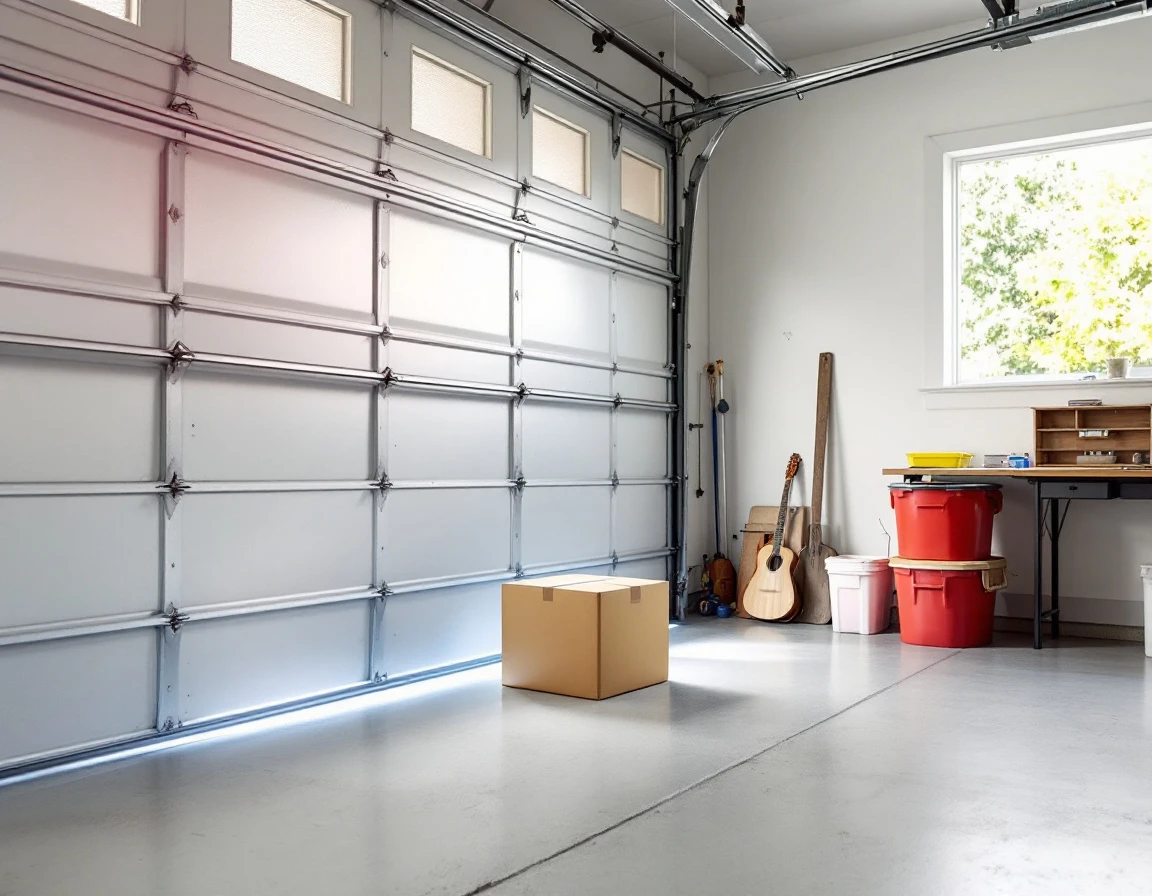
Testing this feature takes just a few minutes and requires only a common household item. Grab a rolled-up bath towel or similar soft object—never use your hands or hard objects that could damage the door or cause injury. Place the towel flat on the garage floor in the door’s path, roughly in the center where the door will make contact during closing.
Activate your garage door opener using the wall button or remote, and watch carefully as the door descends. The door should stop and reverse direction within two inches of touching the towel. If it does, your auto-reverse mechanism is working properly and your family has the protection they need.
What happens if the test fails? A door that crushes the towel without reversing or that hesitates before reversing indicates a sensor malfunction or improper force-limit calibration. This is a serious safety issue that requires immediate attention. The force settings on your opener may need adjustment, or the safety sensors themselves may be malfunctioning.
Keep in mind that auto-reverse function depends on properly calibrated force limits, which is why it’s closely related to your manual release system. If your auto-reverse test fails, don’t operate the door until a professional inspects it. Improperly operating automatic reversing mechanisms have caused many injuries and even deaths—risks no Portland homeowner should take heading into winter.
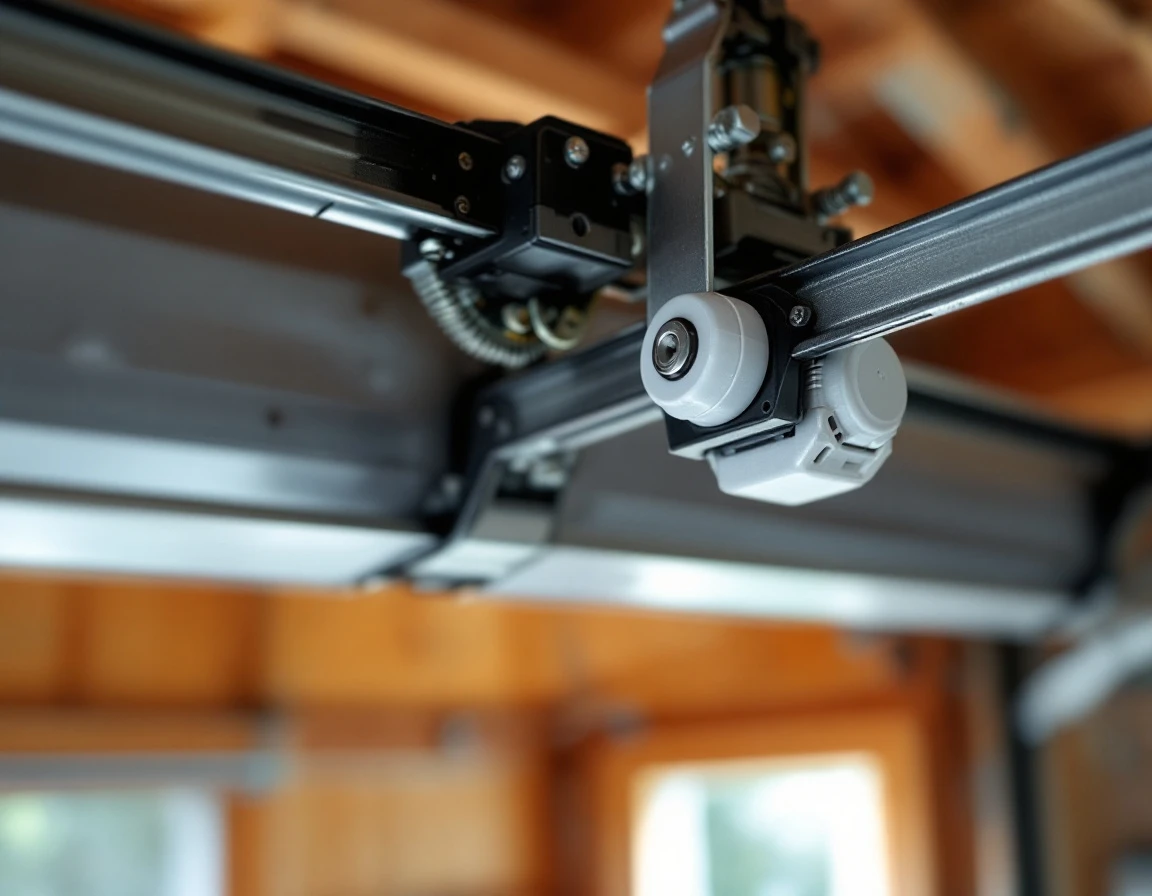
Photo-Eye Alignment Verification: Photo-Eye Sensor Garage Door Testing
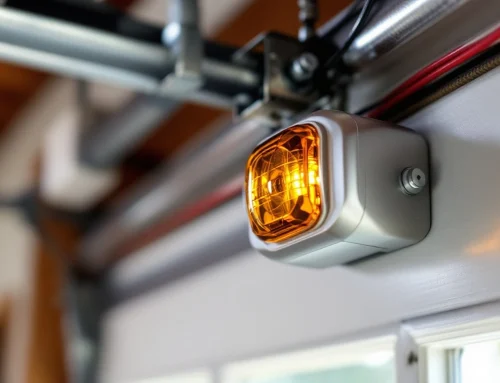
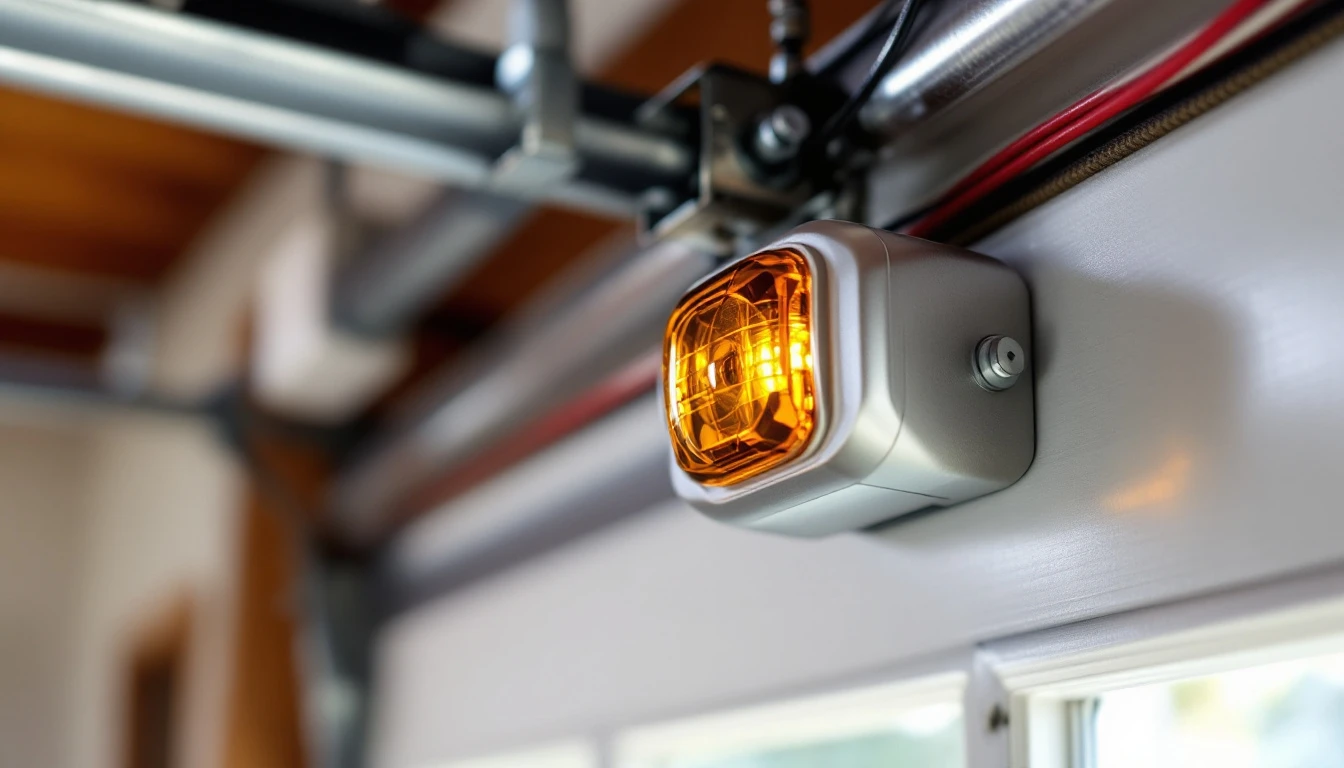
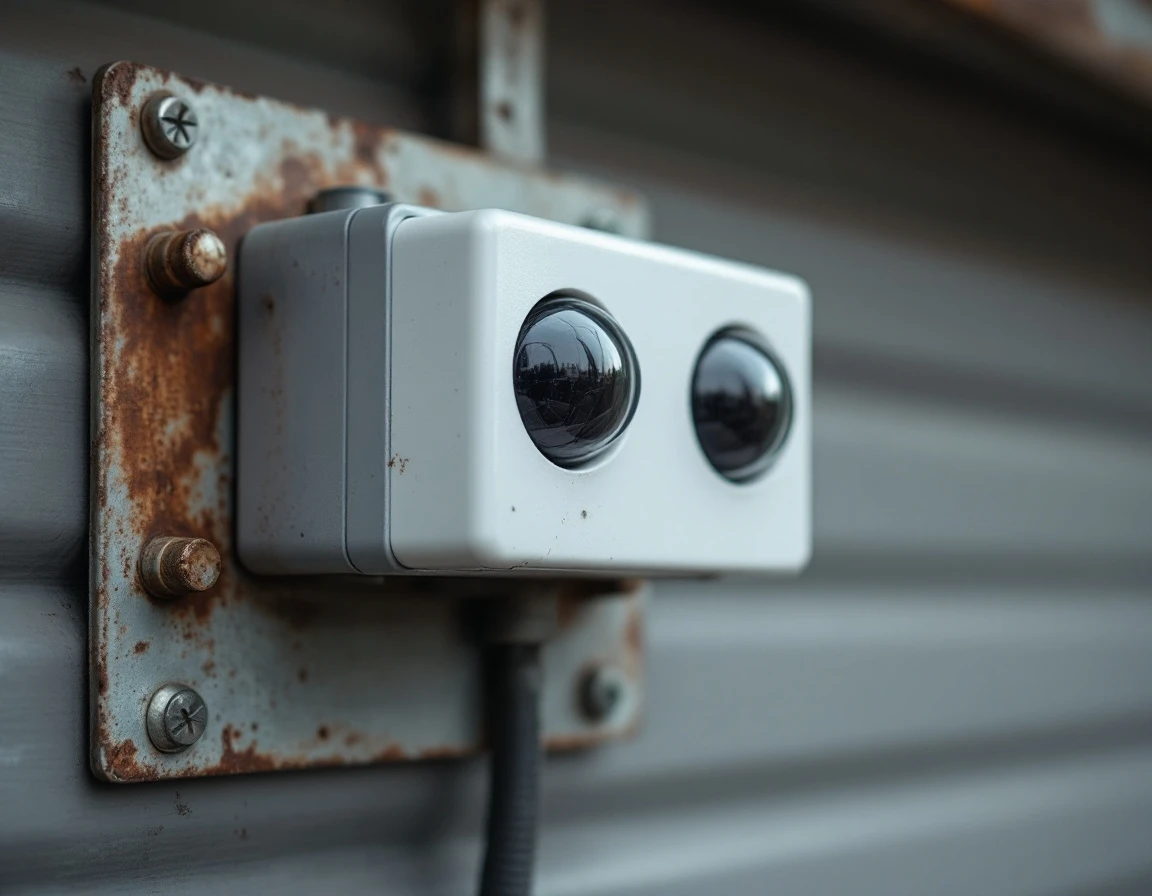
Your garage door’s photo-eye sensors are infrared beams mounted roughly six inches above the ground on both sides of the door opening. These small sensors create an invisible line of communication—when anything breaks that beam while the door is closing, the system immediately stops and reverses. This safety feature protects children, pets, and objects from being crushed.
Testing photo-eye alignment takes just seconds. Activate your door’s closing cycle using the wall button or remote, then wave your hand or slide an object between the sensors. The door should stop instantly and reverse direction. If it doesn’t, your sensors aren’t communicating properly—and that’s a serious safety risk. Photo-eye sensor garage door troubleshooting should start with basic cleaning and visual inspection.
What causes sensors to fall out of alignment? Portland’s weather plays a bigger role than most homeowners realize. Consider these common causes:
- Wind can shift the mounting brackets slightly over time
- Rain splashing up from the ground deposits debris on the sensor lenses
- Temperature swings cause expansion and contraction in mounting hardware
- Minor impacts from lawn equipment or sports equipment can knock sensors off their precise aim
- Vibration from daily use gradually loosens the brackets
If your test fails, start with the basics: wipe both sensor lenses clean with a soft cloth and check for spider webs or debris blocking the beam. Look for moisture buildup on the lenses. If cleaning doesn’t restore function, the sensors likely need professional realignment—a precise adjustment that requires specialized tools and expertise.
Manual Release Testing Steps: Garage Door Manual Release Test
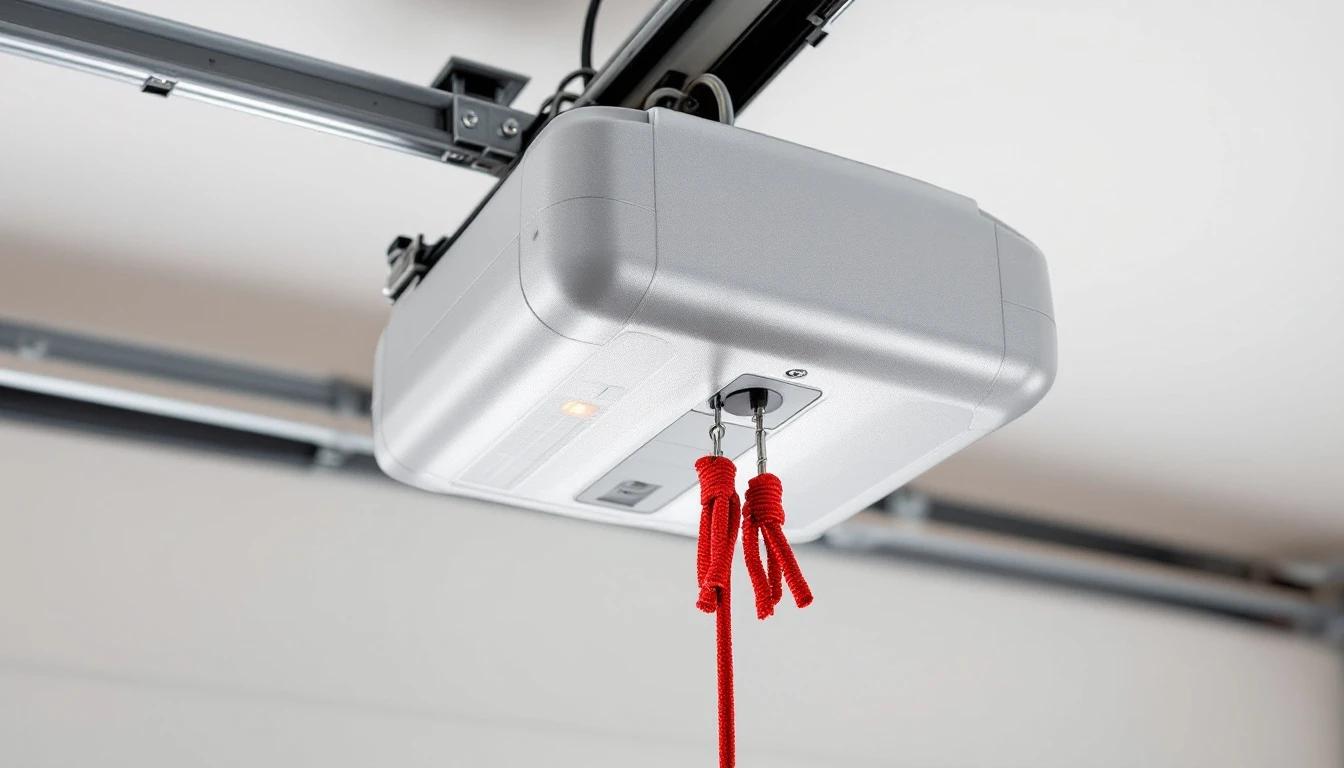
What happens if a storm knocks out power while your car is trapped inside the garage? The manual release mechanism is your backup exit plan. This simple device disconnects your door from the automatic opener, allowing you to lift the door by hand during power outages, opener malfunctions, or emergency situations when you need immediate access.
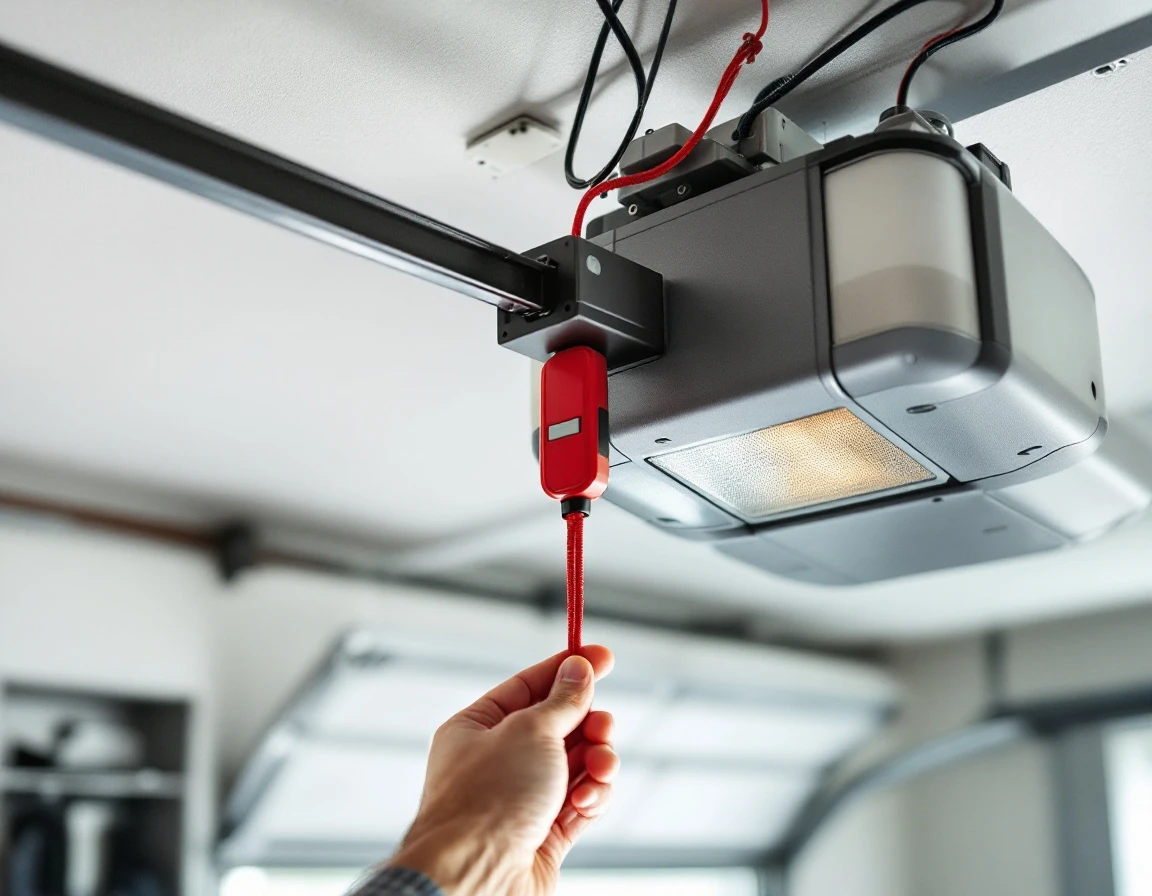
Finding the manual release is easy—look for a red cord or lever hanging from the opener’s trolley mechanism along the rail. Pull this cord straight down to disengage the opener from the door. You should hear a click as the carriage releases. Now try lifting the door manually from the bottom. A properly balanced door should glide up smoothly with minimal effort and stay open at chest height or higher without you holding it.
Does the door feel extremely heavy? Does it drop back down when you let go? These are warning signs that your spring system may be broken or failing. A balanced door relies on tightly calibrated springs to counterweight the door’s mass. When springs break, the full weight shifts to you—or to your opener motor, which isn’t built to handle that load.
This test is particularly important before Portland’s November storms arrive. If your family can’t manually open the garage door during a power failure, you could be stuck inside or locked out. If manual operation feels difficult or the door won’t stay open, call a professional immediately. Don’t risk injury trying to force a broken system.
What to Do If Tests Fail: Auto-Reverse Sensor Safety Check
If any of your safety tests reveal a problem, don’t panic—but do take it seriously. Start by documenting exactly which test failed and what you observed. Did the door fail to reverse when it contacted the object? Did closing stop when you waved your hand through the sensor beam? Did the door feel impossibly heavy when you tried to lift it manually? These details matter when you call for service.
Safety test failures fall into three categories:
- Photo-eye misalignment, for instance, may be fixable with simple cleaning or adjustment—wipe the lenses with a soft cloth and check that both sensors point directly at each other. If that resolves the issue, you’re good to go.
- Intermediate problems require professional attention. Auto-reverse failure means your force-limit settings need calibration by a trained technician. This isn’t a DIY project—improper adjustment of the pressure-activated auto-reverse function creates serious safety risks.
- Major failures demand immediate service. Manual release difficulty indicates spring or balance problems that only professionals should handle. Garage door springs store enormous tension and can cause severe injury without proper training and tools.
Here’s the timing advantage: calling now in November means you’ll get prompt service. Wait until December or January, and you’ll compete with emergency calls during peak winter weather. Contact Garage Harmony today with your test results and observed failure mode—we’ll diagnose the issue and get your system safe again.
Schedule Your November Safety Check: Garage Door Safety Feature Testing Portland
Testing all three safety features—auto-reverse, photo-eye sensors, and manual release—takes about fifteen minutes total. That’s a small investment for the peace of mind you’ll gain knowing your garage door will protect your family through Portland’s rainy, cold months ahead. Early November offers the ideal window for these tests, before freezing temperatures and heavy rain put stress on your system.
As you complete each test, record the results and date in your maintenance records. This documentation helps you track your garage door’s performance over time and provides valuable information if you need to contact a technician later. If your door passes all three tests, you can confidently rely on it throughout winter.
If any test fails, contact Garage Harmony or a local technician immediately—before November weather arrives. Addressing problems now, during mild conditions, is easier and often less expensive than dealing with emergency repairs during a winter storm.
Don’t wait. Schedule your safety check today and protect what matters most.