How High Winds Damage Garage Doors
High winds create lateral pressure that pushes against your garage door with unexpected force. Wind damage garage doors occurs when wind gusts hit the exterior surface and transfer pounds per square inch (PSI) of pressure through the panels directly to the door’s mounting points, springs, and tracks. This force exploits any existing weakness in your system.
The most vulnerable components? Springs under tension can snap when additional wind force disrupts their balance. Tracks shift out of alignment when mounting brackets loosen under repeated stress. Weatherstripping seals tear away, creating gaps that allow wind to infiltrate behind the door and push outward. Opener sensors misread the resistance, causing the motor to strain or shut down completely.
Most wind damage is preventable. A targeted inspection before storm season identifies these weak points—worn springs showing rust, tracks with loose hardware, cracked seals, and sensitivity settings that need adjustment. Addressing these vulnerabilities typically costs under $100 and takes less than two hours, protecting your door when high winds arrive.
Five Wind-Vulnerable System Components
Before severe weather approaches, walk through these five checkpoints to identify vulnerabilities in your garage door system. Each component plays a specific role in resisting wind pressure, and knowing what to look for helps you decide whether to repair now or call for professional help.
- Torsion and extension springs: These springs counterbalance your door’s weight. Over time, repeated stress cycles make them brittle. Look for visible gaps between coils, rust buildup, or uneven door movement. If your door feels heavier when lifting manually or if one side rises faster than the other, the springs are weakening. Call a professional before the storm—springs under tension are dangerous to replace without proper tools.
- Tracks and rollers: Foundation settling and age cause track misalignment. Run your door through a full cycle and watch for binding, jerking, or grinding sounds. If rollers show flat spots or the door doesn’t move smoothly, wind pressure will force the door against misaligned tracks and potentially pop panels out. This repair typically costs under $75 and prevents expensive panel damage.
- Weatherstripping seals: Cracked or compressed seals along door edges let wind penetrate behind panels, creating internal pressure that flexes the entire door. Close your door and look for light gaps or feel for air movement with your hand. Replace brittle seals immediately—most hardware stores carry universal strips for $20-30.
- Hardware bolts and brackets: Vibration from repeated operation loosens the bolts connecting panels, tracks, and hinges. Grab a socket wrench and tighten every visible bolt, especially at hinge points and track brackets. If any bolt turns more than a quarter-rotation, your hardware was already compromised. This 30-minute inspection prevents mid-storm failures.
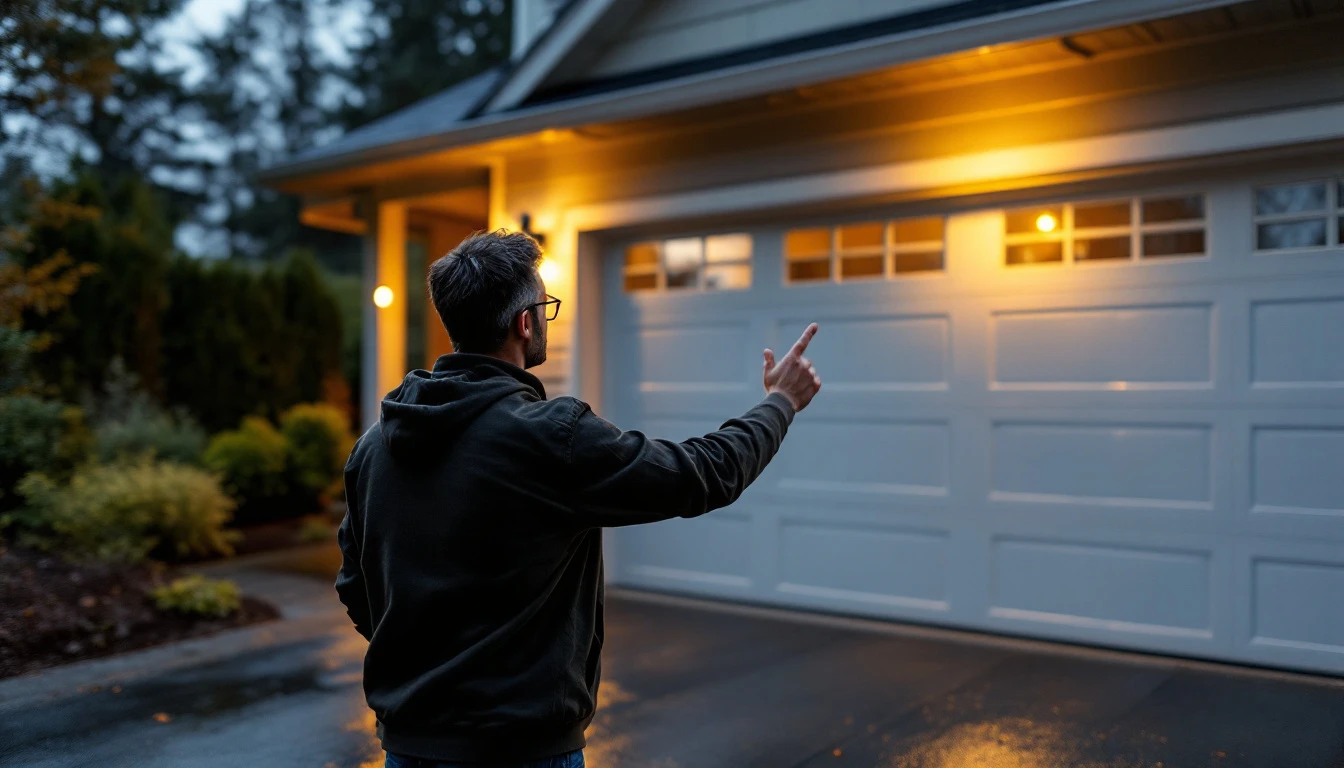
- Opener sensors: When wind flexes your door, the photo-eye sensors at floor level can shift out of alignment. Test by closing the door and waving your hand through the beam—it should reverse immediately. If the door hesitates, closes anyway, or randomly reverses during normal operation, adjust the sensor brackets until both indicator lights show solid. Misaligned sensors will shut down your opener during high winds when you need it most.
Pre-Storm Inspection Checklist
Set aside 30 to 45 minutes for a complete visual inspection that covers all five components. Start with your door springs—look for gaps between coils, rust spots, or visible wear on the metal. Use a flashlight to inspect tracks and rollers for debris, dents, or alignment issues. Run your hand along all weatherstripping to find cracks, gaps, or sections that have pulled away from the door.
Test your door balance by disconnecting the opener and lifting the door halfway. It should stay in place without drifting up or down. Check every bolt and bracket with a wrench—tighten anything loose. Finally, test your opener by pressing the wall button and remote, watching for hesitation or unusual sounds.
Document your findings with photos and notes.
This inspection costs nothing but your time and helps you identify garage door wind damage repair needs that require professional attention before the storm arrives
—see additional resources on preparing for severe weather garage door preparation.
Quick DIY Fixes for Budget-Conscious Homeowners
Before severe weather arrives, you can complete four preventive tasks that require basic tools and minimal expense:
- Tighten loose hardware: Use a standard wrench or socket to secure bolts on hinges, brackets, and track mounts—this 10-minute task prevents rattling and structural stress during high winds.
- Replace weatherstripping: Address visible gaps or cracked seals along the door’s edges ($15–30 in materials, 15 minutes).
- Clean and lubricate tracks: Use a garage-specific lubricant to restore smooth roller movement and reduce friction ($8–12, 10 minutes).
- Recalibrate force and travel limits: If your opener manual includes adjustment instructions, you can recalibrate to prevent the door from slamming shut or reversing unnecessarily (5–10 minutes, no cost).
However, stop immediately if you discover broken springs, tracks requiring realignment, or exposed sensor wiring—these situations demand professional repair. Together, these four fixes typically cost under $100 and take less than two hours total, directly addressing the vulnerabilities high winds exploit.
When to Call a Professional
Some garage door issues cross the line from DIY territory into genuine safety hazards. If you spot visible spring damage, frayed cables, or springs showing uneven tension, stop immediately and call a professional. Springs store enough energy to cause serious injury when they fail. Track misalignment beyond minor adjustments and roller damage also require specialized tools and training to fix safely.
Electrical opener problems—motor strain, erratic reversing behavior, or sensor circuit failures—demand professional diagnosis. When you call, use specific language: “My door reverses at the wrong point” or “The opener motor runs but the door doesn’t move” helps technicians arrive prepared with the right parts.
Professional pre-storm assessments typically cost $50–$100 and identify vulnerabilities before they become $500–$2,000 emergency repairs. Post-storm, certified technicians can assess damage without creating liability issues if your insurance becomes involved. Schedule an appointment with Garage Harmony to take the guesswork and risk out of how to protect garage door from wind and storm preparation.
Post-Storm Inspection and Next Steps
After high winds pass, inspect your garage door before reconnecting the opener. Unplug the unit and test the door manually first. Listen for grinding sounds and watch for jerky motion as you lift. These warning signs indicate damage that requires attention before powering the system.
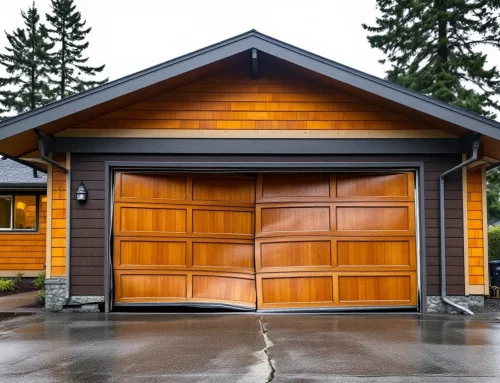
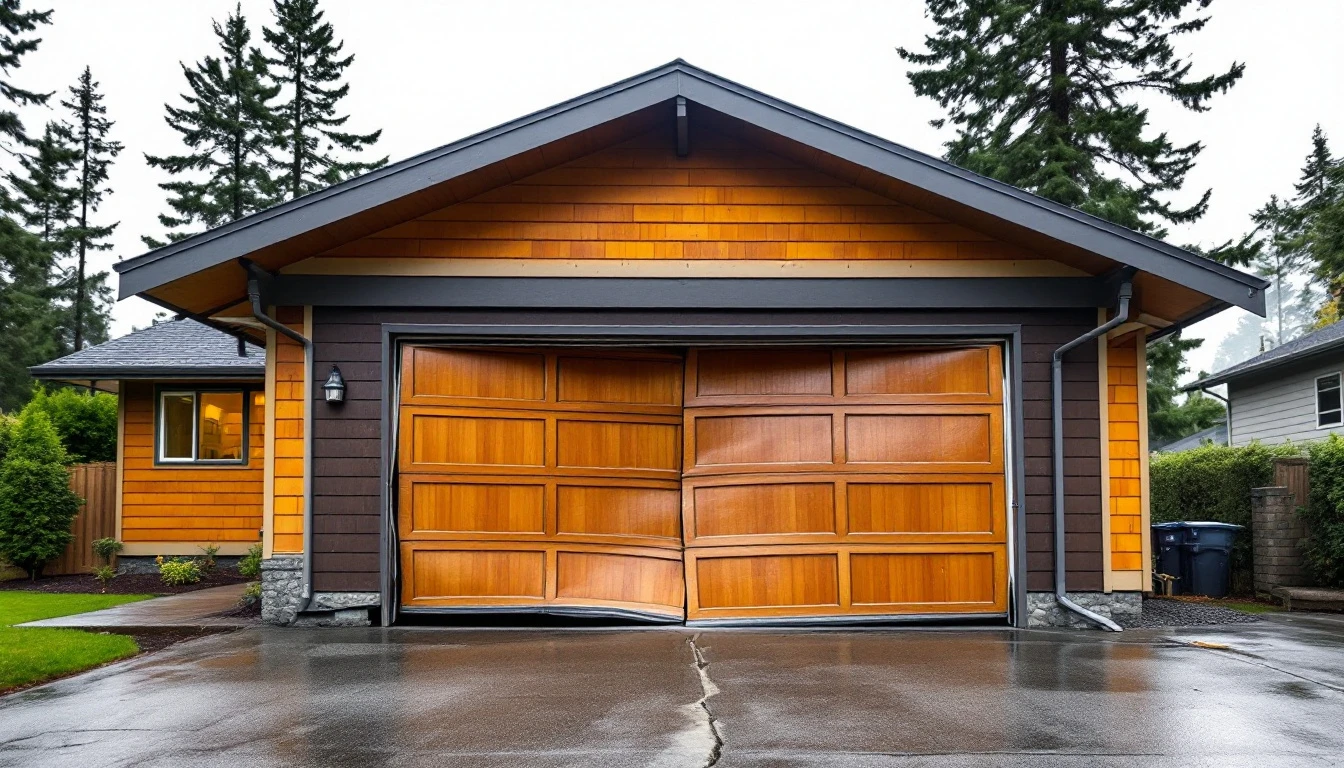
Look carefully at each component you checked pre-storm. Are panels bent inward? Has weatherstripping pulled away from the bottom? Do tracks show any shift from their mounting brackets? Has spring tension changed—does the door feel heavier or lighter than before?
Document everything with photos. Close-ups of damage support insurance claims and help professionals assess the scope of repairs. Research shows that when a garage door fails, it can begin a cascade of damage with the roof and surrounding walls unable to handle the force of the wind inside the garage. Contact Garage Harmony for a post-storm assessment. Most inspections cost nothing when combined with repair work, and professional diagnosis catches hidden damage that creates safety risks when ignored.