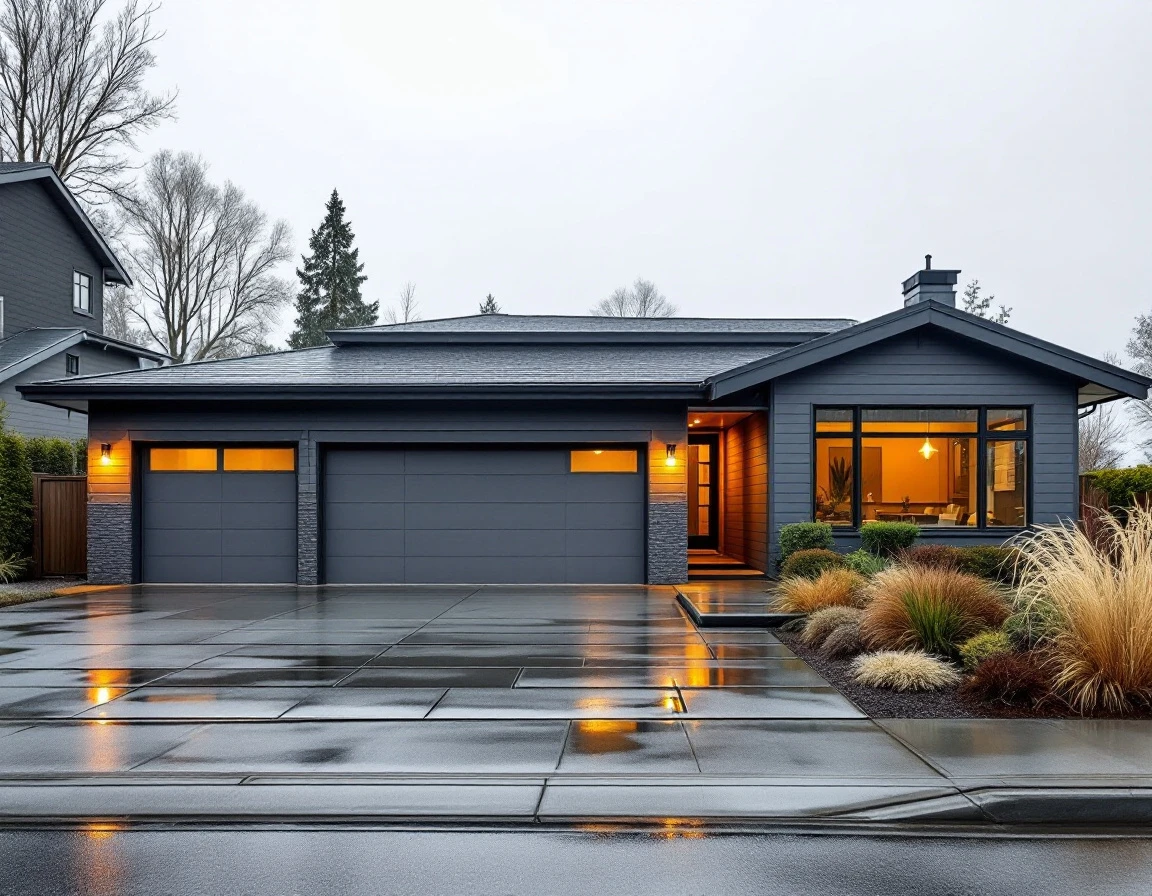
European Architecture & Wet Climate
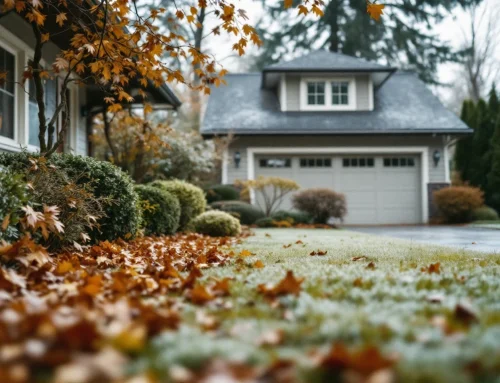
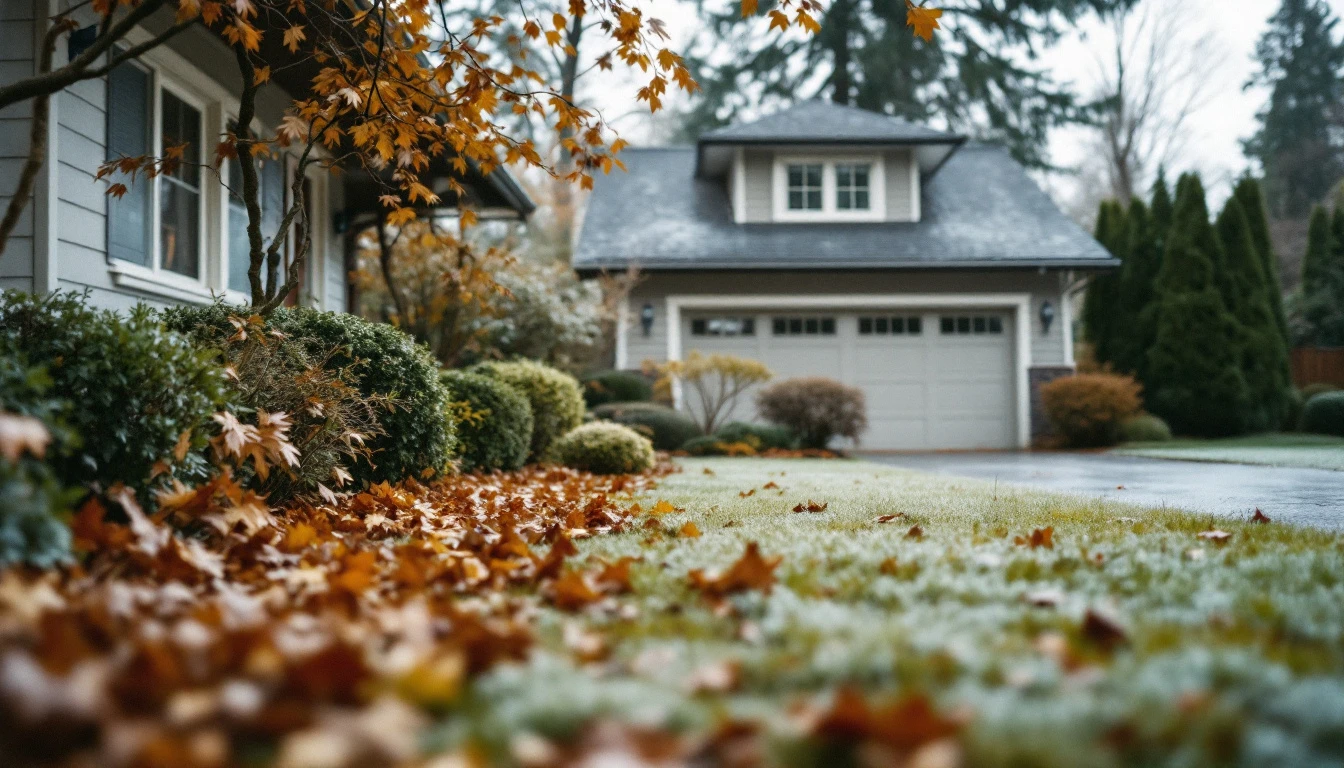
Villebois garage maintenance in Wilsonville requires understanding how European-style homes interact with the Pacific Northwest’s moisture challenges. The neighborhood’s European-style homes feature attached garages designed with aesthetics as the primary focus—clean lines, stucco finishes, and integrated facades that create visual harmony with the main structure. Unfortunately, these design priorities weren’t optimized for the Pacific Northwest’s moisture challenges.
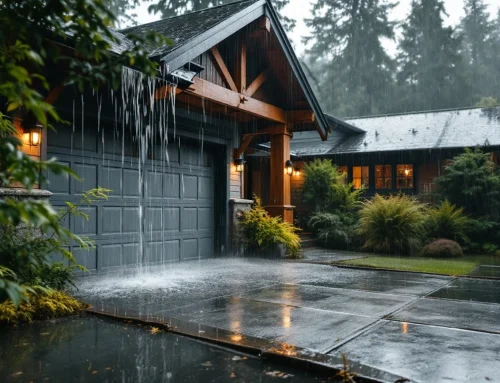
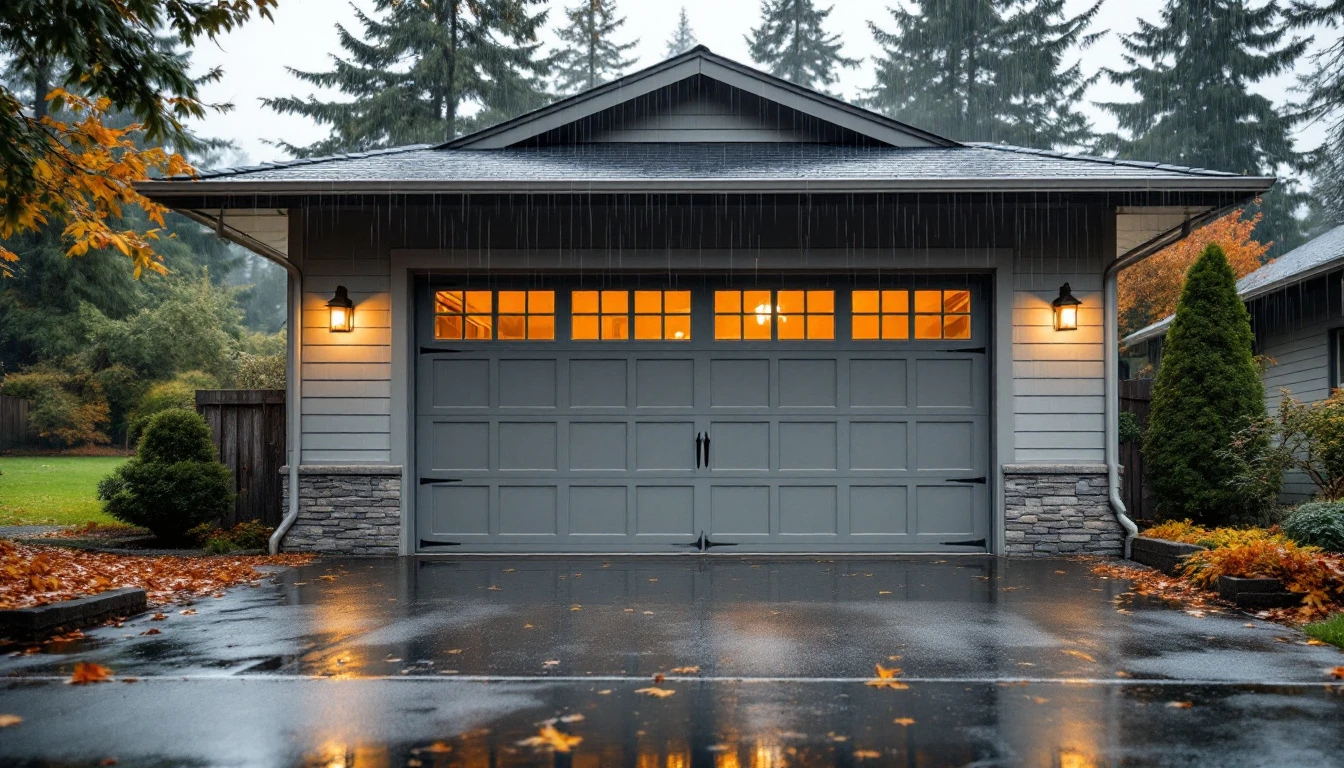
The Willamette Valley receives over 45 inches of rainfall annually, with the heaviest precipitation arriving between October and May. This wet-dry seasonal swing creates specific vulnerabilities for attached garage structures. When fall rains return after the dry summer months, moisture finds its way into garage door seals, weather stripping. And the joints where garage walls meet foundation slabs.
Modern construction materials used throughout Villebois require different maintenance approaches than traditional Oregon homes or industrial garage buildings. Engineered wood products, composite trim, and moisture-barrier systems all perform well when properly maintained but deteriorate quickly when water intrusion goes unchecked.
Because these garages share walls with interior living spaces, moisture damage can migrate into your home’s wall cavities and affect HVAC ductwork that often runs through garage ceiling spaces. Catching problems early protects both your garage investment and your home’s interior.
Five Priority Tasks Before Fall Rains
Before the Willamette Valley’s wet season arrives, Villebois homeowners need to complete five essential garage maintenance tasks. These priorities protect European-style garage doors and structures from moisture damage common in Clackamas County.
- Door seal and weatherstripping inspection
- Exterior stucco or cladding inspection
- Gutter and downspout clearing
- Garage ventilation system testing
- Hardware lubrication and rust prevention
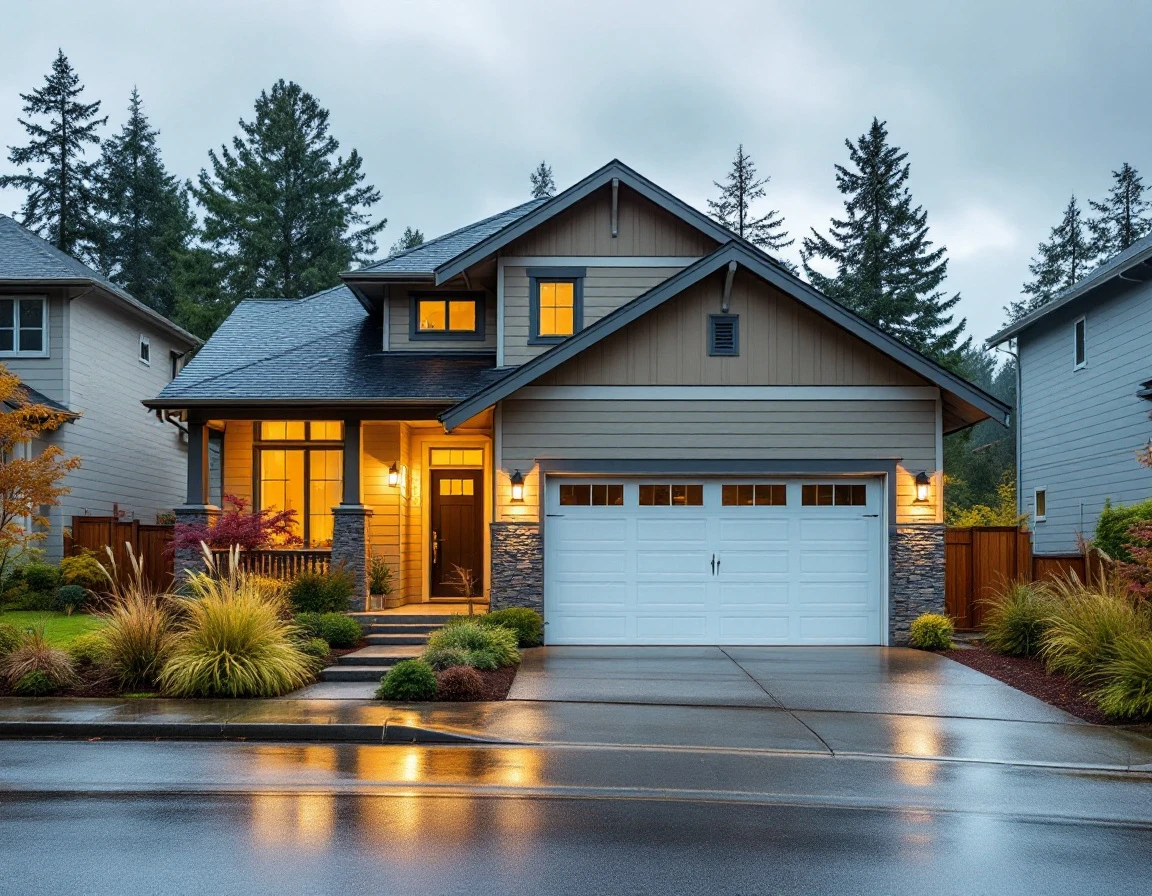
Door seal and weatherstripping inspection
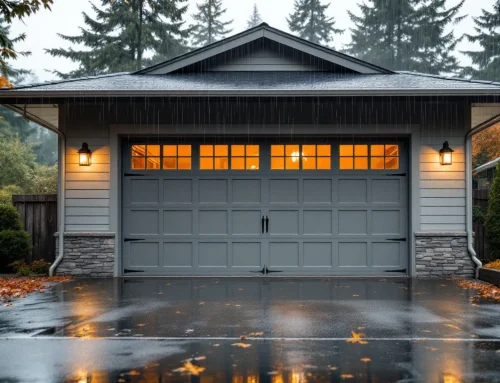
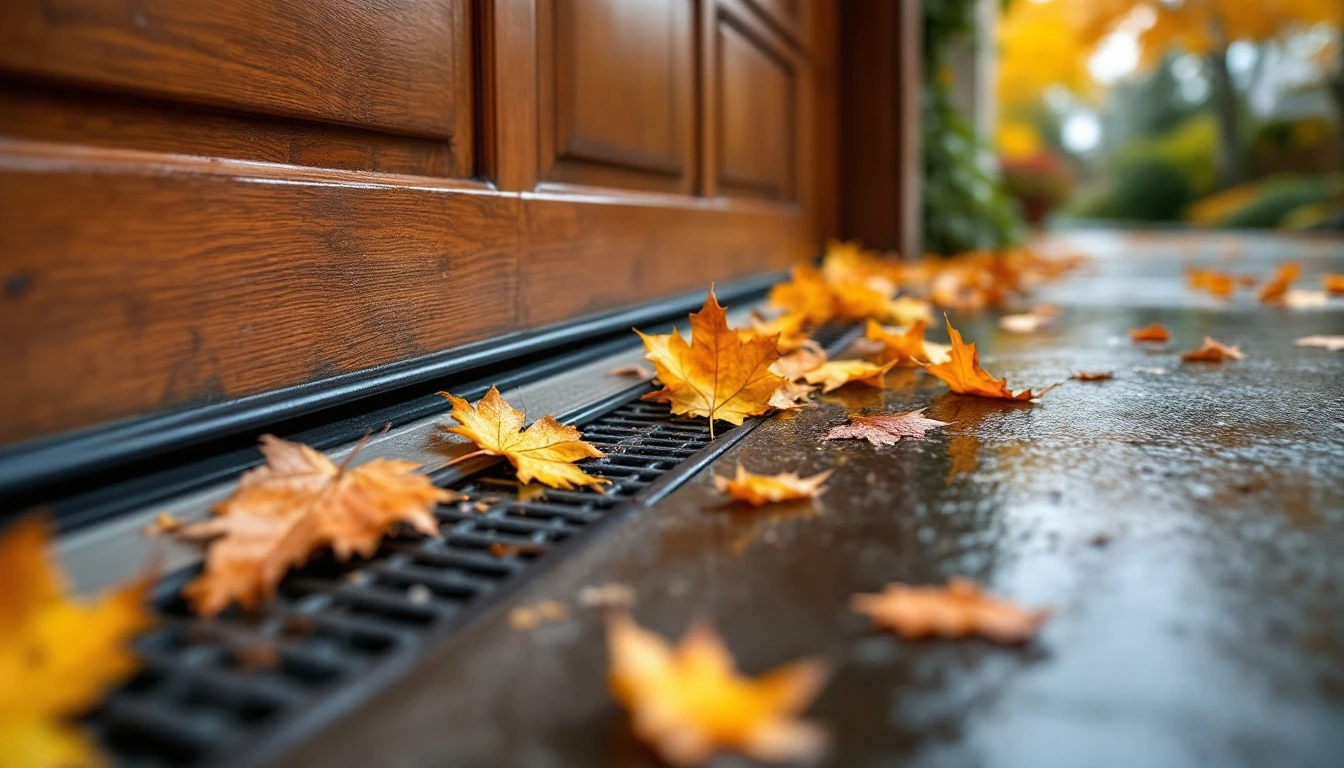
European-style garage doors in Villebois often feature sleek, minimal weatherstripping that prioritizes appearance over moisture protection. Before fall rains arrive, inspect the rubber seals along door edges and the bottom threshold for cracks, gaps, or compression damage. Press the seal firmly—if it doesn’t spring back, moisture can seep through during Willamette Valley’s heavy October and November precipitation.
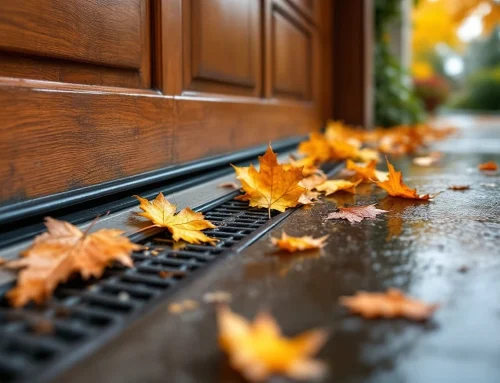
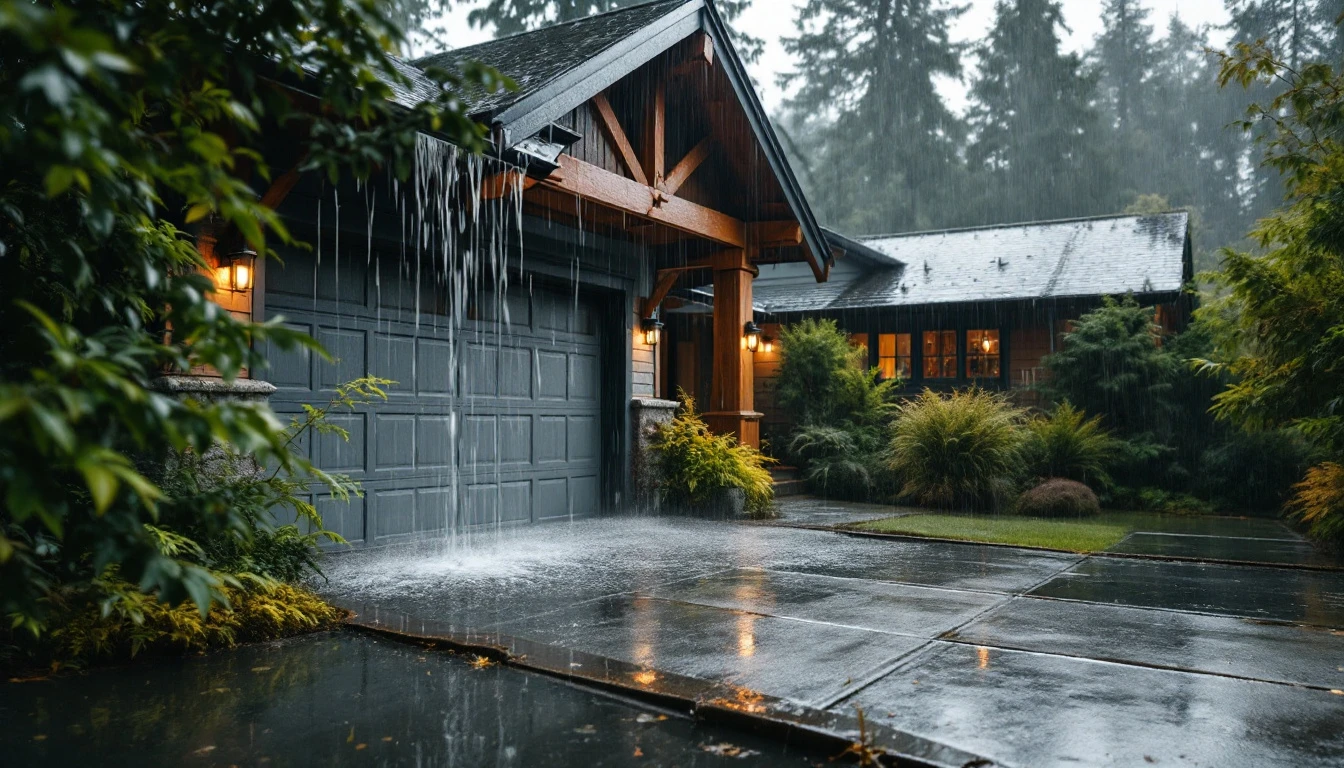
Check gutters and downspouts around your attached garage foundation next. Clackamas County’s clay-heavy soil drains slowly, so water pooling against foundation walls can migrate into garage interiors and create mold conditions. Extend downspouts at least six feet from the foundation and clear debris from gutter channels.
Finally, test your garage ventilation system. Without adequate airflow, temperature differences between wet outdoor air and heated garage spaces create condensation on walls, tools, and stored items. Run dehumidifiers during transition seasons and keep at least one window or vent cracked to maintain air circulation.
Exterior stucco or cladding inspection identifies
Micro-cracks in stucco and cladding often appear harmless but create pathways for water infiltration during Willamette Valley’s wet season. Before fall rains begin, inspect your European-style garage exterior for hairline fractures around windows, doors, and corner transitions. These small openings expand through freeze-thaw cycles, allowing moisture to penetrate wall systems and cause interior damage.
European-style garage doors feature distinctive hardware that requires attention before wet weather arrives. Hardware lubrication prevents rust formation on hinges, handles, and decorative elements that define your garage’s aesthetic. Apply silicone-based lubricant to moving parts and wipe down metal surfaces with rust-inhibiting oil to preserve both function and appearance through Oregon’s rainy months.
Moisture Damage Recognition
Catching moisture damage early can save Villebois homeowners thousands in structural repairs. Attached European-style garages share walls with your home, creating pathways for water to migrate from the garage into your living space. What starts as a small garage problem can quickly become an interior issue if ignored.
Watch for signs of moisture damage including:
- Efflorescence—those white, chalky mineral deposits that appear on interior garage walls, signaling water seeping through the garage-home interface
- Wooden door frames with discoloration or soft spots, especially where the frame meets the floor
- Musty odors and visible mold in corners. Particularly at junctions where your garage ceiling meets the house wall
- Paint bubbling or peeling on your garage’s exterior cladding, indicating water working beneath protective coatings
Villebois homes with limited garage ventilation often show damage first on north-facing frames that stay damp longer. Addressing these signs now, during summer’s dry months, prevents expensive emergency repairs later.
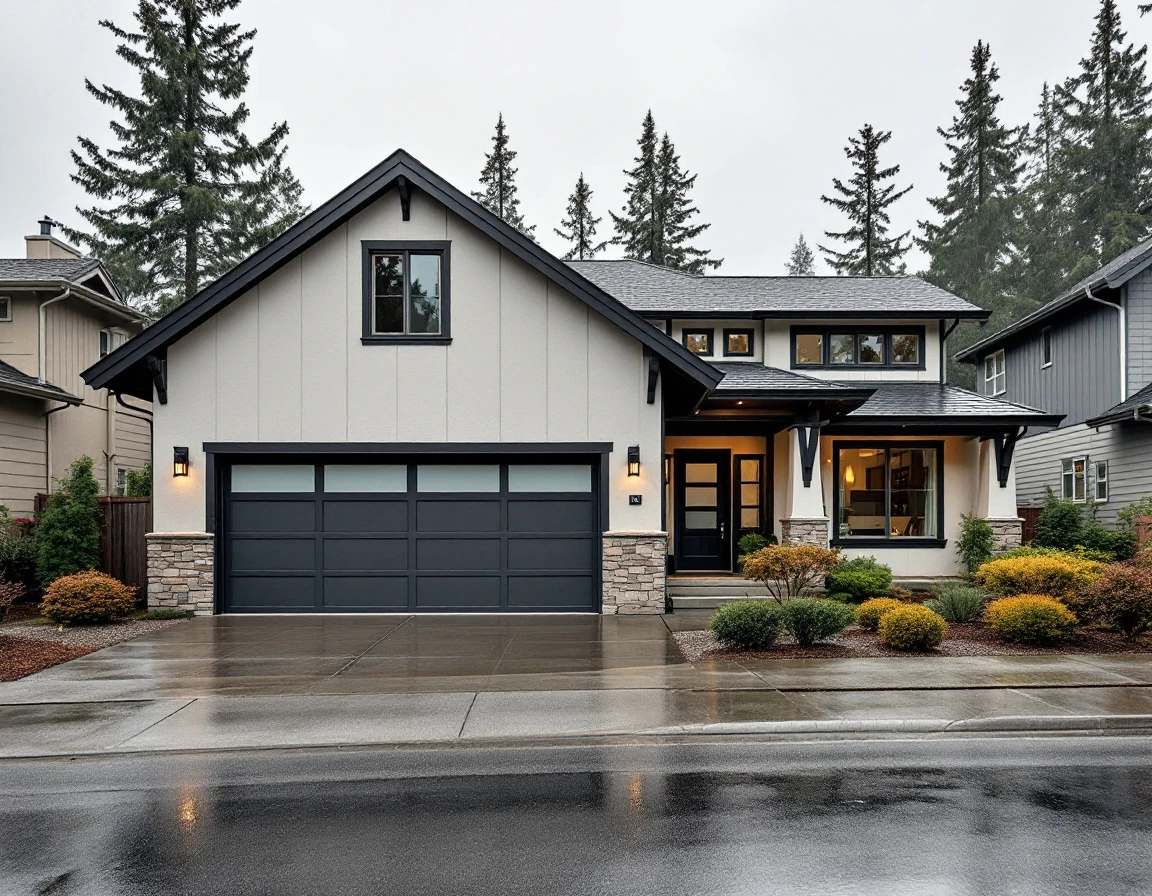
DIY vs Professional Expertise
Knowing which garage maintenance tasks you can handle yourself versus when to call an expert protects both your budget and your property. For European-style garages in Villebois, this distinction matters even more because specialized components and architectural details require different approaches than standard American garage construction.
DIY-appropriate tasks include weatherstripping replacement (moderate difficulty, $30-60 in materials). Gutter cleaning (easy, ladder and gloves required), basic hardware lubrication on hinges and tracks (easy, $15 silicone spray), and caulk reapplication around trim (moderate, $8-20 per tube). These projects require basic tools and minimal technical knowledge, making them ideal weekend maintenance activities.
Professional expertise becomes necessary for foundation sealing where moisture penetrates concrete, mold remediation that requires containment and proper disposal, stucco repair to match European finishes without visible patches. And structural assessments when you notice sagging or movement. European door mechanisms often need manufacturer-certified technicians because improper adjustment can damage torsion systems or void warranties—a repair attempt that seems simple can quickly become expensive.
Consider the cost-benefit equation: a $200-250 professional spring inspection identifies wear patterns and makes adjustments before failure occurs. Skip that inspection, and you face a $1,500+ emergency repair when the spring breaks during a rainstorm. Potentially damaging your vehicle or causing injury. Similarly, catching foundation issues early might cost $500 to seal and redirect drainage, while ignoring moisture infiltration leads to $2,000-4,000 structural repairs plus interior remediation.
Seasonal Maintenance Calendar for Villebois Garage Maintenance Wilsonville
Timing maintenance to Oregon’s wet season makes the difference between routine upkeep and emergency repairs. Since you’re reading this in June 2026, you’re in the ideal window to prepare your European-style garage before fall rains arrive.
June-July: Complete Priority Tasks Now
These two months are your critical action window. Complete all five priority tasks—door seal inspection, gutter clearing, ventilation checks, stucco examination, and hardware lubrication—before August arrives. Late summer serves as your test run: you’ll see how well your preparations hold up during occasional showers before September’s sustained rainfall begins.
August: Final Pre-Rain Inspection
Walk your garage perimeter in mid-August. Check every seal, verify hardware moves smoothly, and confirm ventilation systems work properly. This month bridges dry season to wet, giving you time to address any overlooked issues.
September-October: Active Monitoring Phase
Rain intensifies through these months. Check interior moisture levels weekly if you have a dehumidifier. Look for new water stains on walls or ceilings after heavy storms. Early detection prevents minor leaks from becoming structural problems.
November-May: Maintenance Mode
Quarterly drainage checks keep water moving away from foundations. Touch up any caulking that shows gaps or cracks. Your summer preparation should carry you through winter with minimal intervention.
Preserving European Aesthetic
You chose Villebois for its distinctive European architecture—those carriage-style doors, decorative hardware, and custom finishes that set your home apart from standard suburban construction. But here’s what many homeowners discover too late: generic maintenance products can permanently damage specialty finishes that define your home’s market value and neighborhood character.
Material-specific care makes the difference between preservation and replacement. Wood doors need oil-based sealants that penetrate grain structure, while composite alternatives require UV-protective coatings that won’t yellow or crack. Metal doors in Willamette Valley humidity need corrosion-resistant treatments applied before rust appears. Touch-up painting isn’t just cosmetic—color-matched finishes create weather barriers that prevent moisture penetration into underlying substrates.
European hardware finishes demand equal attention. Brass, stainless steel, and specialty metal components corrode rapidly when cleaned with acidic or abrasive products. Use pH-neutral cleaners designed for decorative metals. Then apply protective wax to moving parts exposed to rain splash.
Regular maintenance prevents expensive replacement of distinctive architectural features that cost two to three times more than standard components. Ready to protect your investment? Contact Garage Harmony today to schedule a professional assessment before fall rains arrive. Our team specializes in European-style garage systems and understands exactly what Villebois homes require.