Yamhill Valley Climate & Wood Vulnerability
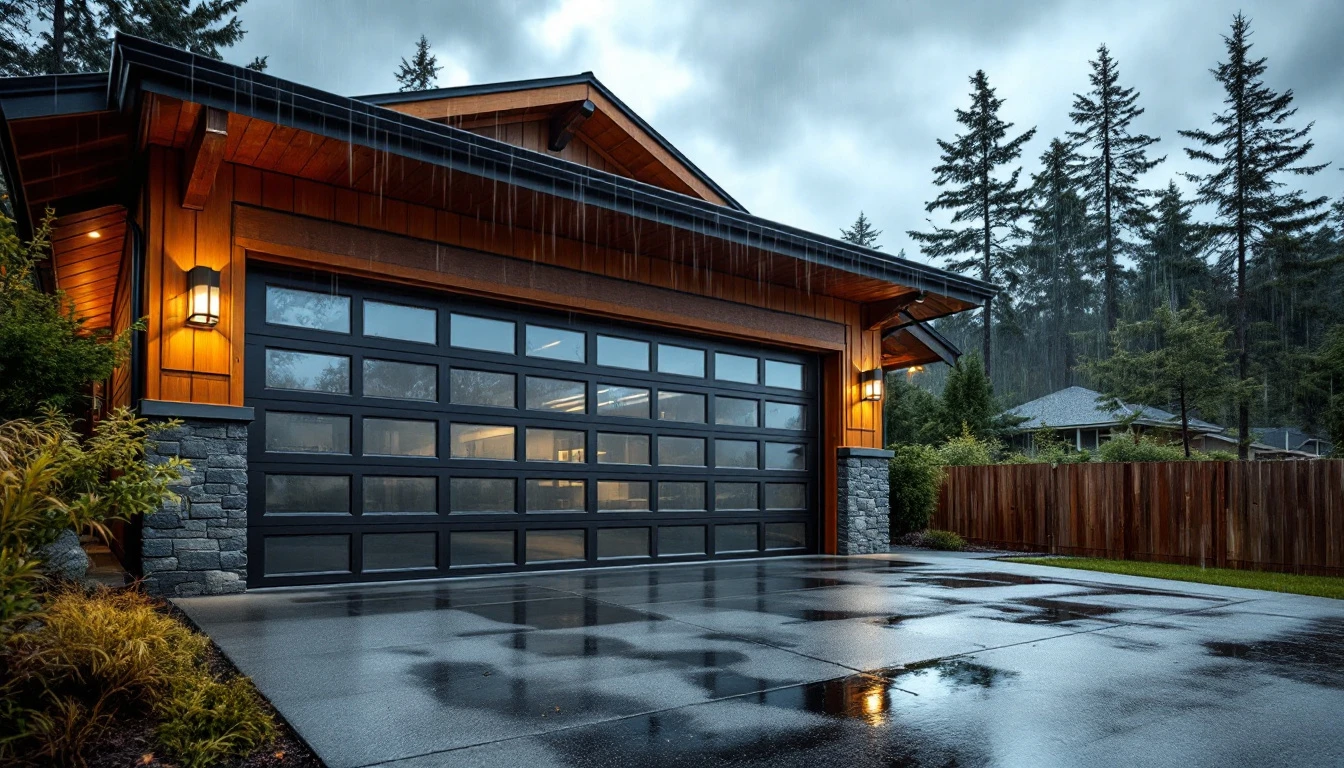
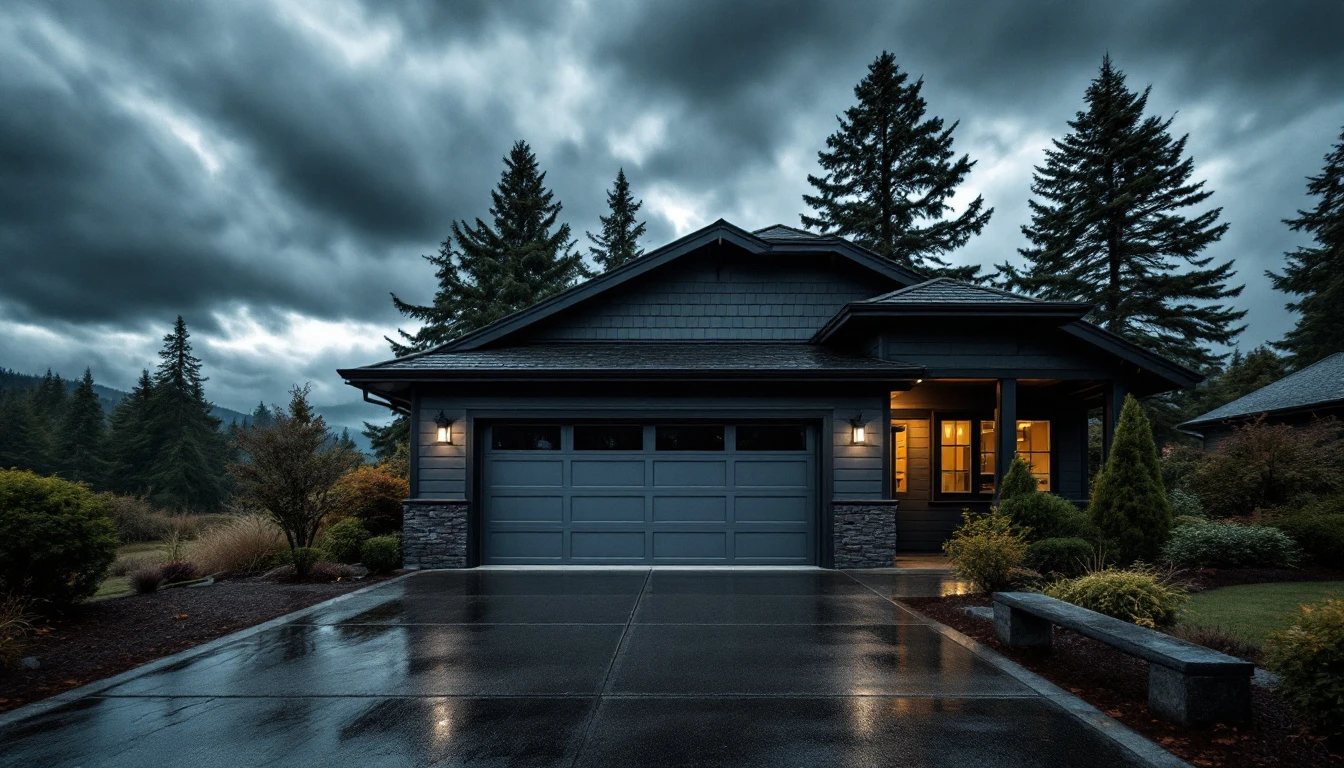
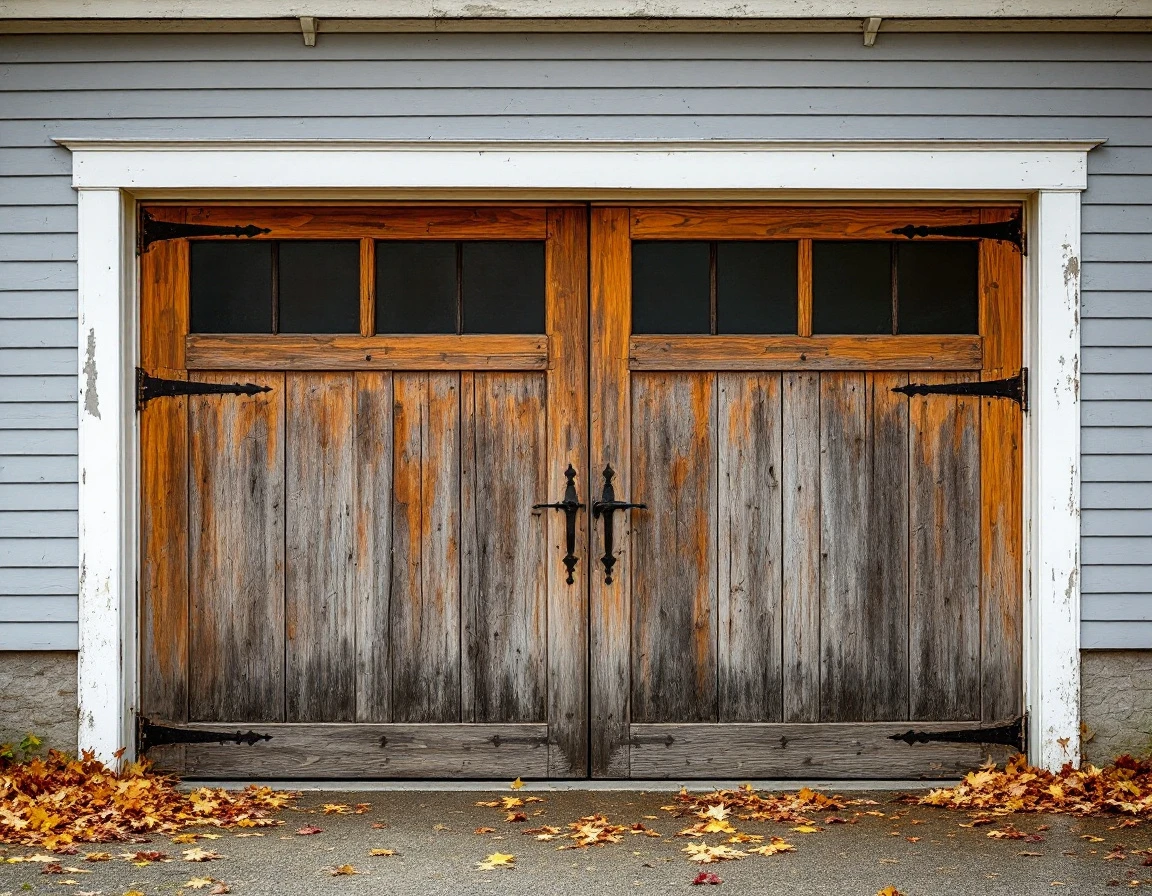
Lafayette sits in the heart of Oregon wine country, where year-round humidity from surrounding vineyards and agricultural land creates constant moisture exposure for wooden garage doors Oregon wine country homeowners face. The valley’s elevation traps morning fog and moisture between the Coast Range and Cascade foothills, particularly during wet winters when rainfall saturates wood fibers. Older farmhouses and rural properties common in this former county seat often feature detached wooden garage doors that face these conditions without adequate protection.
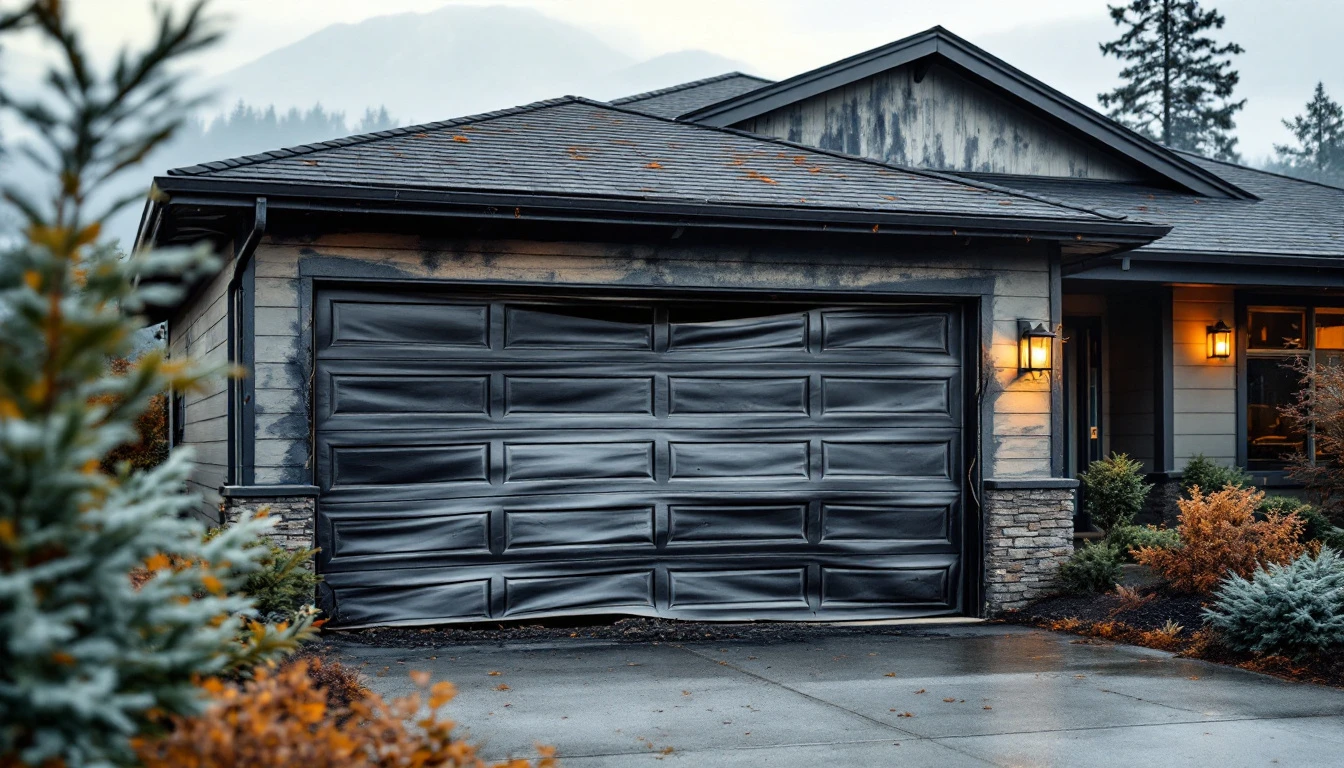
Wood naturally absorbs moisture from the air, causing expansion and swelling during spring rains and the humid harvest season from August through October. Without proper sealing and weatherstripping, this cycle repeats year after year. Boards warp, joints separate, and rot takes hold in unprotected grain. What starts as minor swelling becomes structural deterioration that compromises your home’s security and appearance.
For investment-grade homes valued between $350,000 and $600,000, replacing a rotted wooden garage door costs upward of $3,000. That’s why climate-specific weatherstripping and seasonal maintenance matter—protecting wood from moisture prevents expensive replacement and preserves your property value.
Seasonal Maintenance Checklist
Your wooden garage door needs different care depending on what Yamhill Valley’s weather is doing. Think of maintenance as a calendar-based routine, not something you do when damage becomes visible. Timing matters because the best prevention happens before wet season challenges arrive.
Fall Preparation (Late August–September)
- Check all weatherstripping along door edges and replace any sections that feel hard or cracked
- Inspect caulk sealing around door frames and reapply where gaps appear
- Test bottom door seals by sliding paper underneath—if it passes through easily, moisture will too
- Apply fresh wood sealant or exterior-grade stain to any areas where finish looks worn or faded
Winter Inspection (December–February)
During Lafayette’s wettest months, monitor your door’s performance rather than attempting repairs. Check drainage channels near your garage door monthly to confirm water flows away from the structure. Look for water stains on interior garage walls that signal moisture intrusion. After heavy rain cycles, inspect door panels for swelling or warping. Document problem areas with photos so you can address them during drier weather.
Spring Recovery Routine (March–April)
- Assess freeze-thaw damage from winter once temperatures stabilize above freezing consistently
- Look carefully for new cracks in wood panels or splits in joints where water expanded during cold snaps
- Test hinges and hardware for looseness caused by seasonal movement
- Remove any moss or algae growth with gentle brushing before it penetrates wood grain
- Reapply wood treatment to problem areas identified during winter inspections

Late Summer Pre-Harvest Prep
August and early September mark the critical window for weatherproofing your wooden garage door before Yamhill Valley’s harvest season brings sharply rising humidity levels. Once September transitions into October, moisture infiltration accelerates through any gaps in weatherstripping or sealant, setting the stage for wood rot throughout the wet winter months.
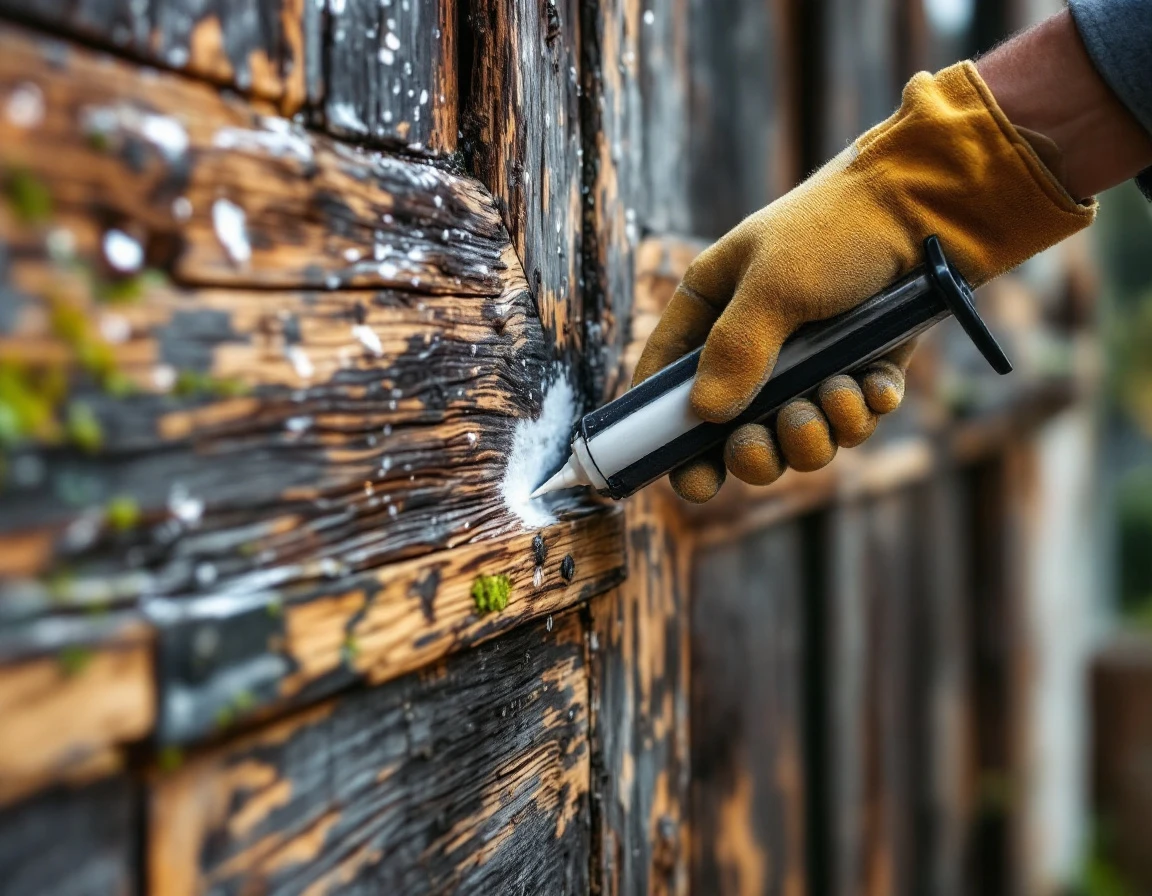
Focus on three essential tasks during this pre-harvest window: Replace worn weatherstripping with EPDM rubber strips designed for Oregon’s temperature swings, apply fresh silicone caulk around door panels and trim where previous sealant has shrunk or cracked, and inspect all hardware and hinges for early rust formation.
EPDM rubber strips resist cracking in cold weather while maintaining flexibility. Apply fresh silicone caulk around door panels and trim where previous sealant has shrunk or cracked. Pay special attention to the bottom seal, which prevents water runoff from entering the door’s most vulnerable area.
Inspect all hardware and hinges for early rust formation, then treat metal components with rust-preventive spray before humid conditions accelerate corrosion. Material costs typically run $200–$300 for DIY installation. A fraction of the $3,000+ door replacement cost these preventive measures help you avoid. This modest investment protects your $350K–$600K wine country home from moisture damage that compounds with each wet season.
Winter Monitoring & Spring Repair
December through February brings Yamhill Valley’s heaviest rainfall—the critical period for checking your wooden garage door after storms. Look for water pooling near the door’s base, dark stains on interior wood surfaces, and soft spots that compress under finger pressure. These warning signs reveal where moisture has breached your weatherstripping.
When spring arrives in April and May, assess the full extent of winter damage. Check for wood swelling around door edges, discolored patches indicating early rot, and cracked or compressed weatherstripping that no longer seals properly. This seasonal inspection window matters because you’re catching problems before summer heat accelerates deterioration.
Address repairs during this mild spring period—reapply wood sealant to bare patches, replace worn weatherstripping, and renew caulk around door frames. Spending $200–$500 on preventive repairs now protects your wine country home from $3,000+ door replacement costs later. Contact us today for a spring inspection!
Weatherstripping & Sealant Selection for Wooden Garage Door Swelling and Wet Season Protection
Not all weatherstripping materials handle Yamhill Valley’s wet winters and humid harvest seasons equally well. EPDM rubber weatherstripping (ethylene propylene diene monomer) outperforms vinyl and foam alternatives in Oregon wine country because it resists compression set—meaning it bounces back after your door closes repeatedly—and remains flexible even when Lafayette temperatures drop to freezing. Vinyl stiffens in cold weather, and foam compresses permanently after exposure to moisture cycles, leaving gaps where water infiltrates.
For sealant applications around wood garage door frames, silicone caulk provides superior water repellency compared to acrylic options. Silicone maintains elasticity through freeze-thaw cycles and lasts 10–15 years in Pacific Northwest conditions, while acrylic formulas crack and peel after 3–5 years of exposure to valley fog and harvest-season humidity. Look for 100% silicone products rated for exterior wood applications.
Expect to spend $150–$300 on materials for a complete weatherstripping and sealant upgrade on a standard two-car wooden garage door. Bottom seals prevent water migration during heavy November rains, while side gaskets block moisture during freeze-thaw events.
Most homeowners complete installation in 2–3 hours with basic tools, but if you discover soft wood or active rot during inspection, call a professional immediately—door replacement costs jump to $3,000 or more once structural damage occurs.
Protection & Cost Comparison
How much should you budget to protect a wooden garage door in Yamhill Valley wine country? The numbers tell a clear story. Annual preventive maintenance — including weatherstripping replacement, sealant touch-ups, and wood treatment — typically costs $200–$500. For homeowners who’ve invested $350K–$600K in Lafayette or McMinnville properties, this modest annual expense protects both curb appeal and structural integrity.
Without seasonal care, wooden garage doors in Oregon wine country typically last 5–7 years before moisture damage forces replacement. With consistent maintenance, that same door serves your home for 10–15 years. When replacement arrives, expect to pay $3,000–$5,000+ for investment-grade farmhouse or carriage-style doors that match wine country aesthetics.
Should you handle maintenance yourself or hire a professional? Most homeowners can apply weatherstripping and caulk using the materials outlined in previous sections. However, professional assessment becomes necessary when you discover soft spots indicating rot, when wood treatment requires specialized application tools, or when structural repairs extend beyond surface weatherproofing.
The return on investment becomes obvious: a regular maintenance program for your wooden garage door costs less than replacing it prematurely due to neglect. In wine country, where property values depend partly on exterior presentation, protecting your wooden garage door protects your home’s market position. Contact us today for professional rot assessment or treatment application guidance.