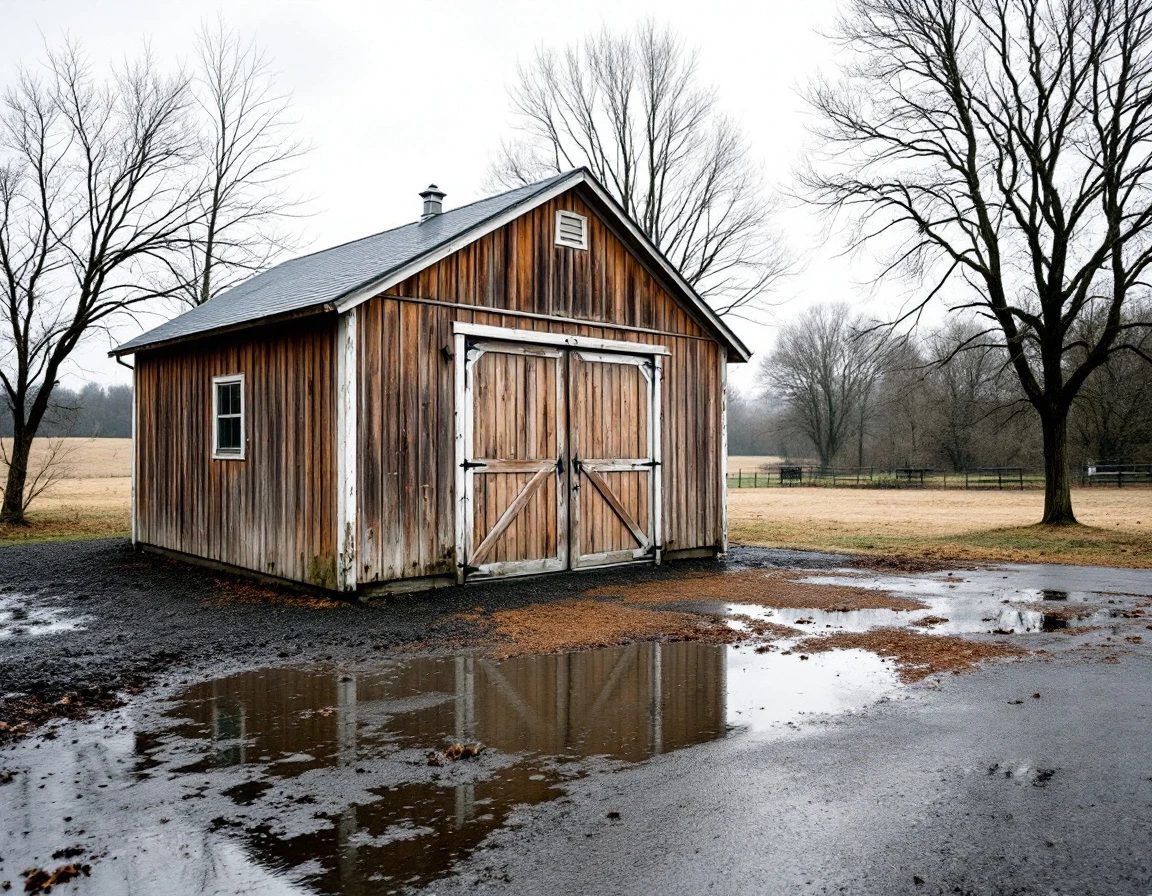
Canby’s Flood & Moisture Risks
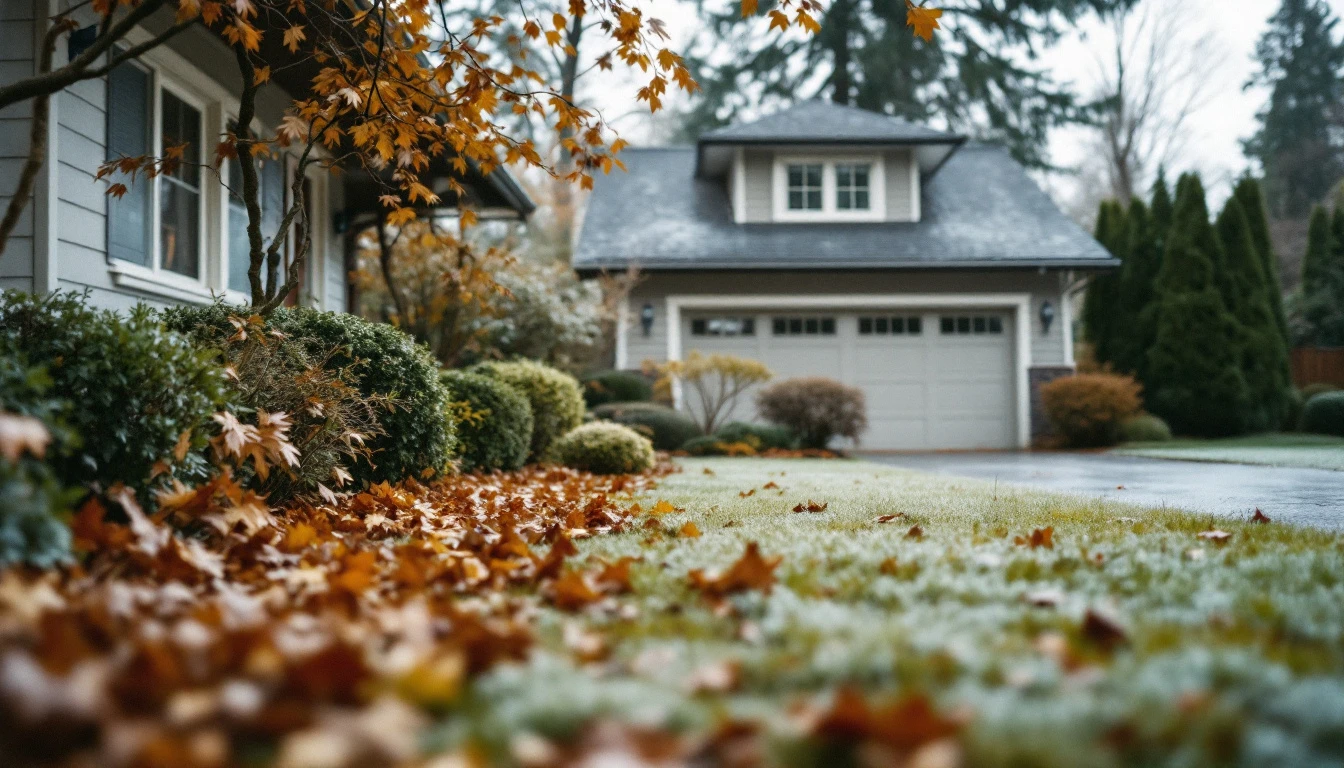
Canby’s location near the Clackamas River and low-lying agricultural lands creates seasonal flooding and moisture challenges that threaten older detached garages. Understanding how to protect detached garage from flooding in Canby requires addressing both surface-level and subsurface water threats that target foundations and door seals.
Spring snowmelt and Clackamas River flooding
Every spring, Canby homeowners face a predictable threat: snowmelt from the Cascade foothills combines with heavy rainfall to swell the Clackamas River and raise groundwater across the valley floor. This seasonal surge creates moisture pressure that targets foundations and floor slabs.
Older detached garages on larger lots are particularly vulnerable to moisture infiltration. These structures often lack modern vapor barriers, foundation drainage, and proper grading. Water finds its way through concrete cracks, under door thresholds, and through poorly sealed wall joints, damaging stored equipment and accelerating wood rot in framing members.
Weatherstripping failures and foundation moisture
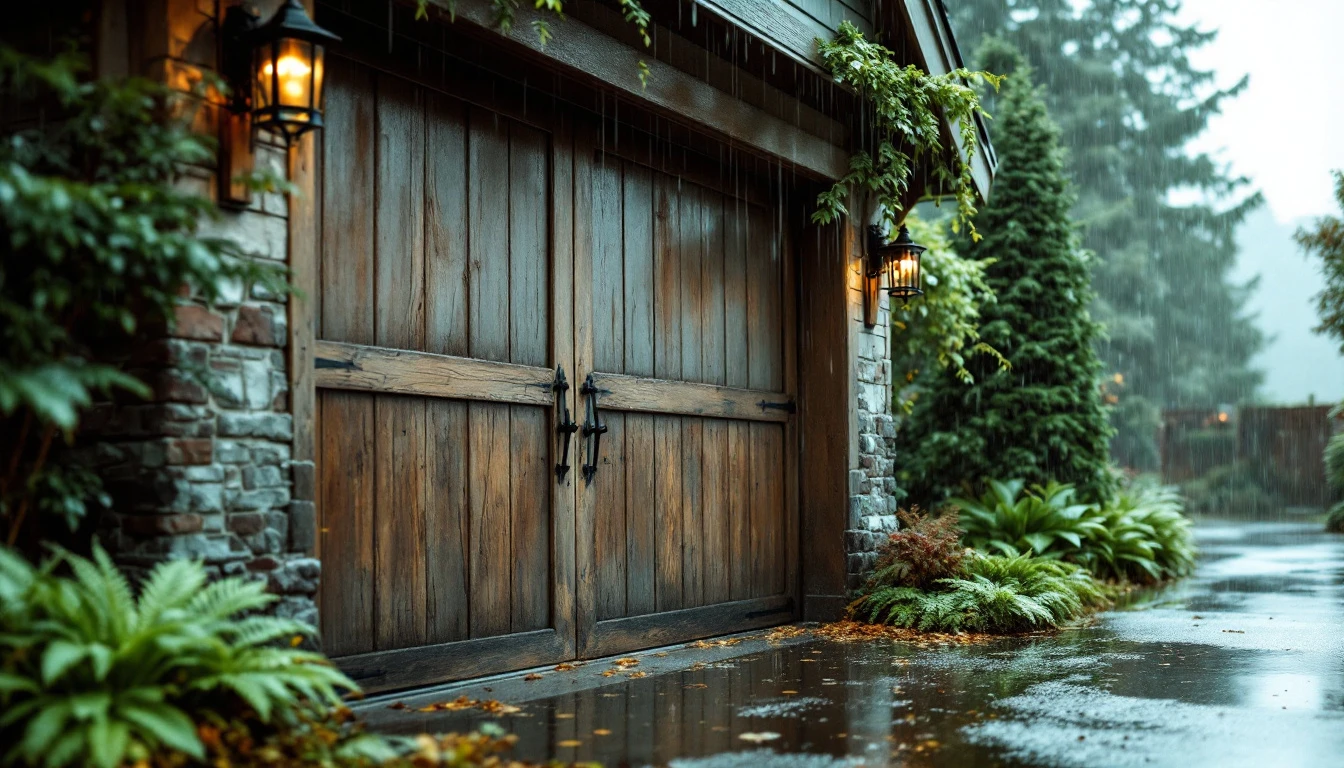
Deteriorated weatherstripping around garage door panels and cracked foundation seals allow springtime moisture to infiltrate your garage, damaging stored equipment, vehicles, and mechanical systems. Water seeps through these vulnerable points during Canby’s wet season, creating conditions for rust, mold, and electrical hazards.
Early summer offers the ideal window to install new weatherstripping and repair foundation cracks before fall rains arrive. This proactive approach protects your investments and prevents expensive water damage repairs down the road.
Canby Garage Weatherproofing for Wet Season Protection
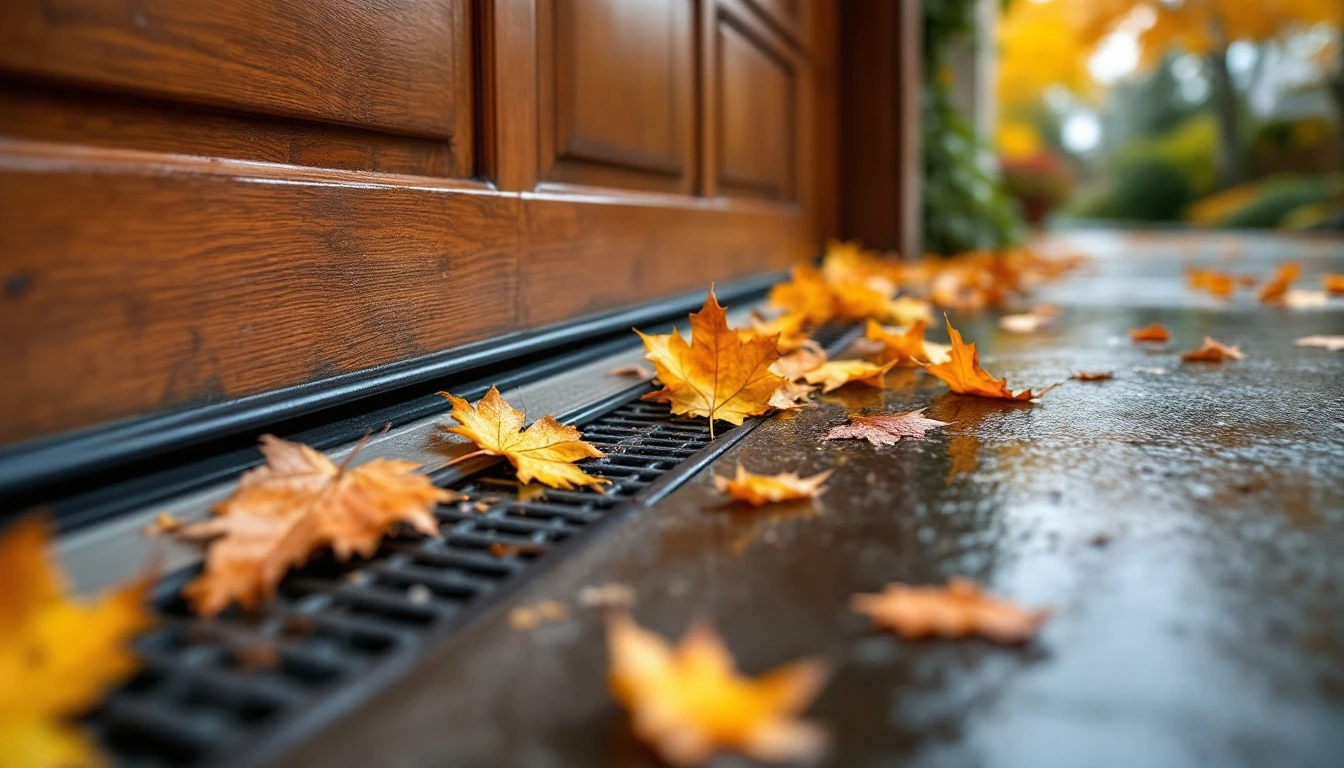
Before Canby’s fall rains arrive, inspect your garage door’s weatherstripping for signs of failure. Rubber and foam seals typically degrade over 5-10 years, and the wet climate accelerates this breakdown. Start with a visual check: look for cracks in the rubber, hardened or brittle sections that have lost flexibility, and any gaps where daylight is visible along the sides or bottom of the door when closed.
The bottom seal and side jamb seals are your highest-priority areas. Failed weatherstripping in these spots allows water to pool around stored equipment and vehicles, particularly during heavy rain events. Check for water stains on the interior concrete near the threshold—this indicates the seal has already compromised. For a thorough test, have someone stand inside the closed garage while you spray the exterior with a garden hose, watching for water penetration.
Most homeowners can replace weatherstripping themselves in 1-2 hours for $50-150 per door. For Canby’s freeze-thaw cycles, choose heavy-duty vinyl or rubber seals specifically rated for temperature fluctuations. Look for products labeled for “freeze-thaw resistance” at local hardware stores. If your door has structural damage around the seal mounting area or requires trim removal, contact professional installers who can address both the seal and underlying issues simultaneously.
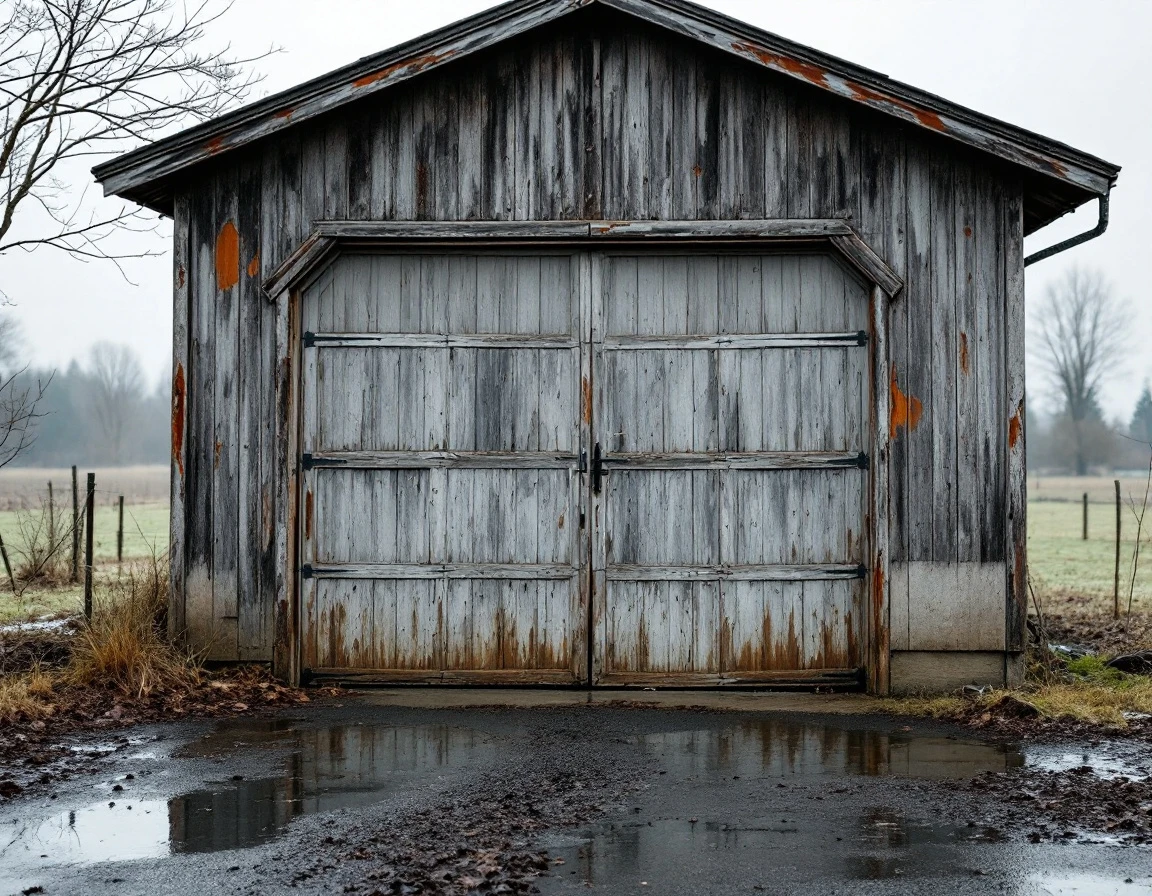
Foundation Moisture Control Strategy
Older detached garages in Canby face a specific moisture threat called capillary rise—water that wicks upward through concrete foundations from saturated soil below. As Clackamas County’s snowpack melts through late March and April, groundwater levels rise and pool around foundation perimeters, allowing moisture to migrate through porous concrete. This rising damp damages equipment stored on garage floors and deteriorates garage door bottom seals from underneath. Addressing garage foundation moisture control in Canby prevents this subsurface water from reaching your stored items.
Several affordable DIY actions reduce water pooling near foundations:
- Check grade sloping—soil should slope away from the garage at least six inches over ten feet
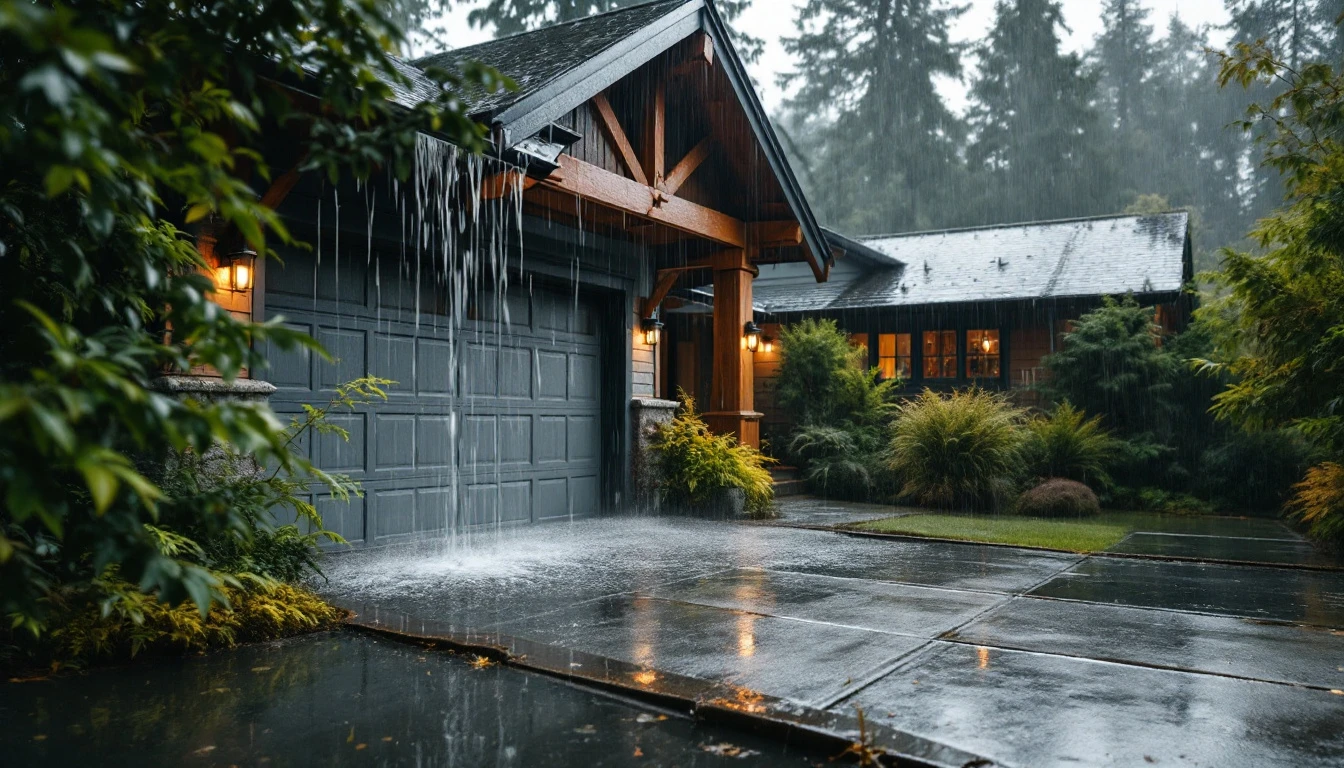
- Clean gutters and downspouts monthly during spring runoff, directing water at least five feet from the foundation
- Install a gravel barrier along the perimeter to create a capillary break that prevents direct soil-to-concrete contact
Inside the garage, place a dehumidifier near floor-level air intakes and run it during Canby’s peak snowmelt period. Increased ventilation helps manage interior moisture from seepage. For severe cases where standing water appears or floors stay damp despite surface fixes, professional solutions become necessary. Sump pump installation or French drain systems address subsurface water issues that DIY methods can’t reach.
Controlling moisture at the foundation perimeter protects your investment from the ground up, extending equipment lifespan and preventing structural damage before problems reach the interior.
Equipment Storage & Seasonal Protection
How you arrange your garage interior matters just as much as foundation controls when protecting equipment from Canby’s spring moisture intrusion. Even in aging detached garages that can’t be immediately replaced, strategic storage placement prevents thousands in avoidable equipment damage during outbuilding protection for spring snowmelt events.
Improved shelving and waterproof tarps protect tools, power equipment, and seasonal items from pooling water during heavy rain events. Place metal shelving units at least 12 inches above floor level, and cover stored items with 6-mil polyethylene sheeting to deflect condensation drips. Position riding mowers and garden equipment on wood pallets rather than directly on concrete floors.
Vehicle storage placement reduces moisture exposure to door seals and undercarriage components. Park vehicles away from the door side where weatherstripping failures concentrate moisture, and maintain at least 18 inches of clearance around all sides to promote air circulation.
Install a dehumidifier rated for your square footage to maintain relative humidity below 60% inside detached structures. Refillable desiccant buckets provide backup moisture control in outbuildings without electrical service. Your pre-wet-season checklist should cover door operation testing, weatherstripping inspection, gutter clearing, and dehumidifier setup—all completed by early June before Clackamas River flood season arrives.
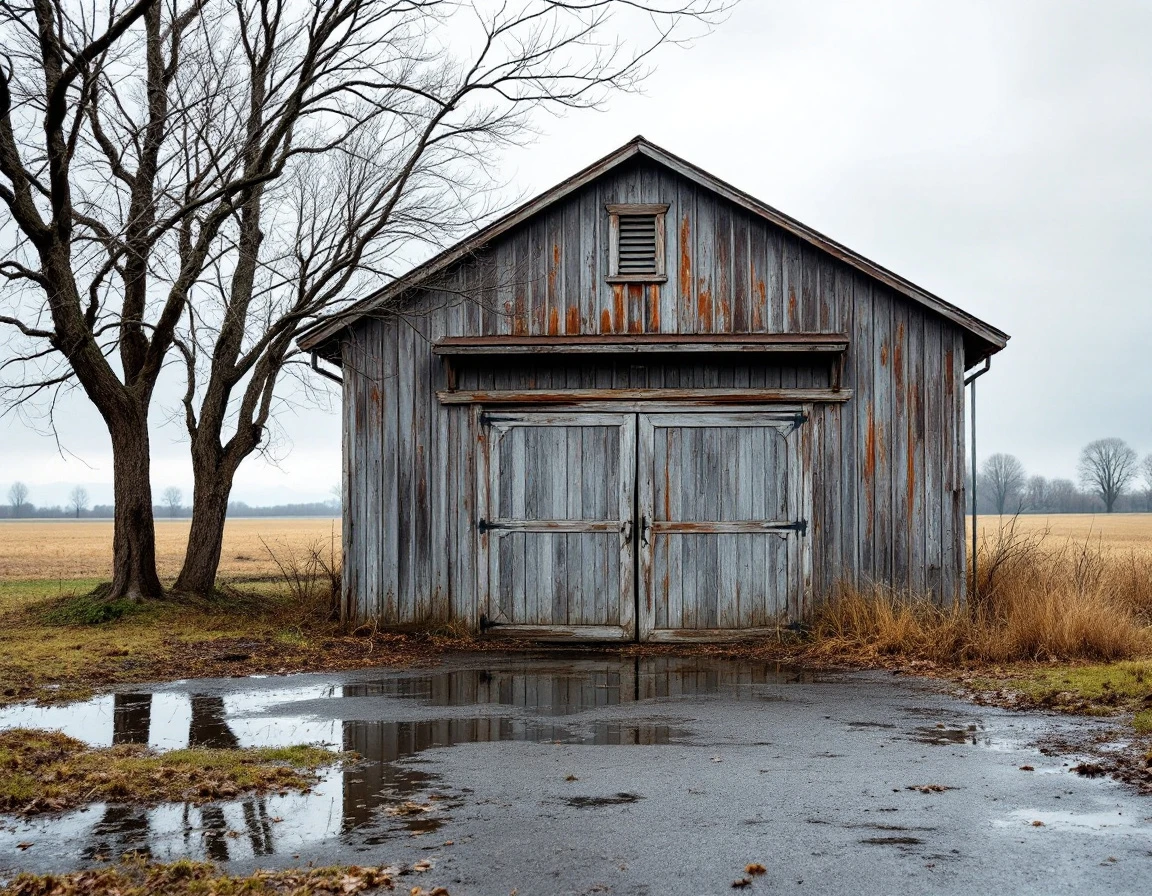
When to Call a Professional
Most homeowners can handle basic weatherstripping replacement and dehumidifier setup themselves, but certain red flags demand professional expertise. If you notice visible foundation cracks wider than a quarter-inch, persistent water pooling despite improved grading, mold growth, or musty odors that won’t clear with ventilation, schedule a licensed inspection immediately. Similarly, garage doors that bind inconsistently or fail to seal properly after new weatherstripping may signal structural settling that requires professional diagnosis.
Professional assessments typically cost $100-200 and cover foundation integrity, drainage patterns, and moisture intrusion points that aren’t visible during casual inspection. For older detached garages common in Canby’s agricultural neighborhoods, this upfront investment prevents thousands in equipment damage and structural repairs if caught early. June offers ideal scheduling before summer maintenance teams book solid through fall.
Think of professional help as a safeguard, not an upgrade. Heavy-duty weatherstripping installation, garage door replacement, and drainage system work need expertise to function properly in Canby’s flood-prone zones. Tackle basic weatherproofing yourself first, then call in specialists when structural concerns arise.