Cowlitz River Flood Risk & Garage Door Flood Protection Kelso
If you live in West Kelso or Longview, your home likely sits within designated Cowlitz River flood zones. These areas experience predictable seasonal flooding during May and June when spring runoff from the Cascade snowpack swells the river. Effective garage door flood protection Kelso starts with understanding how your property’s location puts your garage at risk. The Cowlitz has a documented history of overtopping banks and pushing water into low-lying neighborhoods—particularly in West Kelso near the river confluence and portions of Longview’s western districts.
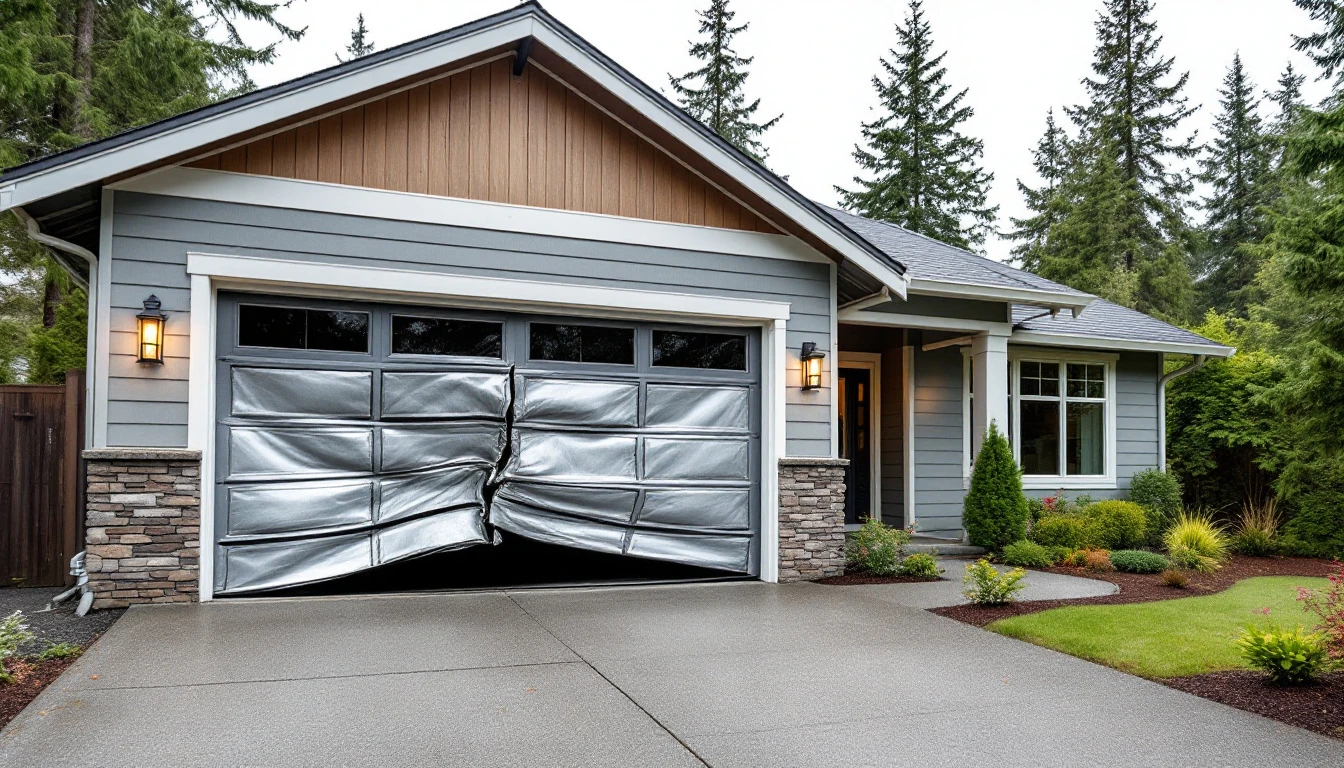
Why does this matter for your garage? Because garage doors represent the single most vulnerable entry point for floodwater. When water levels rise, hydrostatic pressure pushes against your door panels with tremendous force. SStandard residential garage doors lack the structural capability to withstand this pressure—seals compress,… tracks bend, and bottom panels buckle. Debris carried by floodwater impacts the door surface, damaging panels and jamming track systems. Once water breaches the door seal, it pours into your garage space, saturating stored items, damaging vehicles, and compromising electrical systems.
You can determine your specific flood risk by checking FEMA flood maps through the Cowlitz County Building Division or searching your property address on FEMA’s online Map Service Center. Properties within Zone A or AE face the highest risk and require the most protective measures. Understanding your flood elevation—how high water could rise relative to your garage floor—tells you whether simple barrier systems will suffice or whether you need professional waterproofing intervention before May runoff arrives.
Pre-Runoff Inspection Checklist
Before May runoff arrives in West Kelso and Longview, spend 30 minutes inspecting your garage door system to identify water entry vulnerabilities. This checklist focuses on the three most common failure points that let floodwater enter garages: weatherstripping and seals, track drainage systems, and foundation gaps. Knowing what to look for helps you determine which issues you can fix yourself with budget-friendly materials and which require professional attention.
- Start with weatherstripping and seals. Run your hand along the bottom seal where your garage door meets the concrete floor. Look for cracks, brittleness, or gaps wider than a quarter-inch. Check the weatherstripping along vertical tracks on both sides. Press firmly—if the rubber compresses but doesn’t spring back, it’s degraded. Inspect the threshold where the door closes. Standing water stains or rust marks indicate past water infiltration at this critical junction.
- Examine track drainage next. Clear leaves, dirt, and debris from the tracks on both sides of your door. In Cowlitz River flood zones, sediment accumulates faster due to proximity to waterways. Check for standing water in track channels after rain—this shows blocked drainage paths. Look inside the garage at track mounting points for water staining on walls or rust on brackets. These signs mean water is flowing through your track system during heavy rain.
- Inspect foundation and entry points last. Walk around your garage perimeter looking for cracks in the concrete slab wider than a pencil. Check where the door frame meets the foundation—gaps here let water bypass even the best door seals. Note any low spots where water pools against the garage foundation. Inside, examine the floor for efflorescence (white mineral deposits) or dark staining that indicates water seepage.
What your findings mean: Cracked weatherstripping, minor debris buildup, and small gaps can be addressed with replacement seals and caulk from hardware stores. Foundation cracks wider than a half-inch, persistent standing water, or rust damage throughout the track system require professional waterproofing assessment. Contact us today if your inspection reveals structural issues or extensive water damage patterns that suggest deeper problems.
DIY Drainage & Sealing Solutions
Once you’ve identified vulnerable points during your inspection, three DIY solutions can shore up your garage’s defenses against spring flooding. Each fix requires only basic tools and provides measurable protection against water intrusion. For flood-prone garage protection Longview Kelso homeowners prioritize, these aren’t substitutes for professional waterproofing in high-risk flood zones, but they address the gaps where most flood water enters residential garages.
Weatherstripping Replacement
Garage door bottom seals vary in price depending on door width and material type. Vinyl T-style weatherstripping works for mild exposure, while EPDM rubber seals handle repeated wetting better. Measure your door width precisely—a wider door needs different materials than a standard single-car model.
Installation takes about 1 hour. Slide the old seal out of the door’s bottom retainer channel, clean debris from the track, and push the new seal into place. Some models require cutting the seal to length with utility scissors. The seal should compress about halfway when the door closes fully against the floor. Replace weatherstripping every 2-3 years in wet climates like ours, or sooner if you notice cracks or permanent compression.
Track Cleaning and Sloping
Water that pools near your garage door eventually finds its way inside. Remove leaves, mud, and debris from the area within 3 feet of your door. Check that the ground slopes away from the door at a minimum grade—water should flow toward drainage areas, not back toward the garage. Proper garage door drainage Kelso flooding season success depends on this grading.
For a cost-effective approach, you can add gravel or crushed rock to create proper drainage swales. Redirect water to existing storm drains or absorption areas. This takes 2-3 hours for most single-car garages. Clean these channels monthly during wet season to prevent blockages.
Threshold and Gap Sealing
Polyurethane or silicone caulk rated for exterior use fills gaps between door frames and foundation walls. Apply caulk when surfaces are dry—typically late summer or early fall before rains return. A single tube covers approximately 25 linear feet and is available at hardware retailers in multiple price points. Smooth the bead with a wet finger within 5 minutes of application.
Expect exterior caulk to last 3-5 years before requiring reapplication. For temporary seasonal protection, removable rope caulk provides a barrier you can remove when flood risk passes.
When to call professionals: Stop DIY work if you discover standing water inside your garage after rain. Visible cracks wider than 1/8 inch in foundation walls, or doors that won’t close properly due to foundation settling. These indicate structural issues beyond weatherstripping fixes. Contact us today for an assessment when preventive measures aren’t enough.
Professional Waterproofing & Emergency Prep
If your property sits in a FEMA-designated flood zone—particularly AE or VE classifications common along the Cowlitz River—DIY solutions won’t provide adequate protection. These high-risk properties require flood-rated garage doors that withstand hydrostatic pressure, interior and exterior drainage systems with properly sized discharge lines, and sump pumps with battery backup to handle power outages during storms. Professional installation of these systems typically costs $2,000–$8,000 depending on your property’s elevation and existing drainage infrastructure.
How do you know when to call a professional instead of handling repairs yourself? Three red flags demand immediate expert assessment: visible foundation cracks wider than a quarter-inch, recurring water pooling in the same garage corner despite your drainage efforts, and previous flood damage that left stains or warping. These issues indicate structural problems or inadequate grading that weekend projects cannot fix. A waterproofing specialist can diagnose whether your garage needs French drain installation, foundation sealing, or regrading—work that requires equipment and expertise beyond typical homeowner capabilities. Water damage garage doors flooding tips from professionals often reveal that early intervention prevents costly repairs.
Before spring runoff arrives, develop an emergency response plan that includes detailed photo documentation of your garage’s current condition. Take pictures of your door system, stored items, and foundation from multiple angles. Store these images in cloud storage along with receipts for any protective measures you installed. This documentation becomes critical for insurance claims after flood events.
Contact your insurance provider now to understand your coverage limits for garage contents and structural damage—many policies exclude flood damage unless you carry separate flood insurance through FEMA’s National Flood Insurance Program.
Homeowners who schedule professional assessments during February or March avoid the emergency rates that kick in once flooding begins. A pre-season inspection can identify problems while you still have time to budget for repairs, rather than facing emergency interventions during peak runoff when contractors charge premium rates and availability disappears.
May Readiness Timeline & Next Steps
With May marking the final safe window before peak Cowlitz River runoff (typically June 1–15), here’s your week-by-week action plan to protect garage doors spring flood Kelso WA before water levels rise.
- Week 1–2 of May: Complete the inspection checklist outlined earlier. This free, 30-minute walkthrough identifies weatherstripping gaps, track drainage blockages, and foundation vulnerabilities. Document your findings with photos—you’ll need them for insurance purposes later. Focus on identifying problems now, not fixing them yet. For spring runoff Cowlitz River properties, this timing is critical.
- Week 2–3 of May: Execute your fixes based on inspection results. Install new weatherstripping, clear track drainage, and apply threshold sealant if your property sits in moderate-risk zones. Budget $30–$300 depending on materials. If your inspection revealed standing water, foundation cracks, or prior water staining, contact a professional this week—not in June. Waiting until runoff begins means paying emergency rates instead of scheduled service pricing.
- Week 3–4 of May: Verify completed work by testing water flow patterns during the next rain. Take final documentation photos showing sealed gaps and clear drainage pathways. Confirm your garage door closes flush against new weatherstripping. Contact us today to schedule a pre-season professional assessment if you’re uncertain about your flood preparedness—our team serves West Kelso and Longview properties year-round.