Winter Water Damage in Portland Garages
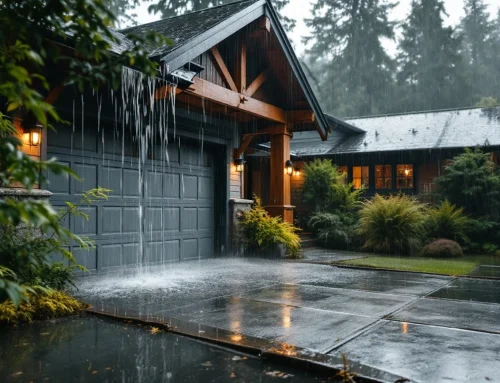
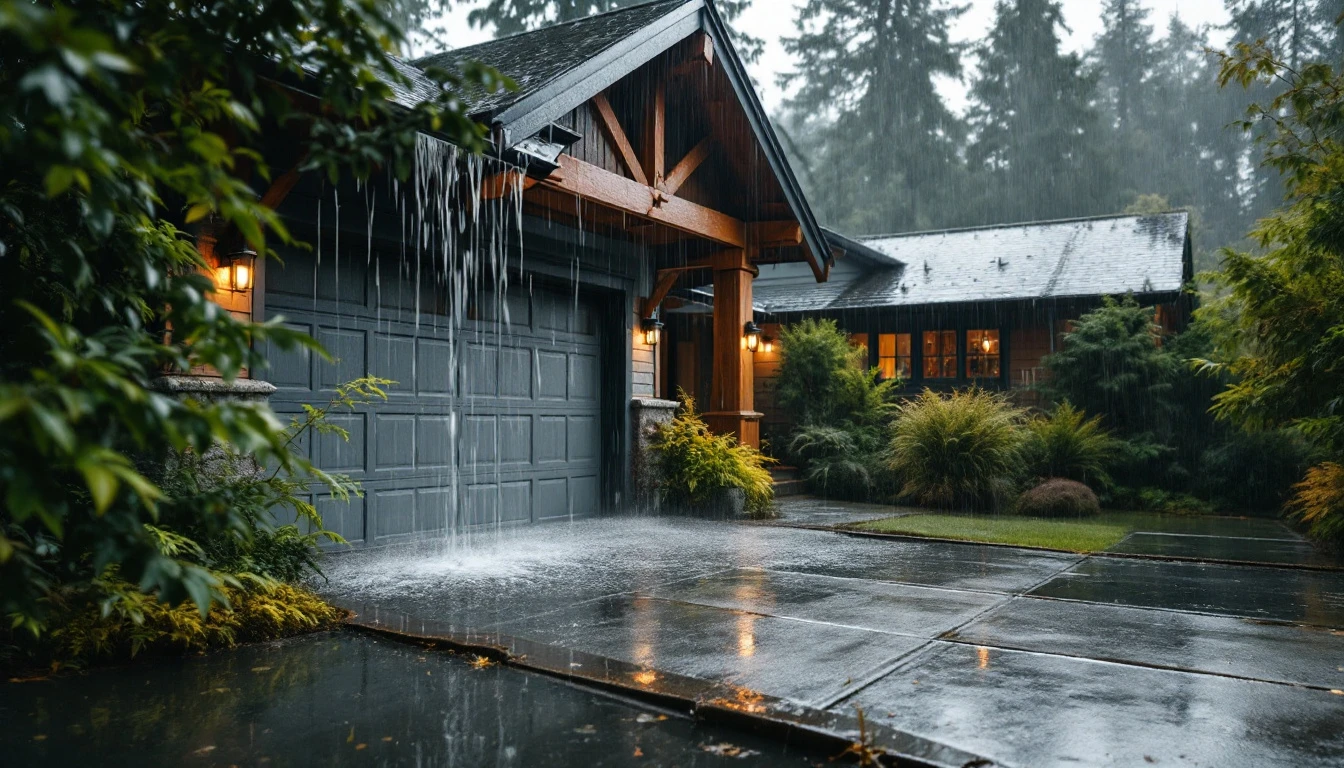
Portland’s wet winters create serious garage water damage risks, making it essential to prepare garage for wet Oregon winter conditions. Between November and March, prolonged rainfall and occasional ice storms threaten garage structures with flooding, moisture intrusion, and mold growth.
Portland averages 43 inches of rain annually
Portland receives an average of 43 inches of rain each year, with the heaviest precipitation falling between October and December. This extended wet season creates the perfect conditions for garage water damage. Standing water can accumulate on garage floors, while persistent moisture promotes mold growth on walls and stored items. Metal components—from vehicles to tools and hardware—develop rust quickly in humid conditions. Without proper waterproofing, even structural elements like wooden framing can begin deteriorating.
Most homeowners don’t recognize vulnerability
Most homeowners don’t recognize their garage’s vulnerability to water damage until they discover standing puddles, rust stains, or musty odors. By then, moisture has already compromised door mechanisms, flooring, and stored belongings. Fortunately, five targeted garage waterproofing tipss can help Oregon homeowners prevent the seasonal water damage that commonly affects Portland-area garages.
These proven strategies address the specific weak points where water typically enters during our extended rainy season.
Seal Foundation and Perimeter Gaps
Water doesn’t need a dramatic entry point to cause problems in your garage. The most common culprits are the small gaps and cracks you probably walk past every day: where concrete slabs meet walls, around door frames, and along the foundation perimeter. These openings allow Portland’s persistent winter rain to seep inside, creating the damp conditions that lead to mold and rust.
Start with a simple inspection. Walk the perimeter of your garage on a sunny day and look for light coming through gaps under doors and along wall joints. Mark these spots with chalk or painter’s tape. You’ll typically need three materials: concrete crack sealant for foundation fissures, silicone caulk for wall-to-floor transitions, and weatherstripping tape for door thresholds.
This project takes 2–3 hours for most garages and costs between $50–150 in materials—making it one of the highest-impact, lowest-cost waterproofing steps you can take. Clean each gap thoroughly with a wire brush, then apply sealant according to package directions. Focus especially on threshold areas where garage doors meet concreteAs these see the most water exposure during winter storms.
For detailed guidance on selecting and installing weatherstripping around garage doors, see our complete weatherstripping guide. This DIY-friendly project requires no special skills or professional help.
Install or Upgrade Gutter and Drainage
Your roof sheds hundreds of gallons of water during Portland’s rainy season, and gutters are your first line of defense against foundation damage. When gutters fail, all that runoff cascades directly against your garage walls and pools around the foundation—exactly where you don’t want it.
Start by inspecting your gutters this month and clearing them of leaves and debris. Look for debris accumulation (leaves and moss are Portland specialties), sagging sections that create pools, and separations at seams or corners. These problems cause overflow that dumps water right at the foundation perimeter rather than carrying it safely away.
Your downspouts need special attention. They must extend 4–6 feet away from the building—not just drop water at the foundation line. Use downspout extensions or splash blocks to route water away. Check that the ground slopes away from your garage at all sides; water should never pool near the building.
Gutter cleaning and adding downspout extensions are simple DIY tasks for anyone learning how to winterize your garage Portland-style. Large gutter repairs or foundation regrading warrant professional help.
Complete this work by late September before October rains begin in earnest.
Annual cleaning plus pre-winter inspection protects your foundation investment for pennies compared to water damage repairs.
Control Interior Moisture and Ventilation
Portland’s winter weather creates a moisture trap inside your garage. When cold garage surfaces meet humid air—a common condition in our region from November through March—condensation forms on concrete, metal components, and stored items. Those tiny water droplets promote mold growth, rust on tools and hardware, and gradual deterioration of drywall or insulation.
Three complementary approaches work together to break this cycle with effective garage moisture control wet climate solutions:
- Ventilation systems like exhaust fans or passive roof vents exchange humid interior air with drier outdoor air, particularly effective after you park a wet car
- Dehumidifiers actively pull moisture from the air—a 50-pint plug-in unit costs around $200 and prevents mold in enclosed spaces, while energy recovery ventilators (ERVs) offer whole-garage climate control for $1,500–2,500 in attached garages
- Vapor barriers attack the problem from another angle: concrete sealers create a moisture-blocking layer on floors, and insulated door panels reduce temperature differentials that trigger condensation
Your choice depends on garage type and budget. Detached garages benefit most from simple ventilation and sealing as a cost-effective starting point. Attached garages—where moisture can migrate into your home—justify investing in dehumidification systems. Combined with the weatherproofing and insulation covered earlier, these moisture-control measures deliver lasting protection against Portland’s wet climate while improving energy efficiency and preventing health hazards.
Prepare Garage for Wet Oregon Winter: Professional Inspection and Repair Decisions
Some moisture issues require professional expertise to diagnose and resolve safely. If you notice active water seeping through walls, visible mold growth, structural cracks in foundation walls, or white salt deposits (efflorescence) on concrete surfacesSchedule a professional assessment before attempting DIY repairs.
Why hire locally? Portland-area contractors understand the Pacific Northwest’s unique moisture challenges—our prolonged wet seasons, clay-heavy soil composition, and the way our Craftsman-era foundations respond to seasonal water pressure. They spot hidden problems that generic online guides miss, from compromised French drains to foundation settling patterns common in older Portland neighborhoods.
Think of professional inspection as your final decision gate before winter arrives. Complete your four preventive tasks—seal foundation cracks, fix gutters, improve ventilation, and manage moisture—then bring in a pro during September or October to catch what you missed. This timing prevents emergency repairs during winter storms, when freezing, wet weather can significantly impact the performance and longevity of your garage door and contractors charge premium rates and damage spreads quickly.
A thorough garage inspection typically costs $150–300, but catching foundation issues or hidden mold now saves thousands in emergency repairs later. Contact us today for a pre-winter garage moisture assessment.
Weekend Preparation Checklist
Ready to protect your garage before Portland’s rainy season begins? Set aside 6–8 hours across one or two weekends in September or early October, and tackle these tasks in order of priority:
- Day One: Inspection. Walk your garage perimeter and interior, documenting every crack, gap, and moisture sign. Take photos for reference.
- Day Two: Sealing. Apply caulk to foundation cracks, install weatherstripping around doors, and repair damaged thresholds. This is your highest-priority task—complete it first.
- Drainage Check. Clean gutters thoroughly, extend downspouts at least 6 feet from your foundation, and verify proper grading slopes away from the structure.
- Ventilation Setup. Clean existing vents, install a dehumidifier if your garage feels damp, and consider adding foundation vents if condensation persists.
- Professional Call. Schedule a moisture inspection if any task felt incomplete or you discovered problems beyond basic maintenance.
Getting ahead of winter damage now beats emergency repairs in January.