Why Portland Homeowners Lose Heat Through Uninsulated Garage Doors
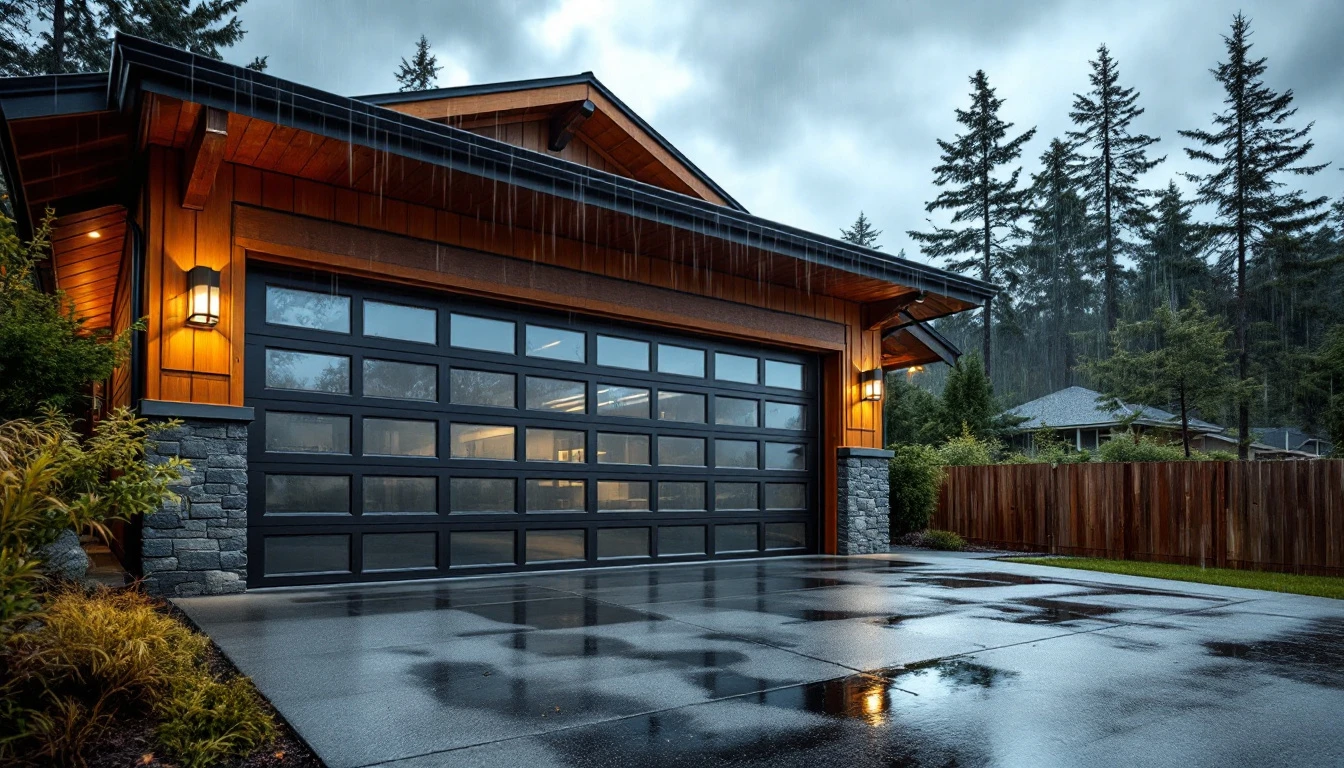
Your garage door likely represents one of the largest uninsulated surfaces in your home, creating a direct thermal pathway that lets expensive heated air escape during Portland’s cold, wet winters. Understanding garage door insulation energy savings is essential for controlling heating costs and improving comfort year-round.
Garage doors are the largest moving surface in most homes, conducting heat loss year-round
Your garage door is typically the largest moving surface in your home—often spanning 16 to 18 feet wide—and without proper insulation, it acts as a massive thermal conductor. During Portland’s winter months, when outdoor temperatures average 35-45°F, an uninsulated garage door creates a 15-25°F temperature differential between your garage and the outdoors. This constant heat transfer forces your furnace to work overtime, cycling more frequently to compensate for the cold air infiltrating your home through shared walls.
“Attached garages represent a significant portion of a home’s total surface area; uninsulated doors allow heated air to escape through gaps and thin metal panels.”
“Your attached garage typically represents a significant portion of your home’s total surface area, making it a surprisingly large thermal boundary. When garage doors lack insulation, heated air escapes through gaps around panels and thin metal surfaces that offer minimal resistance to cold.”
“The impact on your heating system is measurable: furnaces run noticeably longer during cold months when garage doors remain uninsulated. This extended runtime translates directly to higher heating costs throughout Portland’s wet winter season.”
How Garage Door Insulation Works and What R-Value You Need for Portland Winters
Garage door insulation adds thermal resistance to your door panels, measured in R-value. This value quantifies how effectively insulation slows heat transfer—the higher the R-value, the better it resists temperature changes. Typical garage door insulation ranges from R-8 to R-20, with Portland homeowners needing minimum R-12 to see meaningful energy savings during our cold, wet winters.
For best performance in Portland’s winter heating season, we recommend R-15 to R-18 insulation for insulated garage doors Portland Oregon residents trust. This range directly determines where you’ll fall in that savings range mentioned earlier. Lower R-values (R-8 to R-10) might provide minimal benefit when temperatures drop to 35°F, while R-15+ insulation maximizes your furnace efficiency and comfort.
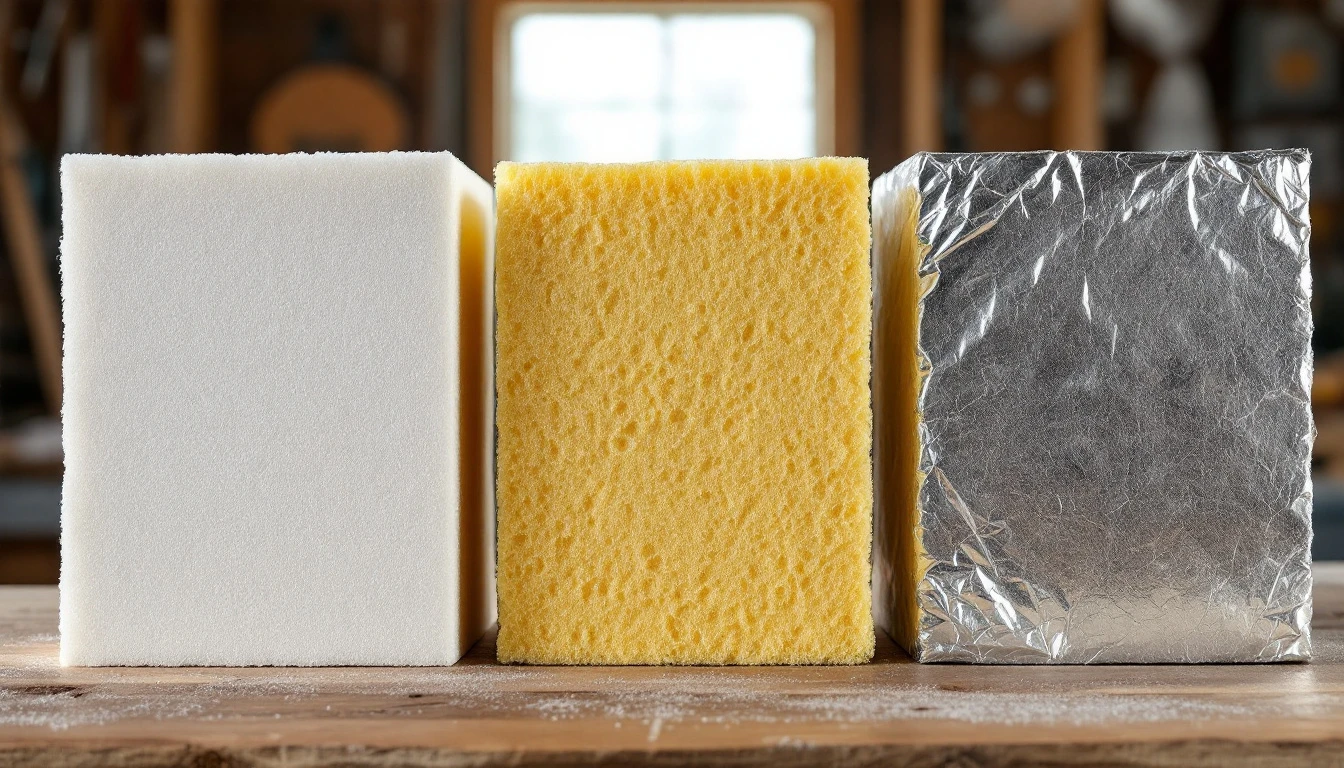
Two main insulation types dominate the market:
- Polystyrene foam offers a budget-friendly option at R-6 to R-8 per inch—effective for basic temperature control.
- Polyurethane foam provides premium performance at R-6.5 to R-7 per inch, but its key advantage is superior air sealing. It expands to fill panel cavities completely, eliminating air pockets that undermine insulation effectiveness.
Even the best insulation won’t deliver full savings without proper weatherstripping. Those rubber seals around your door perimeter prevent drafts that can negate R-value benefits. We often see Portland homeowners invest in high R-value doors but ignore worn weatherstripping—losing substantial efficiency gains to air leaks. Understanding garage door R-value and U-factor is essential for making informed decisions about insulation performance.
Garage Door Insulation Energy Savings: Calculate Your Annual Payback
Portland homeowners typically spend -150 per month on heating during peak winter months (December through February), with annual heating bills ranging from depending on home size and insulation levels. How much could insulating your garage door save you?
The math is simple: with 8-15% heating cost reduction from properly insulated garage doors, you’re looking at $96-270 in annual savings. To calculate your potential savings, simply multiply your current annual heating bill by 0.08 to 0.15. For example, if you spend $1,500 annually on heating, insulation could save you $120-225 each year. Research shows that upgrading to an insulated garage door can significantly reduce energy bills, with some homeowners seeing substantial savings.
The investment pays for itself faster than you might think. DIY foam insulation kits cost -600, while professional installation runs -1,500 for a standard two-car garage door. Even at conservative savings estimates, you’ll reach payback within 3-5 years—and that’s when the real savings begin.
“Over a 10-year period, garage door insulation delivers substantial cumulative savings, effectively paying for itself multiple times over. That’s significant money back in your pocket every winter, simply by addressing one of your home’s biggest thermal weak points.”
Two Ways to Insulate: DIY Foam Kits vs. Professional Installation
“Once you’ve decided to insulate your garage door, you face a practical choice: tackle the project yourself or hire professionals. Both paths can deliver significant heating savings, but they differ significantly in cost, time, and performance.”
DIY foam insulation kits cost -600 and include polystyrene or polyurethane foam sheets with adhesive backing. Most Portland homeowners complete installation in 2-4 hours using basic tools like a utility knife and tape measure. This approach works well for single-car garage doors and handy homeowners comfortable with measurements and panel removal. The trade-off? DIY installations typically achieve lower R-values (R-8 to R-12) and may miss air gaps that reduce efficiency.
Professional installation runs -1,500 but includes R-15 or higher rigid foam or spray foam, complete air sealing around all edges, weatherstripping replacement, and warranty coverage. Professionals complete the work in half the time and seal every thermal weak point—critical for reaching the higher end of that savings range. This option makes sense for two-car doors, garages with existing damage, or homeowners who want guaranteed results without the learning curve. How to insulate garage door properly requires attention to these details.
In Portland’s wet winter climate, both methods perform well structurally. Your choice comes down to budget, available time, and whether warranty coverage and expert air-sealing matter for your situation. Local installers serving the Portland metro area include Garage Harmony and several regional specialists who understand our climate’s specific insulation requirements. Insulated garage doors in Portland help reduce heat transfer, making them a worthwhile investment for year-round comfort.
Where to Buy and Install Garage Door Insulation in Portland Metro
Portland homeowners have several options for purchasing insulation materials. Home Depot, Lowe’s, and Amazon stock DIY insulation kits from Clopay, Ideal Door, and Chi, typically ranging from -600. These kits include pre-cut panels and adhesive backing compatible with standard door sizes. For professional installation, Garage Harmony serves the entire Portland metro area, offering measurement, material selection, and warranty-backed installation.
Before purchasing any insulation, complete this quick checklist:
- Measure your door’s width and height
- Inspect the existing door condition for rust or damage
- Confirm the attachment method your door supports—adhesive panels, rigid frame inserts, or full replacement doors each require different approaches
Garage doors Portland homeowners choose must withstand moisture, cold temperatures, and daily use, making proper insulation selection critical for long-term performance.
Timing matters significantly. Install before November to capture maximum savings during December through February, when Portland’s coldest weather drives heating costs highest. Spring installation still provides value for next winter’s preparation.
Ready to move forward? Measure your garage door dimensions, review your last heating bill, and revisit the ROI calculator from the previous section. Determine whether DIY or professional installation aligns with your budget and payback timeline. Contact us today for a free assessment!