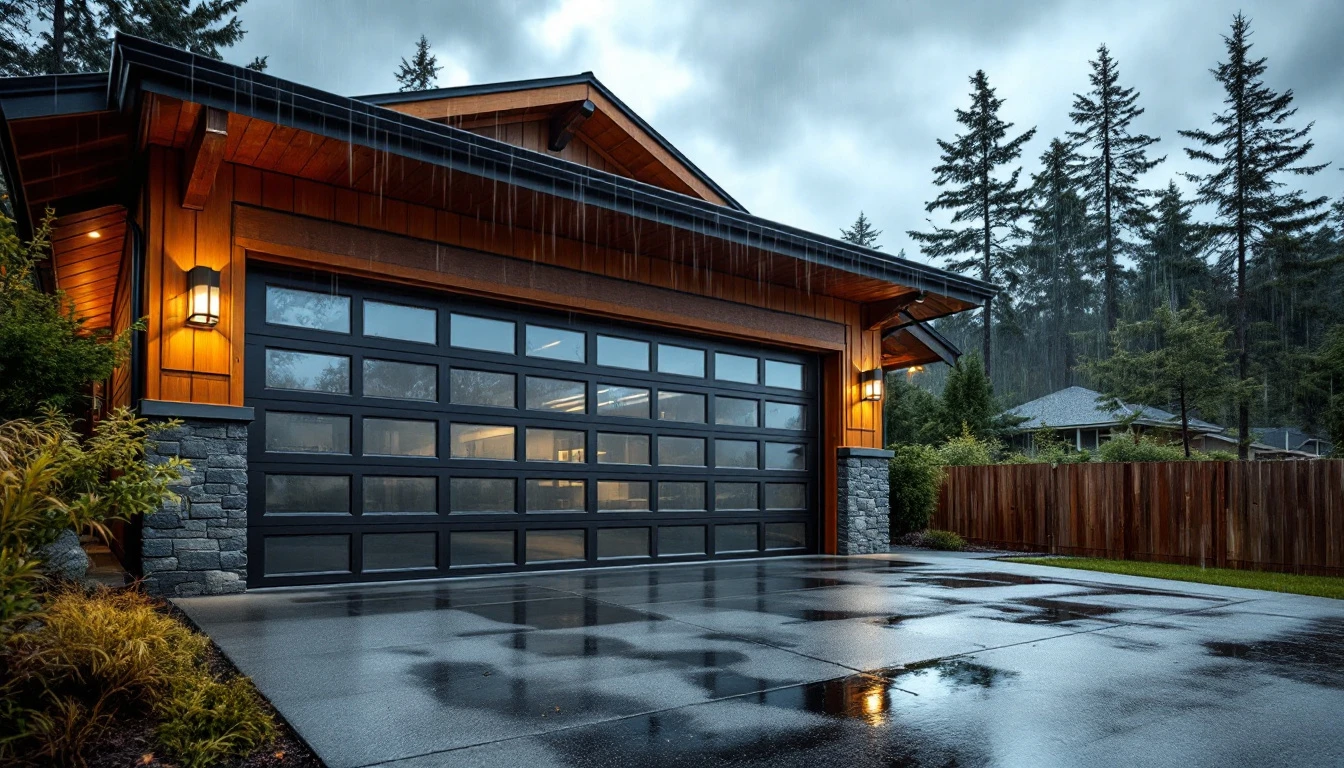
Why March Is Your Last Chance for Garage Door Winter Storm Prep
Oregon’s winter storm season runs November through February, making March your final window to complete garage door winter storm prep before next year’s freeze. Waiting until fall leaves you vulnerable for eight months, risking damage when storms actually hit.
Our freeze-thaw cycles create unique problems for garage doors. Ice builds up in tracks overnight, then melts during the day, saturating weatherstripping that freezes again by evening. This constant moisture cycle destroys seals and causes metal components to expand and contract, leading to cracks and misalignment.
The cost difference is stark: preventive maintenance runs $100 to $300 for materials and labor now. Emergency repairs during active storms? $500 to $2,000. Plus the stress of finding available technicians when everyone else is calling too.
For attached garages, the stakes go beyond door function. Power outages during winter storms turn poorly sealed garage doors into security vulnerabilities and temperature control nightmares, flooding your home with cold air and exposing entry points.
Four Essential Winterize Garage Door Oregon Tasks
These four maintenance tasks form the backbone of effective winterize garage door Oregon preparation. Each takes less than an hour to complete, and together they protect against Oregon’s distinctive freeze-thaw cycles that define winter weather in the Willamette Valley and Portland metro area.
Weatherstripping inspection and replacement is the single most critical winterization task. Check the rubber seal along the bottom of your door and around the frame for cracks, tears, or compression damage. When temperatures in the Portland area swing from 25°F overnight to 45°F by afternoon—a common pattern during Oregon winters—compromised weatherstripping allows cold air infiltration and moisture entry. Replacement weatherstripping costs $20-$40 for materials, and most homeowners can install it with basic tools in under an hour.
Safety sensor testing prevents dangerous malfunctions during cold weather. Clean the photo-eye sensors mounted near the floor on both sides of your garage door, then test the auto-reverse function by placing a cardboard box in the door’s path. Cold temperatures can affect sensor alignment and responsiveness. This DIY task requires no materials beyond a soft cloth and takes 15 minutes.
Battery backup verification keeps your garage door operational during winter power outages. Test your opener’s backup battery by disconnecting power and cycling the door. Replace batteries every 2-3 years; replacement units cost $40-$80. This task is completely DIY-friendly.
Track lubrication prevents ice binding and metal cracking from freeze-thaw cycles. Apply white lithium grease or silicone-based lubricant to rollers, hinges, and tracks. Materials cost $15-$25, and the process takes 30 minutes. Completing all four tasks costs $150-$250 DIY or $300-$400 with professional service—far less than a single emergency call at $500-$800 during a winter storm.
Completing all four tasks costs $150–$250 DIY or $300–$400 with professional service—far less than a single emergency call at $500–$800 during a winter storm.
Garage Door Weatherstripping Winter Protection
Start with a visual check of the rubber seals on all four sides of your garage door. Look for cracks, hardened sections, or visible gaps where light passes through. Close the door and shine a flashlight along the edges—light leakage reveals seal failures. Run your hand around the perimeter to feel for air movement, which indicates compromised weatherstripping.
Oregon’s constant moisture and freeze-thaw cycles degrade weatherstripping faster than in drier climates. The wet-cold-wet pattern causes rubber to crack and lose flexibility within 3-5 years, compared to 7-10 years in arid regions.
Replacement strips cost $30-$60 at hardware stores, with installation taking 1-2 hours for most DIYers. Choose rubber for budget-friendly durability or silicone for extended lifespan. Call a professional if your door binds during operation or if seals wear unevenly—these signal alignment issues requiring expert adjustment.
Garage Door Safety Check Winter Protocol
Those photoelectric sensors at eye level on each side of your garage door frame do critical work: they prevent the door from crushing objects, pets, or people. Oregon’s damp winter air corrodes sensor lenses, and cold temperatures reduce battery life and sensor responsiveness. Testing now catches failures before storms arrive.
The test takes one minute. Press your garage door closer, then block the beam with your hand when the door reaches halfway down. The door should immediately reverse. If it doesn’t, you need new sensors—$40 to $80 for replacement. Which is cheap insurance against injury or property damage. Ignoring sensor failures creates safety hazards and can invalidate your homeowner’s insurance.
If your sensors fail this test, check our sensor troubleshooting guide for quick fixes like realigning the beams or cleaning corroded lenses. When in doubt, replacement is the safer choice.
Battery Backup and Track Care
When winter storms knock out power across Oregon, a functional battery backup keeps you from being stranded outside your garage—or trapped inside. Cold temperatures drain battery efficiency quickly, making pre-season testing essential. Simply unplug your opener, press the remote button, and verify the door moves smoothly on backup power. If nothing happens, replace the battery now rather than discovering the problem during a midnight power outage.
Track lubrication protects against another winter threat: ice buildup and freeze-thaw stress that can bind or crack metal tracks. Apply silicone-based lubricant (not WD-40, which attracts ice) along both tracks in a 5–10 minute process. A $15–$25 bottle covers multiple seasons. This simple maintenance reduces friction, prevents metal fatigue, and keeps your door operating smoothly through Oregon’s wettest months. Total investment for both tasks: $55–$105 for reliable winter protection.
DIY vs. Professional
Can you handle winterizing your garage door yourself? Weatherstripping replacement and track lubrication are beginner-friendly DIY projects that save $50-$100 in labor costs. Sensor testing requires no special tools, though sensor replacement should be handled by a professional—especially since Oregon building codes may mandate it. Battery backup testing is simple enough for any homeowner.
- You’re replacing weatherstripping, lubricating tracks, or testing sensors and battery backups
Do It Yourself If:
- Weatherstripping replacement
- Track lubrication
- Sensor testing
- Battery backup testing
Call a Pro If: You discover bent tracks, damaged panels, broken springs, or failed sensors. Structural issues require specialized tools and expertise. Regional professionals in the Willamette Valley and Portland metro typically charge $100-$150 per service call—far less than the $500-$800 emergency call you’ll face during a January storm.
Investing in a complete professional inspection now beats waiting for winter emergencies.
Contact Garage Harmony today to schedule your pre-winter assessment.
Act Now—Storm Season Awaits
March is your final window to prepare your garage door for winter. By April, you’re entering an eight-month period where Oregon’s next storm season looms closer every week, and come November 2026, you’ll be facing winter weather with whatever vulnerabilities exist today. Completing the four-task checklist this month takes one weekend and costs $100 to $400 total—preventing the $500 to $2,000 emergency repairs that hit when garage doors fail during power outages or freeze-thaw cycles.
Regional Garage Harmony pros serving Portland, Willamette Valley, Bend, and Vancouver are ready to assess your door or handle full service if you’d prefer expert help. Your next step is simple: either schedule a professional inspection or grab weatherstripping supplies this weekend. Taking action now puts you in control, not scrambling when the storms arrive.