Cold Weather Damage to Garage Doors
Winter creates three distinct failure patterns that send repair costs soaring, making garage door winter weather protection a logical investment before temperatures drop. First, frozen lubricants and track ice cause mechanical binding—grease solidifies in sub-freezing temperatures while moisture freezes inside tracks, preventing smooth door movement. Second, metal contraction and expansion cycles stress springs and hardware connections as temperatures swing from day to night, weakening components over time. Third, snow load pressure and ice dams add unexpected weight that strains openers and can prevent doors from operating entirely.
These winter-specific failures don’t happen gradually. They strike suddenly when temperatures drop, often requiring emergency service calls at premium rates. Understanding these three damage types makes preventive maintenance both urgent and logical—addressing vulnerabilities before winter arrives protects your investment and keeps your garage door functioning when you need it most.
Lubrication and Track Maintenance
Standard garage door lubricants thicken and freeze below 32°F, creating sluggish operation that strains your opener motor and can cause your door to stick mid-cycle. When cold temperatures hit, petroleum-based silicone or lithium greases turn into thick paste. Blocking smooth movement and forcing your system to work harder than designed.
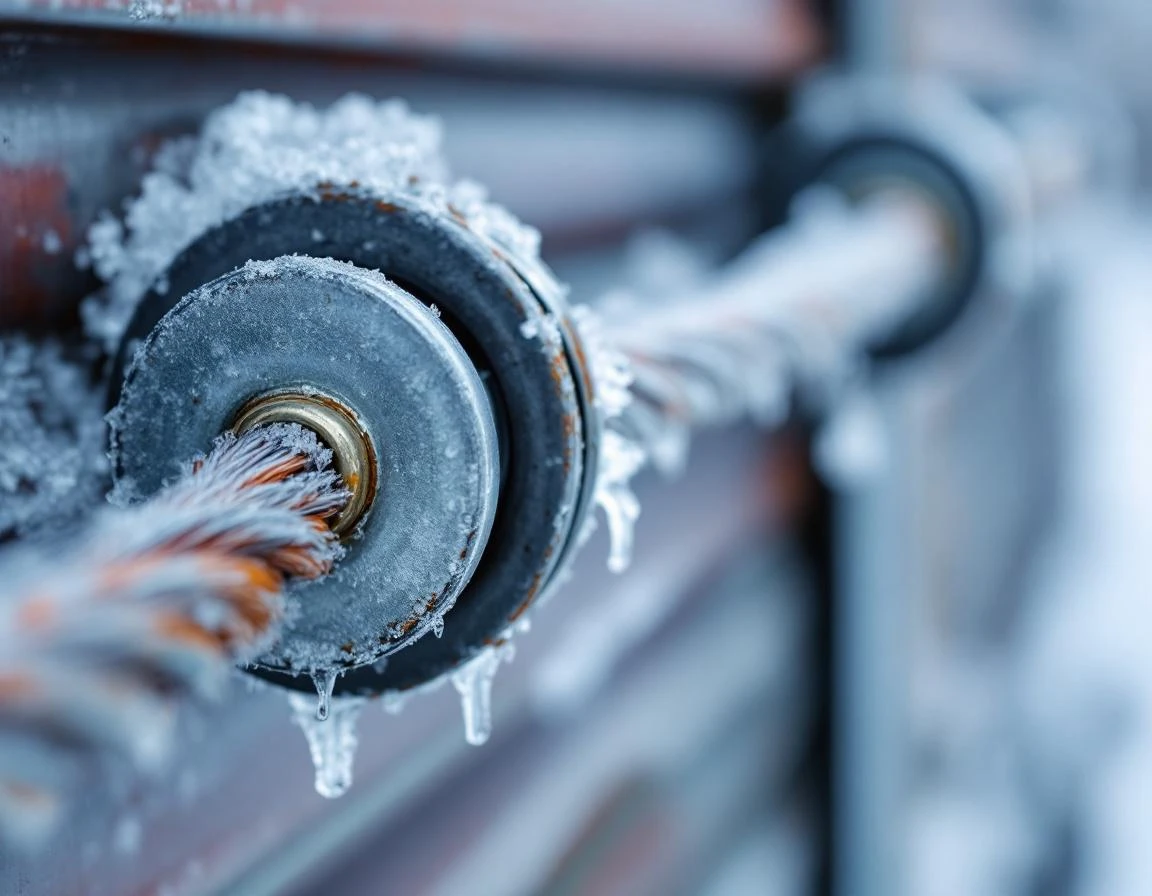
Debris and moisture in tracks create ice buildup that prevents proper door closure, leaving gaps that let cold air into your garage. To prevent this, remove old lubricant with a degreaser, clean tracks thoroughly with a dry cloth, then apply synthetic oil rated to -10°F or lower on rollers, hinges, and moving metal parts. Never lubricate springs—they’re pre-treated at the factory and additional lubricant attracts dirt that accelerates wear.
This single maintenance task prevents mechanical binding before winter arrives, making it the most important preventive step you can safely handle yourself when you winterize garage door and opener systems.
Spring and Cable Inspection
Your garage door springs hold 150–200 pounds of tension year-round, but winter’s daily temperature swings create a dangerous cycle: metal expands when the garage warms during the day, then contracts overnight when temperatures drop. This repeated stress accelerates fatigue in already-loaded springs. Making them more likely to snap when you need your door most.
From inside your garage, look for visible warning signs. Cracks or gaps in torsion springs mounted above the door, fraying or loose strands in lift cables, one side of the door hanging lower than the other, or loud popping sounds during operation. These indicators mean your system is compromised and winter’s additional stress could trigger complete failure.
Never attempt to test or replace springs yourself—the stored energy can cause severe injury. Cable damage requires immediate professional service. As a snapped cable can drop the door unexpectedly. Identifying these issues now, before freezing weather arrives, lets you schedule repairs during normal business hours rather than paying emergency rates during a January cold snap.
Weatherstripping and Seal Gaps
Even small gaps around your garage door perimeter create entry points for snow, water, and freezing air. When damaged weatherstripping allows these elements inside, they settle in tracks and along the door bottom, where overnight temperatures turn moisture into ice. This ice buildup strains your opener motor and can jam the door completely, making weatherstripping inspection part of your strategy to protect garage door from snow and ice.
Inspect your weatherstripping while the door is closed. Look for visible daylight around the edges, cracked rubber along the bottom seal, or missing sections on the sides. Press gently on the rubber—if it feels brittle or pulls away easily, it needs replacement.
Replacing weatherstripping is a simple DIY project. Remove old seals by peeling away adhesive backing, clean the surface with rubbing alcohol, and press new adhesive-backed strips into place along door edges and the bottom threshold. This inexpensive upgrade reduces ice accumulation risk and keeps your garage warmer throughout winter months.
Opener Motor Readiness Check
Your garage door opener operates as a distinct electrical system with vulnerabilities different from the door itself. Cold temperatures reduce battery power in backup systems and slow motor response times. While internal lubricants inside the operator housing thicken in freezing weather. This combination can leave you locked out during winter storms when you need reliable access most, making garage door opener cold weather damage prevention a priority before temperatures plummet.
Test your opener’s performance now, before the cold arrives. Open and close the door several times, listening for labored sounds or grinding noises that indicate struggling gears. Check that the door closes fully and reverses immediately when you interrupt the beam sensor. These simple tests reveal weak motors before they fail during an emergency.
Replace backup batteries before winter if they’re more than a year old—cold drains battery efficiency fast. If your motor sounds like it’s working too hard or the door moves in jerky motions, contact our team for professional service rather than waiting for a complete failure.
When to Call a Professional
While lubricating hinges and replacing weatherstripping are safe DIY tasks, certain conditions demand professional expertise. Spring damage, cable fraying, and structural misalignment require licensed technicians with specialized tools and safety training. Attempting these repairs yourself risks serious injury and further damage to your door system.
The financial logic is simple: a professional inspection typically costs $75–150 and identifies problems before they worsen. Emergency winter repair calls, by contrast, run $300 or higher—and that’s before parts. Winter emergencies spike between January and February in cold regions, creating longer wait times and premium pricing when repair demand outpaces available technicians.
Emergency repairs during winter storms cost 40–60% more than scheduled off-season service. A $100–200 pre-winter service call prevents the $500–1,500 repair bills that follow frozen mechanisms or snapped springs. Contact us today to schedule your professional inspection before winter weather arrives.