Riverside Humidity & Garage Door in Kalama
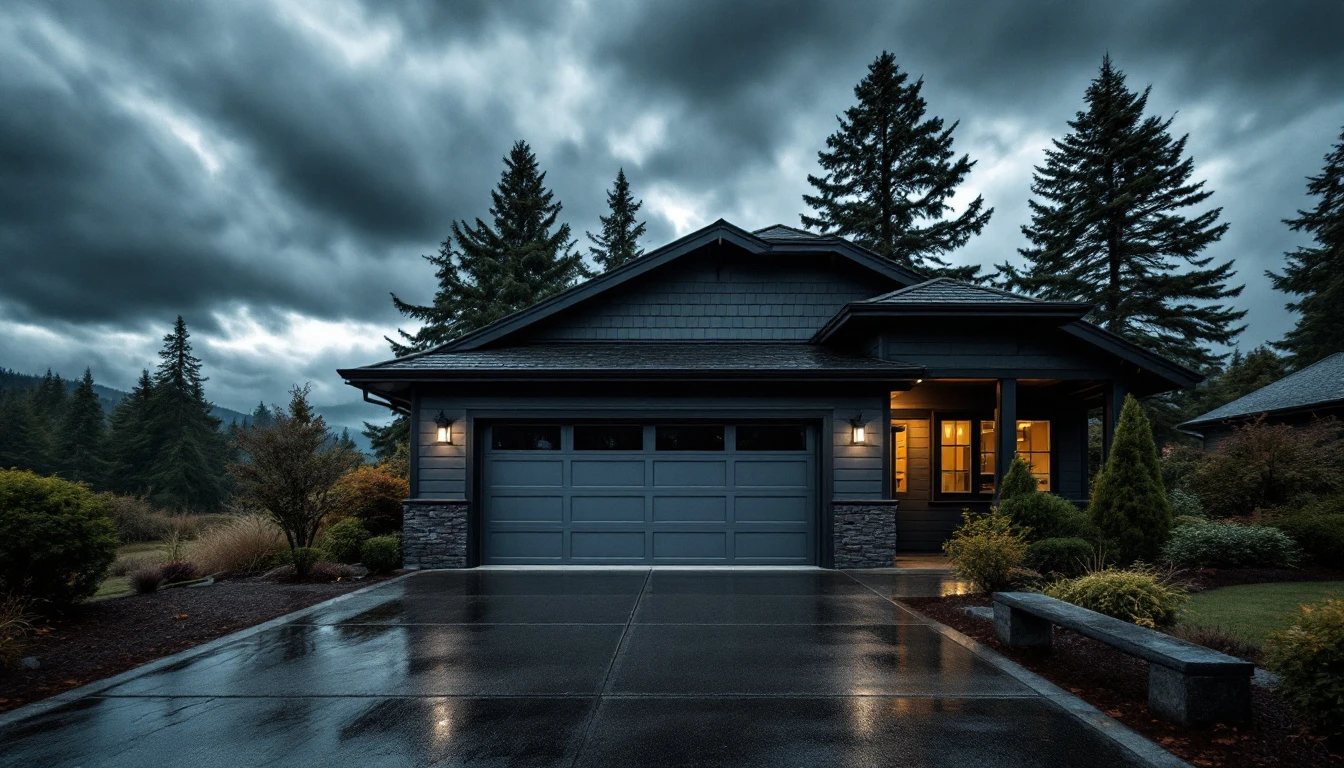
Living near the Kalama and Columbia Rivers exposes garage doors to constant moisture that accelerates rust, warps wood, and degrades seals faster than inland conditions. Understanding garage door humidity Kalama homeowners face helps you protect your investment from riverside moisture damage.
Kalama’s proximity to two major rivers
Kalama sits between the Columbia and Kalama Rivers, creating a moisture-rich environment that attacks garage doors year-round. This constant riverside humidity accelerates corrosion on metal components much faster than you’d see just ten miles inland. The damp air doesn’t take seasonal breaks—it works continuously to break down your garage door’s critical parts.
Metal springs, tracks, and mounting hardware develop rust that weakens structural integrity and causes grinding, jerky operation. Wood panels absorb moisture, leading to warping that throws doors out of alignment and rot that compromises panel strength. Rubber weatherstripping and seals fail prematurely as humidity breaks down their flexibility, creating gaps that let even more moisture inside your garage.
April is the critical window before summer
April is the critical window before summer humidity peaks—preventive action now avoids emergency repairs later.
Riverside properties in Kalama face their highest moisture loads from June through September, when warm air holds more water vapor from the Columbia and Kalama Rivers. Implementing moisture control garage doors near rivers need before summer arrives protects your garage door components during the most damaging months.
Three Core Humidity-Control Strategies for Riverside Garage Door Rust Prevention
Preventing riverside humidity damage requires addressing moisture at three distinct points: where it enters, how it accumulates, and what it contacts. Each strategy targets a different failure mode in your garage door system, directly combating riverside garage door rust prevention challenges.
Weatherstripping Replacement: The First Line of Defense
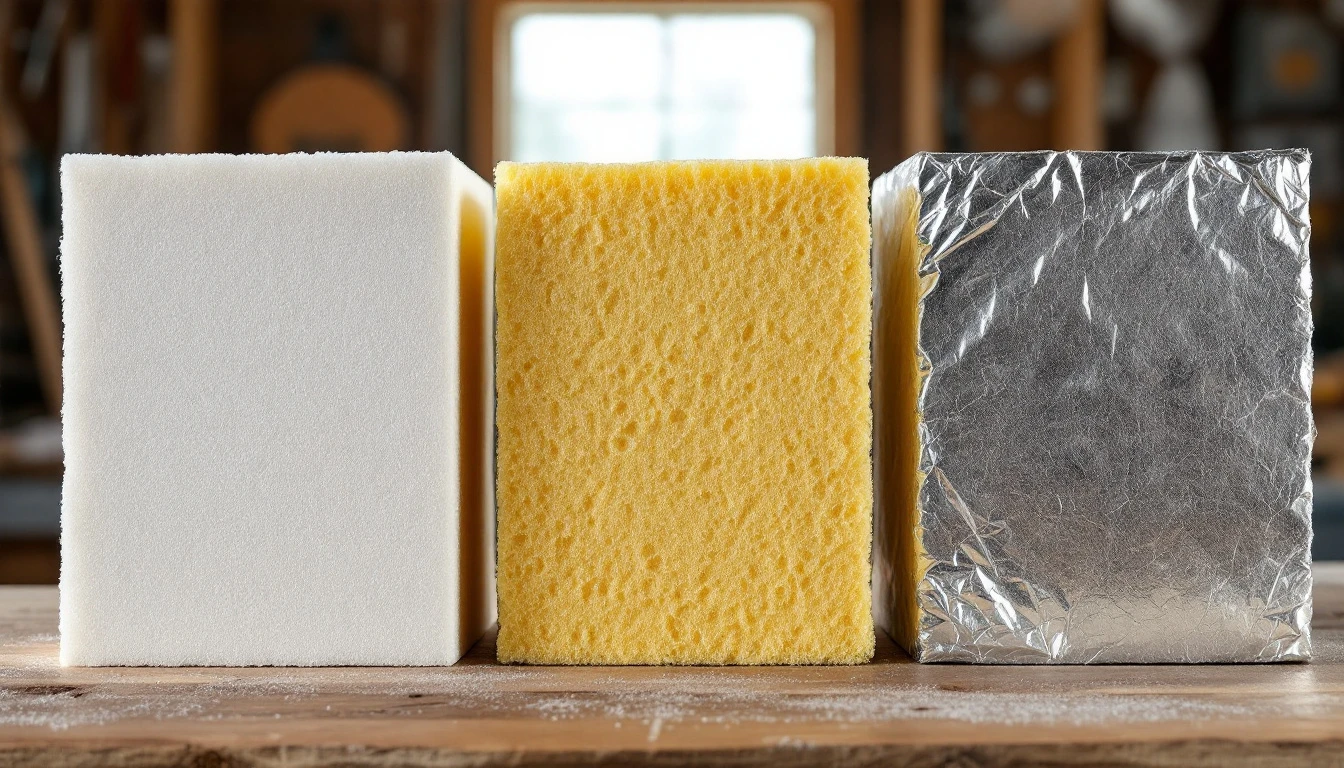
Moisture enters garages primarily through gaps between the door and its frame. Replacing deteriorated weatherstripping creates an airtight barrier that blocks humid air infiltration. Silicone-based weatherstripping outperforms vinyl in riverside climates because it maintains flexibility in Kalama’s cold winters and resists UV degradation during summer exposure. Install fresh weatherstripping along the door bottom, sides, and top seal. Garage door weatherstripping North Clark County homeowners use should be inspected and replaced before spring humidity arrives. This intervention works immediately—the moment you compress new seals against the door frame, you stop moisture entry.
Interior Dehumidification: Managing the Air You Can’t Keep Out
Even well-sealed garages accumulate moisture through concrete slab evaporation and temperature cycling. A dehumidifier actively removes water vapor from interior air, keeping relative humidity below the threshold where rust and rot occur. For passive ventilation, install screened vents near the garage ceiling to let warm, moisture-laden air escape naturally. Active dehumidification produces results within days, while passive ventilation works over weeks as air exchanges gradually.
Protective Coatings: Armor for Exposed Metal
Rust inhibitor sprays create a moisture-repellent film on springs, hinges, rollers, and tracks. Apply zinc-rich or lanolin-based products directly to bare metal surfaces—these coatings don’t prevent moisture contact, but they block the electrochemical reaction that creates rust. Reapply every six months. The protective layer begins working immediately but delivers maximum benefit over months as it prevents cumulative corrosion damage that would otherwise compound with each humidity cycle.
April Inspection Checklist
Set aside 15–20 minutes this April to walk through a simple garage door inspection that catches moisture damage before it becomes expensive. This checklist focuses on the three areas where Kalama River humidity garage door damage occurs most visibly:
- Metal components
- Weatherstripping
- Door operation
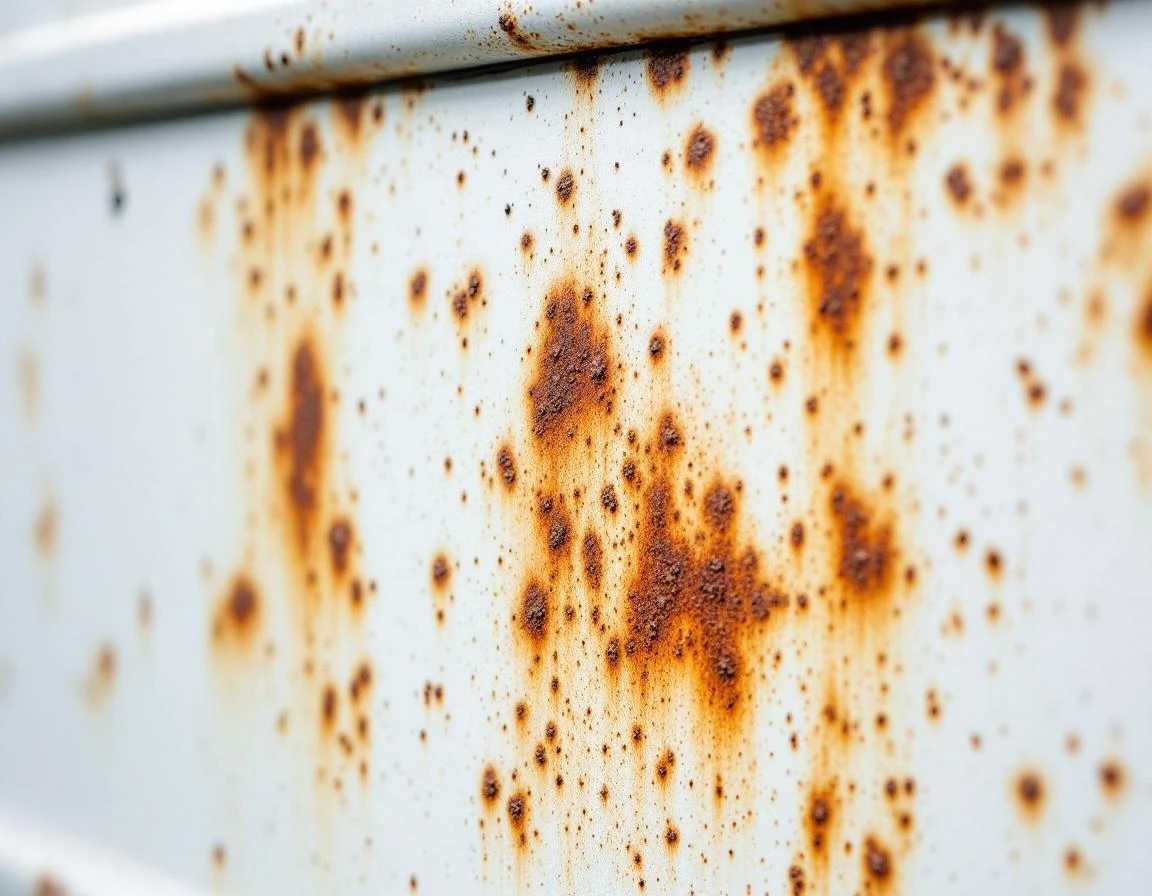
Start with a visual rust scan. Crouch down and examine the bottom of each vertical track where water pools. Check the torsion springs above the door and extension springs along the horizontal tracks—early rust appears as small orange or brown spots, not full-scale corrosion. Inspect each hinge where the door sections connect. If you find rust spots, they signal moisture has already penetrated your garage space. Light surface rust needs immediate cleaning and protective coating application. Heavier rust buildup or flaking metal means calling Garage Harmony for component replacement before failure occurs.
Next, perform the weatherstripping flex test. Press your fingers along the rubber seal at the bottom of the door and around the sides. Healthy weatherstripping flexes and springs back. Cracked, hardened, or torn sections allow moisture infiltration—exactly what the previous section’s humidity-control strategies prevent. Replace damaged weatherstripping immediately; this is a simple DIY task that stops moisture entry.
Finally, assess door operation. Open and close the door completely, watching and listening. Smooth, quiet movement indicates proper function. Sticking at certain points, grinding noises, or jerking motion signal internal rust buildup on rollers, tracks, or springs—moisture damage you cannot see without disassembly. These symptoms require professional inspection to determine whether cleaning, lubrication, or component replacement is needed.
Monthly Maintenance Tasks
Breaking your garage door care into monthly clusters tied to Kalama’s seasonal humidity patterns keeps moisture damage from gaining ground. Each season brings specific threats, so your maintenance calendar should shift with the weather patterns rolling off the Columbia River. Learning how to protect garage doors from humidity year-round prevents seasonal damage spikes.
April–June: Spring Renewal
Start your year in April by cleaning metal tracks with a dry cloth to remove winter grime and salt residue that accelerates corrosion. Lubricate hinges and rollers with silicone-based spray every six weeks during these months when humidity begins climbing. Inspect weatherstripping around door perimeters and reseal any gaps where moisture penetrates—even quarter-inch openings let humid air flood your garage interior.
July–September: Peak Humidity Protection
Summer’s moisture peak demands tighter monitoring. Check your dehumidifier weekly if you’re running one, and verify weatherstrip integrity monthly by running your hand along seals during windy days to feel for air movement. Inspect hardware monthly for new rust formation on springs, rollers, and track brackets. Apply fresh lubricant every six weeks to keep protective coatings intact on moving parts.
October: Pre-Winter Deep Clean
October gives you one final window before cold weather locks in. Perform a thorough track cleaning, apply fresh lubricant to all moving components, and replace any weatherstripping that showed wear during your summer inspections. This deep clean protects your door through winter when repair delays stretch longest.
DIY vs Professional Repair Costs
Understanding the financial stakes helps you make smart decisions about garage door maintenance riverside properties in North Clark County require.
A homeowner who invests $200–300 in April preventive maintenance typically avoids $2,000+ in emergency replacement costs later.
The math is simple: small interventions now prevent catastrophic failures during Kalama’s high-humidity summer months.
Here’s a practical decision framework. If you spot surface rust on tracks or hinges, DIY treatment with rust converter and touch-up coating costs $30–100 versus $200–500 for professional service. Weatherstripping showing cracks or loss of flexibility? DIY replacement runs $40–80 compared to $150–250 for professional installation. Both are manageable weekend projects that protect against moisture entry.
When should you call Garage Harmony instead? If you notice a spring has visible rust pitting or the door feels heavier when lifting, stop. Spring replacement costs $300–600 per spring professionally, but attempting DIY spring work risks serious injury. Similarly, if wood panels show rot extending beyond surface damage, full door replacement ($1,200–3,000+) may be necessary.
The return on investment is clear. Spending $100 on rust treatment in April prevents spring corrosion. Replacing weatherstripping for $60 blocks the moisture that would otherwise cause wood rot requiring a $2,000 door replacement. Small investments in prevention deliver massive savings by stopping damage before it spreads.
When to Call a Professional
Some garage door problems require more than a weekend DIY approach. Knowing when to call Garage Harmony helps you avoid safety hazards and prevent minor issues from becoming expensive failures.
Rust on springs, cables, or pulleys demands immediate professional assessment.
These components bear the full weight of your door—typically 150 to 300 pounds in Kalama’s standard attached two-car garages. Corrosion weakens load-bearing capacity unpredictably, creating a genuine safety risk. Springs under tension can snap without warning when compromised by rust, potentially causing injury or property damage.
Persistent seal failure or water pooling inside your garage signals problems beyond simple weatherstripping replacement. If you’ve replaced weatherstripping twice in one season and moisture still enters, you’re likely facing structural settling issues, improper door installation, or foundation problems common in riverside properties near the Columbia River. These require diagnostic equipment and structural expertise.
Door misalignment, grinding noises, or intermittent operation often indicate rust-driven track damage. Corrected tracks develop rough spots and deformities that require specialized straightening tools and precision adjustments. Attempting track repairs without proper equipment can worsen the problem.
The bottom line: If you spotted rust during your April inspection or notice any of these warning signs, contact us today for a professional assessment. Early intervention costs far less than emergency spring replacement.