Columbia Gorge Garage Door Ice Storms and Winter Climate Hazards
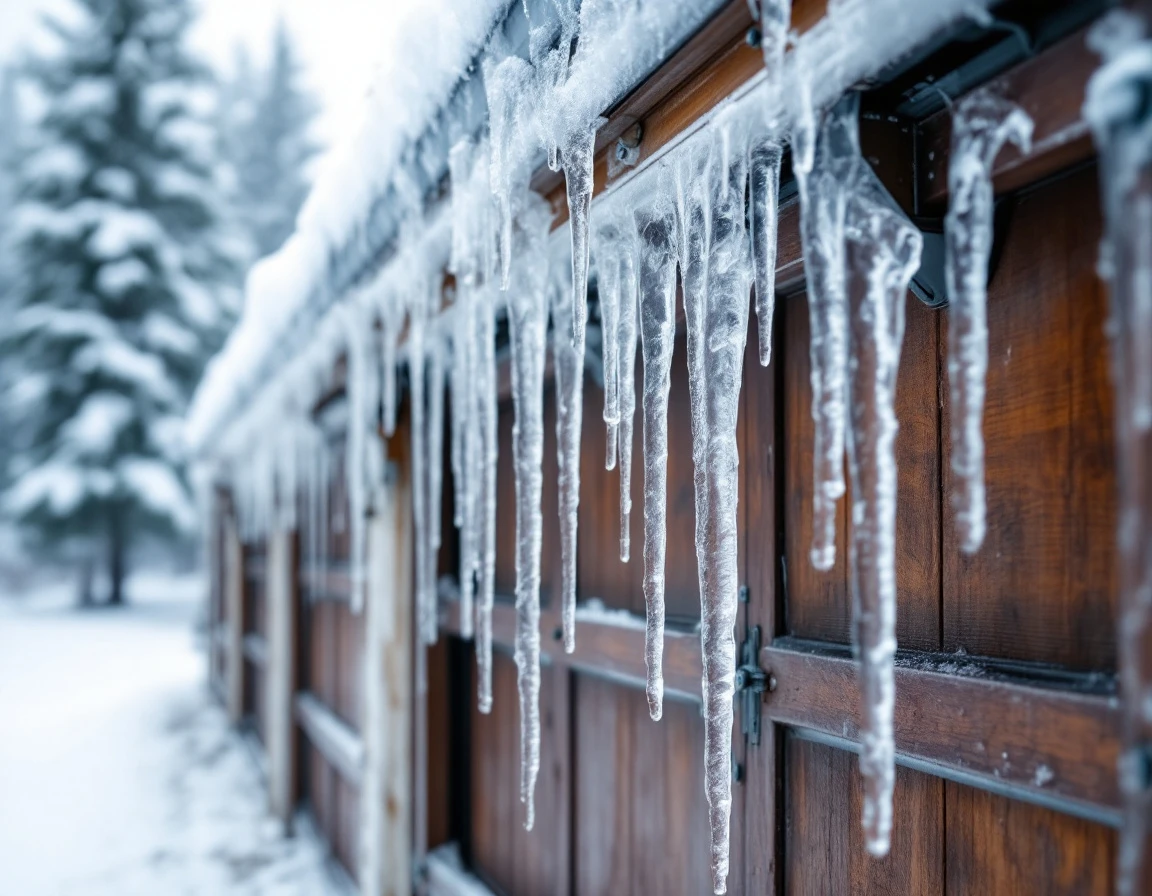
The Columbia Gorge creates a weather funnel unlike anywhere else in the Pacific Northwest. Columbia Gorge garage door ice storms occur when Arctic air masses push westward through the Gorge corridor, colliding with moisture from the Pacific and producing ice storms that paralyze the region from Hood River to Stevenson. These storms don’t just coat roads—they freeze garage door tracks solid, making doors impossible to open when you need them most.
The Gorge effect amplifies moisture exposure beyond typical Portland-area patterns. Constant wind-driven rain saturates metal components, accelerating rust formation on springs, hinges, and rollers. Even galvanized steel deteriorates faster here than in sheltered valleys. When temperatures plunge into the 20s during January cold snaps—common in Stevenson’s historical weather records—that moisture turns to ice inside track channels and around weatherstripping.
Thermal cycling creates mechanical stress that breaks components over time. A door might face 40°F at noon and 28°F by sunset, causing metal to expand and contract repeatedly. Springs lose tension, hinges crack, and plastic rollers become brittle. Between November and February, these hazards converge into a perfect storm for garage door failures.
Without pre-season preparation, homeowners join emergency repair backlogs when ice storms hit, facing thousands in damage costs and days without vehicle access.
Five Essential Winterization Tasks for Garage Door Ice Storm Damage Prevention
Columbia Gorge homeowners can protect their garage doors from ice storm damage by completing five targeted winterization tasks between June and July. Each task addresses a specific winter hazard that causes emergency failures when November’s freezing east winds arrive.
Task 1: Inspect and Lubricate Tracks with Cold-Weather Formula
Replace summer lubricants with cold-weather silicone spray that prevents moisture freeze-up. Check tracks for rust pitting or bent sections that trap ice. This task prevents frozen garage door tracks that stop doors mid-operation during ice storms. Most homeowners can complete this DIY, but call a professional if tracks show structural damage.
Task 2: Check Weatherstripping and Seals for Gaps and Brittleness
Examine rubber seals along door edges and bottom weatherstripping for cracks, brittleness, or gaps wider than a credit card. Replace worn seals before cold temperatures make rubber inflexible. Failed weatherstripping allows moisture infiltration that freezes doors to concrete floors—a common Hood River emergency call. This is a basic DIY project available at hardware stores.
Task 3: Test Thermal Expansion Limits on Springs and Hardware
Springs contract in cold weather, increasing tension beyond safe limits. Have a professional inspect spring tension and hardware mounting points for stress cracks. This task requires specialized equipment and prevents catastrophic spring failures during winter temperature swings between 28°F nights and 42°F days. Never attempt spring adjustment yourself.
Task 4: Clean Drainage Channels to Prevent Ice Dam Formation
Clear debris from door frame drainage channels and threshold weep holes. Blocked drainage creates ice dams that jam door operation and damage bottom sections. Use a wire brush and compressed air to remove packed dirt. This simple DIY task takes 15 minutes but prevents expensive panel replacement.
Task 5: Verify Opener Calibration for Cold-Weather Performance
Test opener auto-reverse sensitivity and force settings before cold weather thickens lubricants and increases door weight. Have a professional recalibrate if the door reverses unexpectedly or struggles to close fully. Proper calibration prevents opener motor burnout during January ice storms when you need reliable operation most.
Garage Door Thermal Expansion Planning
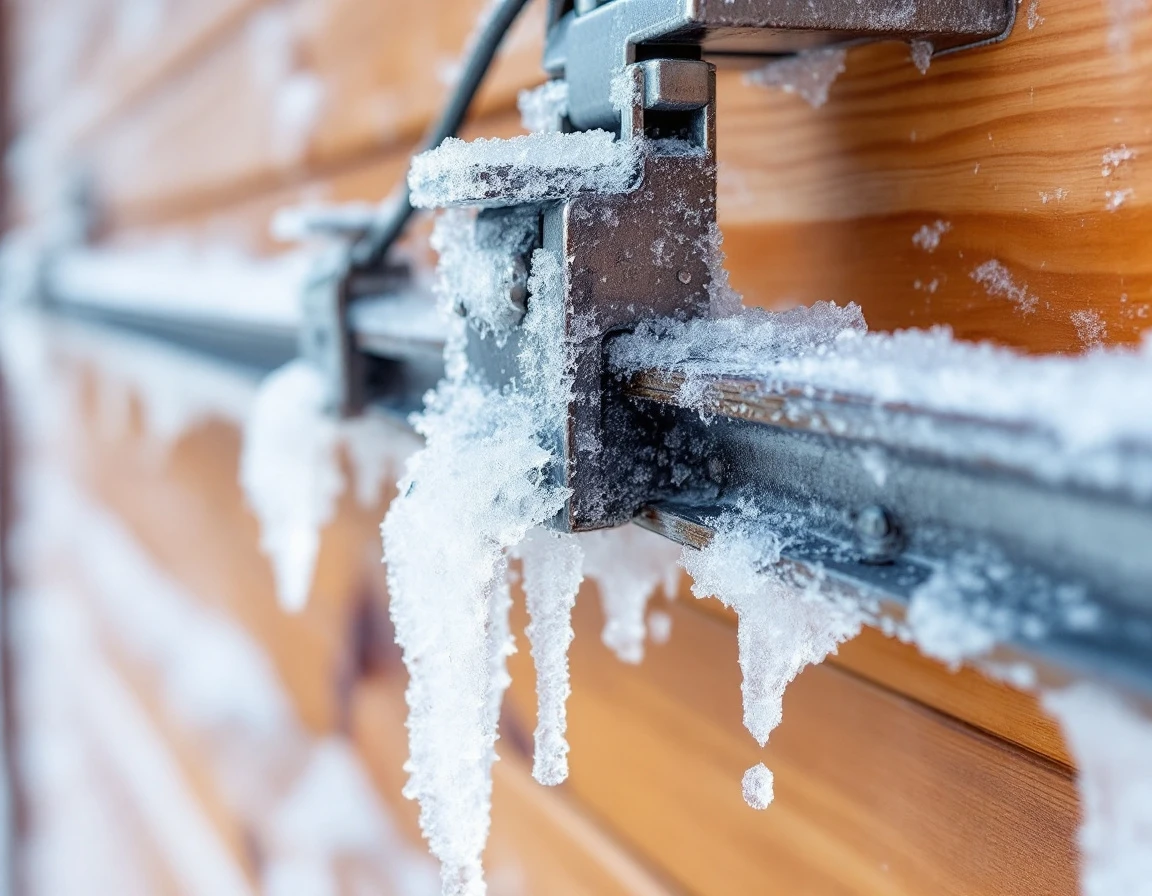
The Columbia Gorge’s extreme temperature swings create unique challenges for garage doors. Metal components—particularly springs and tracks—contract in freezing temperatures, which reduces spring tension and can throw your door’s balance off completely. When temperatures drop below 32°F, springs lose preload, making doors harder to lift manually or causing automatic openers to strain.
Different panel materials respond differently to thermal stress. Steel panels contract uniformly, but composite panels can expand and contract unevenly, creating gaps or binding in tracks. The Gorge’s rapid freeze-thaw cycles compound this problem: a single winter day might start at 28°F, warm to 45°F by afternoon, then plunge again at sunset, creating multiple stress cycles that age components faster than normal winter conditions.
Before November arrives, steel and aluminum doors need professional inspection to verify spring tension and track alignment. Composite doors typically handle temperature swings better but should still be checked if you notice binding or uneven movement. Budget $150-$250 for cold-weather adjustment services that include spring tension recalibration and thermal gap assessment.
Frozen Garage Door Tracks Prevention in Stevenson
Frozen garage door tracks cause more emergency calls in the Columbia Gorge than any other winter problem. When the Gorge effect pulls moisture through the river corridor and temperatures drop below freezing, water accumulates in track channels and freezes solid—often within hours of the first hard freeze in November. Ice buildup prevents smooth door movement and forces your opener motor to strain against resistance it wasn’t built to handle.
What warning signs should you watch for? After the first November freeze, pay attention to resistance when opening, grinding sounds from the tracks, or doors that won’t complete their full opening cycle. These symptoms tell you ice has already formed.
The three-part prevention approach stops ice before it develops:
- First. Apply cold-weather track lubricant formulated specifically for sub-freezing temperatures—standard lubricants thicken and fail when temperatures drop.
- Second. Clean all debris from track channels before winter arrives, since leaves and dirt trap moisture.
- Third. Improve drainage around your door frame by clearing gutters and grading soil away from the garage foundation. Better drainage stops water accumulation before freezing begins.
Moisture Control and Rust Prevention
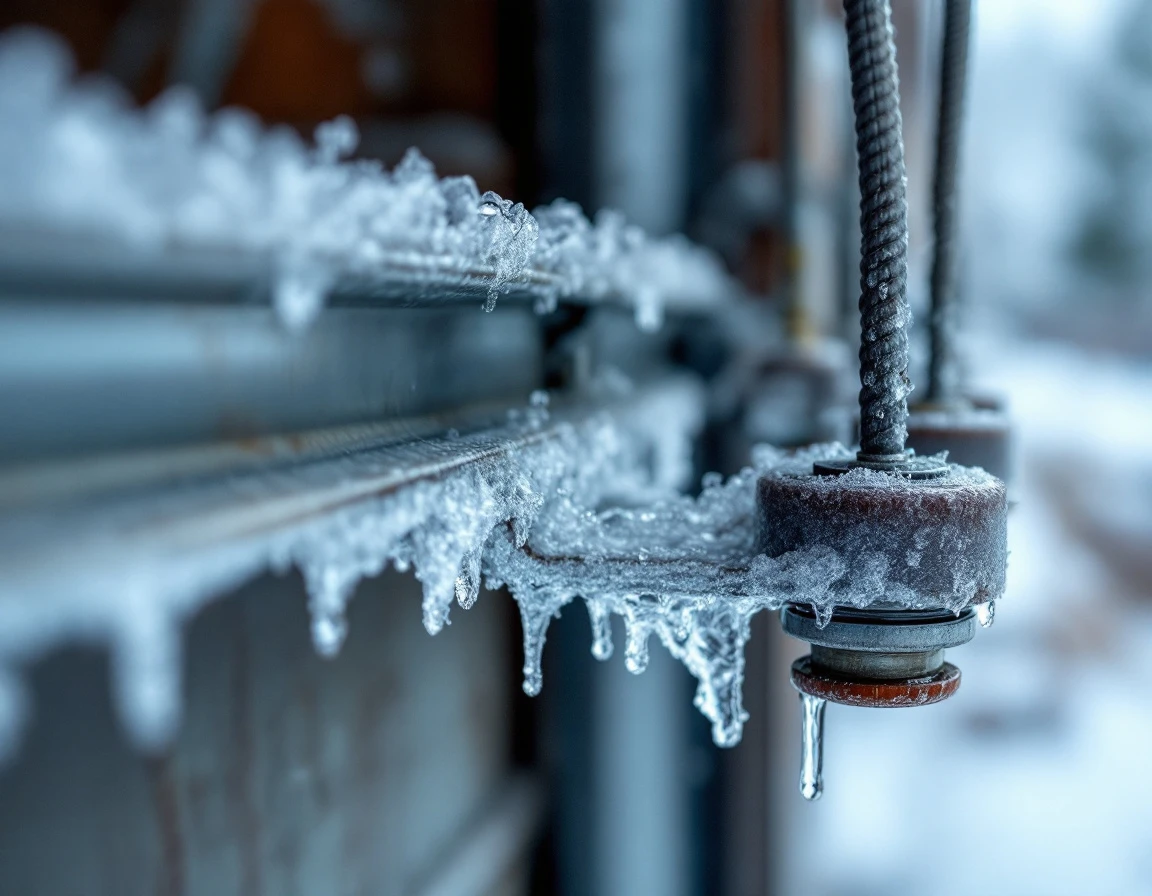
The Columbia Gorge’s wind tunnel effect doesn’t just create the legendary conditions that draw windsurfers to Hood River—it also pulls moisture from the Columbia River inland, creating year-round rust conditions that threaten your garage door components. Steel springs, roller shafts, and hinges face constant exposure to moisture saturation, accelerating corrosion that weakens critical parts long before visible rust appears.
What many homeowners don’t realize is that condensation forming inside your garage during freeze-thaw cycles poses just as much risk as exterior moisture. When temperatures swing rapidly—common throughout the Gorge from Cascade Locks to Stevenson—warm air trapped in sealed garages condenses on cold metal components, creating the perfect environment for rust to develop on springs and hardware.
Start your moisture control by inspecting weatherstripping around your garage door. Brittle, cracked weatherstripping allows moisture infiltration during freeze-thaw cycles, turning your garage into a condensation trap. Replace any weatherstripping that has lost flexibility. Next, your garage should have adequate ventilation—small vents near the ceiling allow moisture to escape rather than condensing on springs. Finally, examine springs and roller shafts monthly for early rust signs: orange discoloration, rough texture, or flaking. Catching rust early prevents spring failure and the emergency repair costs that follow when springs snap under cold-weather stress.
Professional Inspection Decision Tree
Not every winterization task requires calling Garage Harmony. Simple maintenance like cleaning tracks with a damp cloth or testing your opener’s auto-reverse feature falls into the green zone—safe DIY tasks you can handle in an afternoon. Check weatherstripping for gaps by closing your door on a dollar bill; if it pulls out easily, replacement is a simple DIY project.
The yellow zone requires homeowner observation plus professional assessment. Can you spot visible wear on springs or cables? Does your door hesitate when opening? These observations help our team diagnose problems during a scheduled inspection. The red zone demands immediate professional service: rust patches on torsion springs, doors that close unevenly, or openers that struggle in cold weather all signal safety hazards.
Schedule your professional inspection by September. June preventive service typically costs $120-$180 for spring testing, thermal load assessment, and opener calibration. Wait until January when ice storms hit? Emergency calls run $300-$450 with limited availability as Gorge homeowners compete for the same service slots.