Winter Damage Risk in Portland Metro
Portland’s cool, wet winters create conditions that accelerate garage door wear and lead to costly failures when spring arrives. A garage door spring inspection Portland homeowners complete before April can prevent expensive emergency repairs and keep your system running smoothly through the season.
Freeze-thaw cycles and heavy rain create specific
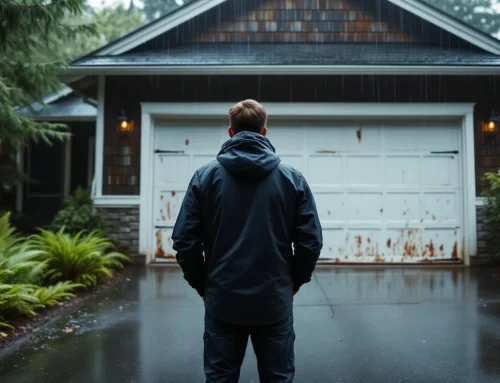
Portland’s winter weather takes a unique toll on garage door springs. When temperatures swing from freezing nights to warmer days, moisture seeps into metal components and expands as it freezes, weakening spring tension and accelerating metal fatigue. Heavy rain compounds the problem, promoting rust on spring coils and rollers.
This combination creates a predictable failure pattern. Springs stressed by freeze-thaw cycles often break during the first warm spell when homeowners resume regular garage use. That’s why April sees the highest demand for emergency repairs across the Portland metro area. Early inspection catches these winter-damaged components before they fail completely, saving you from inconvenient breakdowns and higher emergency service rates.
“Spring failures impose greater costs when addressed reactively rather than through preventive maintenance.”
Here’s a frustrating reality Portland homeowners face every April: a broken garage door spring that could have been prevented with a simple inspection now costs three to five times more in emergency repairs. Why the price jump? Emergency service calls command premium rates. And a failed spring often damages other components like cables, rollers, and drum assemblies during its sudden failure.
Portland’s winter weather creates the perfect conditions for expensive spring breakdowns. Months of moisture infiltration from our constant rain weakens metal springs through gradual corrosion. Temperature swings between freezing nights and mild days cause metal fatigue as springs expand and contract repeatedly. This same moisture damages tracks, causing misalignment, and deteriorates rubber seals around doors, allowing even more water intrusion.
A preventive tune-up after winter catches these winter-weakened components while they’re still serviceable. Our team can lubricate springs to prevent rust progression, adjust track alignment before it causes premature wear, and replace deteriorating seals before water damage spreads. Spending a small amount on prevention now beats paying emergency rates when your spring snaps on a busy Saturday morning.
Essential Spring Inspection Checklist
Before Portland’s April heat wave hits, complete this garage door inspection checklist to identify winter damage before it becomes an emergency repair. Plan for 45-60 minutes to thoroughly check your garage door system. This is a diagnostic inspection only—not a repair session.
Spring Condition Assessment
Examine both torsion springs (mounted above the door) or extension springs (alongside the tracks) for warning signs. Look for rust streaks running down from the coils—common in our Pacific Northwest climate where moisture accelerates corrosion. Check for uneven coiling or visible gaps between spring coils, which indicate micro-fractures developing inside the metal. If you notice these signs, the spring is nearing failure.
Balance Test Procedure
Disconnect your opener (pull the red release handle) and manually lift the door halfway, then release it. A properly balanced door should hold steady at this position. If it drops or rises, your springs have lost tension and need professional adjustment. For automatic openers, a door that struggles to stay open signals the same problem.
Track and Roller Inspection
Inspect metal tracks for bent sections or alignment issues—freeze-thaw cycles often shift track mounting brackets during Portland winters. Check roller wheels for flat spots, cracks, or binding. Examine weatherstripping along the bottom and sides for tears or compression damage from ice and moisture.
Safety System Testing
Test photo-eye sensors by placing an object in the door’s path during closing—the door should reverse immediately. Press the wall button to close the door, then push the button again mid-cycle to verify reversal function. Both systems must respond instantly.
Download our printable checklist to track your findings and note any items requiring professional attention from Garage Harmony.
Three Maintenance Tasks to Prevent Failures
Three targeted seasonal garage door maintenance tips, each backed by service records from across Portland-area neighborhoods like Hawthorne and Cedar Hills, address the specific weaknesses that winter weather creates in garage door systems. Together, these tasks take under an hour and require only basic materials—versus the costly emergency repairs you’d face if a spring breaks or your opener fails during the season when you need it most.
- Task 1: Clean and Lubricate Tracks, Rollers, and Hinges – Portland’s persistent rain leaves mineral deposits and debris in your garage door tracks, creating friction points that accelerate wear. Use a damp cloth to wipe down the tracks, removing any mud, leaf matter, or rain residue. Apply white lithium grease to the tracks, rollers, and hinge pivot points—this coating prevents corrosion from moisture while reducing binding during operation. A single tube of grease is an economical maintenance supply that handles this entire process.
- Task 2: Replace Worn Weatherstripping and Door Seals – Spring rainfall makes weatherstripping your primary defense against moisture infiltration that damages opener electronics and corrodes springs. Inspect the rubber gaskets along the door edges and the bottom seal for cracks, gaps, or compression damage. Replacement materials run $30 to $80 for DIY installation, or $150 to $250 if you prefer professional service. Fresh seals protect not just the door mechanism but also your stored belongings from water damage.
- Task 3: Test and Adjust Opener Force Settings – Your opener’s force limits determine whether the door reverses when it encounters resistance—a safety feature that prevents injuries and equipment damage. Grab an adjustable wrench and locate the force adjustment screws on your opener unit (consult your manufacturer’s manual for exact location). Place a 2×4 board flat on the floor under the door path, then activate the close cycle. The door should reverse immediately upon contact. If it continues pushing or fails to reverse, adjust the down-force screw in quarter-turn increments until proper reversal occurs.
DIY vs. Professional Service Decision
Let’s be clear: inspection, cleaning, lubrication, and weatherstripping replacement are completely safe for homeowners to handle. These routine maintenance tasks require basic tools and minimal technical knowledge. You can inspect springs for rust, clean tracks, apply silicone lubricant, and replace rubber seals without risk. When to service your garage door professionally depends on what your inspection reveals.
Spring repair, cable replacement, and opener motor work require professional expertise. Why? Garage door springs operate under 200+ pounds of tension—enough force to cause serious injury or death if released improperly. Professionals have specialized tools, safety training, and liability insurance. Attempting spring work yourself isn’t just dangerous; it voids warranties and creates legal liability.
If your inspection reveals rust pitting on springs, frayed or bent cables, or a balance test showing the door drops more than two inches, stop immediately and call a professional. These conditions indicate imminent failure requiring expert intervention.
Portland metro pricing provides helpful context. Spring replacement runs $800-1,500 through professional service. While a DIY weather seal kit costs just $30-80. Cable replacement averages $200-400, and opener motor repairs typically cost $150-300 for a service call. The cost difference reflects not just labor, but specialized equipment and safety protocols that protect both you and your investment.
Handle what’s safe, recognize what’s dangerous, and know when to call Garage Harmony for expert help.
April Peak Repair Demand and Pricing
When spring arrives in the Portland metro, garage door repair companies experience a surge in emergency calls as homeowners discover winter damage all at once. The combination of warmer temperatures, spring cleaning projects, and increased outdoor activity exposes failures that have been developing since January. What starts as a slight hesitation when you press the opener button quickly becomes a door that won’t move at all.
During this peak demand period from mid-April through May, you’ll face two major challenges: extended wait times and premium pricing. Most reputable companies book out 2-3 weeks for non-emergency service, and emergency repairs carry surcharges of 20-50% above standard rates. A spring replacement that costs $800-1,200 during normal periods jumps to $1,000-1,500+ when you need it done today. Cable repairs climb from $200-350 to $300-450+, and opener repairs increase from $150-300 to $200-400+.
Here’s the financial reality: a $200 preventive tune-up after winter completed before April protects you from these inflated costs and guarantees scheduling without the stress of competing with dozens of other homeowners. Even better, that tune-up often uncovers minor issues that cost $50-100 to fix now but would cascade into $1,000+ emergency repairs if left unaddressed. Contact us today to schedule your pre-April garage door spring inspection Portland and lock in standard pricing before the spring rush hits.