Why Heavy-Duty Garages Need Spring Prep
Woodland-area properties face a unique combination of environmental stresses that make spring maintenance essential for workshop garages handling heavy-duty systems. The foothills location brings heavier snow accumulation than Portland lowlands, creating sustained roof loads throughout winter months. When temperatures swing between freezing nights and warmer days, that freeze-thaw cycling pushes moisture into garage door tracks, springs, and opener mechanisms—then expands as ice, accelerating wear patterns you won’t see in climate-controlled residential garages.
Workshop garage maintenance differs from standard residential care because equipment storage garages handle different mechanical demands than a garage that simply shelters vehicles. Your door system operates more frequently, carries heavier loads when moving tractors or ATVs in and out, and faces year-round use rather than seasonal patterns. Springs maintain constant tension supporting commercial-grade doors, tracks guide heavier panels, and openers work harder with each cycle.
Spring represents your critical maintenance window before summer work begins. Once you’re running equipment daily for property maintenance, forestry work, or agricultural tasks, a garage door failure doesn’t just inconvenience you—it blocks access to tools and machinery when you need them most.
Addressing winter damage now prevents mid-July breakdowns that halt productivity during peak season.
Structural Integrity Inspection for Woodland Garage Maintenance Heavy-Duty Systems
Start your spring inspection where foundation meets floor. Woodland-area workshop garages face unique stress from foothills snow loads and freeze-thaw cycling that can compromise structural integrity over time. Walk the perimeter of your garage, looking for cracks wider than 1/8 inch in the foundation or floor slab. Pay special attention to corners and areas where heavy equipment is regularly stored—tool cabinets, welders, and compressors concentrate weight that compounds seasonal stress.
Check your garage frame for signs of stress using a carpenter’s level along door headers and wall plates. Doors that suddenly bind or resist opening often signal frame settlement or shifting. Look for gaps between wall panels and framing members, especially on the side facing prevailing winter winds. Temperature cycling causes materials to expand and contract at different rates, creating separation points where moisture can penetrate.
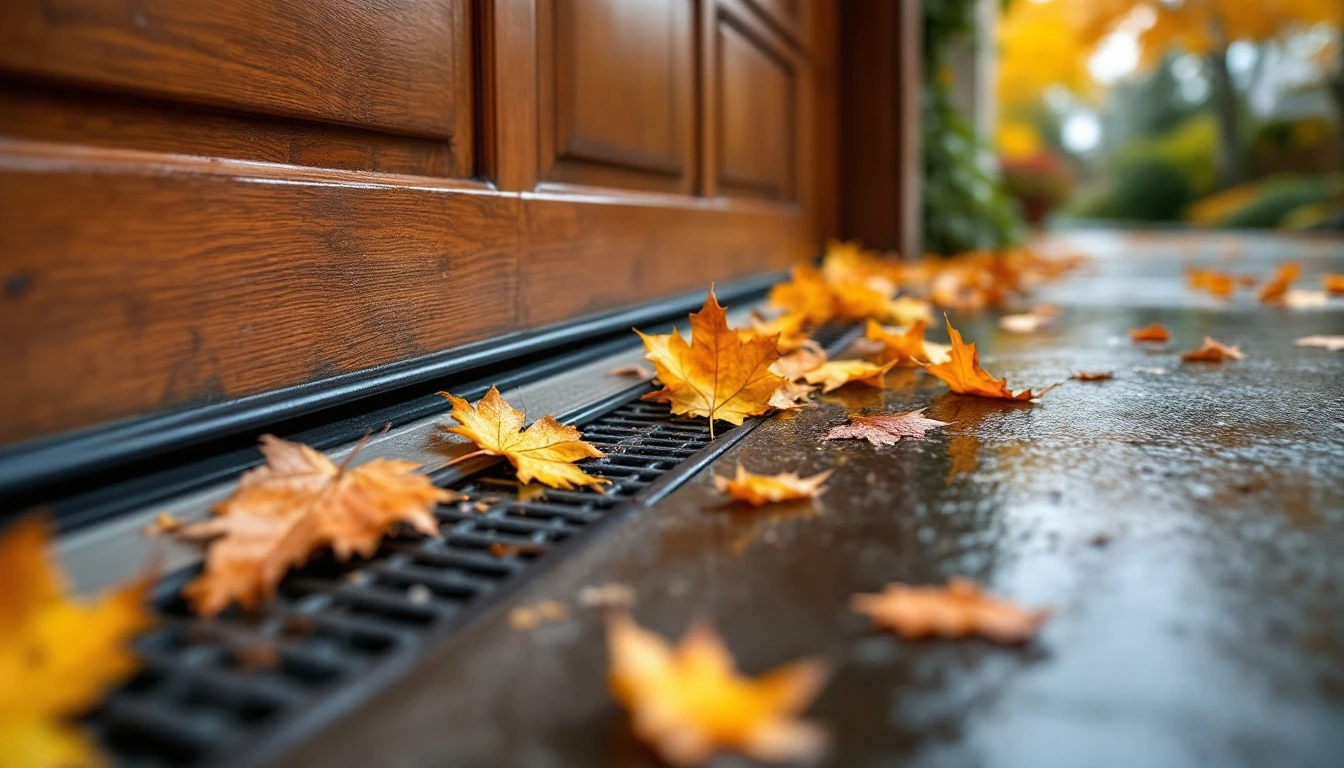
Weatherstripping around doors and windows deserves close attention after a hard winter. Press firmly along all seals, feeling for hardened, cracked, or missing sections. Check the threshold seal where your garage door meets the floor—this takes the brunt of snow melt and debris. Run your hand along the vertical track on both sides of the door while someone slowly opens it. Any wobble or irregular movement indicates misalignment from structural settling.
When should you call a professional? Cracks wider than 1/4 inch, doors that won’t open smoothly despite track cleaning, or visible gaps between frame members all warrant expert assessment.
Foundation issues and major frame repairs exceed DIY scope and can worsen quickly if ignored.
Contact us today if your inspection reveals structural concerns—catching problems early prevents season-disrupting failures when you need your workshop most.
Spring Inspection: Foundation
Start your foundation inspection at the perimeter of your workshop garage, looking for horizontal cracks wider than 1/4 inch — these indicate freeze-thaw damage common in Woodland’s winter cycles. Water staining appears as dark, rust-colored patches on concrete, especially near floor drains and along the base of walls where snowmelt seeps in. Check corners where equipment storage garage areas meet exterior walls, as these zones collect the most moisture.
Heavy equipment creates visible settlement patterns. Walk the floor looking for depressions or slopes near workbenches and storage racks where concentrated weight has compressed the soil beneath your slab. If a marble rolls consistently toward one corner, you’ve found uneven settling. Cracks radiating from these low spots suggest the foundation is responding to equipment loads. Measure crack widths with a quarter — anything wider requires professional assessment to determine if structural reinforcement is necessary before summer work begins.
Weatherproofing and Seals
Temperature swings between 30°F winter nights and 58°F spring days in the Woodland foothills create expansion-contraction cycles that crack caulking and compress weatherstripping. Spring moisture from Lewis River valley fog and rainfall accelerates this degradation, leaving gaps where cold air, dust, and water infiltrate workshop spaces.
Check door weatherstripping by closing the garage door and looking for daylight along all edges. Run your hand along seals to feel for brittleness or missing sections. Inspect caulking around window frames, electrical conduit entry points, and ventilation penetrations for cracks or gaps wider than 1/8 inch.
DIY weatherstripping replacement costs $40-80 for materials and takes 2-3 hours. Remove old strips with a putty knife, clean surfaces with rubbing alcohol, and install new adhesive-backed seals following manufacturer compression specifications. Re-caulk gaps before April rains arrive using exterior-grade silicone ($6-12 per tube). Professional weatherproofing runs $200-400 but means proper seal compression for heavy workshop doors.
Mechanical Systems and Openers
Your garage door opener bears the brunt of Woodland’s freeze-thaw cycles and the constant weight of heavy equipment traffic. When temperatures swing from 30°F winter nights to 55°F spring afternoons, metal components expand and contract, weakening springs and fraying cables. Heavy-duty garage systems in snow load environments experience more stress than standard residential models—and spring is when accumulated stress reveals itself through sluggish operation or complete failure.
Safety sensors and automatic reversal systems need special attention in workshop environments. Dust from cutting tools, wood debris, and seasonal mud tracked in from rural properties can coat sensor eyes, preventing proper alignment. Test your safety system monthly by placing a 2×4 flat under the door path—the door should reverse immediately upon contact. If it hesitates or pushes through, your sensors need cleaning or professional recalibration before summer work begins.
Spring Maintenance Sequence
Start with thorough track cleaning using a stiff brush and degreaser to remove winter grime and accumulated dust. Wipe down rollers, hinges, and springs with a clean cloth. Apply garage door-specific lubricant (not WD-40, which attracts dirt) to springs, roller bearings, hinges, and the opener chain or screw drive. Run the door through several complete cycles, listening for grinding or squealing that indicates deeper mechanical problems.
Here’s what belongs on your DIY list:
- Cleaning tracks and hardware
- Applying lubricant to accessible moving parts
- Testing safety sensors
- Checking weatherstripping contact
Leave spring replacement, cable adjustment, and opener motor diagnostics to professionals—these components store dangerous tension and require specialized tools.
In foothills areas like Amboy where snow load garage maintenance demands more attention, professional inspection every two years helps catch wear before springs snap mid-season.
When to Replace Your Opener
If your opener struggles to lift the door, runs loudly despite fresh lubrication, or requires multiple button presses to operate, replacement may be more cost-effective than repair—especially if the unit is over ten years old. Schedule replacement in April or May, before summer projects demand daily access to workshop equipment.
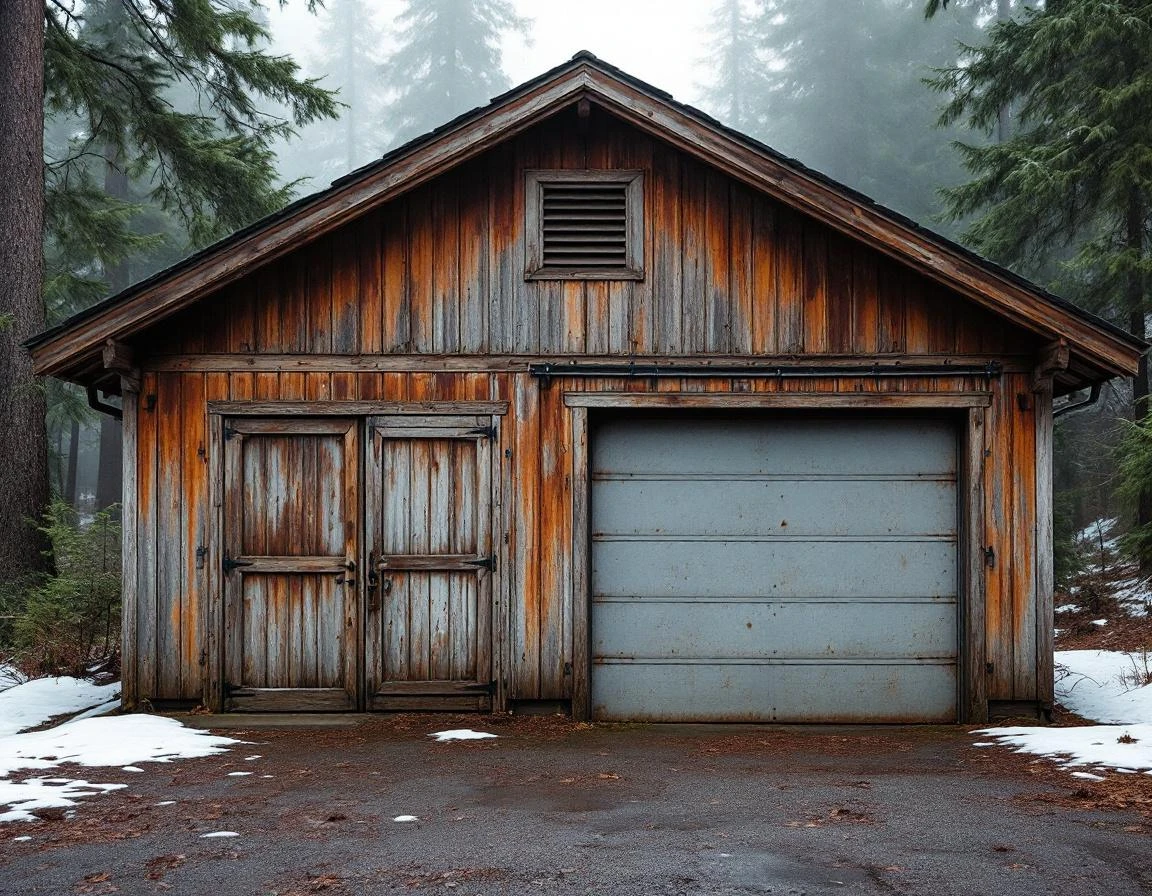
Equipment Storage Areas and Tool Access
How you organize and protect your workshop interior directly affects how hard your garage door systems work. Property owners in Woodland and Amboy often overlook a simple truth: every time you open the door to retrieve a poorly stored tool or check on moisture-damaged equipment, you’re adding wear cycles to springs, openers, and tracks. Poor storage organization creates unnecessary door activity, while seasonal moisture threatens both your tools and the structural elements that support your garage.
Spring thaw brings moisture challenges that workshop garages must address immediately. Water seeping through foundation cracks (check back to your foundation inspection) pools around stored equipment, creating rust and corrosion on tools and metal shelving. Place a dehumidifier in corners where air circulation is poorest, particularly near exterior walls where temperature differentials promote condensation. Install rubber floor mats or water barriers under heavy equipment to protect concrete from moisture penetration and distribute weight more evenly. These barriers also make spring cleanup easier after muddy season ends.
Floor condition matters more than most owners realize. Heavy equipment concentrated in small areas creates pressure points that accelerate concrete cracking, especially when freeze-thaw cycles have already weakened the slab. Spread weight across wider areas using sturdy shelving units, and inspect your floor for new cracks each spring. Water intrusion through these cracks damages stored materials and promotes the freeze-thaw expansion that worsens structural problems.
Ventilation prevents moisture accumulation that damages both stored items and garage components. Install passive vents near the roofline to promote air circulation, or run a small fan during particularly humid periods. Tool storage garage maintenance means better organization so you can access frequently used items without opening the main door repeatedly, reducing mechanical wear and keeping conditioned air inside during temperature extremes.
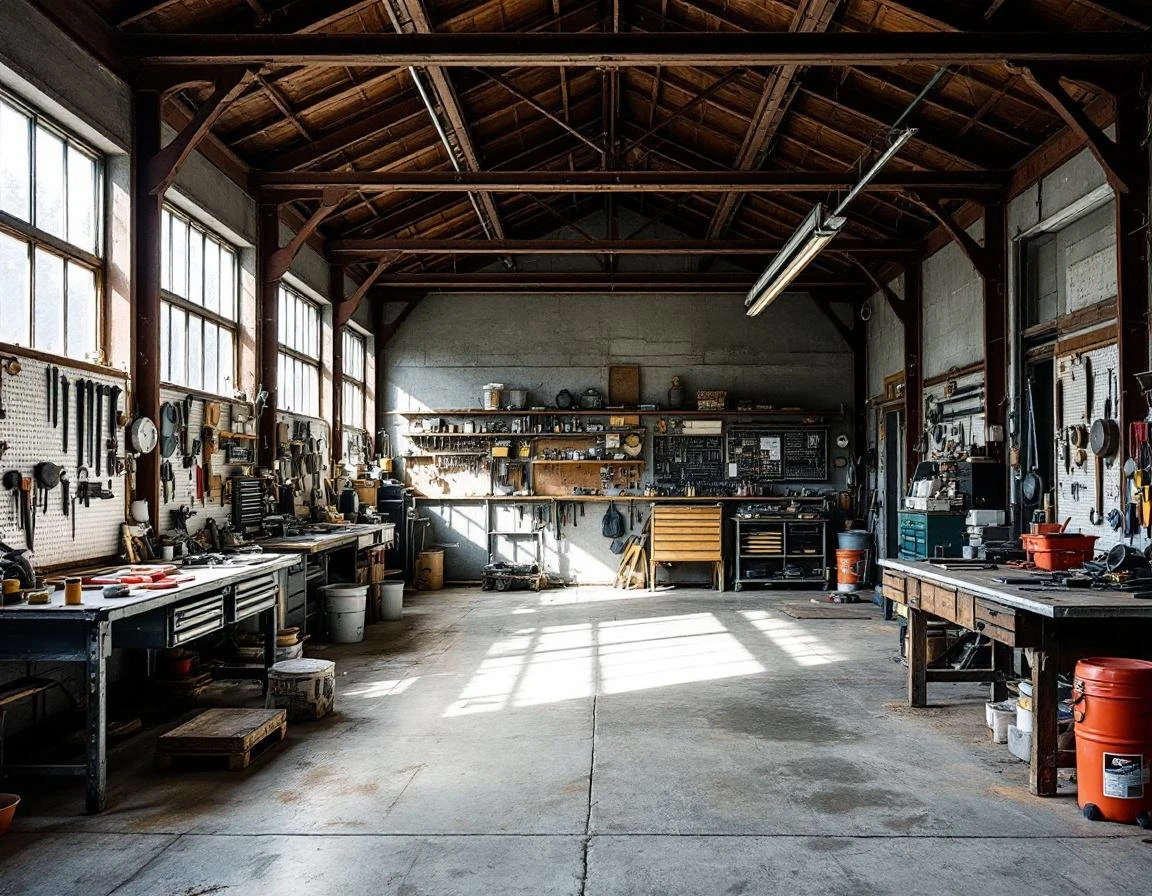
Spring Maintenance Timeline and Next Steps
Schedule your workshop garage maintenance in a phased approach that addresses the most urgent systems first:
- Week 1 (early May): safety-critical mechanical systems—test door openers, inspect springs and cables for freeze-thaw damage, verify safety sensor alignment (2-3 hours)
- Week 2: structural assessment—check foundation cracks, frame stress points, and weatherstripping integrity following the inspection steps outlined earlier (3-4 hours)
- Week 3: protective improvements—replace degraded caulking, organize storage to reduce moisture exposure, install dehumidifiers before June humidity arrives (4-5 hours)
Why does May matter? Equipment storage garages see their heaviest use June through August when lawn tractors, ATVs, and project tools cycle in and out constantly. A spring failure during peak season means scrambling for emergency service when contractors are booked weeks out and charging premium rates. Woodland-area service companies typically have openings in early May but fill fast as temperatures rise.
If your inspection revealed issues beyond DIY capability—foundation settlement exceeding half an inch, opener motor humming without lifting, or door binding despite track adjustment—contact professional contractors now. Request quotes from at least two licensed garage door companies serving North Clark County. Ask about warranty terms, parts availability, and their typical response time for follow-up service calls.
Create a simple monthly monitoring checklist for June through October: test door balance weekly, check weatherstripping monthly for new gaps, listen for unusual opener sounds, inspect visible hardware for rust or looseness. Catching small problems during equipment season prevents the cascading failures that turn minor wear into expensive replacements. Contact us today for professional assessment if your monthly checks reveal worsening conditions.