Why October Matters for Garage Drainage During Rainy Season in Portland
Portland’s wet season arrives like clockwork each October, bringing months of heavy rainfall that tests every weak seal and clogged drain around your garage. Managing garage drainage during the rainy season in Portland requires planning before sustained storms hit. From October through March, relentless moisture finds its way through compromised weatherstripping, pooling around foundation edges and seeping into cracks you didn’t know existed. What starts as a small drip can quickly escalate into foundation damage, mold growth, and repair bills that easily reach thousands of dollars.
October offers a narrow but critical window to get ahead of the problem. Right now, before sustained storms arrive, you can inspect your garage seals. Test your drainage systems, and make repairs in dry conditions. Waiting until November or December means working in the rain—or worse, discovering problems when water is already flooding your garage floor.
The financial logic is simple: spending a few hours this month on preventive maintenance saves you from emergency winter repairs when contractors are booked solid and charging premium rates. A tube of sealant and an afternoon of work today prevents the panic of calling for help during a downpour when everyone else is doing the same thing.
Four Critical Seals to Inspect Now
Before Portland’s heavy rains arrive, you need to know exactly which seals protect your garage from water intrusion. These four components form your first line of defense, and inspecting them now takes less than an hour.
- Garage Door Weatherstripping — Start at the top and sides of your garage door. Run your hand along the rubber weatherstripping where the door meets the frame. If the rubber crumbles when you touch it or pulls away easily, it’s degraded beyond usefulness. Close the door and look for light bleeding through—any visible daylight means water will find its way inside during storms.
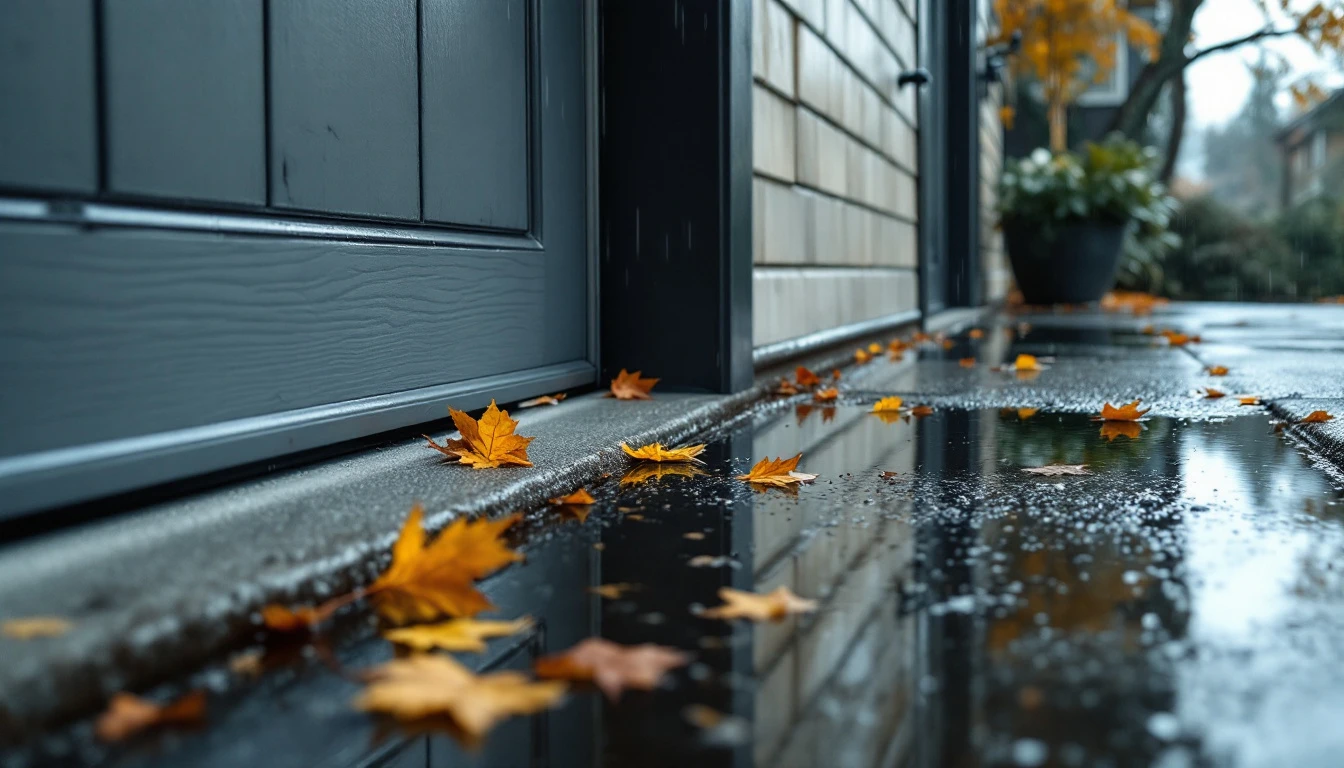
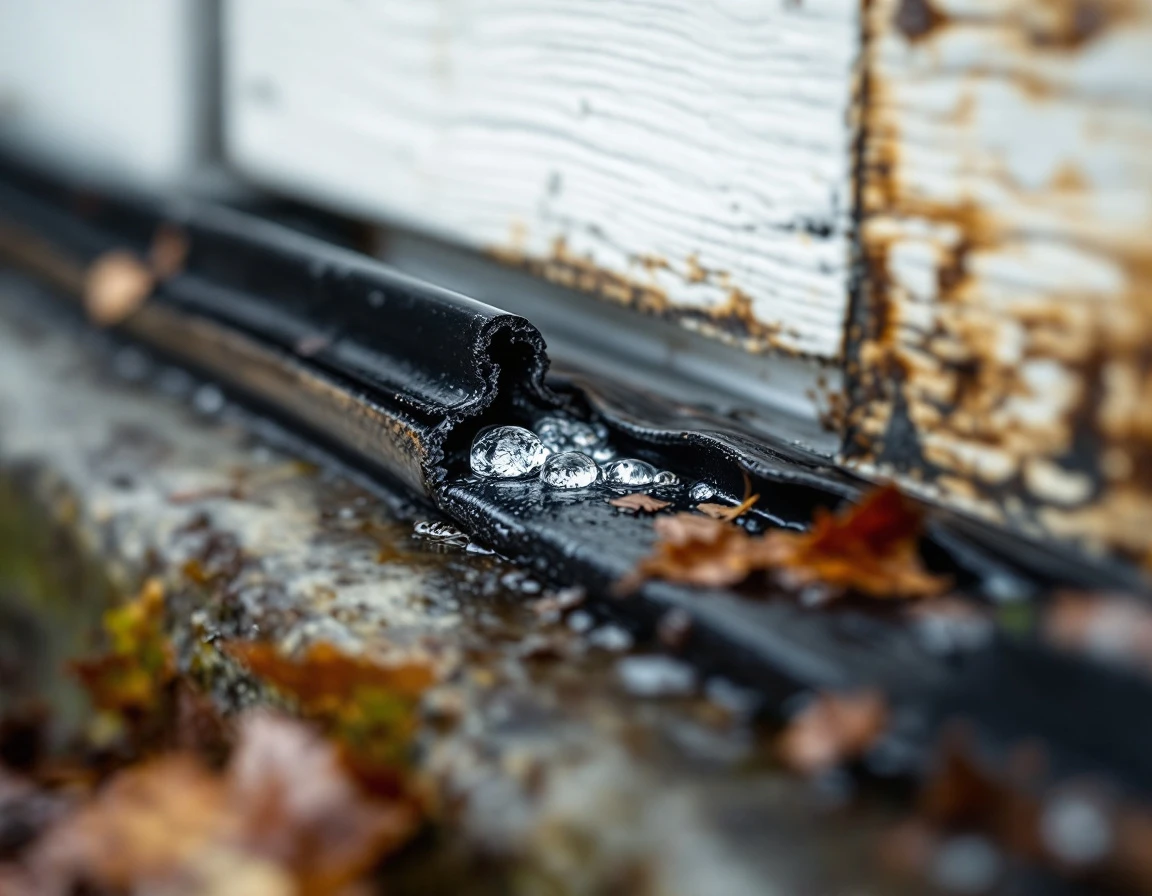
- Bottom Door Seal (Threshold) — The bottom seal takes the most punishment from your car tires and debris. Kneel down and examine the entire length for cracks, tears, or sections that have separated from the door. Missing chunks are obvious red flags, but also watch for rubber that’s compressed flat and won’t spring back when you press it. A compromised bottom seal allows water to sheet directly into your garage during heavy downpours.
- Side Jamb Seals — With the door closed, check where it meets the vertical jambs on both sides. These seals should compress visibly against the door surface. If you can slide a piece of paper between the seal and the door, or if you see any gaps when viewing from inside, you’ve found a problem that needs attention before the next storm.
- Caulk Around Penetrations — Walk the perimeter and inspect everywhere utilities enter your garage—electrical conduit, water lines, cable entry points. Caulk deteriorates over time, developing cracks or pulling away from surfaces. Even small gaps become water highways during wind-driven rain.
Garage Seals and Drainage Maintenance for Portland’s Rainy Season
After inspecting your garage door seals, turn your attention to the drainage systems that handle water once it reaches your property. These four components work together to channel rainwater safely away from your garage, but each one can fail during Portland’s intense downpours if neglected.
Garage Floor Drains
Check your garage floor drain for debris, sediment, and leaf buildup that blocks water flow. Garage floor drain clogging during rainy season happens fast when leaves trap water inside, creating standing puddles that seep into porous concrete and damage stored items. Remove the drain cover and clear out accumulated debris with a shop vacuum or garden trowel. If water drains slowly after clearing visible blockages, you may have a clog deeper in the line that requires professional snaking or hydro-jetting.
Foundation Drainage
Walk the perimeter of your garage and observe how the ground slopes near the foundation. Proper garage foundation drainage in Oregon means soil should angle away from the building at a gentle grade, directing runoff toward yard areas or storm drains. Look for settled areas, mulch piled against the foundation, or sections where water pools after rain. You can regrade minor dips yourself by adding soil and tamping it down, but significant foundation drainage problems need a professional assessment to prevent structural damage.
Gutters and Downspouts
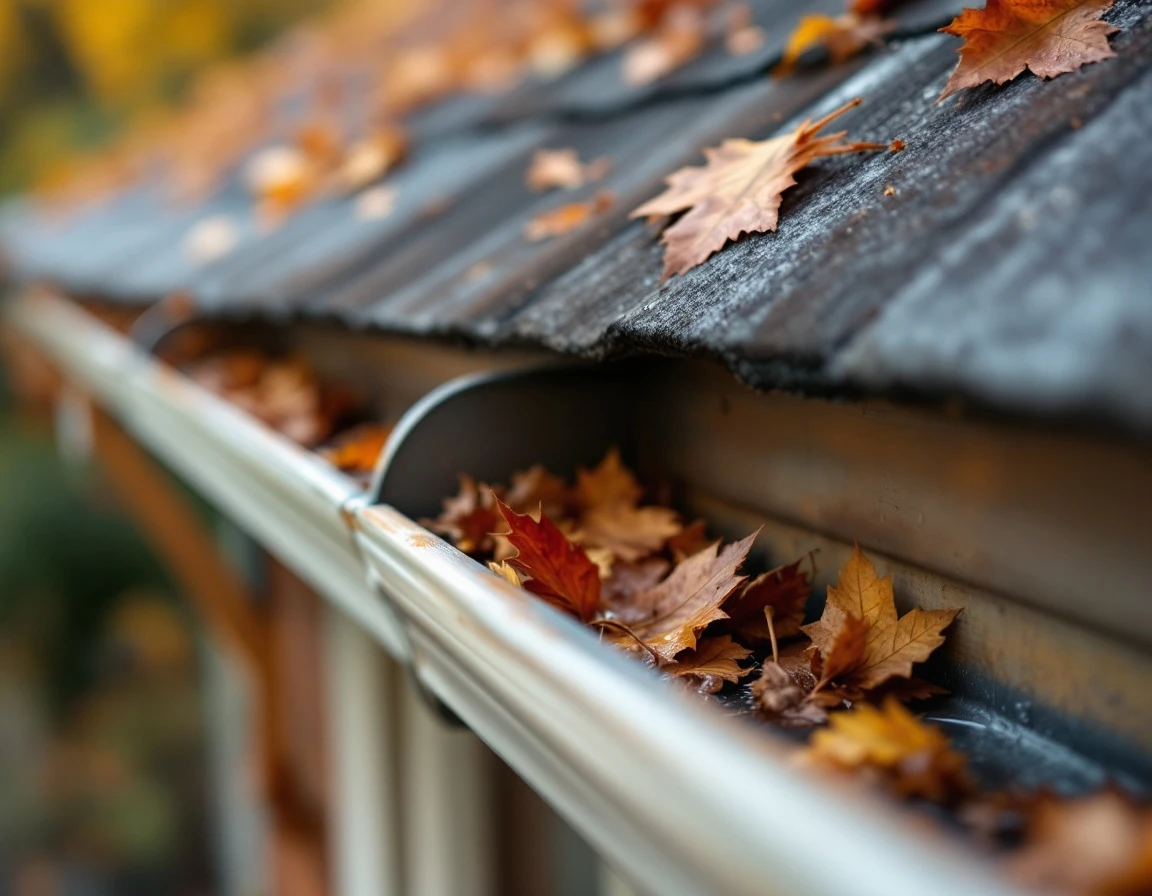
Inspect gutters for cracked seams, misaligned sections, and accumulated debris that creates overflow during heavy rain. Standing water in gutters indicates sagging or poor pitch. Clean out leaves and moss. Then test water flow with a garden hose. Downspouts must discharge at least 4-6 feet from the garage foundation—not directly beside it. Install downspout extensions if water currently dumps near the foundation wall, where it saturates soil and migrates into your garage.
Sump Pump Systems
If your garage has a sump pump, test it monthly by pouring a bucket of water into the pit. The pump should activate automatically and discharge water through the outlet pipe. Clear debris from intake screens and listen for unusual grinding sounds that signal motor problems. A failed sump pump during peak rainy season floods your garage within hours, so replace any pump showing signs of wear before November arrives.
DIY Inspection Checklist: What You Can Do Yourself
Ready to protect your garage before the rains arrive? You can complete this entire inspection sequence in under two hours using tools you already own.
- Visual inspection of seals and caulk — This takes just 15-20 minutes and requires no tools at all. Walk around your garage door perimeter, looking for gaps, cracks, or separation. Run your hand along weatherstripping to feel for brittleness, and check caulk lines around windows and utility penetrations for missing sections.
- Clearing debris from floor drains, gutters, and downspout discharge areas — Spend 20-30 minutes using a hand trowel to scoop leaves and sediment from floor drain covers, then flush with a bucket of water. Check that downspouts direct water at least five feet away from your foundation, and remove any blockages.
- Testing sump pump operation — Pour a five-gallon bucket of water down the floor drain. The pump should activate within seconds and discharge water outside. This 10-minute test can reveal failures before winter storms hit.
- Documenting problem areas with photos — Snap clear images of damaged seals, standing water, or foundation cracks. These photos help professionals diagnose issues quickly if you need to call for repairs later.
When to Call a Professional
After completing your DIY inspection, you’ll have a clear picture of which issues you can handle yourself and which require professional expertise. Small tasks like cleaning debris from drains or replacing basic weatherstripping fall within most homeowners’ capabilities. But certain problems signal deeper structural or mechanical failures that need trained technicians.
Cracked caulk around utility penetrations, deteriorated weatherstripping that’s lost its compression, or rusted threshold seals all require professional replacement. While these seem cosmetic, improper installation creates gaps that let water infiltrate wall cavities and cause hidden damage. To winterize garage drainage properly in Portland and Oregon, foundation-level drainage issues, sloping problems, or standing water near your garage warrant a structural assessment from a licensed contractor—these indicate grading failures that can compromise your entire foundation.
Sump pump failures or malfunctioning check valves need trained technician service immediately. These systems protect your garage from groundwater intrusion, and amateur repairs often fail during the first heavy storm. Major leaks or water stains inside the garage indicate problems beyond DIY sealing—they suggest active water intrusion that requires professional diagnosis.
A $200 professional seal replacement in October prevents a $5,000 foundation repair in February.
Emergency calls surge in November when heavy rains begin, so schedule professionals now while they have availability and competitive rates.
Your October Action Plan
You’ve learned what to inspect and when to call for help—now it’s time to turn knowledge into action. Start with your DIY inspection checklist this week, before October storms intensify. Photograph problem areas, test your sump pump, and clear debris from drains while conditions are still manageable.
Schedule any professional seal replacements or drainage repairs by mid-October. Contractors face a November rush when emergency calls spike, so booking now means you’ll get the work completed before heavy rains arrive. Keep detailed records of all maintenance and repairs—these documents protect your property value and help you track patterns year after year.
Finally, mark your calendar for next October. Annual pre-season inspections should become as routine as gutter cleaning or furnace maintenance. Spending a few hours each fall to check seals and drainage systems protects your garage and foundation from thousands of dollars in water damage during Oregon’s wet season. At Garage Harmony, we’re here to help with professional inspections and repairs when you need expert support.