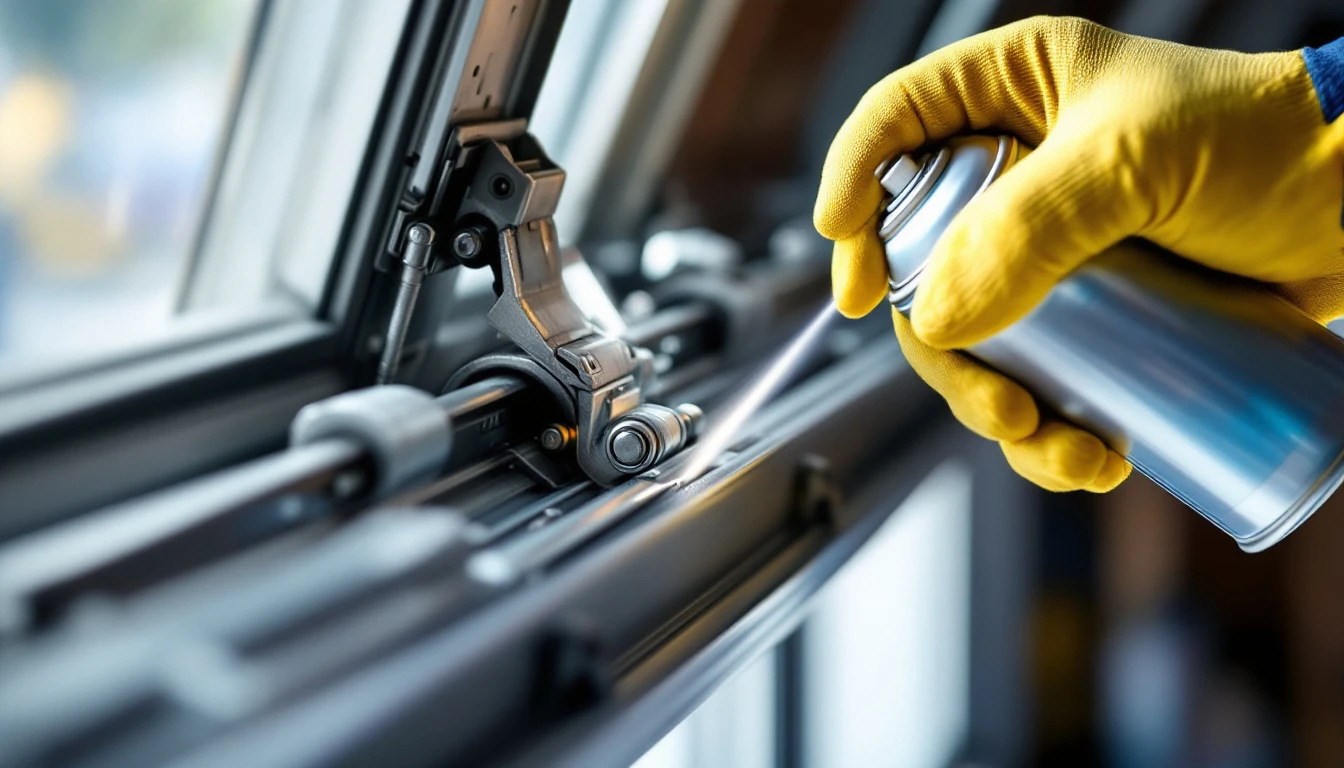
Why Portland Garages Need Year-Round Garage Door Lubrication Maintenance
If you live in Portland, you already know the Pacific Northwest climate doesn’t go easy on outdoor equipment. That constant moisture in the air? It’s working against your garage door every single day, accelerating rust and metal fatigue on every unlubricated component. Springs, rollers, hinges, and tracks all take a beating when moisture meets bare metal. A consistent garage door lubrication maintenance routine protects your investment before problems start.
Here’s the reality: a $30–40 quarterly lubrication routine can save you hundreds or even thousands in emergency repairs. When fall and winter rains arrive, neglected garage doors start to fail. Sluggish operation and grinding noises are your garage door’s way of telling you it needs attention. Ignore those warning signs, and you might find yourself dealing with a breakdown during the wettest months of the year.
Summer gives you the perfect prevention window. By establishing proper garage door maintenance tips now, before the rainy season hits, you’re setting yourself up for smooth operation all year long. Properly maintained garage doors can outlast neglected ones by 5–10 years. Turning a small investment of time and money into serious long-term savings.
Your garage door operates multiple times every day, and moisture-prone climates like ours demand regular care. Think of quarterly lubrication as insurance against those mid-season failures that always seem to happen at the worst possible time.
Garage Door Components to Lubricate
Not all garage door parts need lubrication, and knowing exactly which components to target saves time while protecting your investment. Understanding what each part does—and why it needs protection—helps you work efficiently and avoid common mistakes that can actually attract more dirt or cause damage.
Torsion and Extension Springs
Your garage door springs carry the full weight of the door every single time it opens and closes. That constant tension generates friction at connection points, and in Portland’s moisture-rich environment, these metal coils are particularly vulnerable to rust formation. Properly lubricated springs operate more quietly and maintain their flexibility longer. Reducing the metal fatigue that leads to sudden failure.
Have you noticed a squeaking or grinding sound when your door moves? That’s often the sound of unlubricated springs working harder than they should. A light coating of silicone-based lubricant on the coils themselves—not the winding cones or hardware—keeps springs moving smoothly and can add years to their functional life.
Rollers, Hinges, and Track Components
Rollers travel up and down the tracks dozens of times each week, accumulating road dust, pollen, and moisture along the way. This debris creates friction that wears down the roller bearings and causes that characteristic sluggish movement many Portland homeowners recognize. Hinges connecting door panels experience similar stress, flexing with every opening cycle while exposed to condensation.
The tracks themselves don’t need lubricant—in fact, greasy tracks attract more dirt—but the rollers moving within them absolutely do. Apply lubricant directly to roller bearings and hinge pivot points, wiping away excess to prevent buildup. This simple step eliminates most squeaking and reduces the grinding that indicates accelerated wear.
Structural Support Hardware
Lock bars, mounting brackets, and the armbar connecting your door to the opener all play supporting roles in door movement. These components face constant vibration and moisture exposure, making them prime candidates for rust. A protective coating of lubricant on bolts, lugs, and the opener rail carriage keeps everything moving as designed.
Don’t overlook the garage door opener rail itself—the chain or belt travels this surface thousands of times per year. Light lubrication here reduces friction and extends both opener and door life, particularly during Portland’s damp fall and winter months when rust formation accelerates.
Springs and Tension Hardware
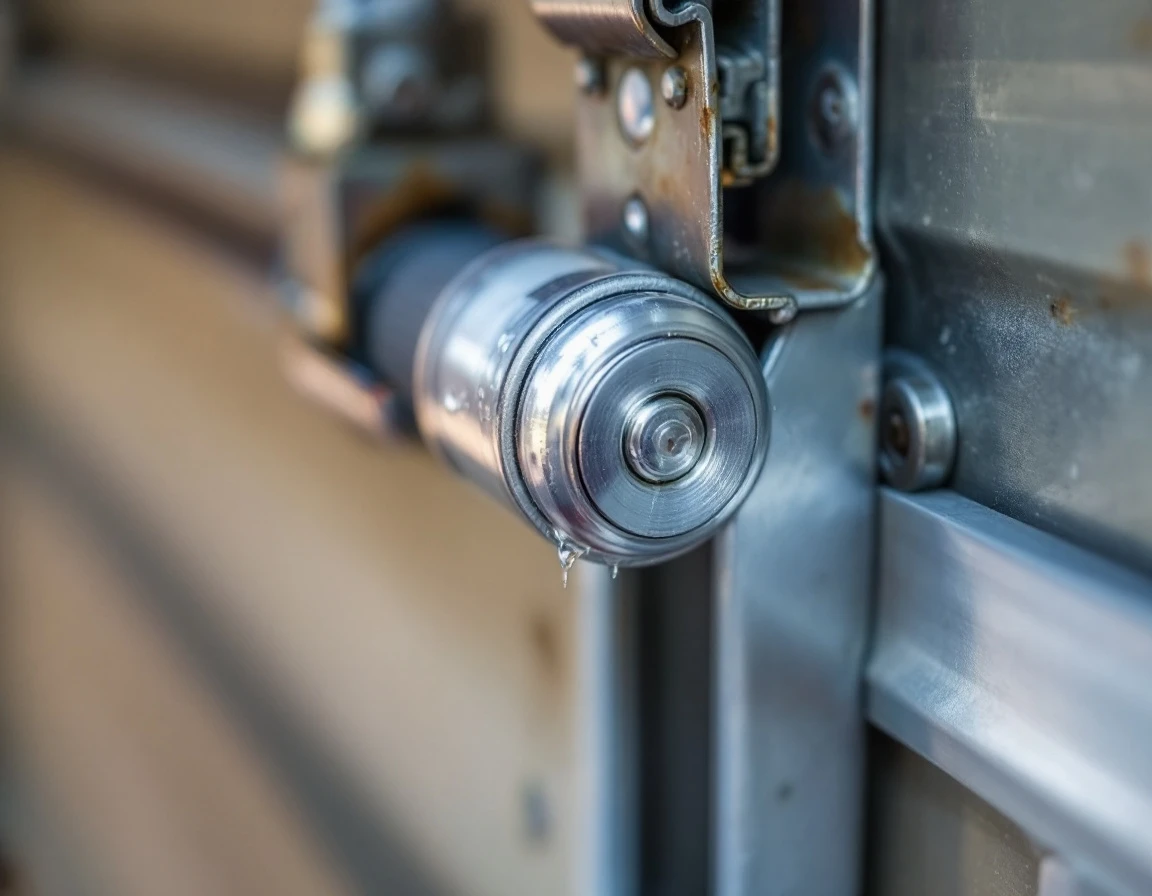
Your garage door springs—whether torsion springs mounted above the door or extension springs along the tracks—carry the entire mechanical load every time you open and close your door. Without proper lubrication, these springs wear out fast. Metal coils grind against themselves thousands of times, creating friction that weakens the steel and shortens their lifespan.
In Portland’s damp climate, spring coils, mounting bolts, and tension hardware rust quickly when exposed to moisture. A light coating of oil creates a protective barrier that keeps water away from bare metal surfaces. This same coating reduces the metal-on-metal friction during operation, which not only extends component life but also eliminates the grinding and squeaking noises that signal wear.
Spring failure is the most expensive garage door repair you’ll face, often requiring professional replacement and costing several hundred dollars. Regular lubrication is the cheapest insurance against this breakdown. For detailed guidance on maintaining your springs, check out our spring maintenance guide.
Rollers, Hinges, and Tracks
Every time your garage door cycles, rollers glide along steel tracks to guide the door’s movement. In Portland’s damp climate, moisture and debris—fallen leaves, dust, and grime—settle into those tracks and create drag that wears grooves into the track surface over time. This buildup doesn’t just slow the door; it forces your opener motor to pull harder with every operation.
Hinges connect the individual panels of your door and flex with every opening and closing. Without regular lubrication, these metal-on-metal joints develop squeaks and stiffness that signal growing friction. When track debris and stiff hinges combine, your opener compensates by working overtime, shortening its motor life and increasing the risk of mid-season failure when you need your garage door most.
Best Lubricants for Portland’s Climate
What works in Arizona won’t work here. Portland’s persistent moisture demands lubricants that actively repel water rather than absorb it. Silicone-based lubricants shed rain and humidity, creating a protective barrier that keeps metal components dry even through the wettest months. General-purpose oils, by contrast, wash away or emulsify when exposed to our year-round dampness.
Avoid WD-40 and similar penetrating oils for routine maintenance. While these products work well for breaking loose stuck parts, they’re too thin to provide lasting protection in Pacific Northwest conditions. Rain and condensation strip them away within weeks, leaving your springs and hinges exposed to rust.
For springs, rollers, and hinges, look for NLGI Grade 0 or 1 grease—thick enough to stay in place but fluid enough to penetrate tight spaces. White lithium grease meets this standard and resists moisture well. For lighter components like tracks and opener rails, spray silicone lubricant provides easy application without attracting dust.
Garage door-specific products from LiftMaster and Genie are formulated for climate challenges like ours. These brands engineer their lubricants to handle temperature swings and moisture exposure. At your local hardware store, ask for what oil to use on garage door applications—silicone-based garage door lubricant or lithium grease give Portland homeowners the protection our climate requires.
Quarterly Garage Door Lubrication Schedule for Portland
Timing your maintenance around Portland’s seasonal rhythm keeps your garage door ahead of weather stress rather than reacting to breakdowns. A four-session schedule anchored to the Pacific Northwest climate protects your investment year-round.
- August: Pre-Fall Prevention Window
- November: Winter Weather Seal-Up
- February: Post-Winter Reset
- May: Summer Smoothness Check
August: Pre-Fall Prevention Window
Your August session serves as final preparation before the rainy season begins. How to lubricate garage door components now prevents mid-season failures when fall moisture accelerates wear on unprotected metal. This session buys you protection during the wettest months ahead.
November: Winter Weather Seal-Up
Before December through February moisture peaks hit, your November maintenance creates a protective barrier on all moving parts. Fresh lubricant repels water intrusion and prevents rust formation during Portland’s heaviest rainfall period.
February: Post-Winter Reset
After months of wet weather stress, your early spring refresh removes accumulated grime and reapplies protection. This session addresses wear patterns that developed during winter and prepares components for increased spring and summer use.
May: Summer Smoothness Check
Your May session catches any issues before heat and heavy seasonal use arrive. With garage doors opening more frequently for yard work, outdoor activities, and ventilation, this maintenance prevents problems during your busiest months.
Each session takes under 30 minutes and follows the same routine: clean debris from tracks, apply silicone lubricant to springs and hinges, and wipe excess. Mark your calendar now—consistent quarterly care adds years to your garage door’s lifespan.
When to Call a Professional
Regular lubrication keeps your garage door running smoothly, but it’s maintenance—not magic. If you’ve followed your quarterly routine and your door still hesitates, moves unevenly, or makes grinding sounds, something beyond lubrication needs attention. These symptoms tell you that alignment, pulleys, or structural components require professional inspection.
What warning signs should prompt a call to Garage Harmony? Spring noise or a bouncing door during operation signals internal spring damage that DIY lubrication can’t fix. Springs operate under extreme tension, and damaged springs pose safety risks that demand professional service. Similarly, if your door moves hesitantly or travels unevenly after you’ve lubricated all moving parts, you’re likely dealing with misaligned tracks or worn pulleys that require expert adjustment.
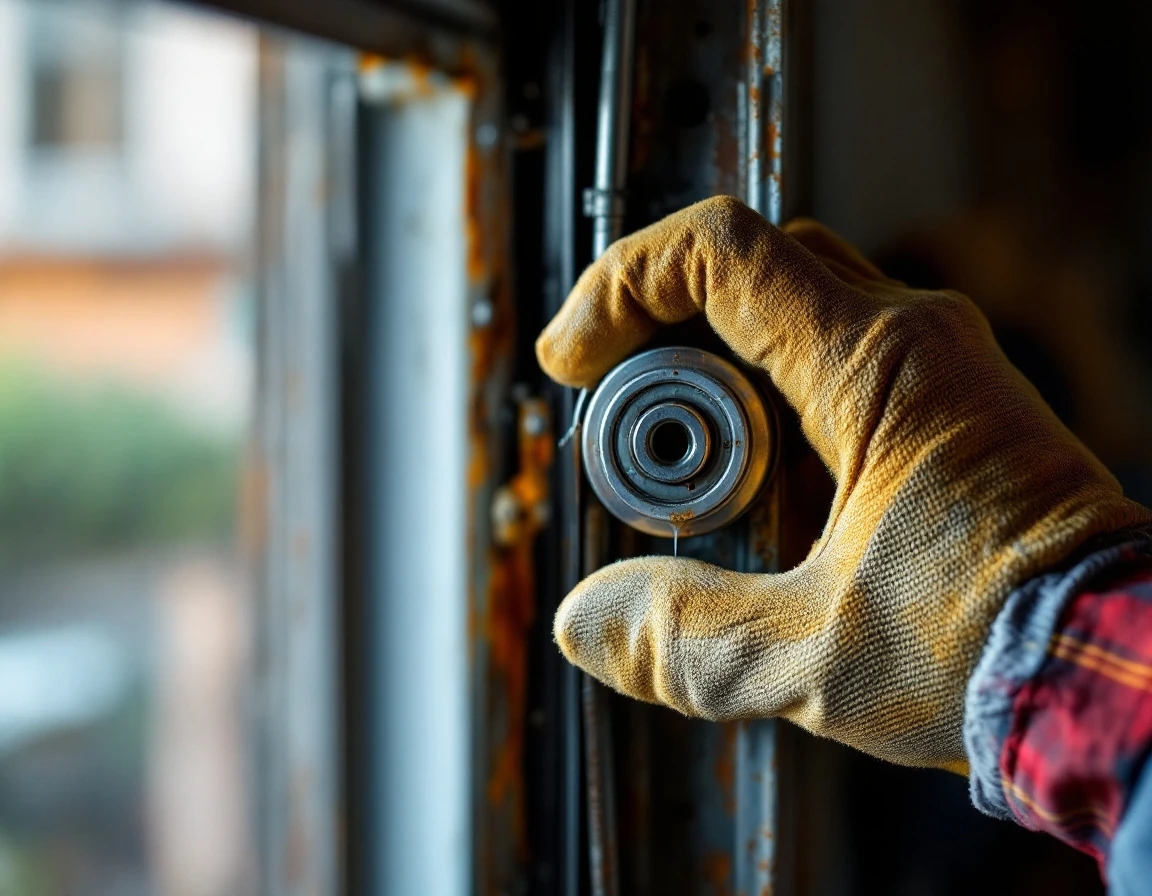
Excessive rust buildup—especially on hinges, brackets, and bolts—may indicate that components need replacement rather than maintenance. If Portland’s moisture has corroded hardware beyond surface treatment, new parts restore safe operation. Remember: this guide enables you to maintain your door, not diagnose mechanical failures. When lubrication doesn’t resolve the issue, contact us today for a professional assessment and keep your door operating safely year-round.