Willamette Valley Fog & Spring Corrosion: Garage Door Rust Prevention in Newberg
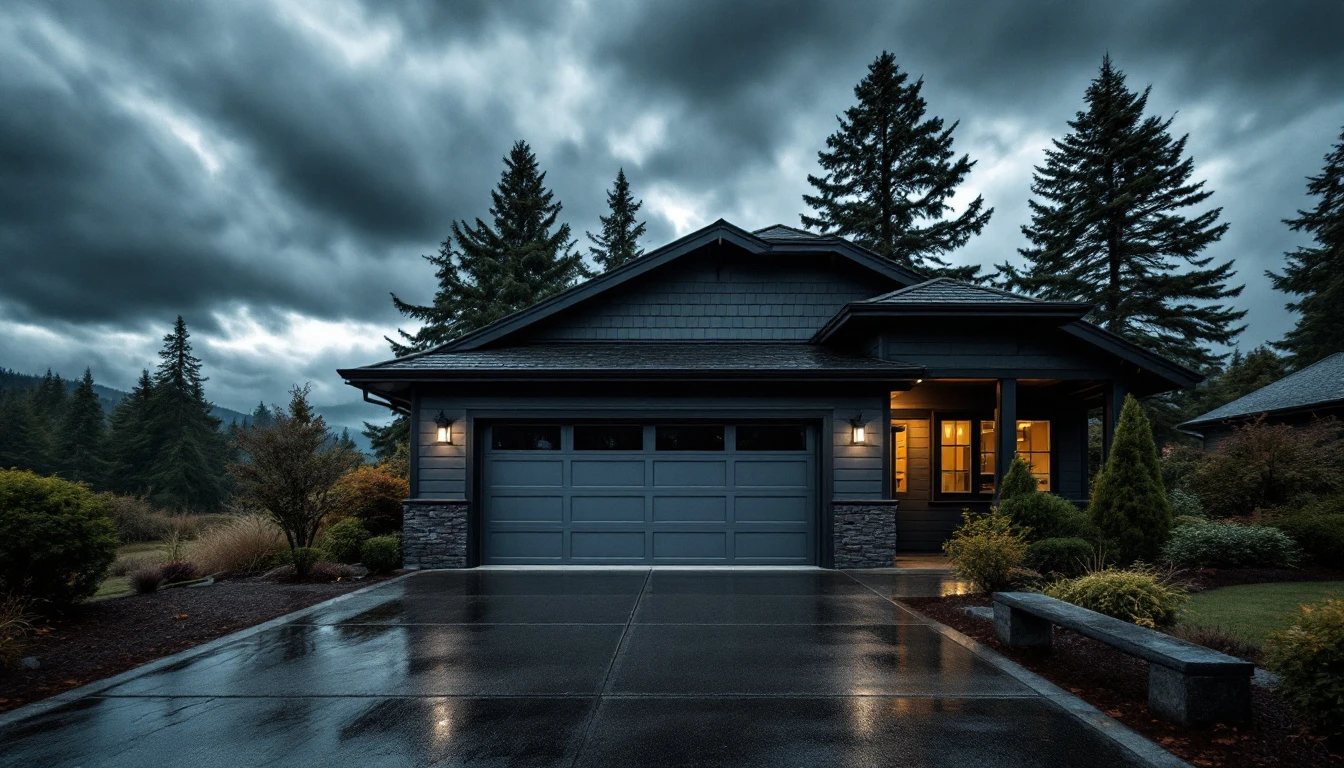
The Willamette Valley’s persistent winter fog creates ideal conditions for garage door spring corrosion, particularly in Newberg where moisture settles overnight and persists through morning hours. Understanding garage door rust prevention in Newberg helps homeowners protect their doors from seasonal damage before it becomes costly.
November–February valley fog creates persistent
From November through February, Willamette Valley fog settles into the Newberg and Springbrook areas, creating persistent humidity levels between 85–95%. This dense moisture doesn’t just reduce visibility—it blankets your garage door components in a corrosive environment day after day. The fog lingers because cold air traps moisture in the valley, and your garage becomes a prime location for rust formation.
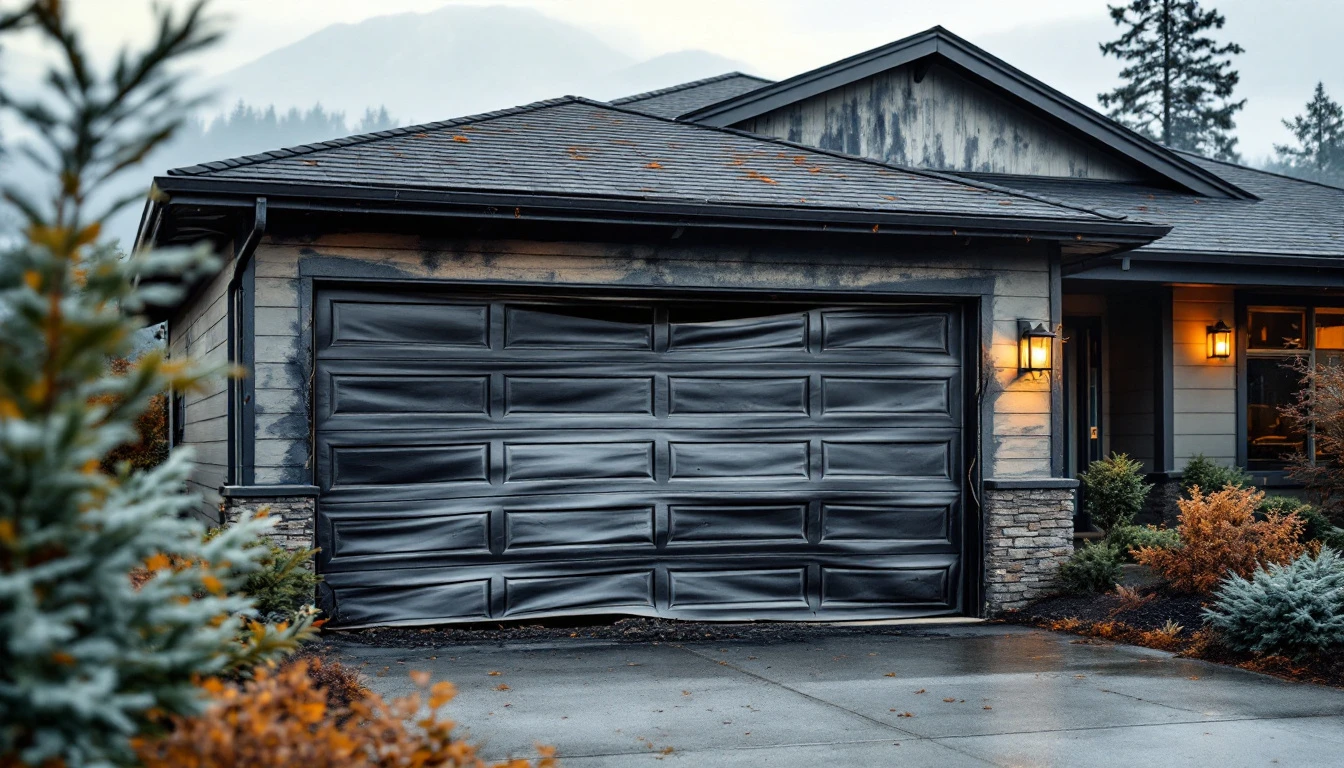
Under these conditions, rust accelerates rapidly on torsion springs, hinges, and panel fasteners. Often causing visible corrosion within 2–3 seasons when metal components lack protective coatings. Torsion springs are especially vulnerable because they flex thousands of times each year. Cracking any existing rust barrier and exposing fresh metal to that humid air. Garage door spring rust in the Willamette Valley develops faster than in drier climates, making winter preparation essential.
Two-car attached garages face improved risk due
Two-car attached garages face improved risk due to moisture trapping in enclosed spaces, particularly during Newberg’s foggy winter months. When fog settles into the Willamette Valley, these larger structures hold humid air longer than single-car units, creating ideal conditions for spring corrosion. Attached garages also lack the airflow that detached buildings naturally receive, accelerating rust formation on all metal components.
Spring replacement costs $300–500+ per spring. Meaning a two-car garage door requiring two springs could run homeowners over $1,000 in emergency repairs. Prevention investment typically stays under $150 when you apply protective coatings, install dehumidification solutions, and maintain proper ventilation before winter fog arrives.
That math makes pre-winter preparation a smart financial choice for wine country homeowners.
Pre-Winter Inspection Protocol for Garage Door Rust Prevention
Start your garage door inspection in August through October. Well before Newberg’s heavy fog season arrives in November. This timing gives you a critical window to identify corrosion early and apply protective treatments before moisture accelerates rust formation. Waiting until November means fog has already begun attacking unprotected metal surfaces.
Walk through each hardware component systematically. Examine the following during your inspection:
- Torsion springs above the door for surface rust, white oxidation, or small pits in the metal coating
- Hinges where door panels connect—these joints trap moisture and often show rust first
- Lift cables running along each side of the door for fraying or rust spots, especially near attachment points
- Panel fasteners and brackets; loose hardware creates gaps where fog penetrates
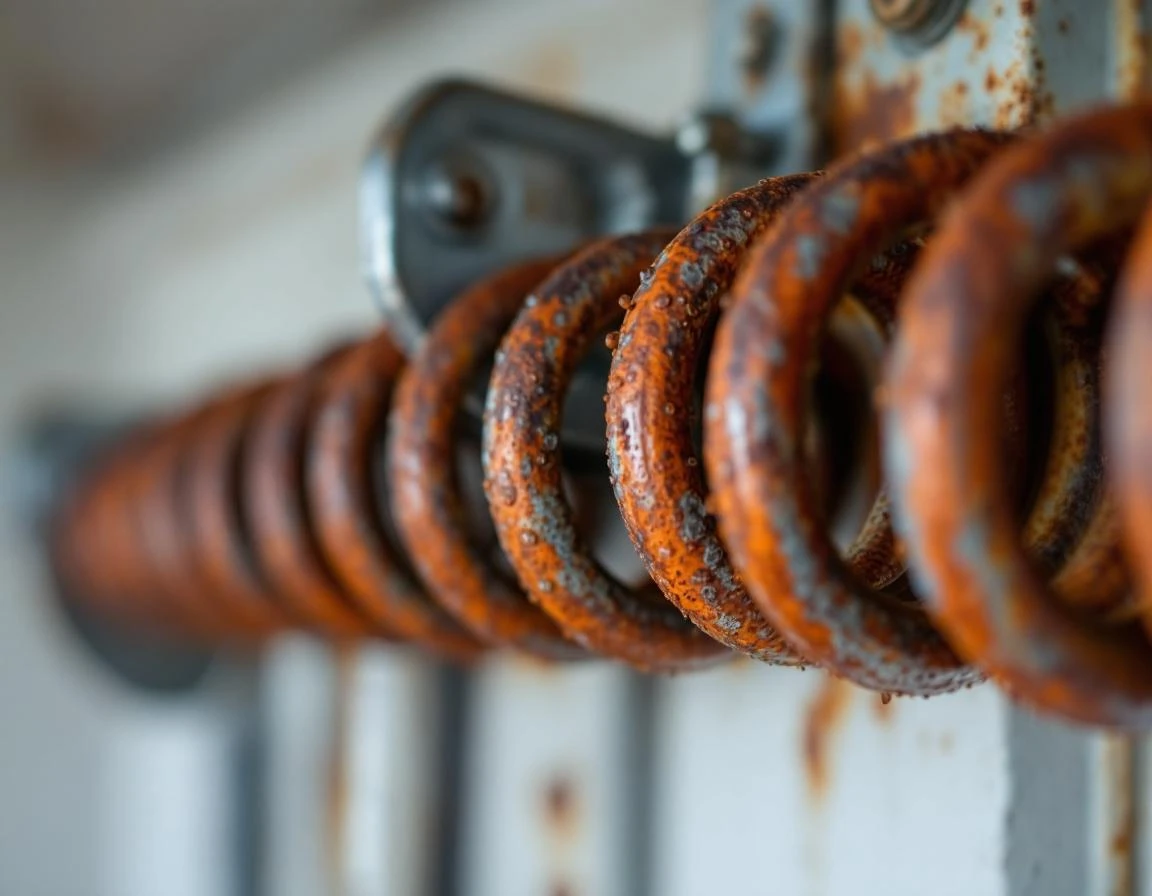
Look for warning signs that indicate breakdown of protective coatings: reddish-brown surface rust spreading across steel components, chalky white oxidation on hardware, or small pits that roughen previously smooth metal surfaces. These early markers tell you moisture is breaching protective layers. Check door frame edges and weather seals for gaps, cracks, or areas where water might pool after rain. How to prevent garage door corrosion in Oregon starts with this systematic seasonal inspection.
Take clear photos of every component during your inspection. Date and label these images, then store them where you can compare them to mid-winter checkpoints. Photo documentation lets you track how quickly rust progresses through the fog season—information that helps you decide whether protective measures are working or whether spring replacement is becoming necessary. Early detection in August gives you three months to address small corrosion spots before they become spring failures requiring $300–500 replacements.
Corrosion Barrier Application
Once your inspection reveals moisture exposure points, it’s time to apply protective coatings that stand up to Newberg’s wet climate. Marine-grade lubricants and silicone sprays work best here because they’re formulated to repel water in humid environments—exactly what your garage door faces during those November through February fog months.
Start with the springs. Before you touch any spring mechanism, disconnect the automatic opener to eliminate tension-related hazards. Apply a thin, even coat of silicone spray to the entire length of each torsion spring, rotating it slightly to reach all surfaces. Work your way down to extension springs if your door uses them. Springs are your priority because replacing them costs $300–500 per spring—an expense this 15-minute task helps you avoid.
Next, coat hinges, pivot points, and all exposed fasteners where moisture collects. Pay special attention to panel seams and hinge joints, as these spots trap fog droplets. Use marine-grade lubricant on moving parts like rollers and hinges—it penetrates deeper than standard sprays. Don’t overlook weatherstripping around frame gaps and panel-to-track junctions, where water infiltration begins. Rust on garage door hardware in Springbrook and surrounding areas accelerates without this protective barrier during winter months.
Here’s the maintenance reality: fog season moisture wears these protective barriers down quickly. Reapply your coatings every six to eight weeks from November through February.
Mark your calendar for December 15 and February 1 as reminder dates. This consistent reapplication keeps that moisture barrier intact when Willamette Valley humidity peaks, protecting your investment through winter’s harshest conditions.
Mid-Winter Monitoring Checkpoints
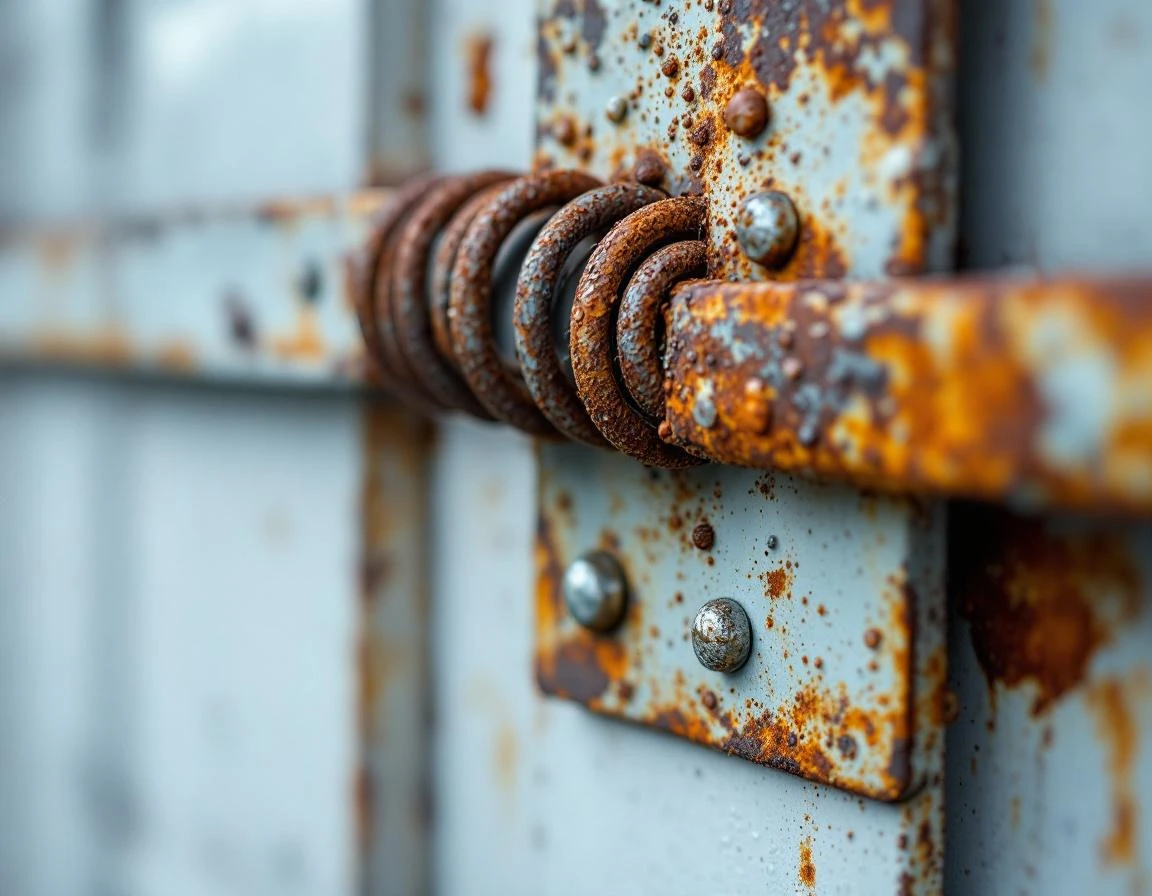
Once your protective coatings are in place, prevention shifts to regular monitoring. During Newberg’s peak fog months—December, January, and February—homeowners should conduct monthly visual inspections of garage door hardware. Check your torsion springs, hinges, and fasteners for new rust formation or signs that protective coatings have broken down. Look for fresh orange discoloration, white oxidation patches, or areas where the coating appears thin or flaked.
Listen carefully when you operate your garage door during these winter checks. Squeaking, grinding, or sticking sounds often indicate moisture has penetrated seals and begun corroding metal components underneath. These auditory warnings appear before visible damage becomes severe, giving you time to reapply protection before corrosion progresses.
If your monthly inspection reveals rust spotting breaking through coatings, reapply your protective barrier immediately. The humid conditions in the Willamette Valley during fog season can accelerate rust progression rapidly—what appears as minor surface discoloration in December can become structural pitting by February without intervention. Reapplication every 6–8 weeks during peak fog months prevents this progression. Garage door seasonal maintenance in Newberg demands this consistent attention through winter months.
When should you call a professional instead of handling maintenance yourself? Contact Garage Harmony if your springs show visible pitting (small holes or craters in the metal), any discoloration of the spring coils themselves, or if door operation feels less smooth than normal. These warning signs indicate corrosion has moved beyond surface protection into the metal structure—addressing them quickly prevents the need for emergency spring replacement and the costly repairs that follow.
Professional Treatment & Spring Replacement
When your mid-winter inspection reveals moderate corrosion—rust spreading beyond surface discoloration or visible pitting on spring coils—scheduling a professional assessment becomes the smart financial move. A professional inspection typically costs under $150 and identifies exactly which springs need immediate replacement versus which can benefit from preventive treatment. Garage door specialists examine internal spring structure for stress cracks, loss of pre-tension, and hidden corrosion that homeowners can’t see during visual checks.
Professional cleaning and coating services extend spring life, making preventive maintenance an affordable investment against the cost of replacement. The investment math works clearly: treating springs proactively beats facing emergency replacements when they fail during peak season.
Here’s the timing problem Newberg homeowners face: May through August sees emergency service calls spike 40% or more as neglected springs fail during heavy use months. When your spring snaps on a Saturday morning in July, you’re competing with dozens of other homeowners for same-week appointments. Availability delays stretch from days to weeks during peak season.
Schedule your professional assessment in February or March if you found moderate corrosion during winter checks. This advance booking means your springs are healthy before the summer rush, and it gives you control over timing rather than facing an emergency replacement on the hottest weekend of the year. Valley fog garage door damage prevention in Oregon wine country depends on this proactive scheduling. Contact us today for a spring health assessment!