Heat Gain Pathways in Portland Homes: Managing Summer Cooling Costs
Where does all that summer heat come from? Your home soaks up heat through multiple pathways before your air conditioner even starts running. Once you understand these entry points, you can control your summer cooling costs in Portland—and make your AC run less often.
Direct sunlight through windows acts as the primary culprit in most Portland homes. During July and August, the sun delivers 10 to 14 hours of daylight, and average highs push past 85°F. South- and west-facing windows turn into mini furnaces. Here’s what happens: intense solar radiation passes straight through glass and heats your floors, furniture, and walls. Those warm surfaces then radiate heat back into the air, raising your indoor temperature even when outdoor conditions start to cool. Ever wonder why your house stays hot after sunset? This is why.
Poor attic and wall insulation creates a second major heat pathway. On a typical August afternoon, your roof surface can reach 150°F or higher. Without adequate insulation in the attic floor and exterior walls, that exterior heat conducts directly into your living areas below. The temperature difference between a scorching attic and your 75°F bedroom drives a constant flow of unwanted heat downward through ceilings and walls.
Inadequate air circulation and ventilation trap hot air indoors. Your AC system then battles against stagnant, heated air masses. When attic vents fail to exhaust built-up heat or cross-breezes can’t flush warm air out of living spaces, indoor temperatures climb steadily. Your air conditioner has to work longer cycles and consume more energy just to maintain comfortable conditions.
Portland’s peak temperatures during August and early September intensify all these inefficiencies. The combination of prolonged sun exposure, minimal cloud cover, and multi-day heat waves means your home faces sustained thermal assault from all three pathways at once.
Once you understand these entry points, you can control your summer cooling costs in Portland—and make your AC run less often.
Insulation R-Value and Summer Performance
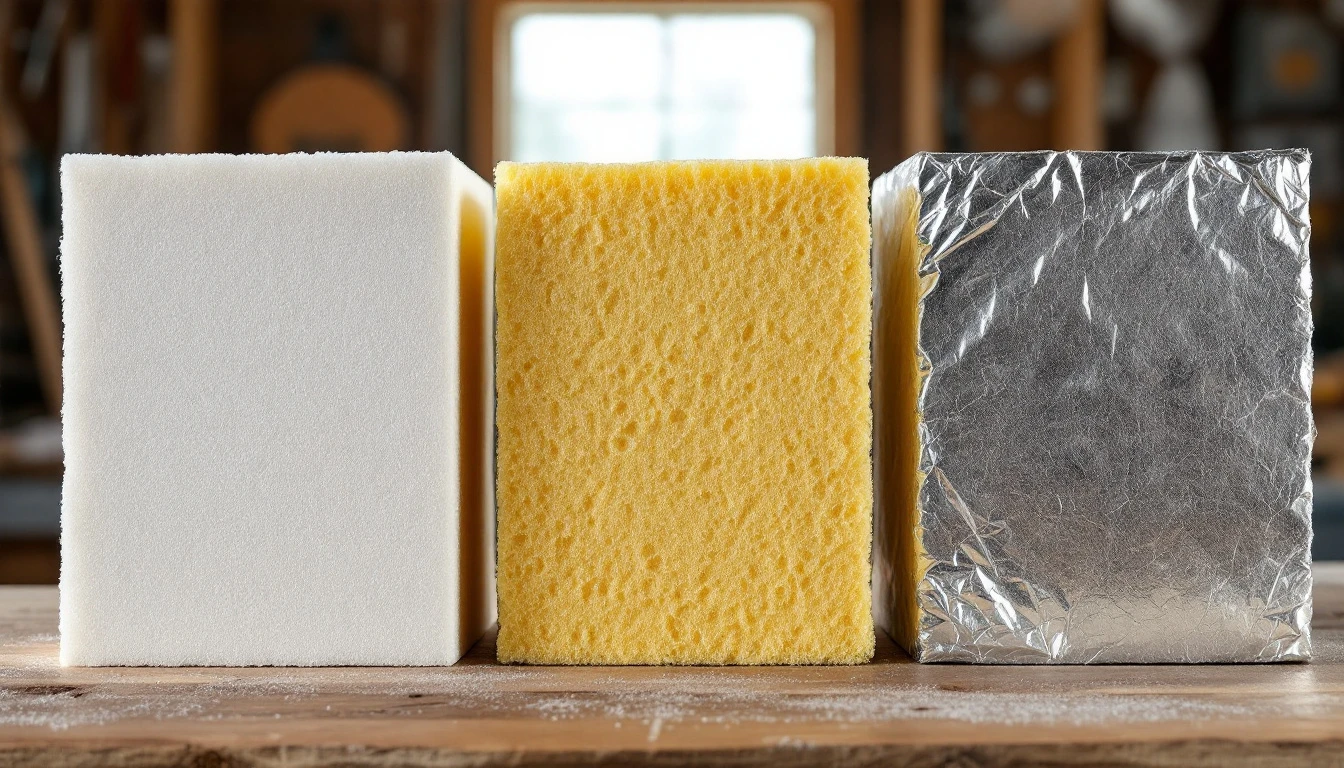
Most Portland homeowners know insulation keeps heat inside during winter. But did you know it works just as hard keeping summer heat out? R-value measures thermal resistance—the higher the number, the better your home resists heat transfer in both directions. During July and August, poor insulation allows outdoor heat to penetrate your living spaces, forcing your air conditioning to run longer and consume more energy.
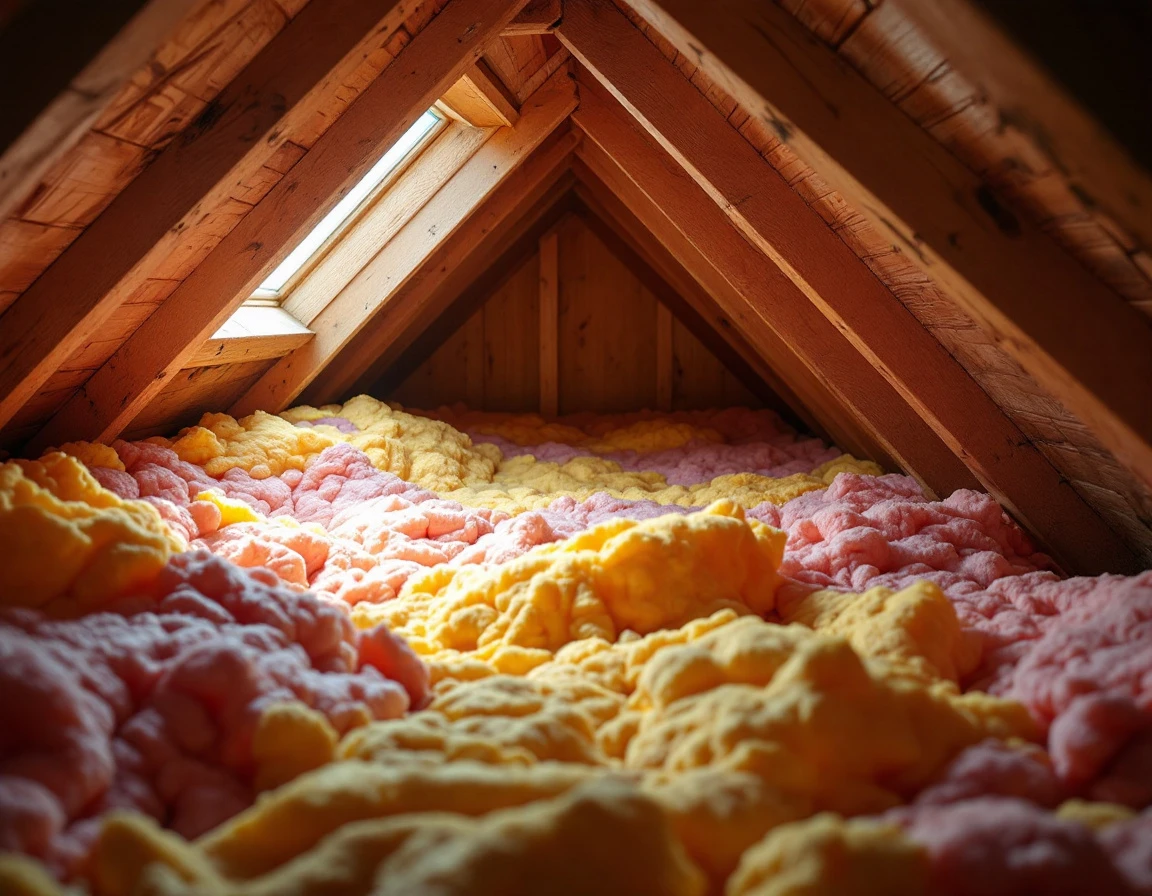
Attic insulation is the highest-priority upgrade for summer cooling efficiency. Heat rises and concentrates under roofs, with attic temperatures reaching 140°F or higher on sunny days. Without adequate insulation, that heat radiates down through ceilings into your home. Portland building codes often show inadequate insulation in homes built before 2000, with many attics containing just R-11 to R-19—far below modern standards.
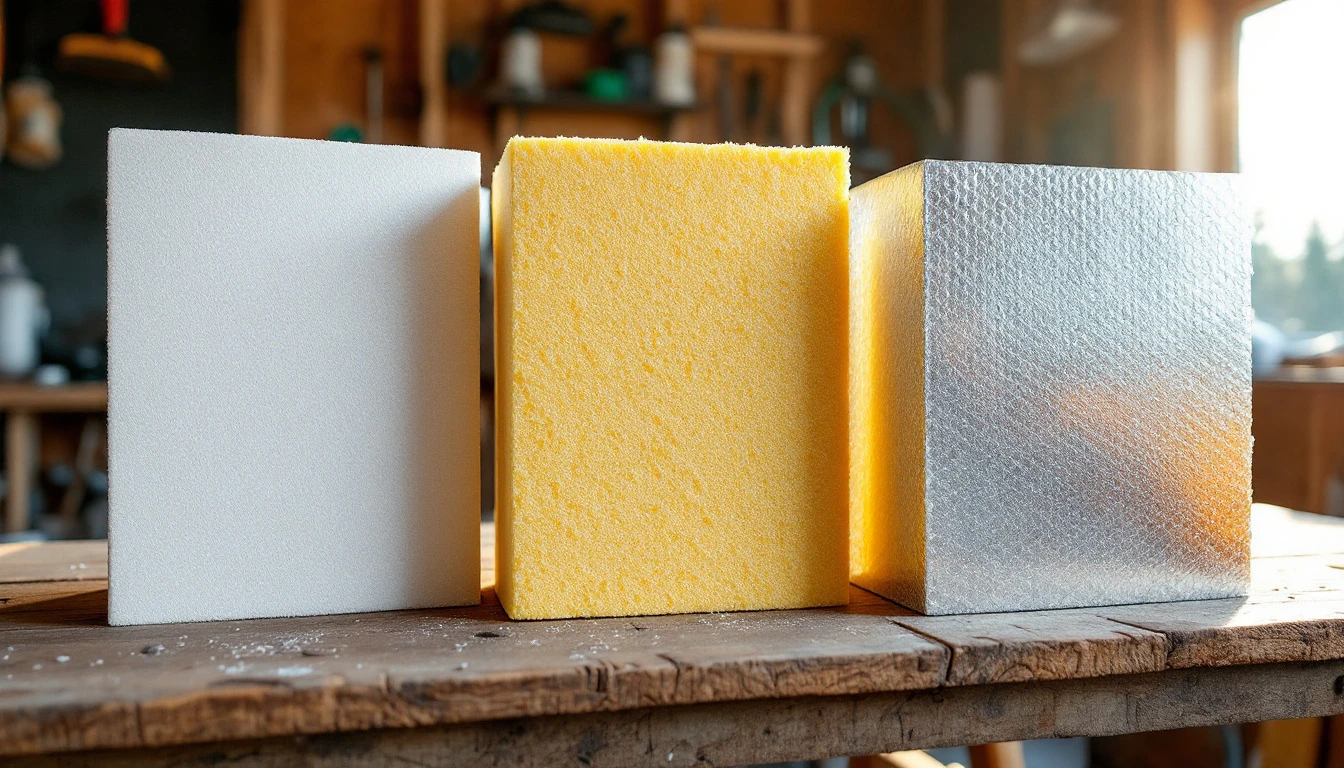
For Portland metro homes, R-30 to R-38 attic insulation is the typical baseline recommended by current energy codes. Upgrading to R-49 or higher extends savings and reduces cooling costs by creating a stronger thermal barrier against that concentrated roof heat. The difference is measurable: aging fiberglass batts compressed over decades provide far less resistance than fresh blown-in cellulose or modern spray foam at proper depth.
Wall and basement insulation provide secondary benefits but deliver slower payback. Walls receive less direct sun exposure than roofs, and basements stay naturally cooler in summer. Home insulation for summer heat protection is most effective in the attic because it addresses the primary pathway for summer heat gain—direct transfer from your superheated roof assembly.
A typical attic insulation upgrade from R-19 to R-49 costs $1,500 to $3,000 for an average Portland home, with payback timelines of 4 to 7 years through reduced cooling costs. Higher R-value in key areas reduces AC strain and cooling costs during summer months by preventing heat from entering your home in the first place. That means your air conditioner cycles less frequently, runs for shorter periods, and consumes less electricity throughout peak season.
Ventilation Air Flow Mechanics
How does ventilation actually cool your attic? The system relies on a continuous flow loop: cool air enters through soffit vents along the eaves, travels upward through the attic space, and exits through ridge or gable vents at the peak. As attic temperatures climb during the day, heated air naturally rises and escapes through the exhaust vents, pulling fresh air in below. This natural convection cycle removes heat before it can radiate down into your living spaces.
Insulation slows heat transfer into your home, while ventilation removes the heat that does accumulate in the attic. Neither works at full capacity without the other.
Sun, heat, insulation, and ventilation must work together—insulation without ventilation traps heat in the attic, overwhelming the thermal barrier. Ventilation without insulation simply moves air around while heat pours through an unprotected ceiling.
Many older Portland homes suffer from blocked soffit vents—packed with old insulation or clogged with debris—or undersized ridge vents that create a bottleneck. When airflow stalls, attic temperatures can soar 30–40 degrees above outdoor readings. Your AC then fights superheated air pressing down from above. Portland’s mild summer nights offer a bonus: natural convection can cool your home after sunset without running the AC, but only if vents allow air to move freely. Proper ventilation combined with insulation can reduce peak cooling loads measurably, cutting the work your air conditioner must perform. Ventilation that reduces cooling costs makes a measurable difference in your energy bills.
Solar Shading and Window Heat Control
Can you stop heat before it enters your home through windows? Absolutely. Exterior solar shading ranks among the lowest-cost interventions with immediate cooling benefits—and it works better than any interior blind or curtain.
In Portland metro homes, east and west-facing windows receive intense morning and afternoon sun during summer months. These are your priority targets. Direct sunlight streaming through glass converts to trapped heat inside your living spaces. Your air conditioner then works harder throughout the day.
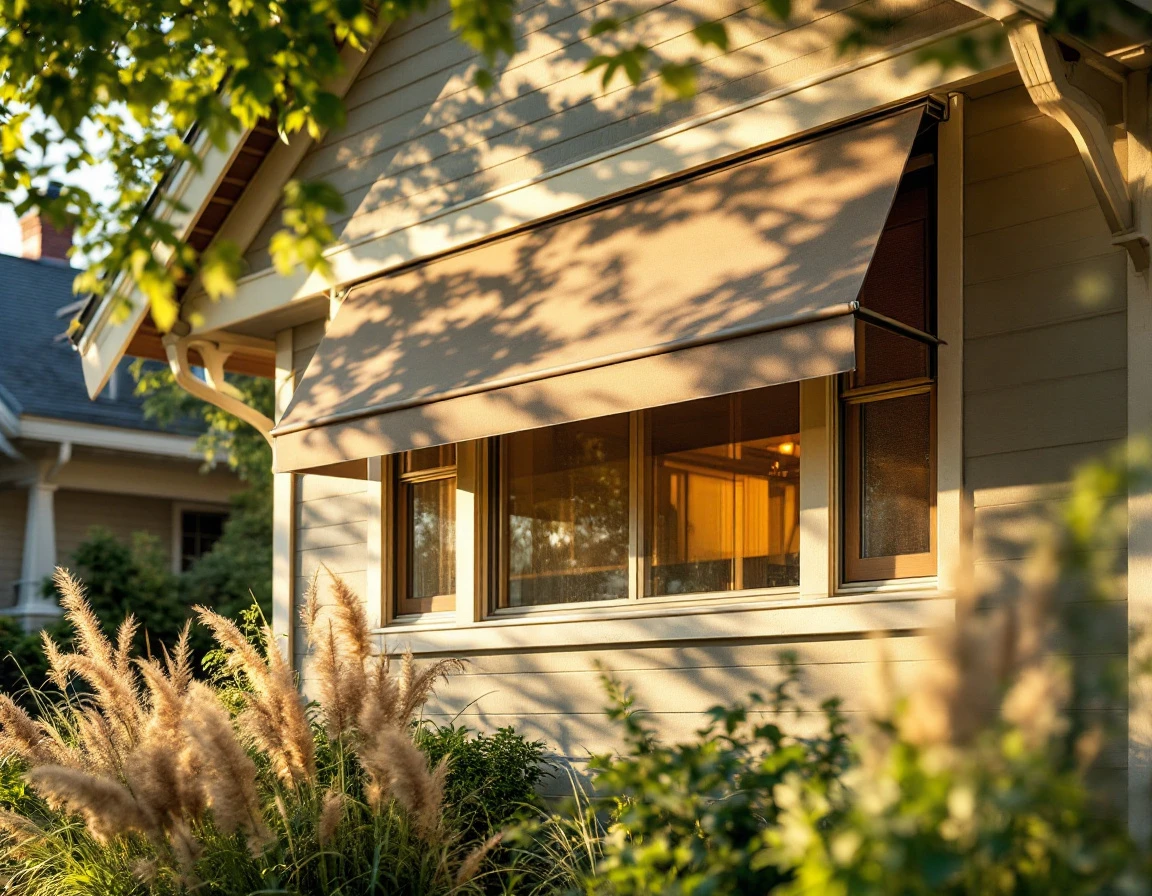
Exterior awnings or shade screens block solar radiation before it penetrates the glass. Preventing heat gain rather than just reflecting it back out. Deciduous trees planted 10-15 feet from south or west walls provide seasonal shade at low cost—leafing out for summer cooling, then dropping leaves to allow winter warmth.
Need an even faster solution? Shade cloth or temporary exterior screens deliver immediate summer cooling benefit for minimal investment. Strategic shading on south and west facades reduces solar heat gain, lowering cooling demand and cutting the hours your AC runs each day.
Combining Upgrades for Maximum Savings on Summer Cooling Costs Portland
Tackling all three heat-prevention strategies at once can feel overwhelming. But a phased approach over 8-12 weeks makes these upgrades manageable while delivering measurable results before August and September peak cooling season arrives. The key is prioritizing upgrades by return on investment, starting with the changes that deliver the most immediate impact on your cooling bills.
Phase 1: Attic Insulation (Weeks 1-4)
Start with attic insulation because it addresses the largest heat-gain pathway in your home. It stops radiant heat before it reaches living spaces and delivers noticeable returns on your cooling bills. The investment fits within most homeowners’ renovation budgets, and a professional installation can be completed within a few days, depending on your attic’s size and accessibility.
Here’s a realistic payback example: invest in attic insulation and enjoy cooling savings during the summer months, combined with heating savings through the winter. Your utility bills will decline enough to recover your initial investment within a few years. Your upgrade continues to pay dividends for decades afterward.
Phase 2: Ventilation Cleaning and Duct Sealing (Weeks 5-7)
Once insulation is in place, address ventilation issues that prevent hot air from escaping your attic. Professional vent cleaning, soffit unblocking, and duct sealing typically cost $300 to $800 and add another 5-10% in cooling cost reductions. This phase works synergistically with your new insulation, creating the airflow loop that prevents heat buildup during Portland’s warm afternoons. Lower AC energy costs follow when both insulation and ventilation work together.
Phase 3: Solar Shading (Weeks 8-12)
Finish with exterior solar shading on your home’s hottest exposures. Several approaches work well—retractable awnings, shade screens, or strategic tree planting—each offering different benefits and installation requirements. The cooling improvement is immediate. It blocks heat before it penetrates windows and reduces the workload on your air conditioning system.
The Combined Effect
When you implement all three upgrades together, you achieve the 15-25% cooling cost reduction that transforms summer utility bills. Even better, these improvements lower your total energy costs year-round by reducing heating demands during winter months. Get started now, and you’ll feel the difference when Portland’s warmest days arrive in just a few months.
Taking Action This August
You’ve learned the technical details—now it’s time to stop paying for cooling inefficiency. Start with a visual attic inspection this weekend. Head up during daylight hours. Look for gaps where sunlight penetrates through roof boards. Check whether existing insulation appears compressed or damaged. Confirm that soffit and ridge vents aren’t blocked by debris or old insulation materials.
Next, walk the perimeter of your home during afternoon hours. Which windows face west? Do you have any exterior shade protecting them from direct sun between 3 PM and 7 PM? Note windows that bake in afternoon heat with no awnings, shade screens, or tree cover—these are your heat-gain hotspots.
Once you’ve completed these basic assessments, schedule a professional energy audit before September arrives. Many Portland utilities offer free or low-cost audits that quantify exactly where your home loses efficiency and which upgrades deliver the best return. An expert can measure attic R-values, test ventilation flow, and identify thermal weak points you might miss.
Book insulation or ventilation work during August or early September while contractors have availability and weather remains dry. Winter rains make attic work difficult, and you’ll want these upgrades working for you before heating season begins. Contact Garage Harmony today to discuss your energy efficiency assessment and find out which summer heat-prevention strategies will deliver the fastest payback for your Portland home.