Why PNW Summer Heat Matters: Garage Ventilation Portland
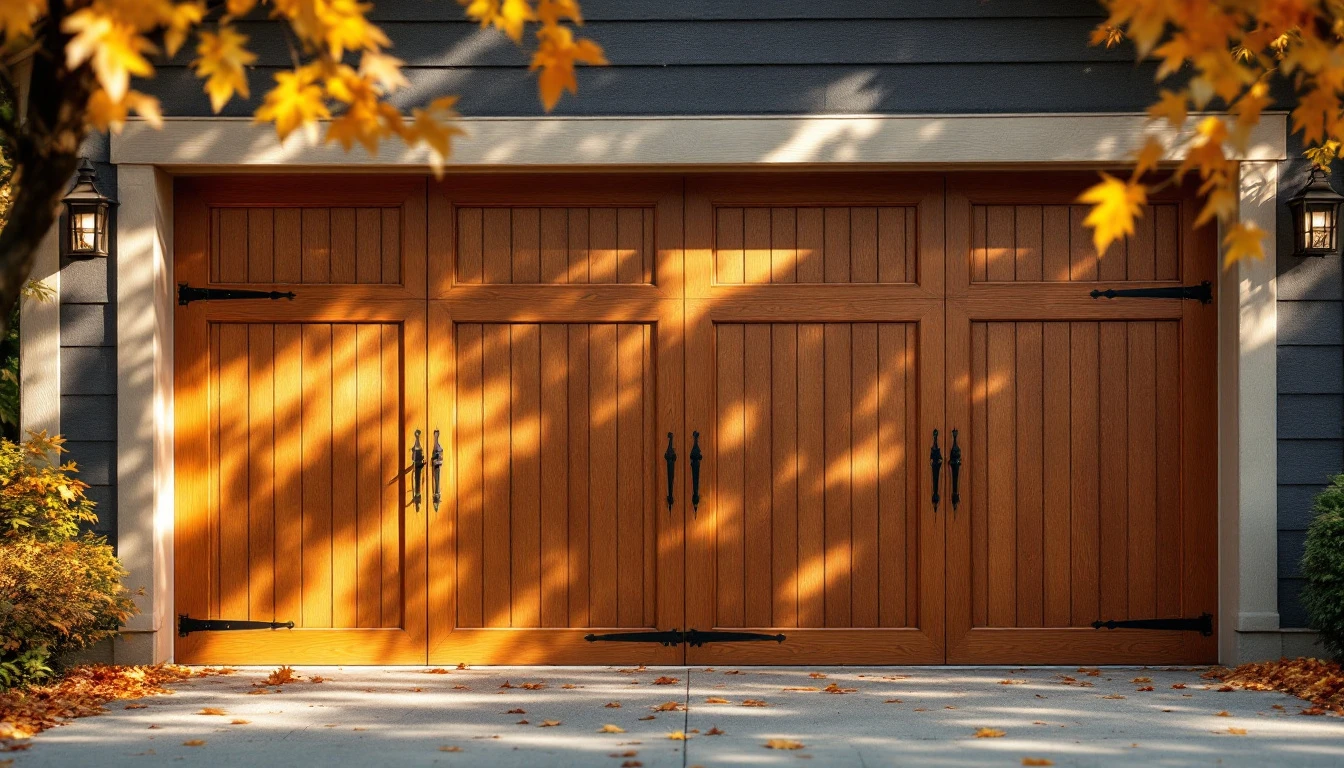
Portland summers might earn a reputation for mild weather, but your garage tells a different story. When outdoor temperatures climb to 85–95°F during July and August, garages without proper garage ventilation Portland solutions routinely exceed 120°F. That metal roof and those south-facing walls turn your garage into an oven, trapping heat long after the sun goes down.
What does that mean for your tools and equipment? Heat accelerates deterioration across the board. Batteries lose capacity and fail prematurely. Motor oil thickens and degrades. Tool finishes blister and peel. Even stored paint and adhesives separate or cure in their containers, turning hundreds of dollars of supplies into waste.
Beyond the equipment damage, the heat makes your garage unusable precisely when you want to tackle projects. Those long summer evenings perfect for woodworking or car maintenance? Forget it. Unbearable conditions drive most homeowners outdoors, eliminating workshop time from June through September.
Here’s the Pacific Northwest twist: our humidity combines with those temperature swings to create condensation problems year-round. When cool, damp air meets hot surfaces, moisture collects on metal tools and equipment. That’s when rust takes hold, eating away at your investment even when you’re not actively using the space.
Four Ventilation System Types
Portland homeowners have four proven ventilation approaches to choose from, each with distinct mechanics and performance characteristics suited to different garage configurations and budgets. Understanding how these best garage ventilation systems handle Pacific Northwest humidity and seasonal temperature swings helps you match the right solution to your specific needs.
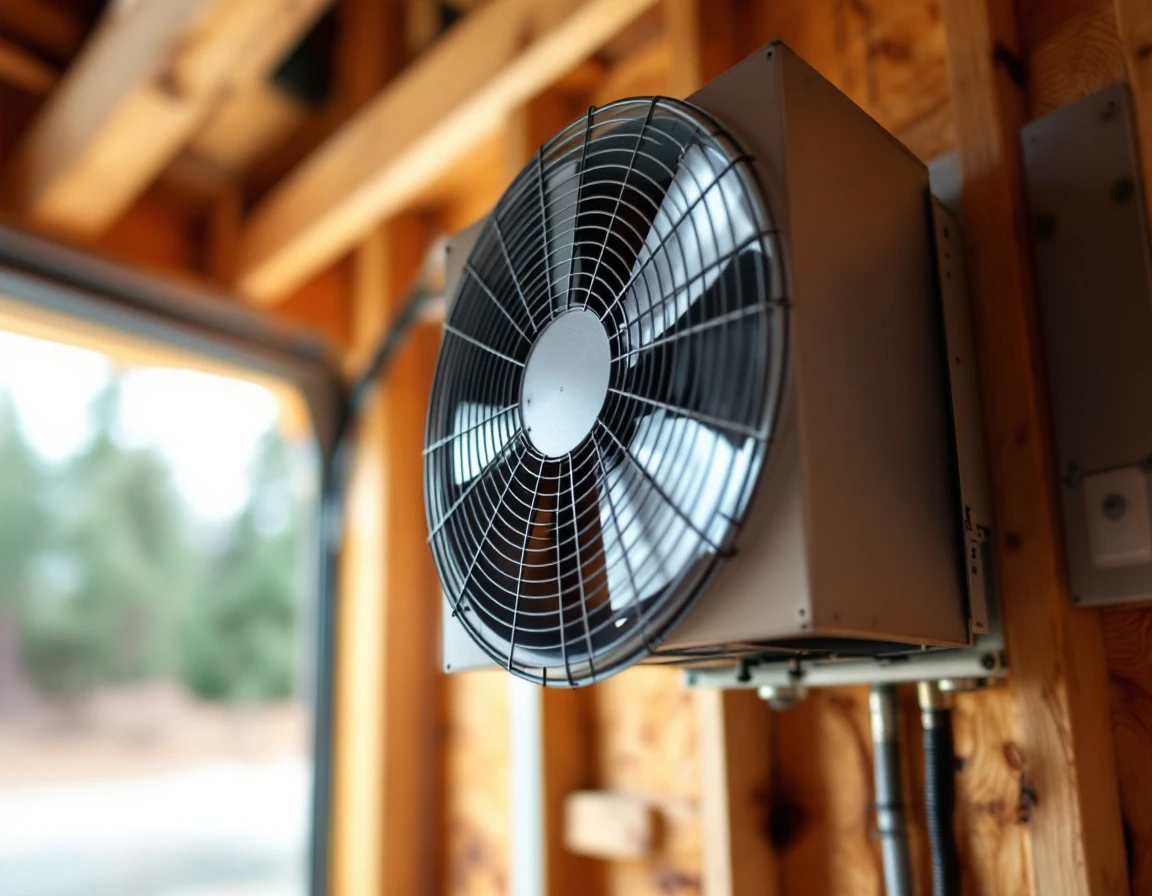
Exhaust fans mount directly in walls or ceilings to actively remove hot air, creating negative pressure that pulls cooler replacement air through gaps and openings. These units run between $200 and $600 installed and work well for single-car garages where concentrated airflow addresses localized heat buildup. In PNW conditions, exhaust fans help vent humid air during wet months and rapidly clear heat during summer afternoons, though they require electrical connections and regular cleaning to maintain performance.
Ridge vents paired with soffit vents create passive airflow by allowing hot air to escape through the roof peak while drawing cooler air in from the eaves. This natural convection system costs $300 to $800 and performs best in garages with pitched roofs where temperature differences drive continuous circulation. For Portland’s mild summers and damp winters, passive ventilation reduces condensation without ongoing energy costs, though effectiveness depends on proper attic design and consistent temperature gradients.
Whole-house fans represent the most powerful option, pulling large volumes of cooler evening air through the garage while exhausting accumulated heat. These systems range from $800 to $2,000 installed and suit multi-car garages or workshop spaces where rapid temperature reduction matters most. They excel during Portland’s warm summer evenings when outdoor temperatures drop quickly, creating ideal conditions for flushing stored heat.
Hybrid solutions combine two systems—commonly exhaust fans with passive vents—to maximize efficiency in high-heat zones or garages with limited natural airflow. By pairing active and passive components, these installations address both daily heat cycles and seasonal humidity patterns common to the Pacific Northwest climate.
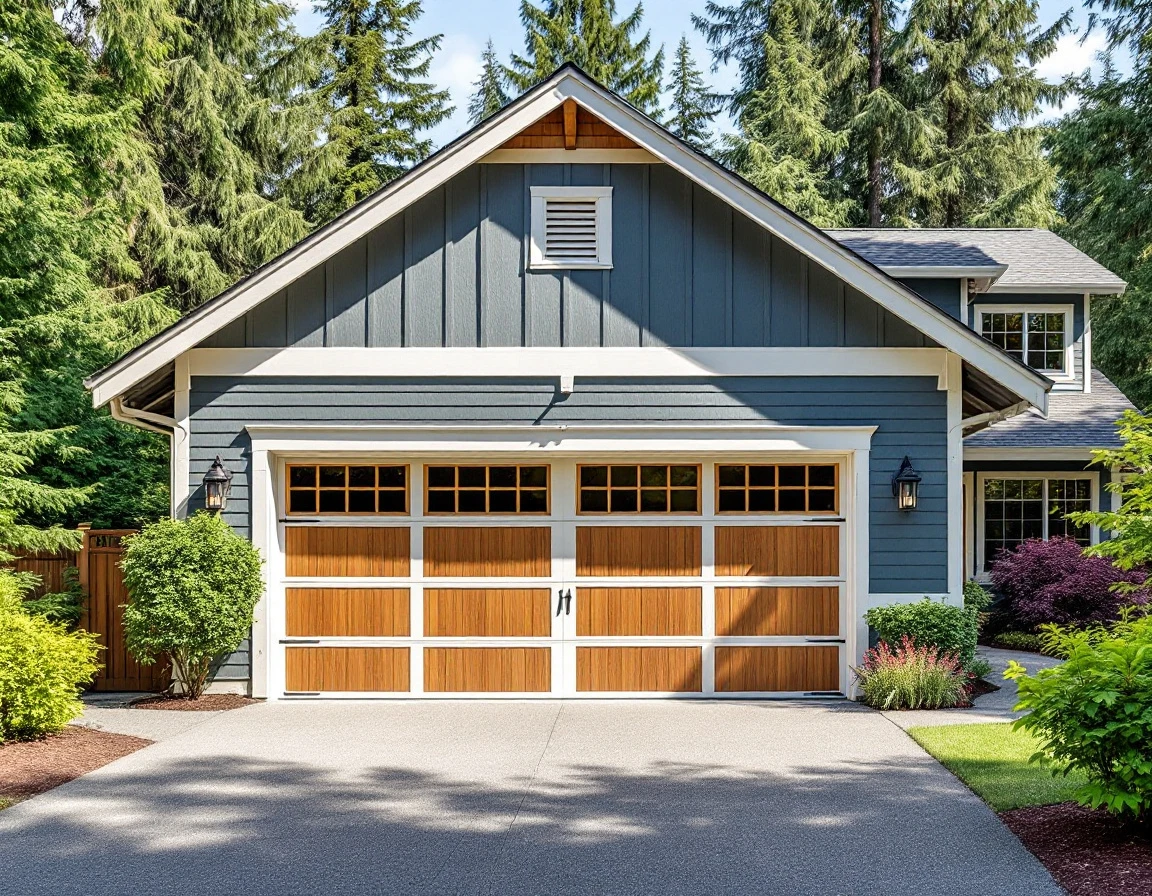
Exhaust Fans for Single-Car Garages
If you’re working with a smaller garage or a modest budget, exhaust fans offer the most accessible entry point into active ventilation. These units come in two main formats: portable models that sit on the floor or bench and wall-mounted versions that require a simple cutout and electrical connection. Most homeowners tackle installation in one to two hours, making this a DIY-friendly weekend project.
Expect to spend $200 to $600 installed. With portable units falling at the lower end and wall-mounted options approaching the upper range. Maintenance demands stay minimal—cleaning or replacing filters every two to three months keeps airflow strong. Runtime costs typically land between $5 and $15 per month during Portland’s summer season, and noise levels vary from barely audible hums to noticeable motor sounds depending on fan quality.
Sizing matters in Pacific Northwest conditions. For garages under 400 square feet, look for fans rated between 500 and 1,200 CFM (cubic feet per minute). Higher CFM ratings move more air per hour, which helps manage moderate summer heat spikes without overworking the motor.
Ridge & Soffit Vents for Pitched Roofs
If your garage has a pitched roof, passive ridge and soffit vents offer a maintenance-free ventilation solution with no recurring electricity costs. These systems rely on natural convection—hot air rises through ridge vents while cooler air enters through soffit vents below—creating continuous airflow when outdoor breezes cooperate. The one-time installation cost typically runs $300–$800 for materials and DIY work, though professional roofer labor adds $500–$1,200 depending on roofline complexity and access challenges.
The trade-off? Passive vents struggle on still, high-humidity summer days common in the Portland metro. Without mechanical assistance, these systems can’t generate enough air movement to prevent condensation or cool a garage effectively when temperatures spike above 90°F and humidity climbs. Ridge vents alone won’t address Pacific Northwest moisture challenges that lead to rust and mildew.
Plan installation for late spring—before July heat peaks—to give your garage the best chance at natural cooling during summer’s hottest weeks.
Installation Difficulty & Professional Help
Can you install a ventilation system yourself, or should you hire a professional? The answer depends on the system you choose and your comfort level with electrical work and roofline access.
Exhaust fans offer the most accessible DIY route if you’re installing a portable unit that plugs into an existing outlet. Wall-mounted or ceiling-mounted fans require running electrical wiring, which many homeowners prefer to leave to a licensed electrician. Professional installation typically runs $150–$400 depending on circuit requirements.
Ridge vents involve cutting into your roofline and installing venting along the peak—work that’s not recommended for typical homeowners. Hire a professional roofer to avoid structural damage, leaks, and safety risks. Expect labor costs between $500–$1,200 for most garage installations.
Hybrid systems require HVAC consultation to properly size and integrate components. Professional labor typically costs $500–$1,500 depending on system complexity and electrical requirements.
Don’t forget permits. Most Pacific Northwest cities, including Portland metro communities, require permits for permanent ventilation installations. Budget an additional $50–$150 for permitting fees and inspections.
Cost-Benefit Analysis: Savings & ROI
Which ventilation system returns your investment fastest? For Portland homeowners managing garage heat solutions in summer months, the answer depends on how you use your garage during peak season and your willingness to pay upfront for long-term savings.
Exhaust fans deliver the quickest payback. By pulling hot air out before it bleeds into your home’s conditioned space, a properly sized exhaust fan saves $200–$400 annually in reduced air-conditioning costs. With installation costs under $600 for most setups, you’re looking at a one- to two-year payback period—the fastest return among all ventilation options.
Ridge vents operate passively, saving $50–$150 per year with zero electricity cost. The five- to eight-year payback is longer, but the system requires no maintenance and adds decades of temperature control without ongoing expense.
Whole-house fans excel for dedicated workshop users who run the system four to five hours nightly. Annual savings of $400–$600 offset the higher upfront cost in two to three years. Beyond energy bills, every ventilation system extends the lifespan of batteries, power tools, paint, and stored vehicles—value that often exceeds the ventilation cost itself within the first five years.
Next Steps: Choose & Install This Summer
Ready to move forward? Start by measuring your garage’s square footage and noting whether your roof is flat or pitched. Use an online CFM calculator to match fan sizing to your space—most single-car garages under 400 square feet need 1,000–1,500 CFM, while larger or multi-car garages benefit from higher airflow capacity.
If you’re comfortable with basic electrical work and wall cutting, an exhaust fan is a manageable weekend project. Not a DIY enthusiast? Get quotes from two to three local contractors for roofline modifications or whole-house fan installation. Ask about permit requirements, labor timelines, and warranty coverage. Most installations wrap up within one week, making August installation realistic even if you’re starting now.
Here’s your decision path: Flat roof or single-car garage with electrical access? Start with an exhaust fan. Pitched roof and prefer zero maintenance? Ridge and soffit vents deliver passive airflow. Multi-car garage or main living space above? A whole-house fan maximizes cooling impact.
Schedule before August’s peak heat arrives. The right ventilation system transforms your summer garage from unbearable to functional while protecting equipment and cutting cooling costs. Contact us today for personalized guidance!