Why Attics Drive Summer Heat Energy Costs in Portland
Your attic acts like a heat trap during Portland’s summer months, absorbing intense sun exposure and radiating warmth downward into living spaces throughout the day and night. Understanding how attics impact your summer heat energy costs Portland homeowners face is the first step toward cutting those bills.
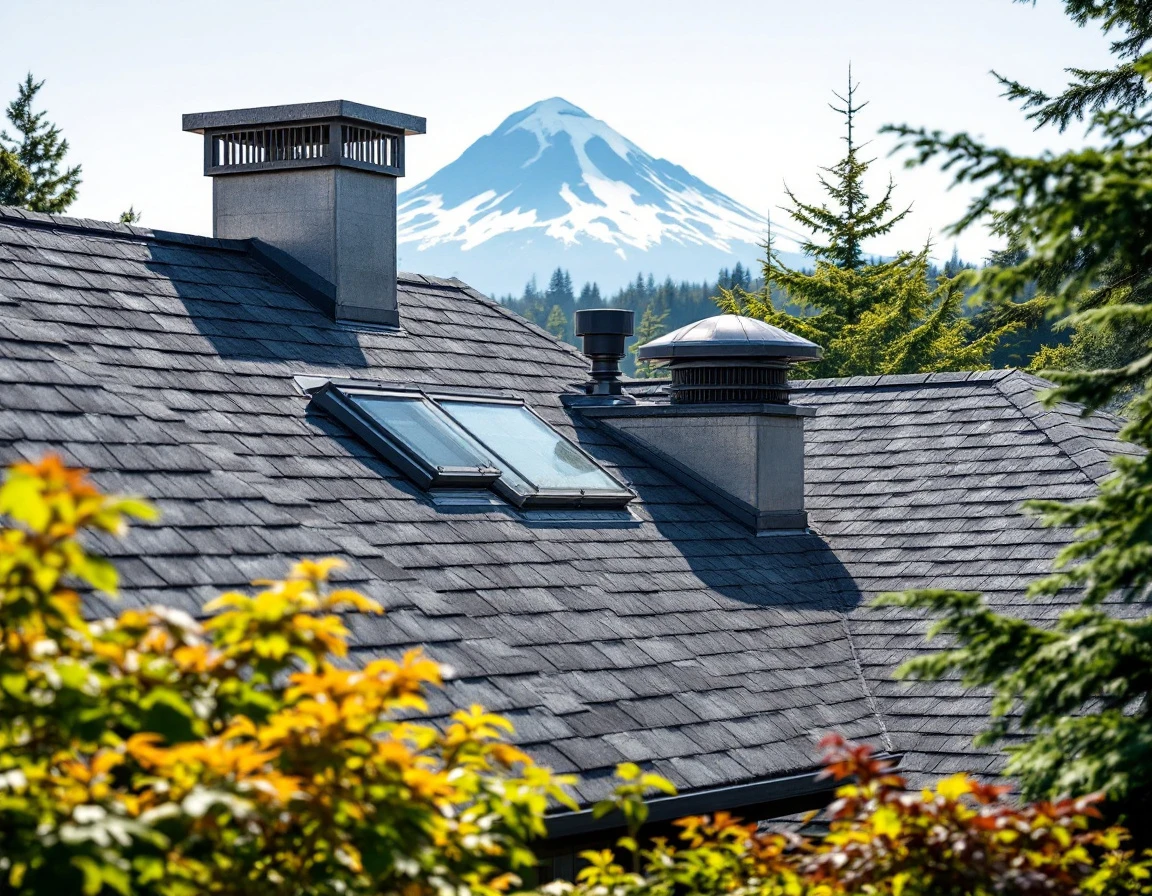
Uninsulated or underinsulated attics allow summer heat to radiate readily into living spaces, driving up cooling costs and reducing comfort throughout the home.
When the sun beats down on your roof during Portland’s July and August heat waves, uninsulated or underinsulated attics allow 85% of that heat to radiate directly into your living spaces. Your attic essentially becomes a heat radiator, pushing warm air down through ceilings and raising indoor temperatures by several degrees.
Poor attic ventilation makes the problem worse by trapping hot air with nowhere to escape. Without adequate intake and exhaust vents, your attic turns into a sealed oven that keeps your air conditioning running longer and working harder just to maintain comfortable temperatures.
Portland’s June–August sun intensifies roof temperatures and cooling demand
When Portland’s summer sun hits your roof between June and August, surface temperatures can climb to a scorching 140–160°F. That superheated roof deck radiates intense warmth directly into your attic space, creating an oven effect that pushes heat down into your living areas throughout the afternoon and evening.
Attic efficiency upgrades deliver the fastest payback of any energy improvement you can make. While kitchen remodels and new windows grab attention, a properly insulated and ventilated attic starts cutting your cooling bills immediately—often within the first cooling season.
Here’s what most Portland homeowners don’t realize: attic efficiency upgrades deliver the fastest payback of any energy improvement you can make. While kitchen remodels and new windows grab attention, a properly insulated and ventilated attic starts cutting your cooling bills immediately—often within the first cooling season.
Assessing Your Attic’s Current State
Start simple. Check your insulation depth in a few spots across the attic floor. This tells you exactly what you’re working with before any upgrades. Your attic insulation needs to reach R-38 to R-49 to handle Portland’s summer heat effectively. Check how deep your insulation is—if it’s less than 10 inches of fiberglass or 13 inches of cellulose, you’re losing cool air and paying extra on your AC bills.
Next, inspect your ventilation system. Look for blocked soffit vents where insulation has been pushed too close to the eaves. Check that your ridge vents run the full length of the roof peak, and verify that passive intake vents aren’t painted over or clogged with debris. Poor ventilation creates a heat trap that no amount of insulation can fix.
See dark staining on your roof decking? That’s moisture buildup from excessive heat—a red flag that your ventilation isn’t working hard enough. Uneven or curled roof shingles suggest thermal stress from inadequate airflow below. These visual cues tell you whether your attic is cooking itself during Portland’s summer heat waves.
Not sure if your attic is performing efficiently? Garage Harmony offers professional energy audits for $200–400 that use thermal imaging to reveal exactly where you’re losing cool air and where hot spots are hiding. This investment pays for itself in one summer by identifying the specific upgrades that will deliver the biggest cooling cost reductions. Schedule your assessment with us in May or early June, before peak heat arrives and contractors book solid through August.
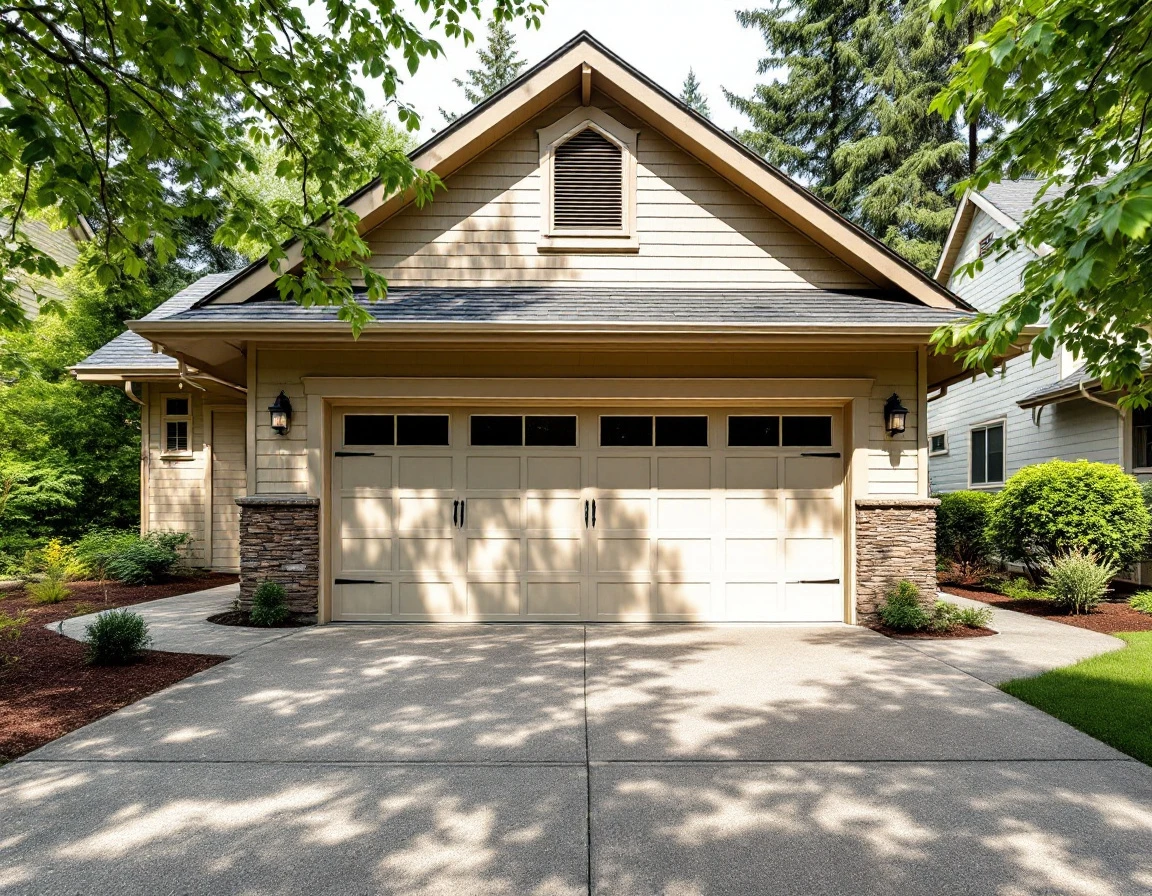
Ventilation Fixes: Quick Wins Before July Heat
Before you invest in new insulation, fixing your attic ventilation can drop temperatures by 10–15°F and cut cooling costs without major expense. These upgrades often deliver results in just one or two seasons, making them the fastest path to relief before Portland’s July and August heat arrives.
Quick ventilation fixes you can implement include:
- Clear your soffit and intake vents first. This is the single most effective quick fix homeowners can tackle themselves. Blocked vents trap hot air in your attic, preventing the natural convection that pulls heat out through ridge and gable vents. Walk your roofline and clear any debris, insulation, or paint blocking the perforated soffit panels—you’ll notice cooler attic temperatures within days.
- Check your ventilation ratio. The Pacific Northwest climate calls for at least one square foot of ventilation for every 150 square feet of attic space. If your 1,200-square-foot attic has fewer than eight square feet of vent area combined, you’re trapping heat that would otherwise escape naturally.
- Add or repair ridge vents and gable vents. These require roofing work most homeowners should outsource. These passive systems need no electricity and last for decades, making them a practical long-term investment. For homes with severe thermal stress—attics hitting 130°F or higher—powered attic fans provide active exhaust and deliver meaningful relief. Our team at Garage Harmony handles professional installation to make sure these fans operate efficiently enough to offset their cost through reduced cooling demands over time.
Even before you add insulation, proper ventilation alone can reduce your cooling costs by 5–10% by preventing heat buildup. Insulation and ventilation for energy efficiency work hand-in-hand, making these fixes the logical first step in your attic efficiency plan.
Proper ventilation alone can reduce your cooling costs by 5–10% by preventing heat buildup. Insulation and ventilation for energy efficiency work hand-in-hand, making these fixes the logical first step in your attic efficiency plan.
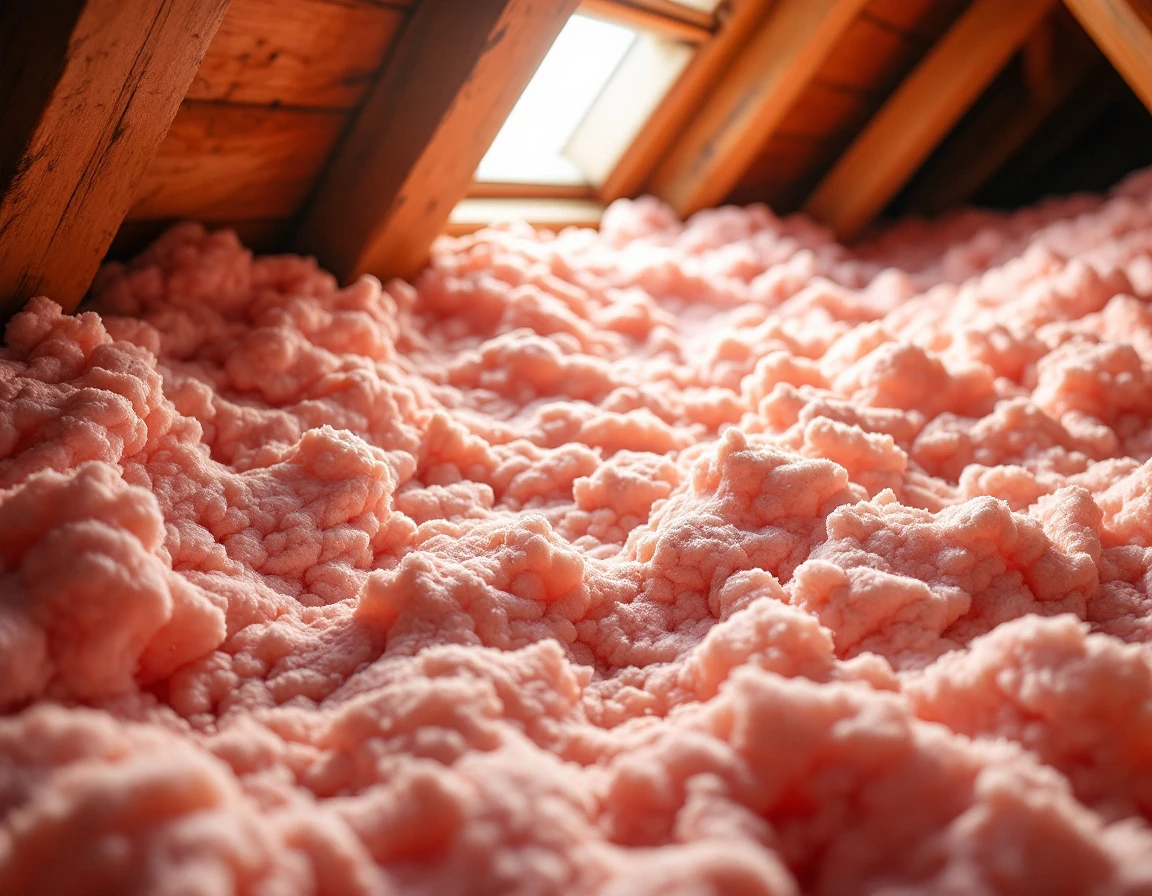
Insulation Upgrades: ROI Timeline for Portland
After addressing ventilation issues, insulation becomes your next high-impact investment. Portland Building Code recommends R-49 for attic insulation, and blown-in cellulose or fiberglass are the most cost-effective materials to reach this standard. Installation typically costs $1.50 to $3.00 per square foot. Meaning a 1,000-square-foot attic runs between $1,500 and $3,000 depending on existing insulation levels and access difficulty.
What can you expect from this investment? During your first full summer cycle from June through September, properly installed R-49 insulation delivers 10 to 15 percent energy savings by blocking heat transfer from your superheated roof deck into living spaces below. Your AC system runs shorter cycles and maintains temperature with less effort, translating directly to lower energy bills in hot weather.
The payback timeline depends on your current cooling costs and usage patterns. For Portland metro homeowners running air conditioning through hot weeks, expect to recoup your investment in 4 to 7 years. Homes with older, less efficient AC units or those running systems daily during summer heat waves see faster returns. Houses with minimal AC use take longer to break even but still benefit from improved comfort and reduced strain on cooling equipment.
Here’s where the full strategy comes together: insulation alone provides that 10 to 15 percent reduction, but when you combine upgraded insulation with the ventilation fixes covered earlier, you reach the 15 to 25 percent total cooling cost reduction this approach targets. Attic insulation and ventilation for energy efficiency in Portland Oregon work in tandem—ventilation removes trapped heat while insulation blocks new heat from entering—creating compounding benefits that neither upgrade achieves alone.
DIY vs Professional: What to Outsource
Some attic upgrades you can tackle on your own, while others need professional expertise. Tasks suitable for DIY include:
- Clearing blocked soffit vents
- Inspecting for airflow obstructions
- Minor air sealing around pipe penetrations
These are perfect weekend DIY projects that cost almost nothing beyond your time and basic materials.
Where should you bring in the pros? Blown-in insulation installation needs truck-mounted equipment and protective gear most homeowners don’t have. Our team at Garage Harmony handles this kind of work all the time, and we know exactly how to get the job done right. We understand air-sealing protocols and building codes that prevent moisture problems and deliver consistent coverage to your target R-value.
Structural ventilation work falls squarely in the professional category. Installing ridge vents means cutting through roof decking, while modifying soffit venting requires carpentry skills and waterproofing knowledge. Portland-area contractors typically charge $1,200–2,500 for blown-in installation, and $800–1,800 for ventilation upgrades. Contact Garage Harmony today for a free quote—we can bundle these improvements and often deliver savings over pricing them separately.
When you’re hiring, make sure they have current Oregon CCB licenses and real liability insurance. Ask for references from recent work. Our team at Garage Harmony carries both and we’re happy to share past customer feedback anytime. We pull permits for structural ventilation work and make sure everything meets code.
Action Plan: Timing for Peak Season Savings
Ready to act? Portland summers give you a narrow window to capture cooling savings before July and August heat peaks. Here’s when to tackle each step—and when to reach out to Garage Harmony for the work that needs professional hands.
- Right now in June: Complete attic assessment and vent clearing. This zero-cost project takes two hours and can drop attic temperatures by 5–10°F immediately, preventing the worst heat buildup before it starts.
- Early July: Install ventilation upgrades. Want real relief before peak heat? Powered attic fans or ridge vent repairs installed now deliver measurable cooling savings in your first billing cycle, and contractors have better availability before the summer rush peaks.
- Throughout July and August: Track your cooling costs week by week. Compare bills to last summer’s baseline and calculate your savings from ventilation work. Residential electricity bills typically peak during the summer months. So tracking this data tells you whether insulation upgrades make financial sense and helps size your investment for maximum return.
- August through September: Plan your insulation installation. If you’re ready to invest now, early August installation captures late-summer savings before the hottest days pass. Want more time? Schedule your installation for September or October when we have better availability. Reach out to Garage Harmony today to lock in your timeline and get a free quote. Either approach positions you for the 15–25% total reduction the combined upgrades deliver.