Why Central Oregon Garages Need the Best Garage Insulation Central Oregon Offers
Central Oregon winters bring freezing temperatures and heavy snow, creating harsh conditions that demand the best garage insulation Central Oregon homeowners can install to prevent heat loss and protect your space.
Subzero winter temperatures create heat loss
When temperatures plummet below zero, uninsulated garage walls and doors become direct pathways for heat to escape. Cold air penetrates through gaps and thin surfaces, forcing your heating system to work harder just to maintain comfortable temperatures inside your home.
Attached garages create an even bigger problem. These spaces act as thermal bridges, pulling heated air from your living areas through shared walls and ceilings. The result? Your heating costs climb steadily throughout the winter months as your furnace compensates for this constant drain on your home’s warmth.
Detached garages experience rapid temperature swings
Detached garages face unique challenges during Central Oregon winters. Unlike attached structures, they experience rapid temperature swings as outdoor cold rushes in and any residual heat escapes quickly. These fluctuations place constant stress on door mechanisms, causing metal components to contract and expand repeatedly, which can lead to premature wear on springs, tracks, and opener systems.
Proper insulation addresses this problem by stabilizing interior temperatures and creating a buffer against extreme cold.
In harsh climates like Central Oregon, homeowners who insulate their detached garages find that their heating costs drop noticeably over the course of a year, making it a worthwhile investment that protects both equipment and your wallet.
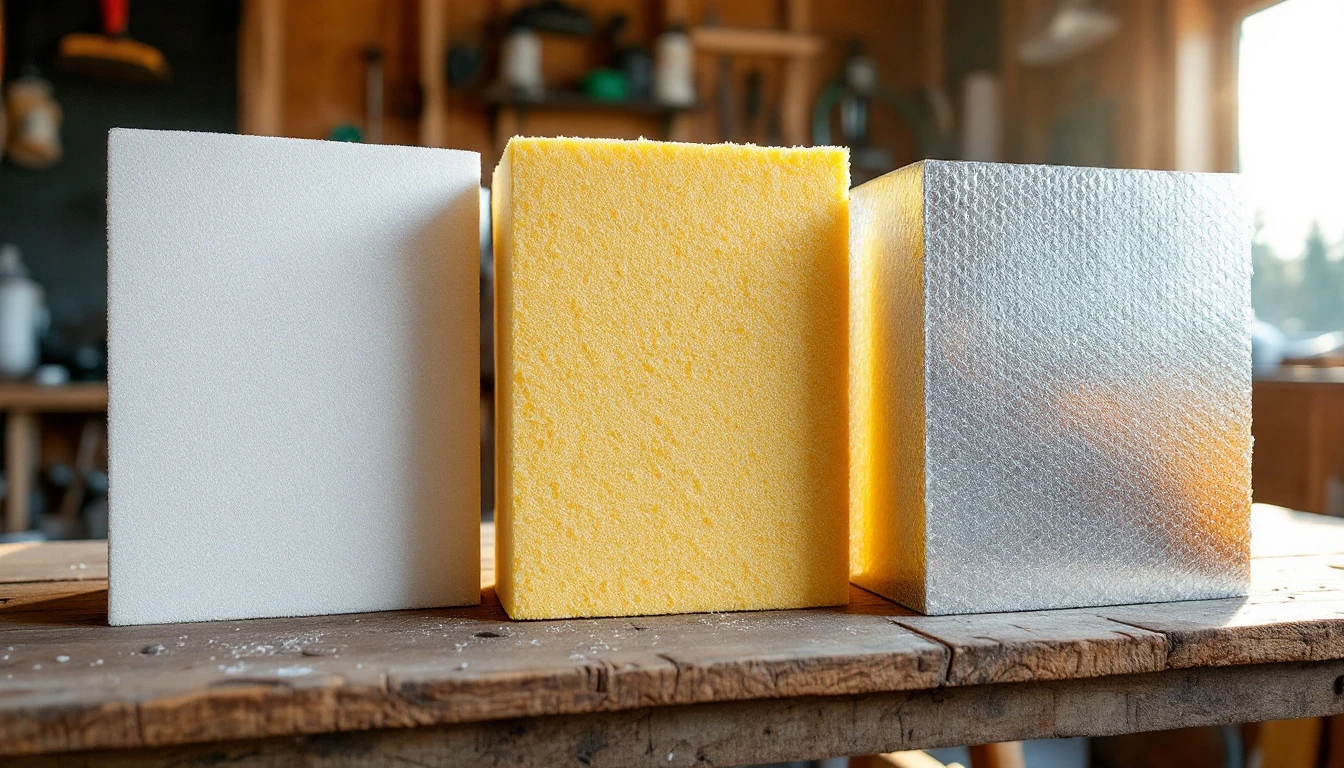
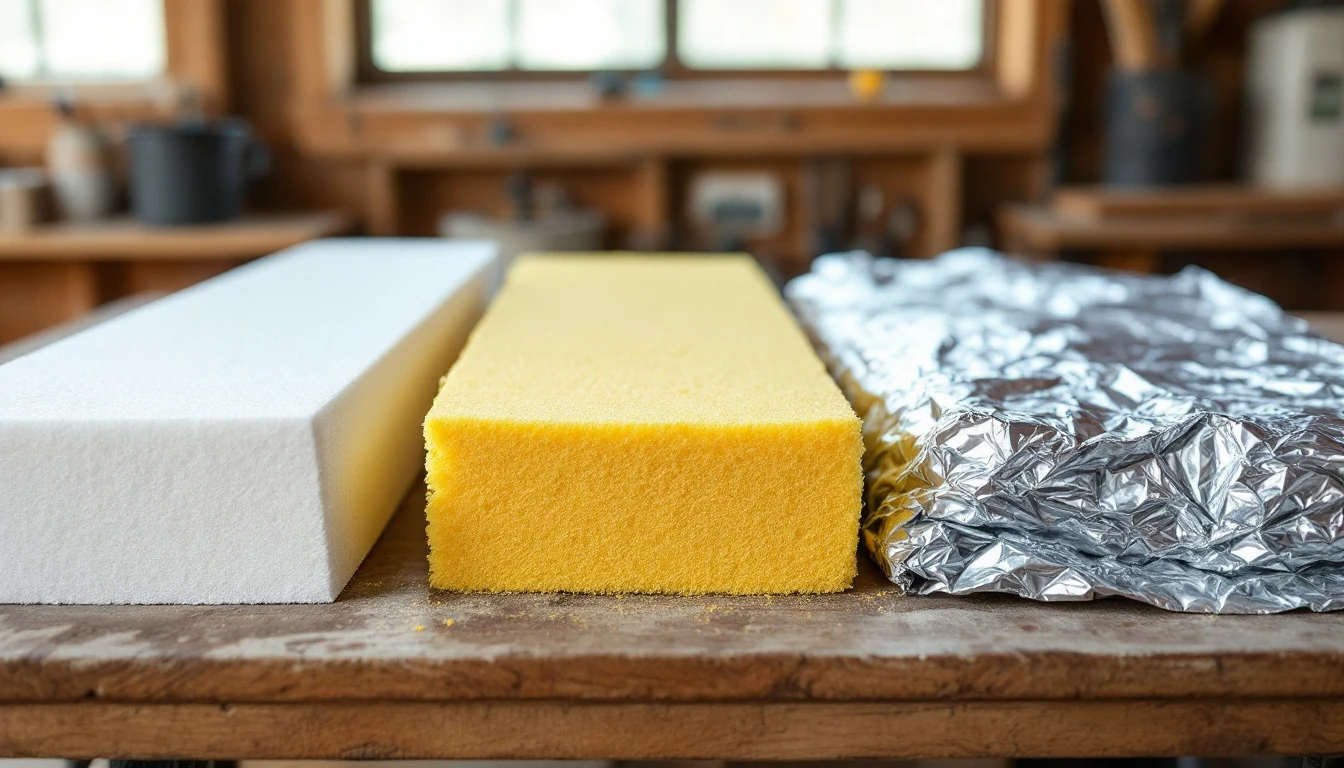
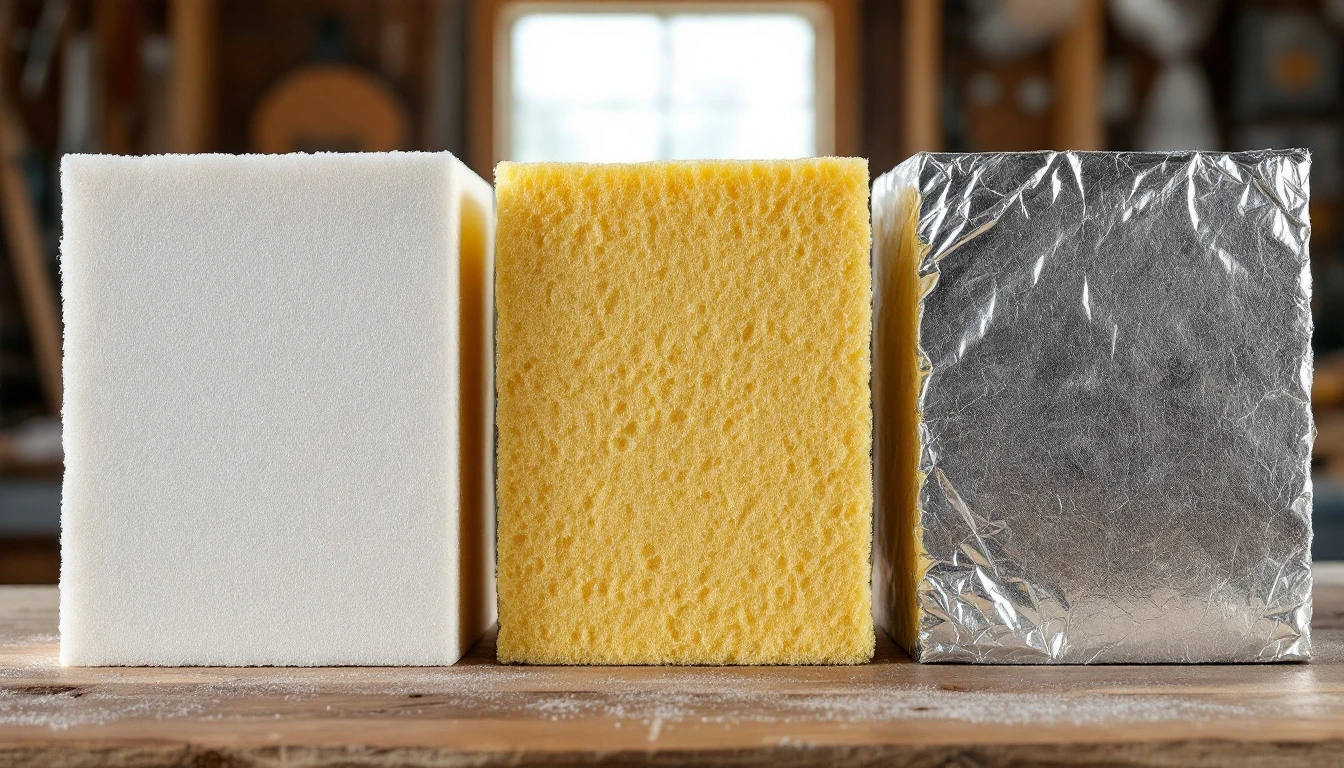
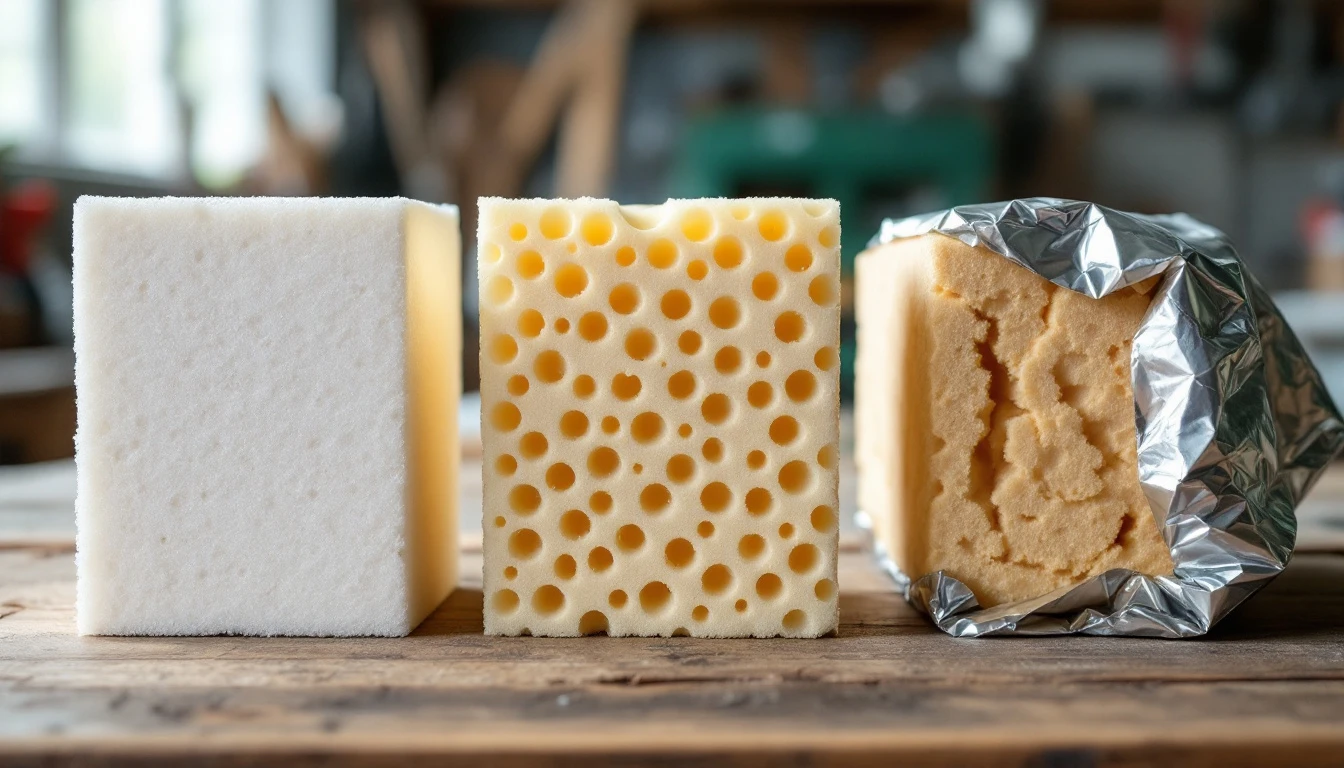
Polystyrene Insulation: R-Value, Cost, and Performance in Cold Climates
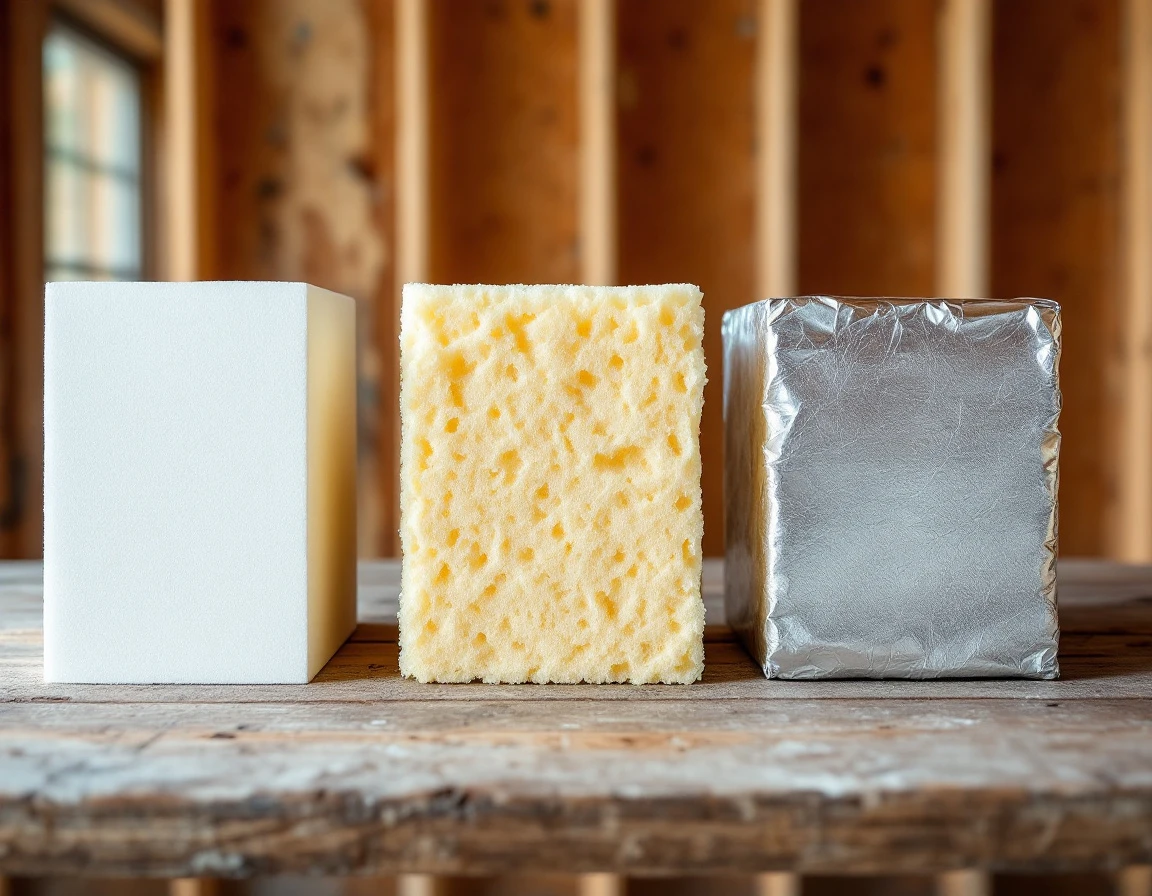
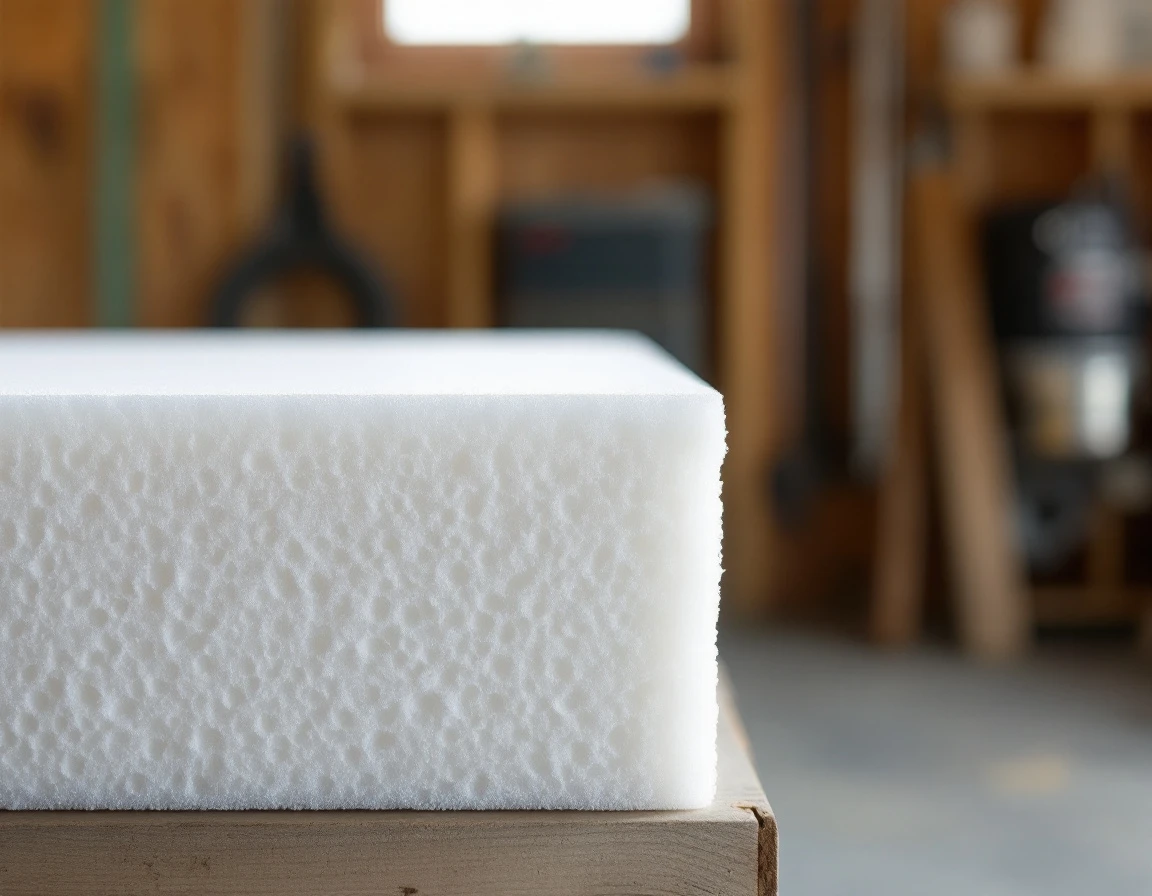
Polystyrene offers Central Oregon homeowners a budget-friendly middle ground between basic reflective barriers and premium spray foam options. With an R-value ranging from 3.6 to 4.2 per inch. This lightweight foam board delivers solid thermal resistance for garage doors and walls. Since Central Oregon garages typically need R-20 to R-30 to withstand winter conditions, you’ll need roughly 5 to 7 inches of polystyrene to meet that target. A 5-inch installation delivers approximately R-18 to R-21, which works well for detached garages or as a first phase of insulation improvements.
What makes polystyrene appealing for DIY installation? The material ranks among the most affordable insulation options on the market, with a price point that won’t strain your budget. It’s lightweight enough to handle alone and cuts easily with a utility knife or hot wire cutter. Homeowners can trim foam boards to fit between garage door panel ribs or stud cavities without specialized tools or professional help. The panels snap into place without messy adhesives or complicated fastening systems.
However, polystyrene does have a cold-climate limitation worth understanding. When temperatures drop below -10°F—which happens several times each winter in Central Oregon—polystyrene’s insulating effectiveness degrades slightly. The foam’s cellular structure becomes less efficient at trapping air pockets in extreme cold. Does this make polystyrene a poor choice for the region? Not necessarily. The performance drop is modest, and the material still provides meaningful thermal resistance during subzero events.
For attached garages where maintaining consistent temperatures matters most, you might want the superior cold-weather performance of polyurethane. But for detached garages, workshops, or budget-conscious homeowners looking to upgrade from uninsulated doors, polystyrene delivers reliable mid-range performance at an accessible price point. It handles typical winter conditions well and installs quickly enough to complete over a weekend.
Polyurethane Foam: Superior Performance for Cold Climate Garage Insulation
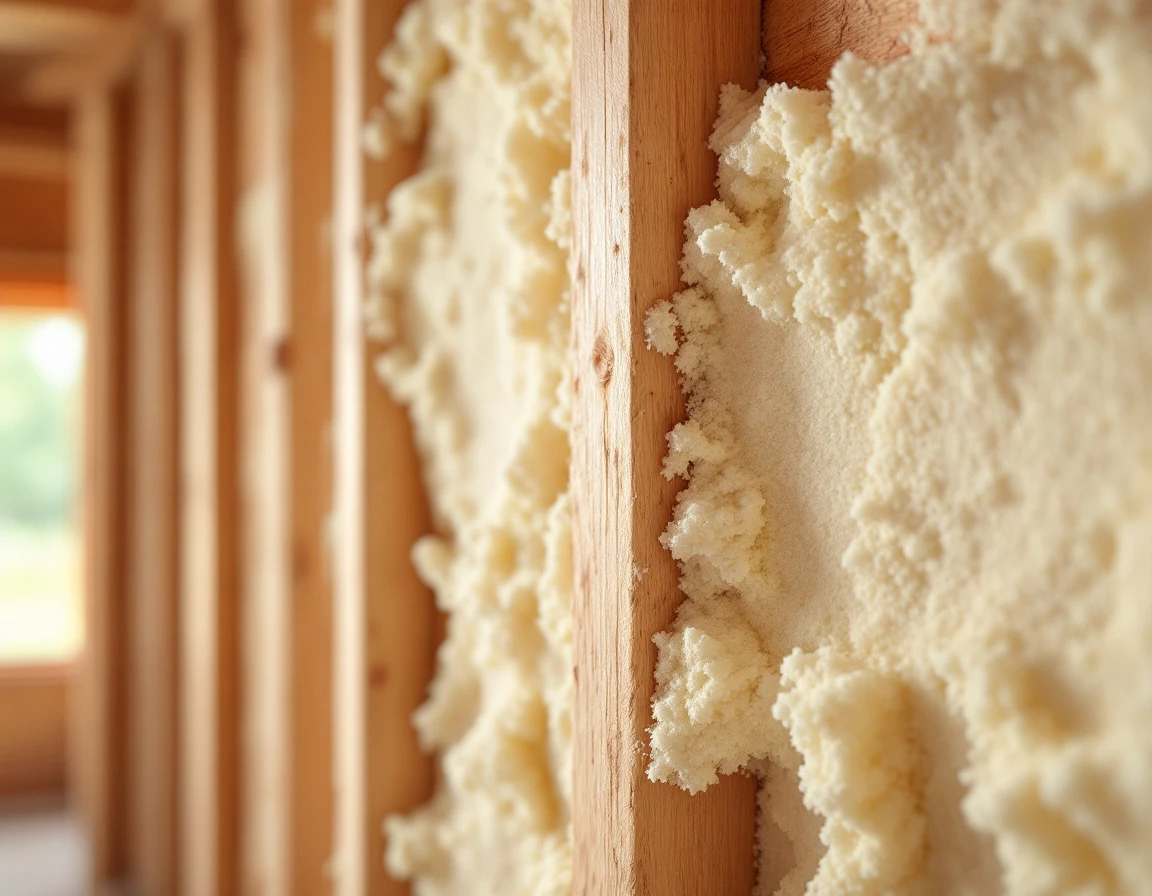
When Central Oregon temperatures plunge below zero, polyurethane foam insulation outperforms every alternative. Unlike polystyrene, which loses efficiency in extreme cold, polyurethane actually maintains its thermal resistance when you need it most. With an R-value of 6.0–7.0 per inch, this material delivers the highest insulating performance available for residential garages.
What sets polyurethane apart is the installation method. Professional contractors spray-apply the foam directly to garage walls and ceilings, where it expands to fill every crack, gap, and irregular surface. This creates an airtight barrier that eliminates thermal bridging—those invisible pathways where heat escapes through studs, joints, and structural gaps. The result is a continuous protective envelope that keeps heated air inside your garage rather than letting it seep into the cold.
Cost Versus Long-Term Savings
Professional polyurethane installation represents a premium investment compared to polystyrene panels you can install yourself. However, this choice pays dividends through reduced heating costs, especially in attached garages where temperature control directly affects your home’s energy bills.
Consider a typical 500-square-foot attached garage in Central Oregon. Polyurethane insulation can reduce your annual heating expenses by $300–$500 compared to an uninsulated space. At the higher end of installation costs, you’re looking at a return on investment within five to eight years—after which the savings continue year after year.
Professional Installation Required
Unlike polystyrene panels, polyurethane foam isn’t a DIY project. The spray application requires specialized equipment, protective gear, and training to achieve proper coverage and thickness. Professional installers know how to account for electrical boxes, door tracks, and other obstacles while maintaining consistent R-value throughout the space.
For Central Oregon homeowners prioritizing maximum energy efficiency and long-term heating savings, polyurethane foam represents the premium choice.
The upfront investment delivers superior thermal performance exactly when winter conditions demand it most.
Reflective Barriers: Radiant Heat Protection
Reflective barriers work by bouncing radiant heat back toward its source—a strategy that shines in hot climates where summer sun beats down on garage doors and roofs. But how does this technology perform when Bend or Sisters faces subzero January nights? The answer reveals why reflective barrier insulation garage benefits fall short in extreme cold for Central Oregon garages.
In extreme cold, heat escapes primarily through conduction and convection. Not radiation. Reflective barriers carry an R-value of just 1.0 to 1.5. Meaning they offer minimal resistance to the conductive heat loss that dominates winter performance. While they cost only $0.30 to $0.75 per square foot—far less than polystyrene or polyurethane—this price advantage disappears when you consider the lack of meaningful thermal control during the months that matter most.
Does this mean reflective barriers have no place in Central Oregon garages? Not exactly.
When paired with polystyrene panels or spray polyurethane foam, a reflective barrier can provide a secondary defense layer that addresses summer heat gain without compromising winter insulation.
This combination delivers year-round efficiency, using the reflective surface to moderate temperature swings while the primary insulation handles the heavy lifting during cold months.
Think of reflective barriers as a supporting player rather than the star. On their own, they won’t keep your garage warm enough to prevent frozen tools or protect temperature-sensitive equipment. Combined with strong primary insulation, they complete a thermal envelope suited to Central Oregon’s dual-season demands.
Decision Framework: Match Garage Insulation Comparison Polystyrene Polyurethane to Your Space
How do you choose between polystyrene, polyurethane, and reflective barriers? Start with your garage type. Attached garages should prioritize polyurethane foam because its air-sealing properties prevent conditioned air from your home from escaping through shared walls and ceilings. Every gap in an attached garage becomes a direct pathway for heat loss, and polyurethane’s spray application eliminates those thermal weak points completely.
Detached garages operate under different rules. If you’re working with a tight budget, polystyrene delivers roughly 80% of polyurethane’s thermal performance at half the cost. For a detached structure that doesn’t share air with your living space, that trade-off makes financial sense. You’ll still protect tools and vehicles from temperature swings without the premium price tag.
Budget becomes your second decision point. Consider these options:
- Planning to spend under $2,000 total? Polystyrene panels or batts will get the job done.
- Have $3,000 to $6,000 available? Polyurethane foam justifies the investment through lower heating costs and superior moisture control.
- Ultra-tight budget? Combine a reflective barrier on garage doors with polystyrene in walls and ceiling for dual protection that addresses both radiant and conductive heat transfer.
Timing matters as much as material choice. October marks the last practical window for insulation installation before winter weather complicates the work. Cold temperatures affect spray foam curing, and snow or ice can delay projects for weeks. Don’t wait until the first freeze forces you into emergency decisions.
Ready to move forward? Contact a licensed insulation contractor for a site assessment before temperatures drop further. They’ll measure your space, calculate R-value requirements, and provide a detailed estimate. Get in touch with us today at Garage Harmony to schedule your consultation and protect your garage before the deep freeze arrives.