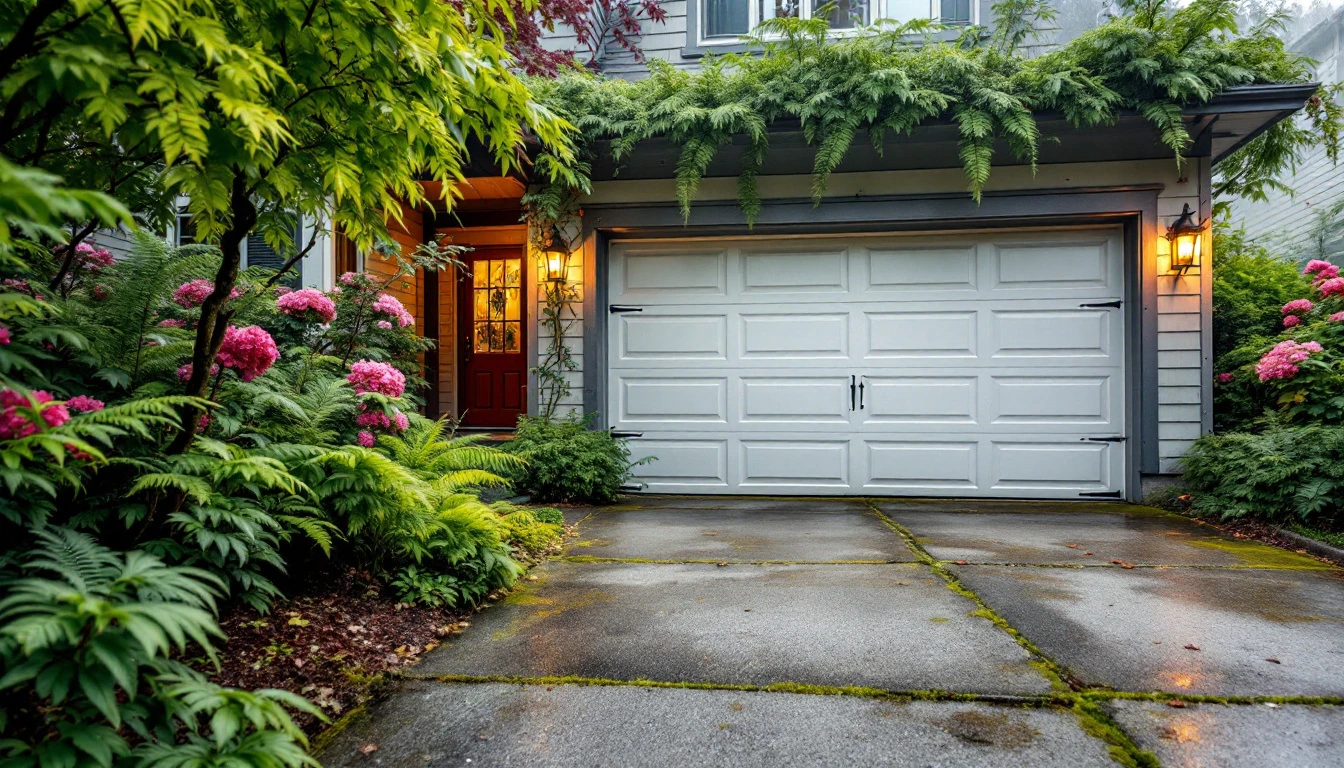
Symptom-Based Diagnosis Flowchart
Before reaching for your phone to call for help, you can identify most garage door opener issues with a simple systematic approach. Portland homeowners face four core symptoms that reveal the underlying problem: your door won’t open at all, it won’t close completely, it makes unusual noises during operation, or it opens partway then stops. Each symptom points toward a specific category of failure.
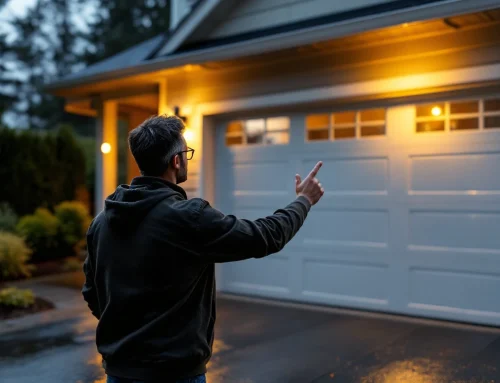
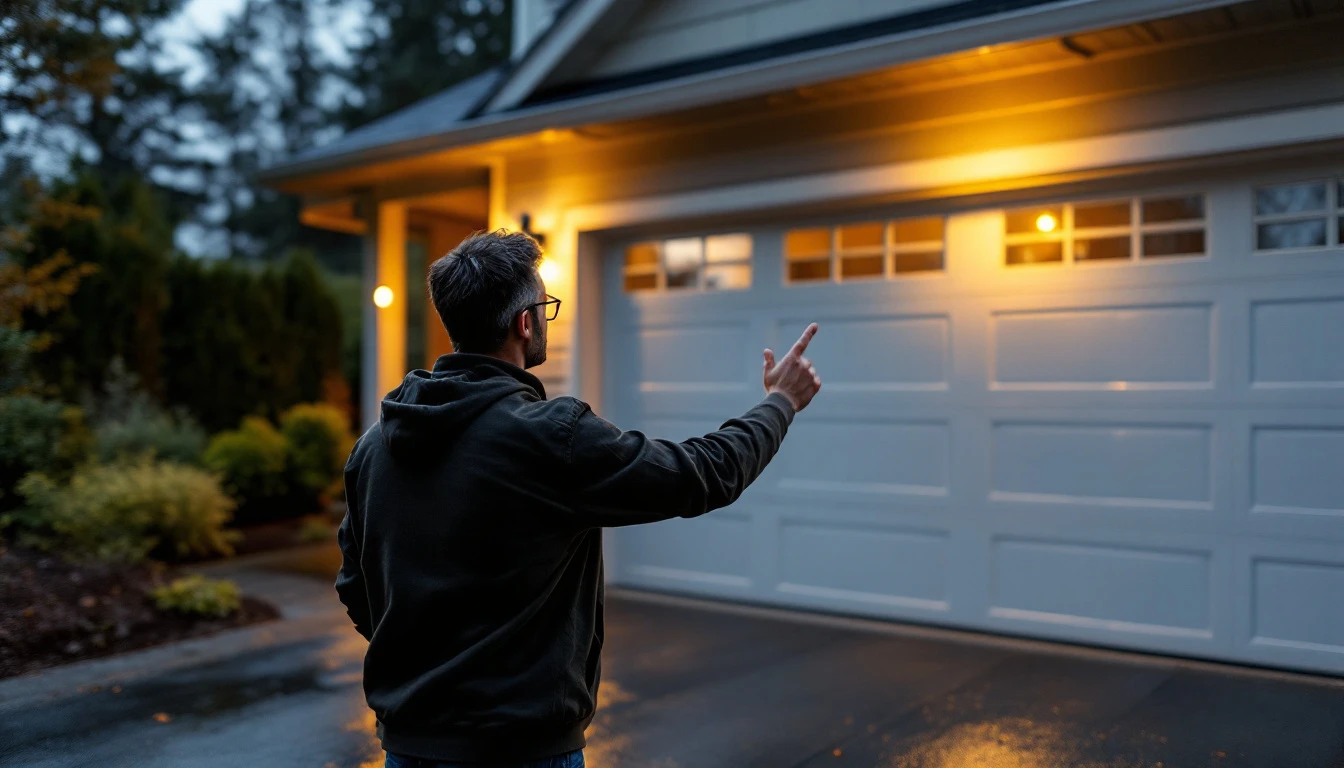
Start by gathering basic information without any tools. Is there power flowing to the opener? Check if the wall button and remote both fail to work, which suggests an electrical issue. Does the motor engage when you press the button? If you hear the motor running but the door doesn’t move, you’re looking at a mechanical problem like a broken gear or disconnected chain. Do the safety sensors respond when you wave your hand between them? Non-responsive sensors often prevent closing and create frustrating false stops.
Portland’s climate adds specific considerations to your diagnosis. High humidity during winter months can cause sensor misalignment as moisture affects mounting brackets and wiring connections. Power fluctuations during summer storms may trip your opener’s internal circuit breaker or reset limit switches, creating symptoms that seem mechanical but are actually electrical.
This decision tree approach helps you isolate whether your problem is electrical, mechanical, or sensor-related. Electrical issues show no response from the motor. Mechanical failures produce motor noise without door movement. Sensor problems allow opening but prevent proper closing. Understanding which category fits your symptoms determines whether you can handle the fix yourself or need professional assistance, saving you time and unnecessary service calls during the busy summer season.
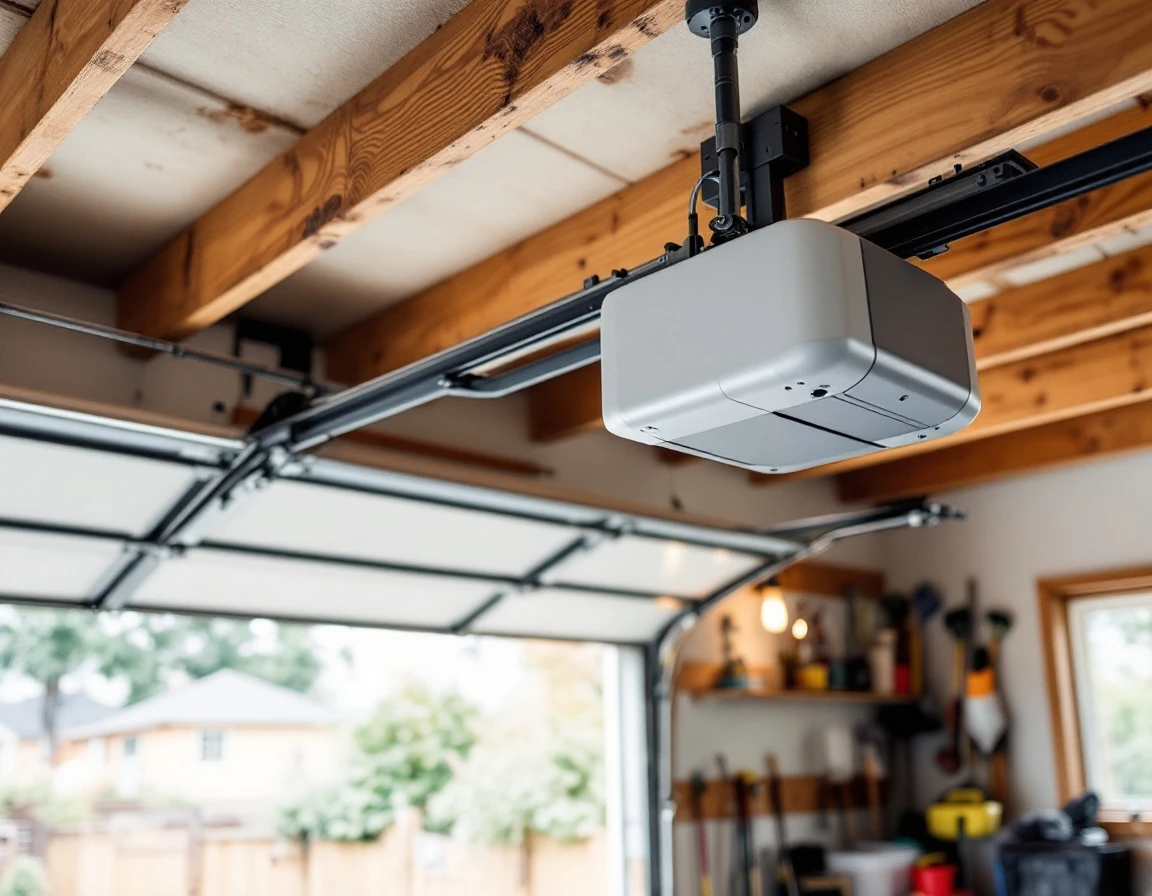
Five Fixes You Can Do Today
Ready to tackle the most common opener failures? These five fixes account for the majority of garage door opener problems Portland homeowners face, and you can complete each one with basic household tools in under thirty minutes. Let’s start with the simplest solution and work our way up.
Fix #1: Replace Wireless Remote Batteries
Dead or weak batteries cause more “non-functional” opener complaints than any other single issue. If your wall-mounted button works but your remote doesn’t, this is almost always the culprit. Pop open the back of your remote, replace the coin-cell or AA batteries with fresh ones, and test the range from your driveway. A working remote should activate the opener from at least 50 feet away. If the new batteries don’t restore full range, the remote itself may need replacement—but start here first.
Fix #2: Clean and Align Safety Sensors
Portland’s damp climate means moisture, dust, and cobwebs accumulate quickly on sensor lenses. Blocking the infrared beam that prevents your door from closing on objects or people. Locate the two sensors mounted on either side of your door near the ground—usually with small LED indicator lights. Wipe both lenses with a clean, dry cloth, then check that they’re pointing directly at each other. If one LED is blinking or off, gently adjust that sensor until both lights glow solid. The door should now close without reversing midway.
Fix #3: Reset Your Opener’s Circuit Breaker
Power fluctuations during storms can trip the dedicated breaker for your garage door opener. Walk to your main electrical panel and look for a tripped breaker—it will sit in a middle position between ON and OFF, or you’ll see a label for “garage” or “opener.” Flip it fully OFF, wait ten seconds, then flip it back ON. Return to your garage and test the opener. This simple reset resolves many seemingly electrical failures and takes less than five minutes.
Fix #4: Reprogram Your Remote Transmitter
Remote controls occasionally lose their connection to the opener, especially after power outages or battery changes. Most modern openers use a “Learn” button on the motor unit itself—look for a small colored button (often red, orange, or purple) near the antenna wire. Press and release the Learn button, then within 30 seconds, press and hold the button on your remote until the opener lights blink. Test the remote. If you have multiple remotes, repeat this process for each one. Check your opener’s manual for brand-specific timing, as LiftMaster, Chamberlain. And Genie models have slight variations.
Fix #5: Test Door Balance and Inspect Tracks
If your door opens partway and stops, the problem might not be the opener at all—it could be a balance issue forcing the motor to work too hard. Disconnect the opener by pulling the red emergency release handle, then manually lift the door halfway. A properly balanced door stays put; one that falls or rises needs professional spring adjustment. While you’re hands-on, inspect the tracks for visible obstructions, bent sections, or loose mounting brackets. Clear any debris and tighten loose bolts with a socket wrench. Reconnect the opener and test. If the door now travels smoothly, you’ve just saved yourself a service call.
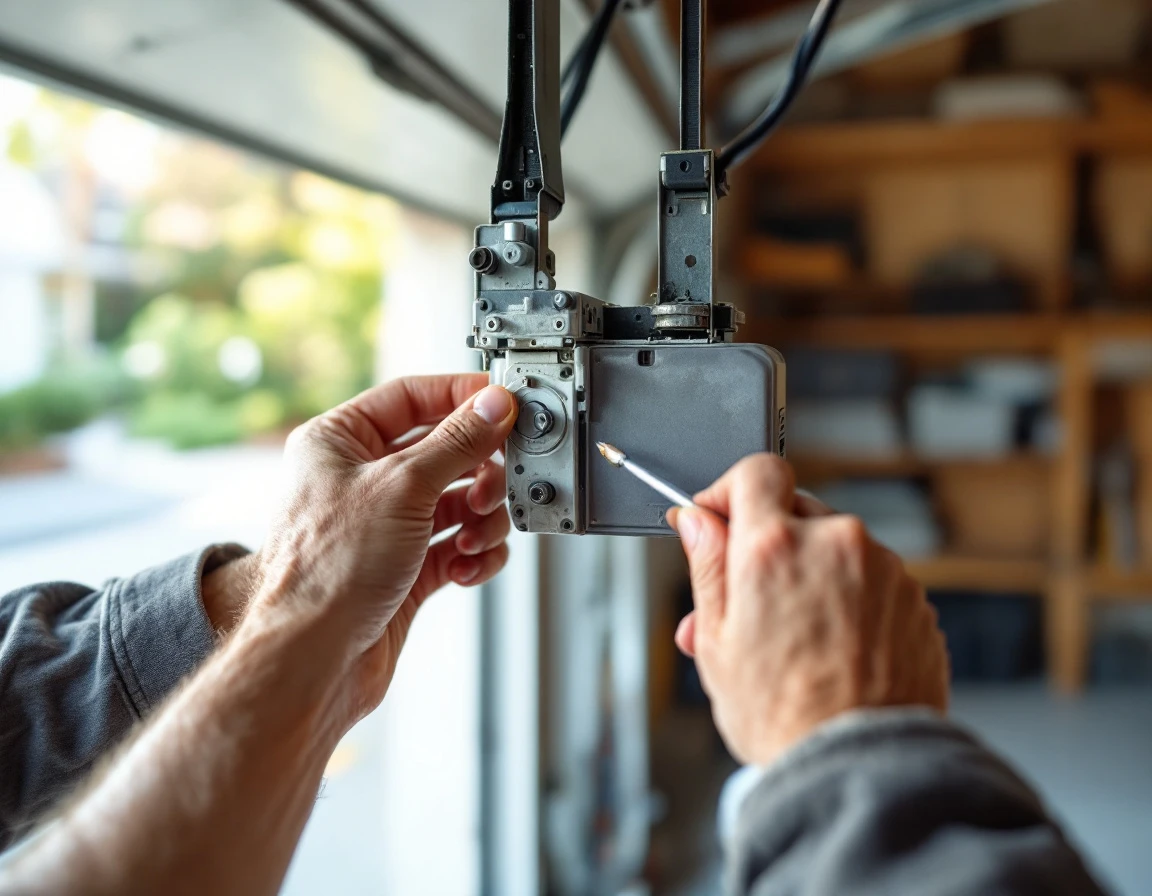
Remote Battery Replacement
When your remote stops working but the wall-mounted button operates normally, you’re dealing with a dead battery—the most common opener issue. This quick fix takes about two minutes and requires no tools.
Pop open the battery compartment on the back of your remote, typically secured by a sliding cover or small screw. Check the existing battery for type markings—most garage door remotes use CR2032 coin cells or standard 9V, 12V, or AAA batteries. Snap in a fresh replacement matching the original specification.
Test your repair by standing at least 30 feet from the opener and pressing the button. If the door responds, you’ve solved the problem without spending a dime on service calls.
Sensor Cleaning and Alignment
Does your garage door close halfway and then reverse back up? Portland’s damp air creates a film on sensor lenses that tricks your opener into thinking something’s blocking the path. This false alarm stops your door mid-cycle, leaving your garage vulnerable.
Locate the two sensors mounted on each side of the door tracks, about six inches above the floor. Wipe both lenses gently with a soft, dry cloth to remove moisture buildup and debris. Even a thin layer of condensation can interrupt the invisible beam between sensors.
After cleaning, grab a straightedge or carpenter’s level. Hold it against both sensor housings to verify they’re pointing directly at each other. If one sensor tilts even slightly, loosen the mounting bracket, adjust the angle until the indicator lights glow steady, then tighten the bracket. Test by closing the door completely without reversals.
When to Call a Professional
Some garage door issues fall outside the homeowner’s toolbox, and attempting DIY repairs can lead to serious injury or property damage. Broken or damaged springs top the list of repairs that always require professional service. Torsion springs operate under extreme tension—enough to lift several hundred pounds—and releasing that force without specialized tools and training can cause catastrophic injuries.
Motor replacement and opener mechanism failures also belong in the professional category. While you can easily replace batteries and clean sensors, internal gear failures, burnt-out motors, and drive system malfunctions require diagnostic equipment and manufacturer-specific parts.
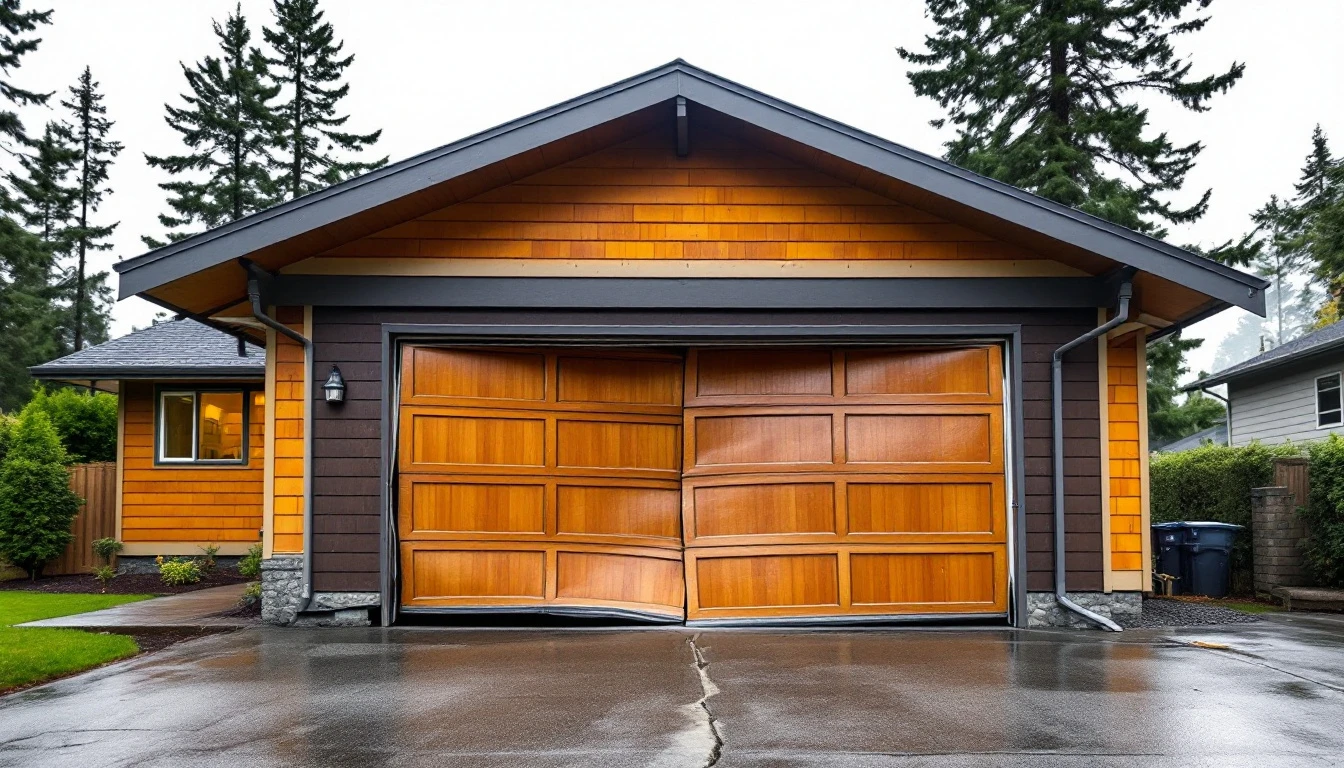
Similarly, damaged tracks or broken cables demand professional attention because misalignment or improper installation creates ongoing safety hazards every time you operate the door.
Timing matters when scheduling garage door service. July offers a sweet spot for non-emergency repairs. By August and September, contractors face booking backlogs from vacation-delayed projects and back-to-school rush appointments. This demand surge drives up pricing and limits appointment availability. If you’ve worked through the five DIY fixes without success, or if your diagnosis points to springs, motors, or structural damage, contact a professional now rather than waiting until the problem becomes an emergency.
The cost difference between routine service and emergency calls is substantial. Emergency visits typically command premium pricing for after-hours or same-day response, while scheduled maintenance appointments during normal business hours cost less and allow for more thorough inspection. Use this checklist:
- If none of the five DIY fixes worked
- If you hear grinding or scraping sounds
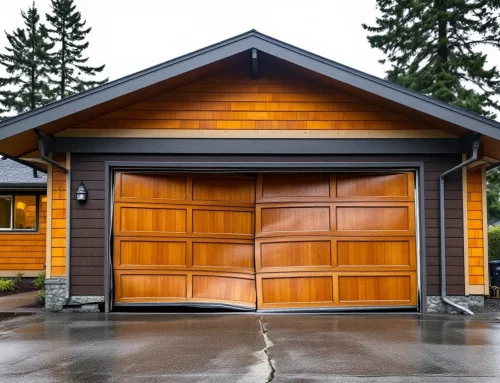
- If the door hangs unevenly
- If you see rust or gaps in the springs
It’s time to call in the experts.
Ready to schedule your garage door service? Contact Garage Harmony today to book an appointment before the late-summer rush begins.
Summer Repair Timing and Regional Considerations
Why does your garage door opener choose to fail during the worst possible week? Many Portland homeowners postpone repairs during spring, thinking they’ll tackle the problem “when things settle down.” Then summer arrives with family vacations, road trips, and visiting relatives—and suddenly you’re dealing with a broken door while packing for the coast or shuttling kids to camp.
July and August bring peak demand for garage door repair services across the Portland metro area. Service companies book out weeks in advance, and emergency calls during this window often carry surcharges exceeding $200. By diagnosing and fixing your opener now using this guide, you avoid the panic of discovering a dead system the morning your family loads up for vacation.
Portland’s summer conditions add another layer of complexity. Humidity spikes in July can temporarily worsen sensor issues you’ve been ignoring, as moisture accumulates in electrical connections and causes intermittent failures. Oregon’s electrical grid also experiences demand surges during hot weather, creating power fluctuations that stress older opener motors and trip breakers more frequently.
If your troubleshooting reveals a problem requiring professional service, booking now prevents the September price surge when service companies clear their summer backlogs.
Proper maintenance and timely repairs make sure your garage door system operates safely throughout the busy summer season. Contact us today to schedule repair work before peak season hits and emergency rates take effect.