Summer Heat Impact on Garage Doors
Portland’s summer heat brings more than just sunny days and outdoor barbecues. When temperatures climb to 85–95°F during July and August, your garage door faces serious stress. Proper garage door maintenance during summer is essential—metal tracks expand and can warp under sustained heat, while lubricants break down and evaporate in the low humidity. Wood components shrink as moisture content drops, creating gaps that weren’t there in spring.
Here’s what makes this dangerous: intense UV exposure accelerates material degradation on exposed surfaces. Weakening rubber seals and weatherstripping. Your door’s sensors can shift out of alignment as mounting brackets expand. The opener motor works harder to move a binding door, shortening its lifespan.
The real problem arrives when fall temperatures drop. Heat-stressed components that seemed fine in August suddenly fail when asked to contract back to their original dimensions. A door that operated smoothly at 90°F starts binding at 60°F. This temperature transition is when most emergency repair calls happen—and when you’ll pay premium rates for urgent service. Summer garage door maintenance prevents these autumn breakdowns.
Five Essential Summer Tasks
Think of this checklist as your July or early August insurance policy against fall breakdowns. Each task takes between 5 and 15 minutes, and we’ll tell you exactly when to call for help.
Task 1: Inspect and Lubricate Rollers, Hinges, and Tracks
Start by examining each roller for cracks or flat spots—heat accelerates wear on these plastic or nylon wheels. Use silicone spray, not oil, to lubricate metal hinges and roller bearings. Oil attracts dust and gums up in Portland’s dry summer air, while silicone stays clean and handles temperature swings better.
Go/No-Go Decision: If you spot wobbling rollers or metal-on-metal grinding sounds, call a professional. Replacing rollers requires lifting the door safely—not a DIY project.
Task 2: Check Door Balance and Spring Tension
Disconnect the opener and manually lift your door halfway. Does it stay put, or does it crash down or shoot up? Heat changes spring tension, and an unbalanced door overworks your opener motor. This test takes two minutes.
Go/No-Go Decision: Any imbalance means the springs need adjustment. Never attempt spring work yourself—these components store hundreds of pounds of force and cause serious injuries when mishandled. Contact us today for a professional spring inspection.
Task 3: Clean Weatherstripping and Test Seals
UV exposure and low humidity dry out rubber seals. Wipe down all weatherstripping with a damp cloth, then apply a rubber conditioner designed for garage doors. Check the bottom seal for gaps by closing the door and looking for light underneath.
Go/No-Go Decision: Cracked or brittle seals? Replace them yourself—most home centers stock these, and installation is simple clip-in or slide-in work.
Task 4: Verify Sensor Alignment and Photoelectric Function
Test your safety sensors by waving your hand across the beam while closing the door. It should reverse immediately. Heat can shift sensor brackets, so check that both sensors face each other directly and their indicator lights stay solid, not blinking.
Go/No-Go Decision: If realigning the brackets doesn’t fix a blinking light or failed reversal test, the sensors may need replacement—a quick professional repair.
Task 5: Test Opener Force Settings and Emergency Reverse
Place a 2×4 flat on the floor in the door’s path. The door should reverse when it contacts the board. If it crushes the wood or doesn’t reverse, your force settings need adjustment—check your opener manual for the sensitivity dials.
Go/No-Go Decision: Can’t find the adjustment dials or the door still won’t reverse properly? Get in touch with us today—this is a safety issue that needs immediate professional attention.
Task 1: Lubricate Rollers and Tracks
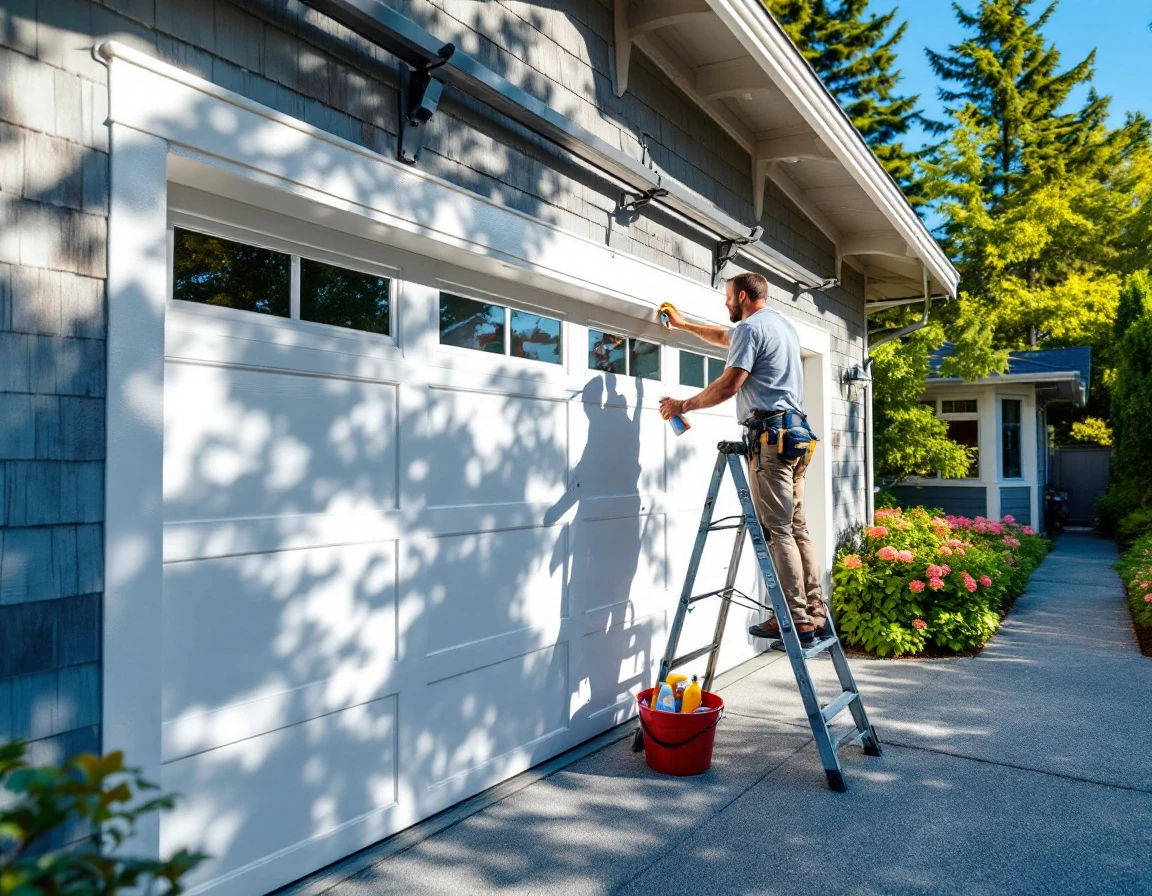
Portland’s summer heat dries out the factory lubricant in your garage door’s high-friction zones, creating metal-on-metal contact that stresses springs and openers. Over ten minutes, you can stop this degradation and prevent squeaking, binding, and early mechanical failure.
Here’s what you need to know: Use silicone spray only—never WD-40 or grease, which attract dust and gum up rollers. WD-40 is a solvent, not a lubricant, and grease creates a sticky film that collects debris.
Apply in this sequence: spray roller wheels first, moving the door manually to coat all surfaces. Next, treat each hinge pin. Finally, apply a light coating to the vertical track surfaces. Wipe any excess immediately to prevent dust accumulation.
This task requires no technical skill and carries zero risk of damaging components, making it universally DIY-safe for all homeowners.
Task 2: Check Door Balance
An unbalanced garage door puts extra strain on springs and openers, and that stress multiplies when Portland’s summer heat weakens these components. Testing your door’s balance takes three minutes and gives you a clear answer: continue with DIY maintenance or call a professional before the busy fall season arrives.
Here’s the safe test procedure: Close your door completely, then unplug your automatic opener from the wall outlet. Manually lift the door from the handle using both hands. A properly balanced door should glide upward with minimal effort and stay put at any height when you release it—waist-high, shoulder-high, or fully open.
If your door sags downward or shoots upward when released, your springs have been compromised by heat stress. Do not attempt spring adjustment yourself—spring tension is dangerous and requires professional calibration. Contact Garage Harmony before summer peak temperatures cause complete spring failure.
Task 3: Weatherproofing and Seals
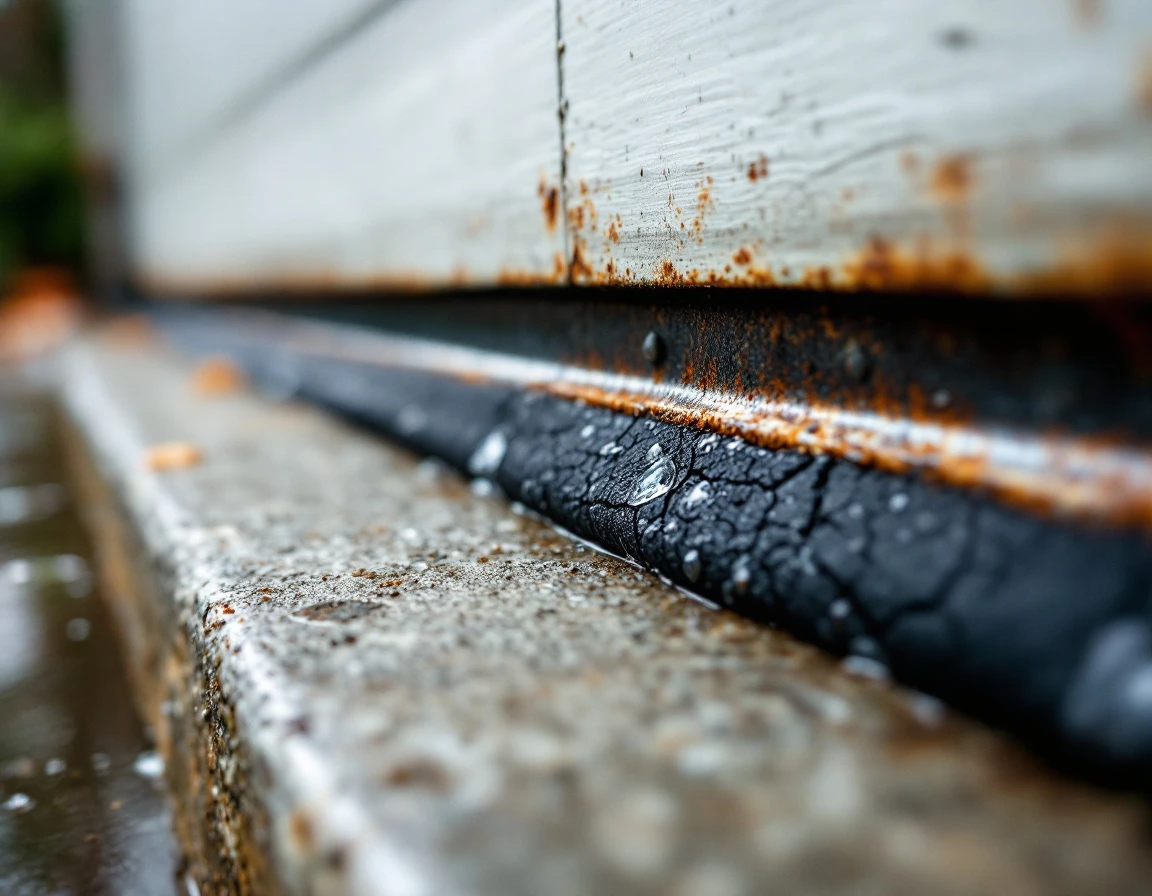
Summer heat shrinks rubber weatherstripping, creating gaps that allow hot air to flood your garage. When Portland temperatures hit 85–95°F in July and August, the rubber seals around your door perimeter dry out and contract, breaking the thermal envelope that keeps your garage temperature stable. These gaps force your HVAC system to work harder, raising energy costs while hot air damages door panels and opener electronics.
Walk the entire perimeter of your garage door and inspect the weatherstripping. Look for visible cracks, tears, or gaps wider than 1/8 inch. Press the rubber seal—if it feels brittle or compressed, it’s time for replacement. Check both the bottom seal and the vertical seals along each side of the door frame.
Replacing weatherstripping takes about 20 minutes and requires only basic materials available at most hardware stores. Most retailers carry adhesive-backed rubber seals sized for standard garage doors. Pull off the old seal, clean the channel with rubbing alcohol, and press the new seal firmly into place. This simple fix protects your door panels from heat damage and keeps your cooling costs down through August.
Task 4: Sensor and Opener Function
Portland’s summer heat and airborne pollen can shift sensor mounting brackets and cloud photoelectric lenses, preventing the safety beam from working correctly. Start by wiping both sensors with a soft cloth to remove dust and debris. Check that the indicator lights on both units are solid—not blinking—which confirms proper alignment.
Next, test the emergency reverse function. Place a 2×4 board flat under the descending door and press the close button. The door should stop and reverse immediately when it contacts the board. If it doesn’t, your opener’s force settings need professional recalibration—this isn’t a DIY fix.
Heat can also cause sluggish door movement as internal components expand. If your door hesitates or moves slowly despite working fine in spring, the opener’s limit switches may need adjustment. Contact Garage Harmony for a safety inspection—compromised sensors create serious injury risks.
When to Call a Professional
Never attempt spring adjustment, replacement, or tension checks yourself—torsion springs store enough force to cause serious injury or death if mishandled.
Cable replacement and force-limit recalibration also require professional expertise.
Review your maintenance checklist results. If your door failed the balance test, if the emergency reverse test didn’t stop the door on contact, if safety sensors won’t align after cleaning, or if you spotted frayed cables, rusted rollers, or bent tracks during inspection—contact Garage Harmony for service.
Here’s a business advantage: scheduling a professional visit in July or August means faster service than waiting until September. Fall weather triggers emergency repair calls as heat-stressed components finally fail, creating service backlogs. Summer appointments give you choice scheduling and prevent the stress of a broken door when you need it most.
Portland Summer Maintenance Checklist
Complete all five garage door maintenance Portland Oregon tasks during the first two weeks of July or early August, when you have a clear window of availability. This timing positions your garage door to handle the fall temperature transition without emergency failures. You’ll need basic materials if you’re handling everything yourself: silicone spray lubricant, weatherstripping, and cleaning supplies—items readily available at any hardware store.
Here’s your printable checklist:
- Lubricate rollers and tracks
- Perform the manual balance test
- Inspect and replace weatherstripping
- Clean and test safety sensors
- Verify emergency reverse function
The cost-benefit analysis is clear: spending an hour and under $50 now prevents $500–$2,000+ in emergency repairs when multiple heat-stressed components fail simultaneously during Portland’s first cold snap. Additional maintenance resources are available to guide you through the process.
Tackle what you’re comfortable with and let Garage Harmony handle the rest. Contact us today to schedule a professional inspection or spring adjustment before fall’s emergency repair rush begins.