Why September Matters for Oregon Garages: Spring Garage Door Maintenance Oregon Planning
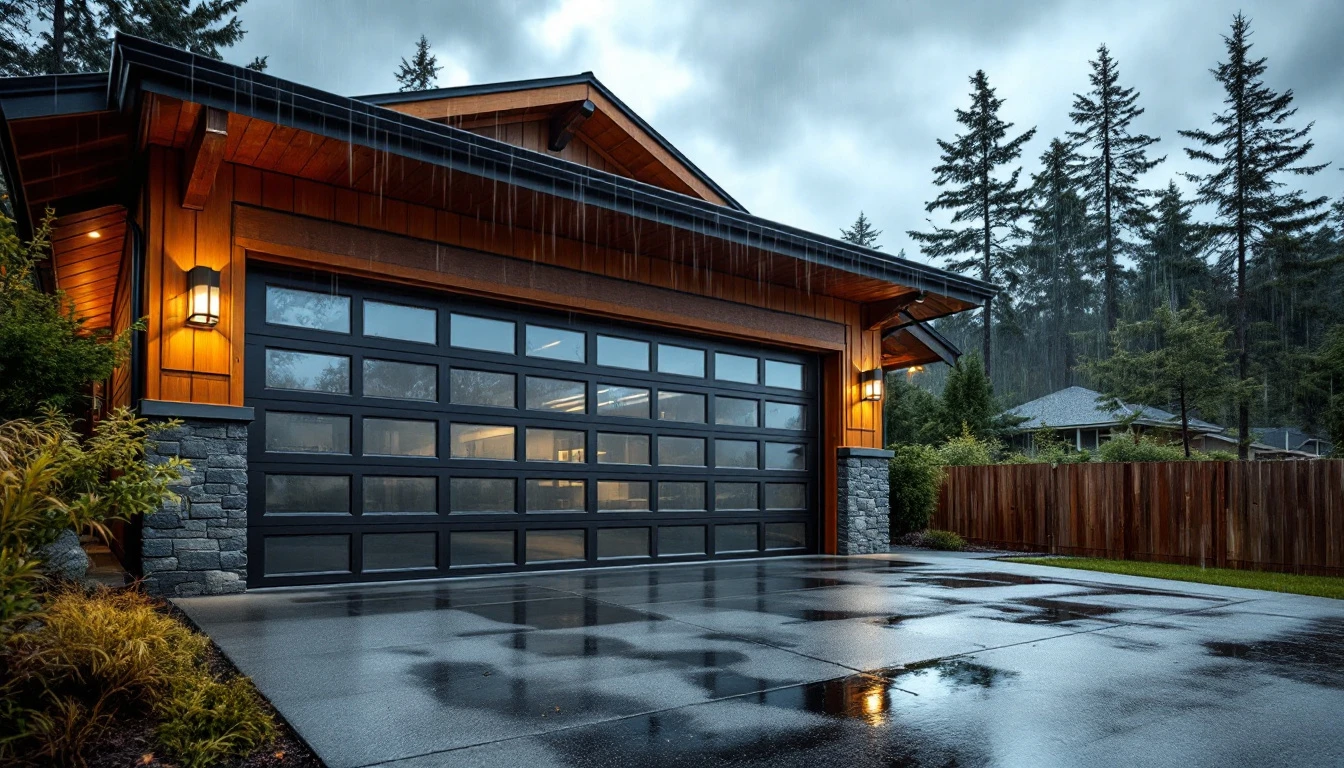
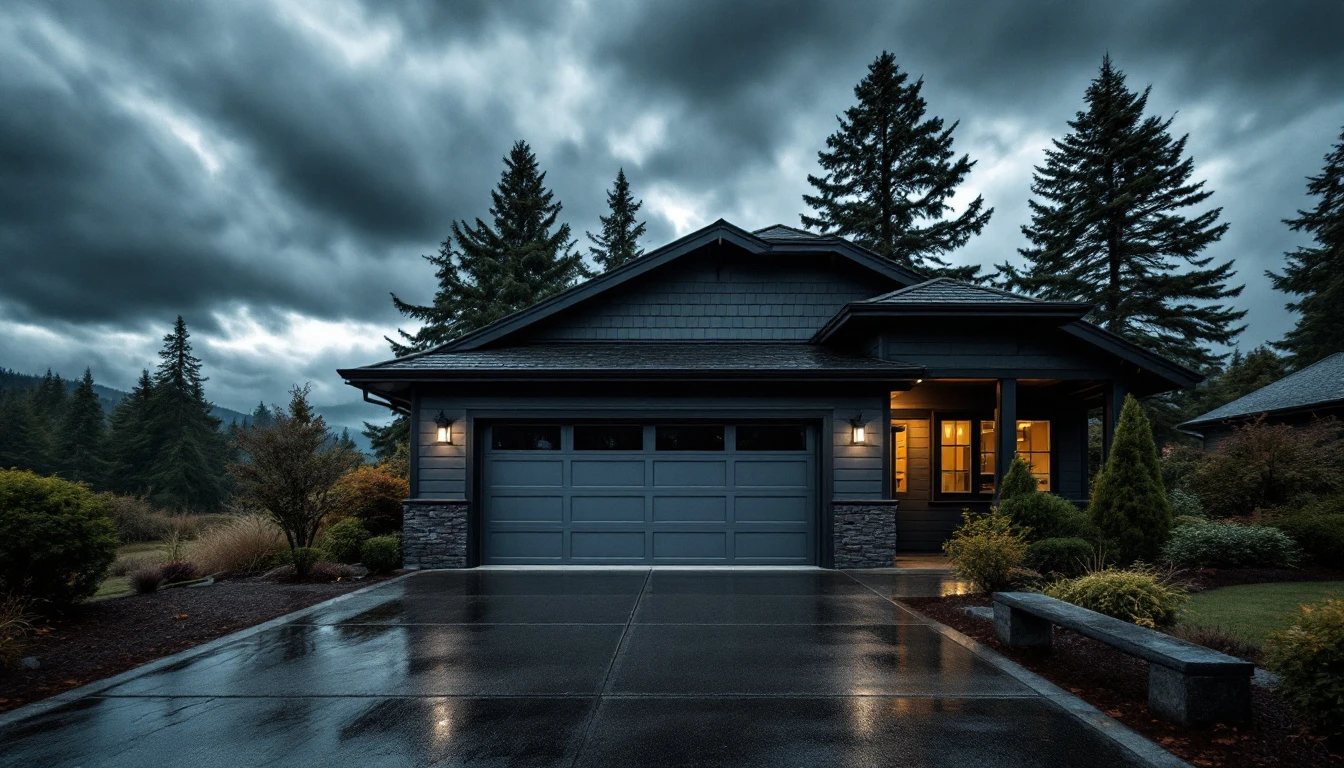
Oregon’s fall rainy season typically begins in late September or early October, placing immediate strain on your garage door’s weatherproofing and seals. The transition from summer heat to persistent fall moisture creates the perfect storm for mechanical stress—springs expand and contract, seals that dried out during warmer months suddenly face constant water exposure, and existing vulnerabilities quickly turn into major problems. Planning your spring garage door maintenance Oregon schedule now helps prevent these seasonal challenges from becoming costly repairs.
Wet conditions expose issues that developed quietly during summer. A slightly worn weatherstrip becomes a water entry point. A spring with minor corrosion faces accelerated deterioration. September offers a manageable window to address these concerns before the heaviest rains arrive.
Acting now prevents costlier emergency repairs during winter, when worsening weather makes every repair more difficult and contractor availability drops.
Why pay premium rates for urgent fixes when proactive September maintenance keeps your system running smoothly all season?
Five Essential September Maintenance Tasks
Ready to protect your garage from Oregon’s rainy season? These five maintenance tasks form your complete September checklist, addressing the specific challenges our wet climate creates for garage door systems:
- Task 1: Clean and Inspect Weather Seals and Gaskets — Walk around your garage door and examine every seal—along the bottom, sides, and between panel sections. Look for cracks, peeling rubber, or sections that have pulled away from the door. When seals fail, rain seeps into your garage and can damage stored belongings or create moisture problems. Replace worn seals with high-quality rubber weatherstripping designed for wet climates. This is a DIY-friendly task requiring only basic tools and replacement seals from your local hardware store.
- Task 2: Clear and Lubricate Tracks — Debris, dust, and old lubricant combine with moisture to create binding in your door tracks. Wipe tracks clean with a cloth, then apply a silicone-based lubricant—never WD-40 or grease, which attract dirt. Proper lubrication prevents the door from sticking when fall rain increases humidity. DIY task taking about 20 minutes.
- Task 3: Test Door Balance and Springs — Disconnect the opener and manually lift your door halfway. Does it stay in place? If it drops or shoots up, your springs need adjustment. Winter rain adds weight to the door system, and unbalanced springs can fail when stressed. Call a professional—spring tension is dangerous to adjust without proper training and tools.
- Task 4: Inspect and Tighten Hardware — Summer heat expansion followed by fall cooling loosens bolts, brackets, and hinges. Use a socket wrench to check and tighten all visible hardware. Loose components vibrate during operation and wear faster. DIY task requiring only a basic wrench set.
- Task 5: Check Entry Door Weatherstripping and Drainage — Test the weatherstripping around your entry door between house and garage. If you have an attached garage, verify that floor drains or sump pumps work properly before heavy rains arrive. DIY inspection. Though pump repairs may need professional help.

DIY vs. When to Call a Pro
Some September maintenance tasks are safe for homeowners to handle, while others require professional expertise. You can confidently tackle:
- Cleaning debris from tracks
- Visually inspecting weatherstripping for cracks or gaps
- Tightening accessible bolts on hinges and brackets
- Testing your door’s balance by disconnecting the opener and lifting manually
These tasks need only basic tools and common sense.
However,
never attempt spring adjustment, spring replacement, or cable work yourself. Garage door springs store enormous tension and can cause serious injury or death if mishandled.
Deep weatherstripping installation and complex mechanical adjustments also require specialized knowledge and tools that professionals bring to the job.
Scheduling a professional inspection in early September gives you time to book appointments before fall storms arrive and winter weather pushes demand upward. October and November fill contractors’ calendars quickly, making emergency repairs harder to schedule when you need them most.
Tools and Products You’ll Need
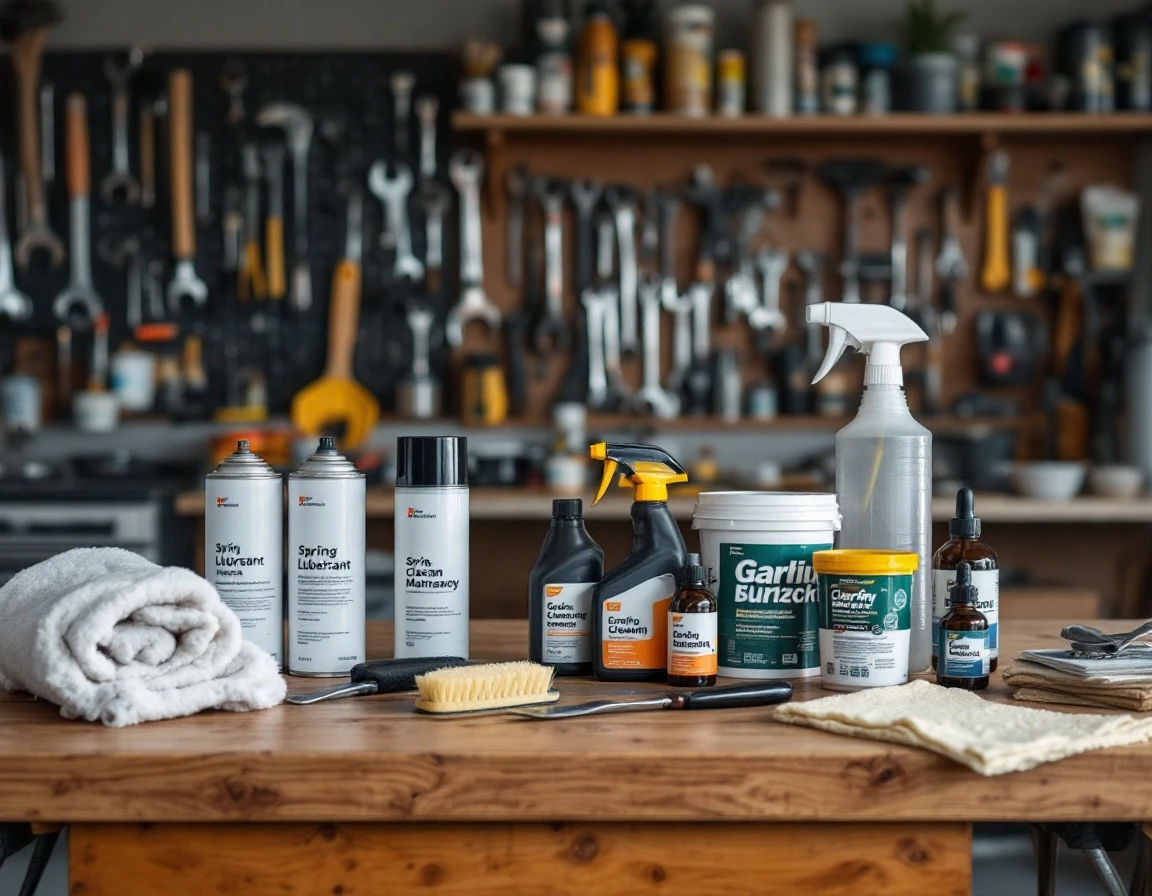
You probably already own most of what you need to complete these September maintenance tasks. For basic cleaning, gather:
- A shop vacuum
- A stiff brush
- Clean rags
- A garden hose with a spray nozzle to remove debris from tracks and seals
lubrication, invest in a garage door-specific silicone-based lubricant rather than reaching for WD-40, which can attract dirt and damage components over time. Pick up a dedicated track cleaning solution while you’re at the hardware store—these specialty products cost just a few dollars but prevent damage far better than general-purpose alternatives.
For your inspection work, you’ll need a headlamp or flashlight to spot worn weatherstripping and hardware issues, a basic wrench set for tightening loose bolts, and a measuring tape to check seal gaps. Don’t forget safety gear: work gloves, safety glasses, and a sturdy step ladder. Never crawl under a raised door or attempt spring repairs yourself.
Red Flags: When Damage Is Already Present
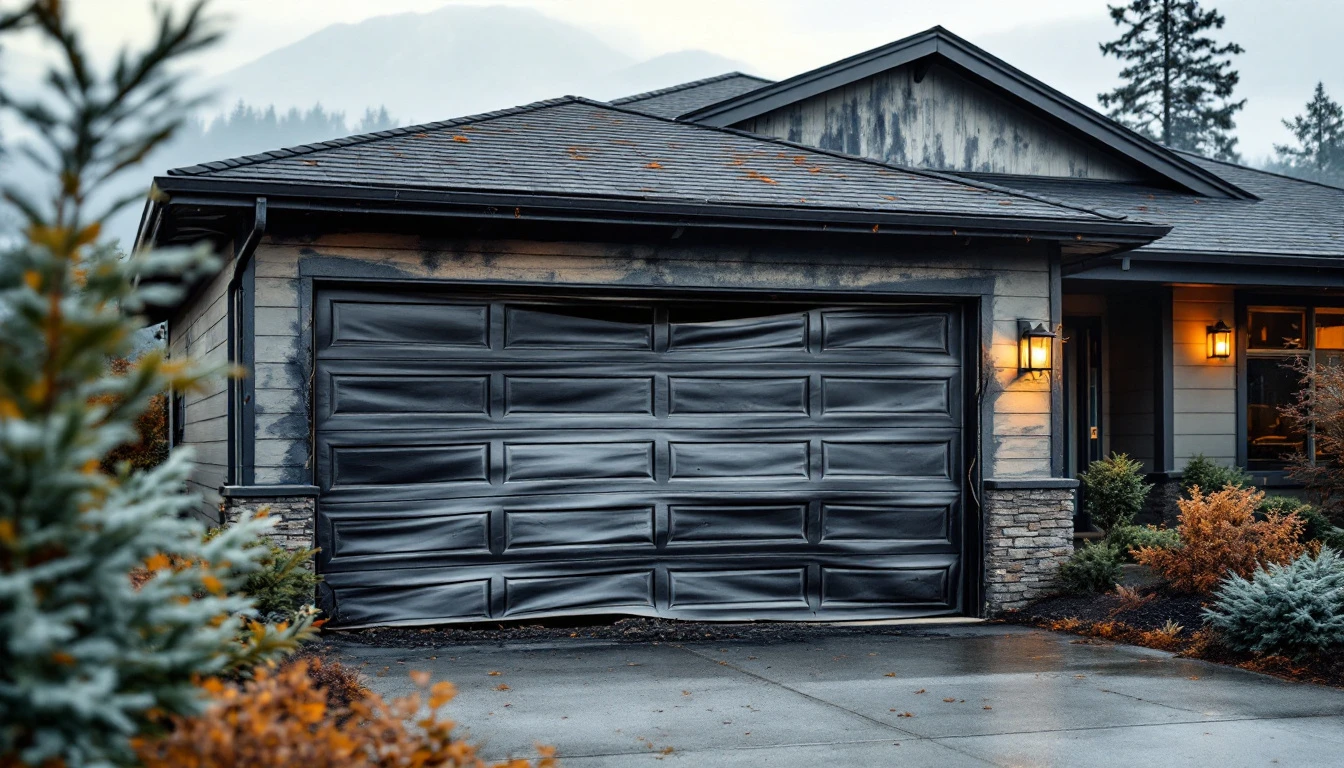
Some problems go beyond routine maintenance. If you notice water pooling inside your garage, mold spots on walls, or rust forming on metal tracks. Moisture has already infiltrated your system. These conditions point to failed weatherproofing that won’t respond to simple cleaning or adjustments, as moisture exposure and lack of lubrication can cause rust and accelerated wear.
Listen carefully when your door operates. Loud grinding sounds, jerky movement, or visible gaps in weather seals indicate spring tension problems or track misalignment. These mechanical failures will worsen rapidly once fall rains arrive. Potentially leaving you with a jammed door during a storm.
Springs that appear bent, frayed cables, or visible cracks in the torsion bar demand immediate professional attention.
Scheduling repairs now protects your investment and prevents emergency service calls when contractors are busy managing winter breakdowns across Oregon.
Next Steps: Schedule and Prepare
Create a September maintenance calendar to keep yourself on track. Inspect your garage door during the first week of the month while weather remains mild and contractors still have open schedules. Complete your DIY tasks—track cleaning, hardware tightening, visual inspections—during the second and third weeks. If you discovered red flags during your inspection, schedule professional services before the month ends.
Take photos of any concerning issues you find: rust spots, frayed cables, damaged weather seals, or water intrusion evidence. These images help professionals diagnose problems quickly and provide accurate quotes. Set a reminder for next September to repeat this maintenance routine before Oregon’s rainy season returns.
Found warning signs that need professional attention? Contact Garage Harmony today to schedule a complete inspection or repair. Our team will address problems now, before they become expensive winter emergencies.