Valley Fog & Timber-Mill Garages: Rust Prevention for Oregon Wine Country
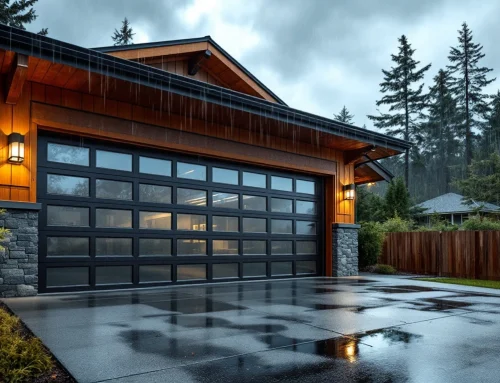
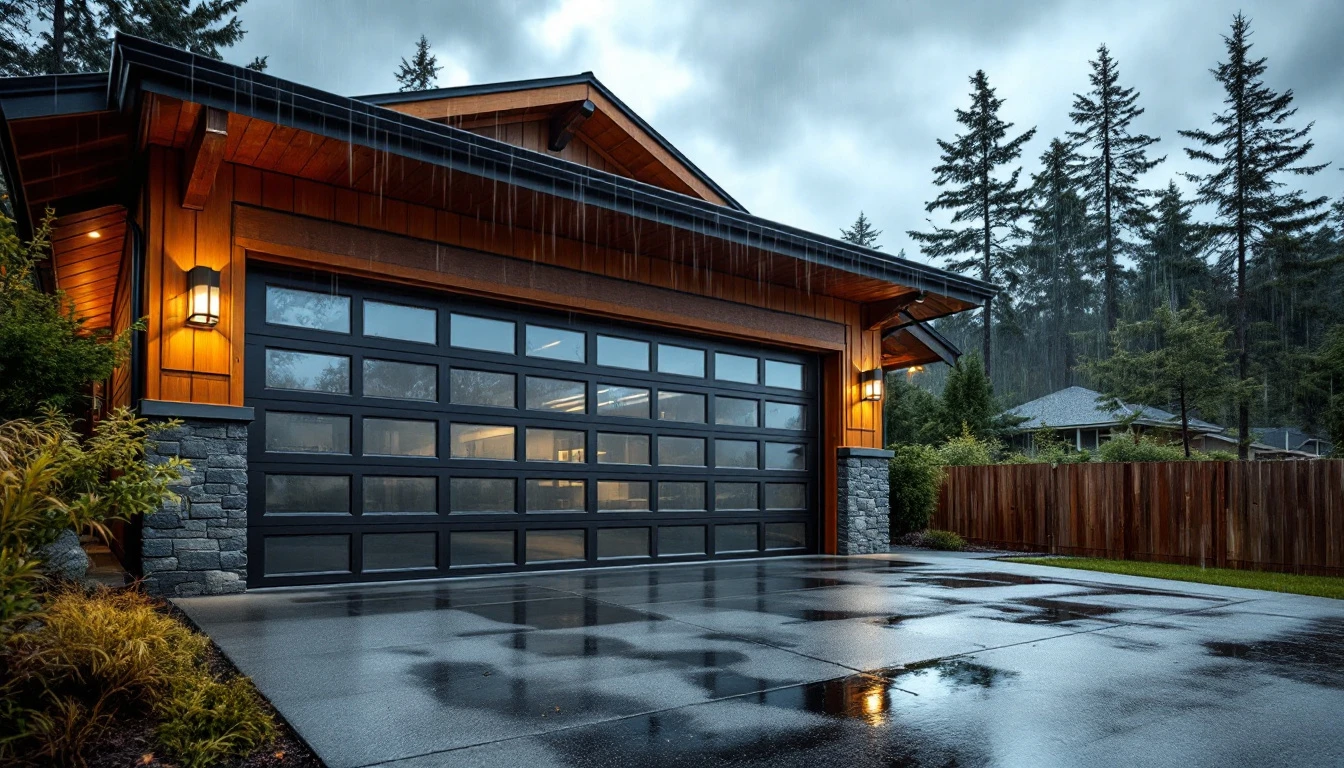
Willamina’s timber-mill-era garages face unique corrosion challenges when valley fog blankets the area each winter, creating conditions that rust springs, tracks, and hinges faster than in drier climates. Rust prevention garage doors Oregon wine country homeowners can implement starts with understanding how fog, moisture, and older hardware construction combine to accelerate metal deterioration. This guide covers detection, prevention, and when to call for professional help.
Willamina’s timber-mill-era garages (1950s–1980s)
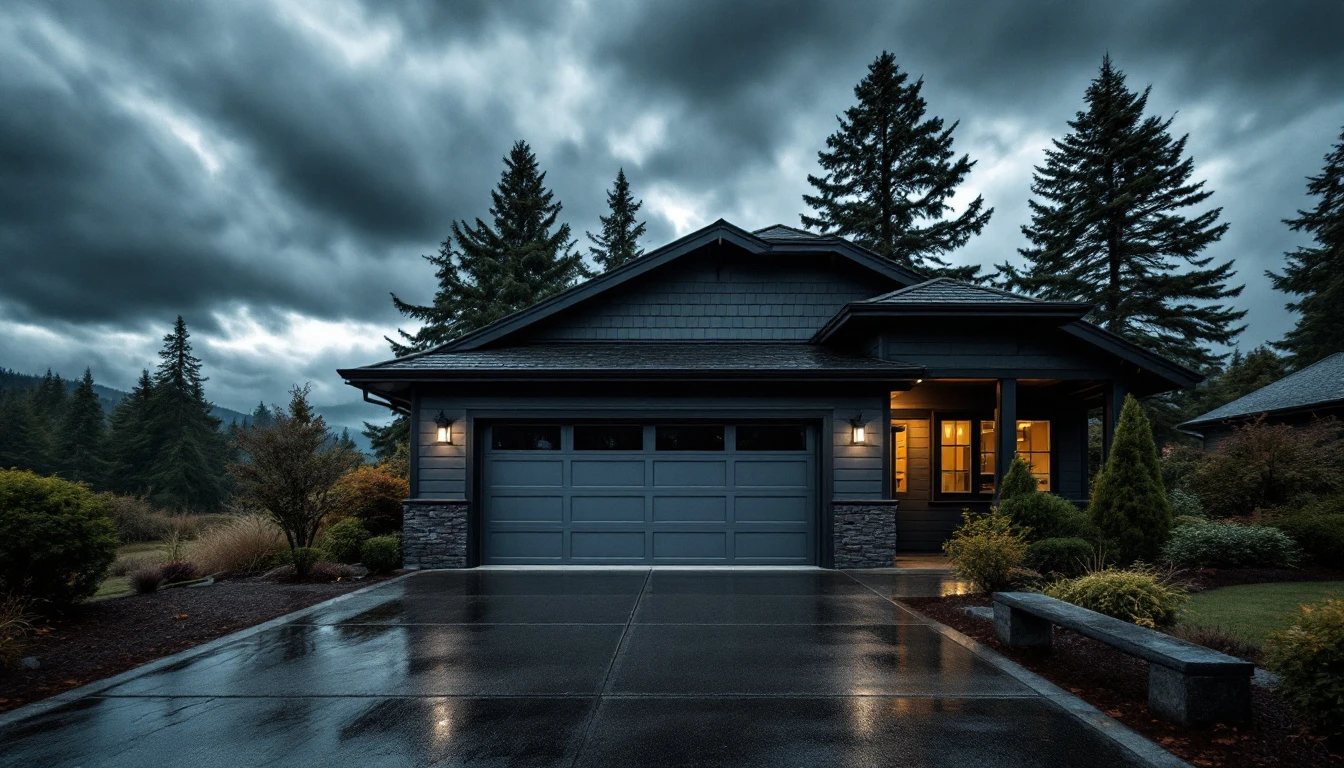
Willamina’s garages built during the lumber mill era feature a construction style that leaves metal hardware particularly vulnerable. Hinges, springs, and roller tracks were often mounted with minimal protective coatings, designed for utility rather than long-term corrosion resistance.
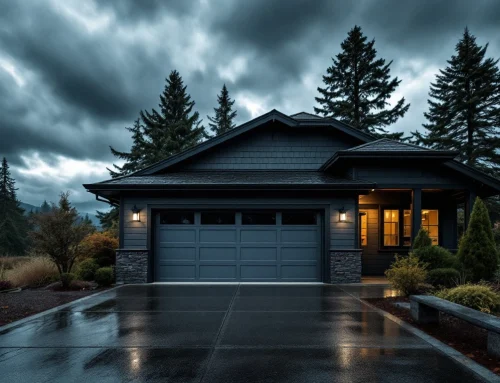
Between November and February, valley fog settles into Willamina’s low-lying areas and clings to metal surfaces. Combined with wet winters where rain keeps hardware damp for weeks at a time, this creates the perfect recipe for rust. Exposed steel corrodes rapidly when moisture never fully evaporates.
Springs, tracks, and hinges corrode fastest
In detached and workshop-style garages common to Willamina’s timber-mill-era construction, springs, tracks, and hinges face the highest corrosion risk because they’re constantly moving metal parts exposed to moisture. Prevention costs under $200 and takes less than two hours total.
Applying silicone spray to springs and hinges, coating tracks with rust-inhibiting lubricant, and tightening hardware before November creates a protective barrier against valley fog.
Hardware at Greatest Risk: Corroded Garage Springs Tracks Hinges Repair
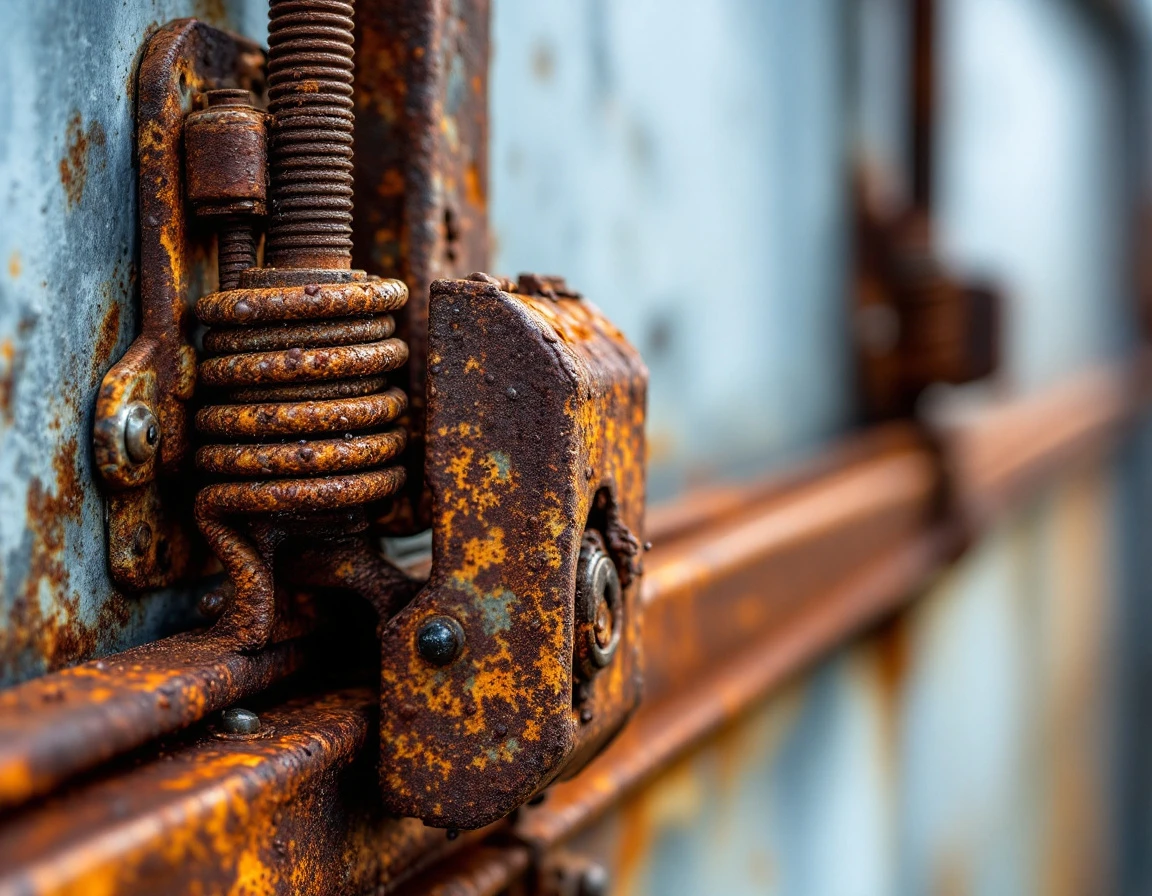
Torsion springs and extension springs corrode faster than any other garage door component because they operate under constant tension with metal-to-metal contact points that trap moisture. When valley fog settles in Willamina’s detached workshop-style garages from November through February, water condenses directly onto these steel coils. Without protective coatings—common in timber-mill-era construction from the 1950s through 1980s—springs develop surface rust within weeks of exposure.
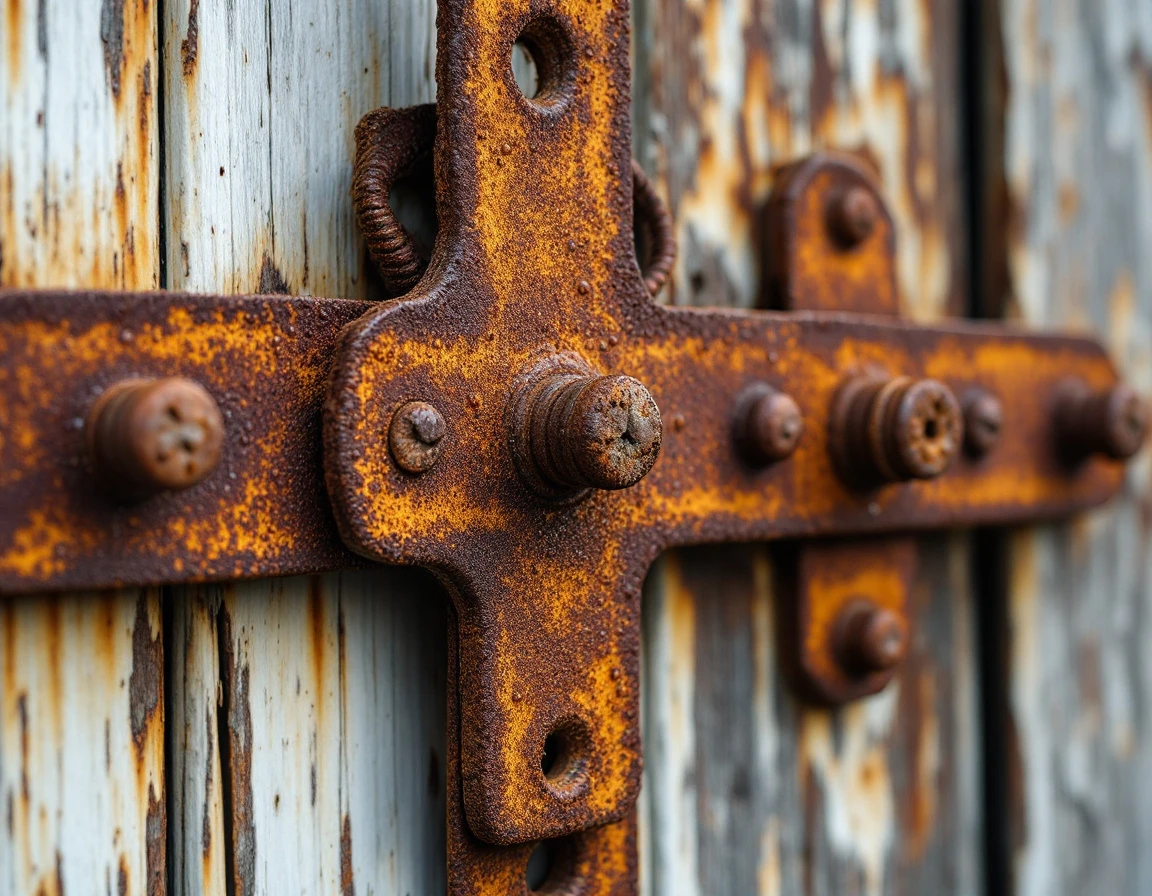
Steel tracks face similar risks when water pools along their channels. Look for orange discoloration where horizontal and vertical track sections meet, especially near the floor where moisture accumulates. Hinges seize when salt deposits from winter road spray settle into their pivot points, creating friction that eventually prevents smooth operation.
Before inspecting your own garage, check these warning signs: white powdery rust on springs indicates early-stage corrosion that’s still reversible, orange streaks on tracks show active deterioration, and stuck hinges that resist manual movement signal moisture infiltration. Older hardware lacks the zinc galvanization or powder coating found on modern replacements, making fasteners and mounting brackets the first components to fail.
Detached garages experience more corrosion than attached structures because airflow patterns allow fog to penetrate freely through gaps around doors and windows. Understanding these vulnerabilities helps you prioritize inspection efforts where failure costs the most—a broken spring requires emergency repair averaging $300-$400. While preventive lubrication costs under $15.
Three Low-Cost Prevention Tasks
Before valley fog settles into Willamina this November, you can protect your garage door hardware with three simple maintenance tasks. These basic steps require only standard tools and effort, delivering protection that prevents costly spring and track replacements down the road. Garage maintenance is essential before the rainy season arrives, as valley fog and wet winter conditions demand attention to keep your system functioning properly.
“Task 1: Annual Lubrication (30 Minutes)”
Apply synthetic garage door lubricant like 3-IN-ONE or WD-40 Specialist to all moving metal parts before November. Spray torsion springs above the door, extension springs along the tracks, and roller stems where they enter the track. Coat hinges at each door panel joint. Wipe away excess with a clean rag. Synthetic formulas repel moisture better than petroleum-based products, creating a protective barrier against fog penetration. Skip chain-drive opener tracks—use chain-specific lubricant instead.
Task 2: Weatherstripping and Seal Replacement (45 Minutes)
Replace cracked vinyl weatherstripping along door panel edges and the bottom seal where your door meets the concrete floor. Remove old strips by pulling them from the retainer channel. Slide new weatherstripping into the channel, cutting to length with scissors. Install a new bottom seal by loosening the retainer bolts, sliding out the old seal, and securing the replacement. Fresh seals block moisture entry that accelerates hardware corrosion in detached and workshop-style garages common throughout Willamina.
Task 3: Hardware Inspection and Surface Rust Treatment ($30–50, 30 Minutes)
Walk through your visual inspection checklist from earlier, then treat any surface rust immediately. For light rust on hinges and brackets, apply white vinegar with a brush, let sit for 10 minutes, then scrub with steel wool. For moderate rust on tracks or springs, use a rust converter like Rust-Oleum Rust Reformer, which chemically transforms rust into a paintable surface. This treatment stops corrosion spread before Oregon’s wet winter begins.
When to Call a Professional
Not all garage door corrosion can be handled with DIY maintenance. Knowing when to stop and call a professional protects both your safety and your wallet. Three red-flag scenarios demand expert help immediately:
- Springs that won’t compress or show visible gaps in the coils
- Tracks that are visibly bent or have severe pitting that creates rough surfaces
- Hinges that are seized completely solid despite lubrication attempts
Spring work is particularly dangerous. Torsion springs hold extreme tension—enough force to cause serious injury or death if they snap during amateur repairs. Even extension springs can whip violently when mishandled. If you notice uneven door movement, hear popping sounds, or see gaps in spring coils, call Garage Harmony right away. Professional diagnosis costs far less than emergency room visits.
Track realignment and replacement require specialized tools and precise measurements that most homeowners don’t have. Attempting these repairs without proper equipment often compounds the initial problem, transforming a manageable repair into a much costlier undertaking.
Preventive maintenance costs far less than professional spring replacement or track realignment. This means prevention pays for itself compared to waiting for failure.
For Willamina homeowners with old garage door hardware corrosion, investing time before November fog arrives beats paying for emergency repairs in January.
Pre-Fog Season Checklist
Before November fog settles into Willamina’s valleys, complete these tasks to protect your garage door hardware. Print this checklist and keep it visible in your workshop or detached garage.
October Tasks (Complete by October 25):
- Photograph all springs, tracks, and hinges for insurance documentation
- Order lubricant, weatherstripping, and rust converter (mid-October prevents supply delays)
- Apply synthetic lubricant to all moving parts
- Replace worn weatherstripping around door perimeter
- Treat surface rust with vinegar solution or rust converter
November-February Reminders:
- November: Final inspection before fog season begins
- February: Mid-winter check for new corrosion spots
Garage Profile:
- Location: ☐ Detached ☐ Workshop ☐ Attached
- Construction Era: _______ (1950s-1980s timber-mill-era garages face highest risk)
Call Professional If:
- Visible corrosion on springs or cables
- Difficulty opening/closing door
- Unusual grinding or scraping sounds
Contact Garage Harmony today to schedule a professional assessment before fog season arrives. Our team serves Willamina and surrounding wine country communities with expert garage door maintenance and repair.